
Social Media Strategy for Outdoor Lifestyle Brands: Community Over Vanity Metrics
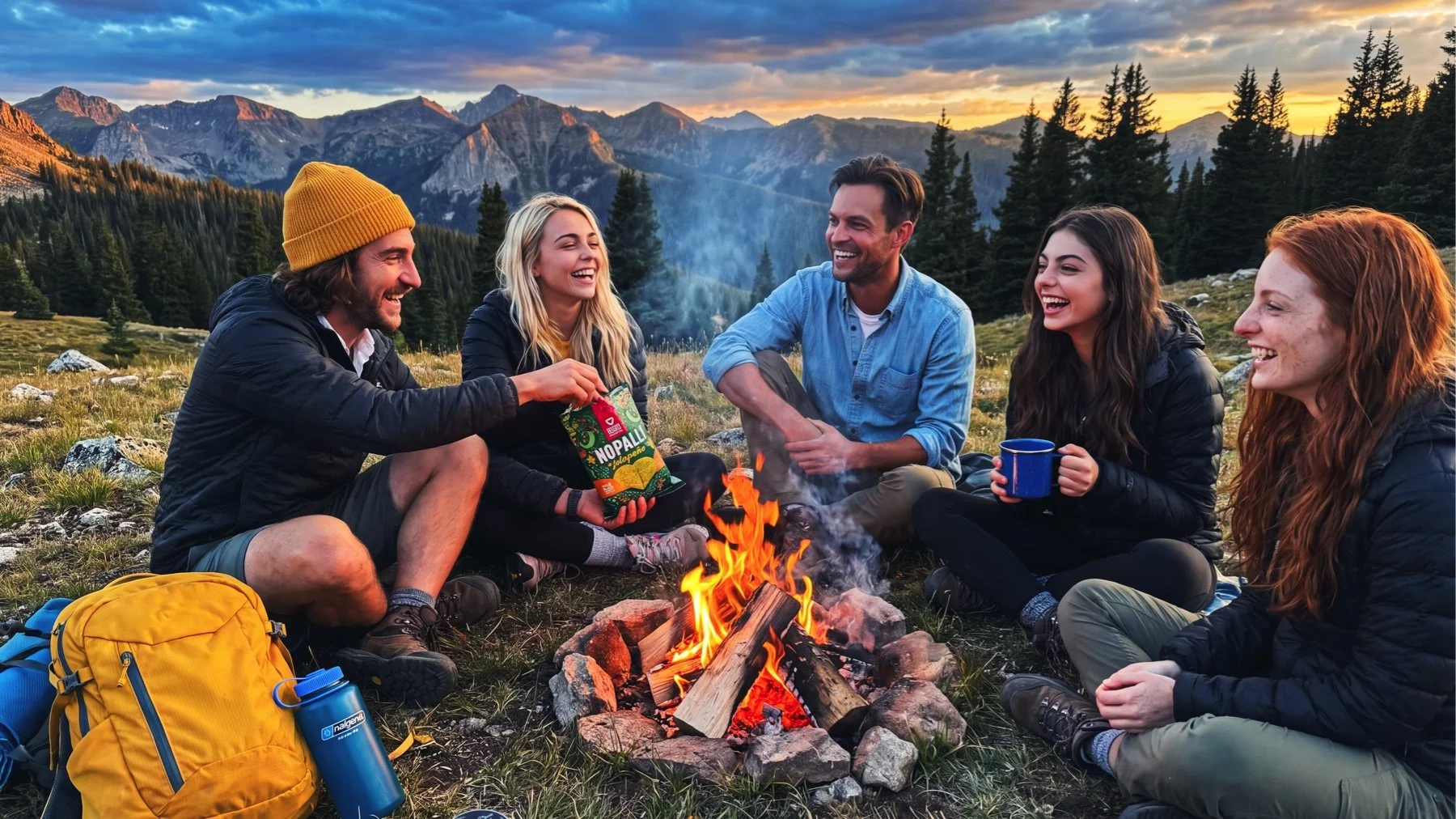
Your social media strategy for outdoor lifestyle brands is probably wrong. Not because you're not posting. Not because you're not authentic. You're wrong because you're measuring the wrong thing.
Most outdoor brands chase follower count like it matters. It doesn't. A social media strategy for outdoor lifestyle brands that works is built on proximity, not audience size.
Here's the gap. You see REI's 500K Instagram followers and think you're underperforming. But REI has a retail chain. You don't. Your social media strategy for outdoor lifestyle brands should be designed for a brand that survives on word-of-mouth, not broadcast reach.
The Real Problem With Most Social Media Strategies for Outdoor Lifestyle Brands
Here's what I see over and over. Outdoor brands build a social media strategy around content calendars. Post three times a week. Stay consistent. Use trending audio. Engage with every comment. It's advice that applies to consumer packaged goods and fitness supplements.
It does not apply to outdoor lifestyle brands.
Why? Because your customer is mission-driven, not impulse-driven. They're not scrolling for entertainment. They're scrolling to stay connected to a community. A social media strategy for outdoor lifestyle brands that ignores this is just noise.
The brands winning in outdoor lifestyle are doing something different. They're using social not as a broadcast channel but as a filter. They're asking: "Who are the 200 people we actually want to build with?" Then they're making content for those 200, not for 20,000.
The Proximity Ladder Framework: How to Build a Real Social Media Strategy for Outdoor Lifestyle Brands
Most strategies assume everyone in your audience is the same. They're not. Your social media strategy for outdoor lifestyle brands needs to account for proximity.
Proximity equals how close someone is to becoming (or staying) a customer and advocate.
Here's the Proximity Ladder:
1. Stranger. They found you by accident. Saw a tag. Landed on a post. No prior relationship.
2. Follower. They followed your account. They see your posts in their feed (hopefully). They might engage sometimes.
3. Community Member. They show up regularly. They know your story. They've been to an event or bought something. They recognize your other followers.
4. Advocate. They talk about you to others without you asking. They correct misconceptions. They bring friends to events. They're invested.
Your social media strategy for outdoor lifestyle brands should acknowledge that most of your posts are for the Community Member and Advocate layers. Strangers and casual Followers don't convert. They're noise.
So your content allocation should be:
- 60% for your advocates. Inside jokes, member-only stories, real-time community moments, gated content.
- 25% for community members. How-tos, trip reports, brand narrative, event recaps.
- 15% for followers and strangers. Educational content, aspirational imagery, "what is this brand?" primers.
This inverts the typical social media strategy for outdoor lifestyle brands, which puts 60% of effort toward viral reach.
Three Specific Moves for Your Social Media Strategy for Outdoor Lifestyle Brands
1. Host a Private Community First, Public Feed Second
Your social media strategy for outdoor lifestyle brands should use Instagram or TikTok as a storefront, not as your community home. Start a private Slack, Circle, or WhatsApp group for your top 100 people. Make the rule: "You get invited here by talking about us in real life, or by being a customer."
Post to that group first. The best trip reports, the unfiltered stories, the member milestones. Then post the polished version to your public feed 48 hours later.
Your public feed becomes content marketing. Your private group becomes real community.
Result: Your followers on the public feed feel like they're missing something. Some of them will buy a product or show up to an event to get invited to the private group.
2. Stop Measuring Followers. Measure Proximity Shift.
Your social media strategy for outdoor lifestyle brands needs new metrics. Not followers or impressions. Instead, track:
- How many followers moved from casual to engaged this month?
- How many community members bought something or attended an event?
- How many advocates brought a new person into the fold?
These metrics are harder to track in native social tools. You'll need to tag posts with UTM parameters, use a spreadsheet, or check DMs manually. But they're the only metrics that predict revenue.
3. Make Content About Member Stories, Not Brand Stories
Your social media strategy for outdoor lifestyle brands lives or dies on whether people see themselves in your content.
Most brands post: "Check out our new jacket."
Winning brands post: "Sarah climbed the Grand Teton in our jacket in a November snowstorm. Here's what happened."
The second post isn't about the jacket. It's about Sarah. It's about what's possible. It's about membership.
This requires a different shooting and writing workflow. You're not staging product photos. You're documenting member experiences and getting permission to share them.
But here's the payoff: That post gets shared within the community because people recognize Sarah. It becomes a recruiting tool for the next 20 people who want to be like Sarah.
A Real Example: How Patagonia Does a Social Media Strategy for Outdoor Lifestyle Brands
Patagonia has 2 million followers on Instagram. But their social media strategy for outdoor lifestyle brands isn't based on reach. It's based on mission.
They post about environmental action, activism, and conservation. Most of the content has nothing to do with selling jackets. Their followers are self-selected. They're not there for product features. They're there because they believe what Patagonia believes.
Here's the replicable part for smaller brands:
- Post about what you actually believe. Not what you think will be popular.
- Show the member community, not the product catalog.
- Take a position on something. Patagonia talks climate. You might talk ultralight ethics, Leave No Trace, or sustainable sourcing.
- Make it okay for your audience to disagree and leave.
This sounds like it would shrink your audience. It does. Your following might drop 20%. But the 80% that remains will actually care. They'll buy. They'll show up. They'll evangelize.
FAQ: Real Questions About a Social Media Strategy for Outdoor Lifestyle Brands
Q: Should we post on TikTok if our audience is over 40?
A: Only if you're willing to post 5 times a week for six months to find out. If your audience is 40 plus, Instagram Reels and YouTube Shorts are a better fit for a social media strategy for outdoor lifestyle brands. You'll see engagement faster and your audience already spends time there.
Q: How often should we post?
A: Not often. Your social media strategy for outdoor lifestyle brands should aim for once a week on main feeds, daily in Stories only if you have a story to tell. Quality over frequency. Always. One post that builds community is worth 20 posts that build nothing.
Q: Should we pay for ads?
A: Only if your social media strategy for outdoor lifestyle brands has a conversion engine behind it. Are you capturing emails? Are you selling something? Are you running events? If yes, run ads to drive people toward those channels. If your only goal is followers, don't spend money.
Q: How do we measure if our social media strategy for outdoor lifestyle brands is working?
A: Stop looking at the follower count tab. Look at revenue, event attendance, email list growth, and customer retention. If those are going up, your social media strategy for outdoor lifestyle brands is working. If they're flat or declining, it's not. Platform metrics are noise.
The Contrarian Take
Most advice on a social media strategy for outdoor lifestyle brands assumes you want to be big. You don't. You want to be profitable. You want to be known by your people, not by everyone. You want community, not audience.
That requires a completely different approach. It requires restraint. It requires saying no to followers who don't fit. It requires posting less, not more.
But the brands doing this are growing faster and with higher margins than the brands still chasing viral moments.
In Conclusion: Build a Social Media Strategy for Outdoor Lifestyle Brands That Actually Wins
Your social media strategy for outdoor lifestyle brands should be built for depth, not reach. It should use the Proximity Ladder to segment content. It should measure what actually matters: conversion, retention, and advocacy.
This is not a scale-at-all-costs game. It's a scale-with-purpose game.
Post like you're talking to your best 200 customers, not to everyone. The strangers will still find you. But your real community will stick around.
I help outdoor lifestyle and clean-label food brands build real organic communities through strategy, content, and brand storytelling. If your content feels busy but ineffective, that is the problem I fix. Follow me @gallucciNET on social media.

adage, emmy, telly & webby award-winning digital marketing consultant for purpose-driven food & beverage brands.


