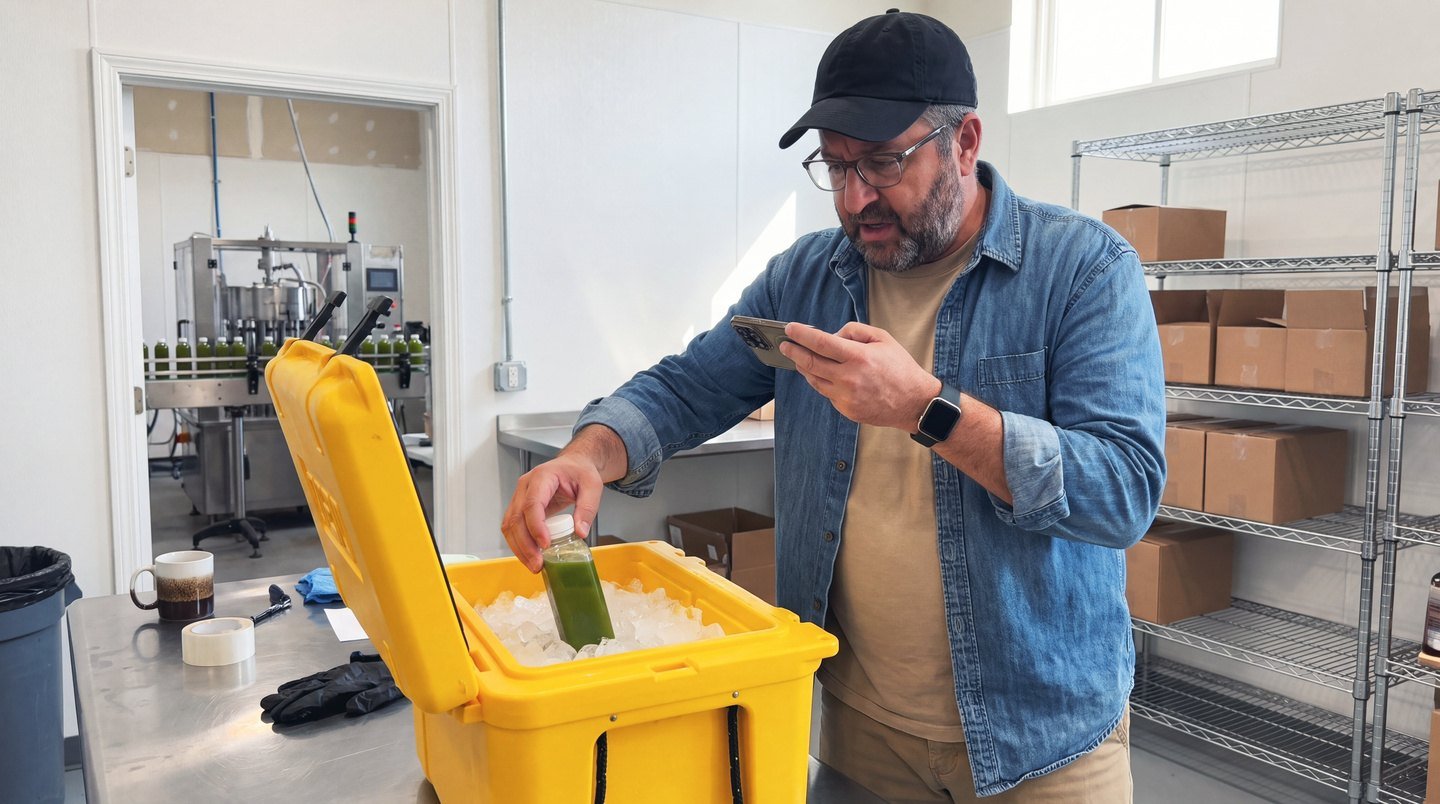
Content Creation for Clean-Label Brands: The Transparency Playbook
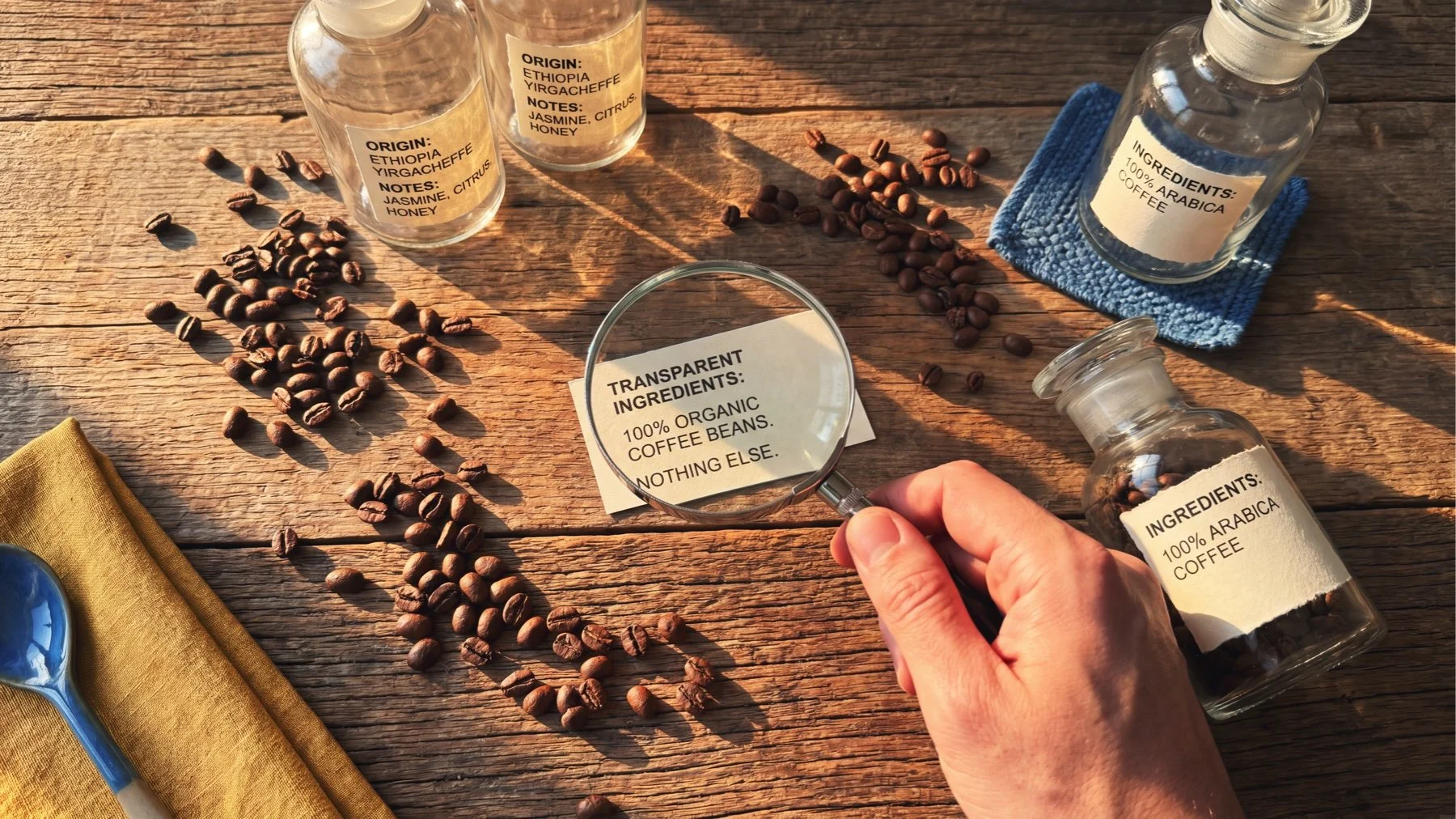
You're in the clean-label space. You spent months sourcing the right ingredients, testing formulas, building the perfect product. Now comes the hard part: telling the world why it matters.
Content creation for clean-label food and beverage brands isn't about listing ingredients. It's about proving you care. Every post, video, or email is a chance to show retailers and consumers exactly why you chose what you chose, and why they should care. Most brands waste this opportunity by treating transparency like a checkbox, not a story. If you're competing in this space, your content strategy is either your biggest asset or your biggest liability.
This playbook is built on one principle: the brands winning in clean-label space aren't the ones with the cleanest labels. They're the ones telling the clearest stories.
Why Content Creation for Clean-Label Brands Demands a Different Approach
The clean-label market isn't growing because consumers are suddenly chemistry PhDs. It's growing because they're scared. They read one exposé, saw one ingredient they couldn't pronounce, or heard one story about a brand cutting corners. Now they're looking for proof that you won't do that to them.
That's the burden you carry. Your content has to do two jobs at once.
1. Educate without talking down. Your buyer, whether a 35-year-old mom or a regional grocery chain buyer, needs to understand why you made the choices you made. They're not stupid. They're skeptical. Content that feels preachy won't work.
2. Prove your commitment is real. Transparency isn't free. It's expensive. You're choosing to source better ingredients, test more rigorously, disclose more openly. Content needs to show the cost of that commitment, not hide it.
Most content for clean-label brands fails because it tries to do the opposite. It dumbs down the message or hides the complexity. Both approaches crater trust.
The Story-First Ingredient Method: A Framework for Content Creation for Clean-Label Brands
Here's a framework that works. It's called the Story-First Ingredient Method. It has three tiers.
Tier 1: The Why Story (the hardest to write, the most valuable)
This is why you chose this ingredient, what problem it solves, what trade-off you made to use it. Example: "We use monk fruit, not stevia, because it tastes better. But it costs 40% more per unit. Here's why we think it's worth it."
Tier 2: The Proof Layer
This is third-party certification, testing results, sourcing documentation, expert quotes. This is your ammunition. It turns skepticism into confidence.
Tier 3: The Comparison (optional but powerful)
This is what you don't use and why. Not to trash competitors, but to clarify your position. Example: "We don't use artificial preservatives because we found a way to stabilize the product using rosemary extract. Yes, it's expensive. Yes, it means shorter shelf life. Here's why we chose that trade-off."
Content created this way converts because it respects the reader. It's not selling. It's explaining. And for clean-label brands, explanation is the sale.
How to Structure Your Content Mix for Maximum Authority
Stop thinking of content in channels. Start thinking of content in layers. Here's how the winning clean-label brands distribute their effort.
40% Educational Content
Blog posts, long-form articles, how-to guides that teach buyers how to read labels, understand ingredients, or evaluate claims. This is your SEO play and your thought-leadership play combined. Example: "How to Read a Supplement Label: What Retailers Actually Look For."
30% Story Content
Behind-the-scenes, sourcing stories, founder insights, team spotlights. This builds connection. Retailers buy from people. Consumers buy from people. Show the people. Video performs best here, but long-form text works if it's written like a conversation.
20% Proof Content
Test results, certifications, third-party validations, customer reviews. This is ammunition for your salespeople and decision-making support for your buyers. Make it downloadable, shareable, embeddable.
10% Product Content
Direct sells. Recipes, use cases, new product launches. This is the only tier that explicitly asks for a sale. Keep it short and keep it rare.
Clean-label brands that flip this ratio (70% product, 30% education) wonder why nobody's calling them back. Reverse it, and your phone rings.
A Concrete Example: How a Cold-Brew Coffee Brand Built Retail Authority
A mid-size cold-brew brand was stuck. They had a killer product. Single-origin beans, no additives, no preservatives. But they were losing shelf space to bigger brands with bigger marketing budgets.
Their content strategy was dying. Blog posts about "health benefits of coffee." Social media posts of pretty lattes. Nothing that explained the why.
We shifted to the Story-First method. Here's what changed.
Month 1: They published a long-form article titled "Why We Don't Use Citric Acid (And Why Most Cold Brew Does)." It explained the chemistry, the trade-offs, the cost. It named their sourcing partner. It included testing data. That one post got shared by 12 retailer buyers who later brought it into pitches.
Month 2: They created a sourcing story. 8-minute video of the founder visiting the coffee farm in Guatemala, walking through the processing, explaining yield loss and why they chose this farm over cheaper alternatives.
Month 3: They published comparison content. Not trashing competitors, but showing exactly how their product stacked up on shelf stability, taste retention, ingredient transparency. Made it a downloadable PDF. Sales team printed it. It became ammunition.
Result: In 5 months, they signed 18 new retail accounts. Their content wasn't prettier. It was honest.
The Mistake Most Clean-Label Brands Make
Here it is: they treat transparency as a legal requirement, not a selling tool. They put their ingredient list on the website like it's a filing. They mention their sourcing once in an Instagram caption. They assume the product speaks for itself.
It doesn't. The product never speaks for itself anymore. The story does.
The brands winning in clean-label aren't winning because they have cleaner products. They're winning because they're willing to get bored doing the same story seventeen times in seventeen different formats until the market gets it.
FAQ: Questions Brand Owners Actually Ask About Content Creation for Clean-Label Brands
Q: Isn't talking about what we DON'T use just admitting those ingredients exist?
A: Yes. And that's not an admission of weakness. It's proof you've thought about it. Your buyer has thought about it too. Meeting them there builds trust.
Q: How often should we publish educational content?
A: For brands under $20M revenue, 2 educational pieces per month minimum. For larger brands, 4-6. Consistency matters more than volume. Pick a cadence you can sustain.
Q: Should we create different content for retailers vs. consumers?
A: Absolutely. Consumers care about how they feel. Retailers care about how they sell. Same ingredient story, different framing. For retailers, emphasize shelf velocity and consumer education. For consumers, emphasize how you'll feel and what you're avoiding.
Q: How do we measure if our content is working for sales?
A: Track three metrics. Content-sourced leads (people who mention your content in a sales conversation). Engagement velocity (if your audience is reading past the first paragraph). Retailer inquiries that reference your content. If none of these are moving, your content isn't clear enough.
Conclusion: Why Content Creation for Clean-Label Food and Beverage Brands Is Now a Competitive Weapon
Your product is honest. Your ingredients are real. Your supply chain is transparent. Now your content needs to be all three.
Content creation for clean-label food and beverage brands is no longer a support function. It's your primary sales channel. The brands that treat it that way (with budget, strategy, and consistency) are taking shelf space from the brands that don't.
Start with one story. Get it right. Then tell it seventeen times.
I help outdoor lifestyle and clean-label food brands build real organic communities through strategy, content, and brand storytelling. If your content feels busy but ineffective, that is the problem I fix. Follow me @gallucciNET on social media.

adage, emmy, telly & webby award-winning digital marketing consultant for purpose-driven food & beverage brands.