Content Creation for Outdoor Brands That Actually Sells
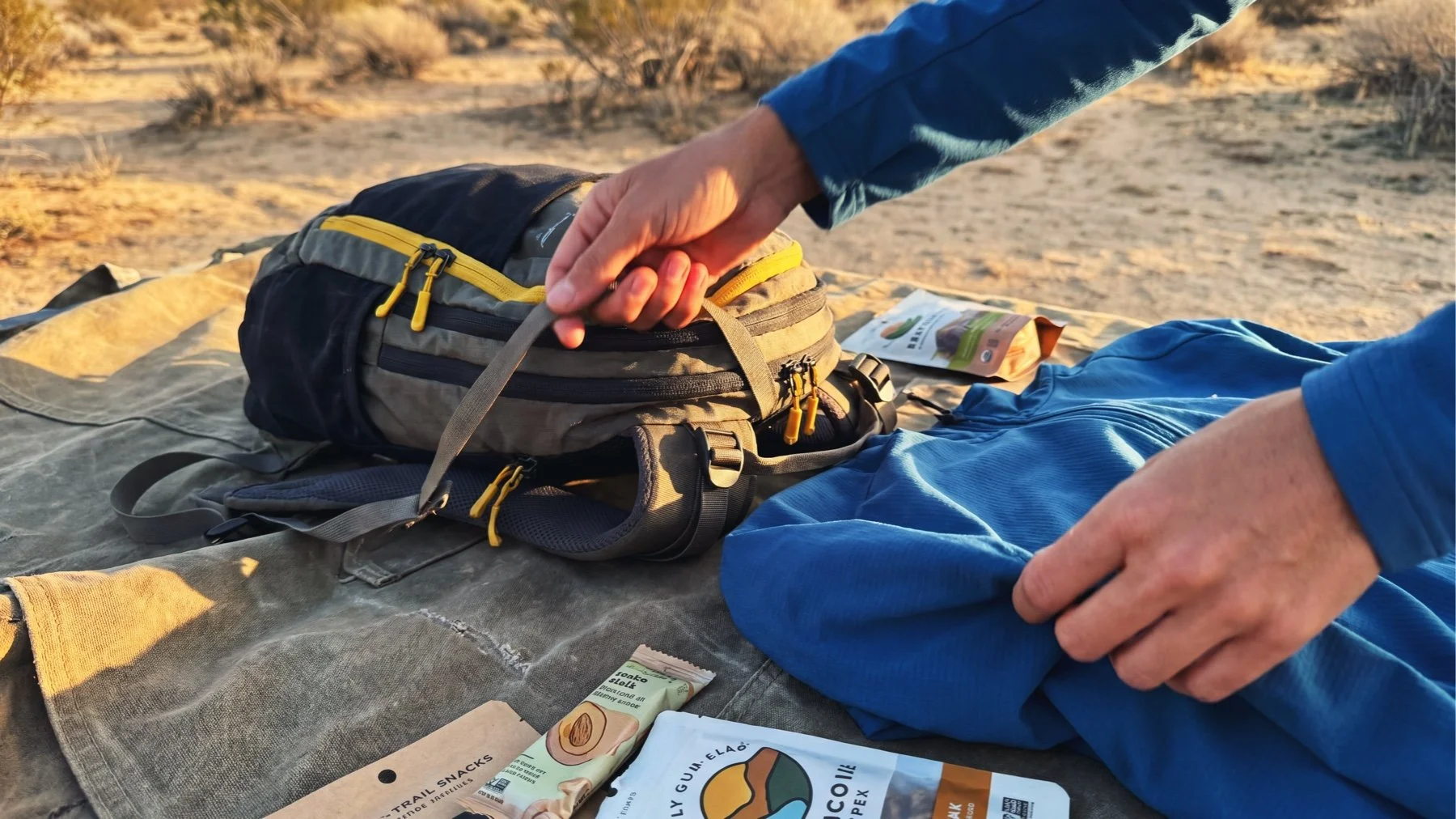
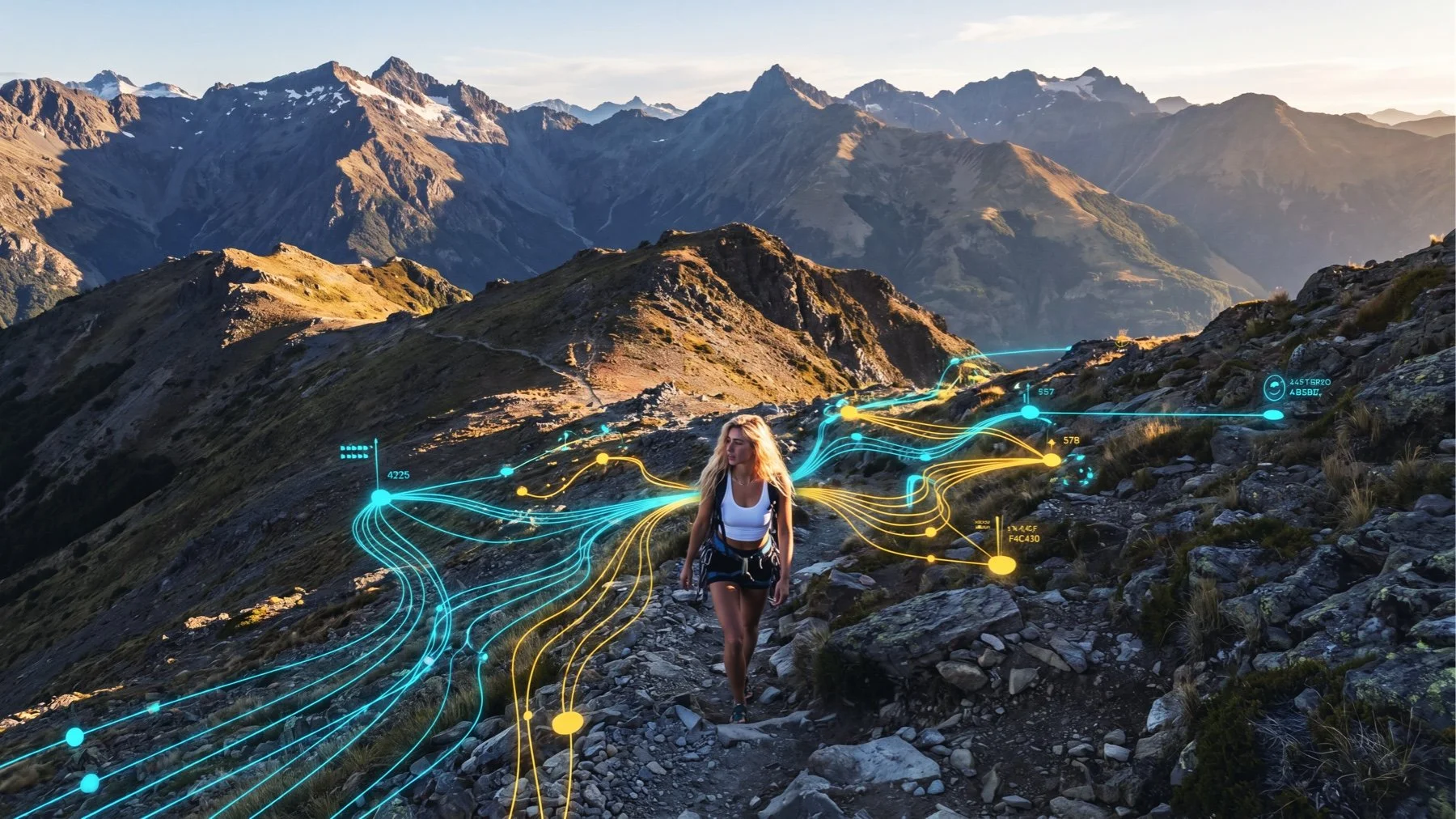
Most content creation for outdoor brands follows the same tired script. Beautiful sunrise photographs. Influencers rappelling down cliffs. Ambient shots of tents pitched on white sand. Serene. Inspiring. Completely ineffective.
The problem isn't the aesthetics. It's the strategy. Outdoor brands have spent years chasing the visual equivalent of performance specs, assuming that if the image is stunning enough, buyers will simply appear. They won't. What converts outdoor brand content isn't another golden-hour shot. It's specificity. It's clarity on why someone should buy your product instead of the fifteen competitors offering the same experience. And it's proof that your product actually delivers.
This post walks you through a framework that outdoor brands can use to move beyond the aesthetic obsession and build content that sells. It's built on three pillars. Show how your product works. Prove it works with real results. Build a community of people around it. Call it the Use-Proof-People framework, and it's how the strongest outdoor brands are winning right now.
Why Most Content Creation for Outdoor Brands Fails
Let's be direct. Most outdoor brands aren't failing because their content isn't beautiful. They're failing because their content doesn't answer the question the buyer is actually asking.
A buyer looking at a new backpack doesn't want to see it silhouetted against a mountain at sunset. They want to know if the straps will dig into their shoulders on hour eight of a backcountry trip. They want to know if the waterproofing holds up in Pacific Northwest downpour. They want to know if it's actually worth three hundred dollars.
Same goes for outdoor apparel. The brand that wins isn't the one with the most photogenic model. It's the brand that shows you how the fabric moves, how the fit handles real conditions, and why someone who actually uses the product in extreme environments chose it.
The secondary problem: outdoor brands treat all buyers the same. Consumer-facing content gets the same treatment as trade content. B2B buyers (retailers, distributors, serious operators) need different proof points than weekend warriors. A content creation strategy that treats them identically will fail at both.
The Use-Proof-People Framework
This is the framework. Three layers. Execute them in order.
Use: Show How It Works
The first job of content creation for outdoor brands is to demonstrate actual use. Not aspirational use. Not lifestyle use. Functional use.
What does the product do. How does it perform. What's the specific job it does better than the alternative.
For a technical backpack, this means detailed walkthroughs of the compartment system, the frame design, the weight distribution, the ventilation. For apparel, it's how the fabric stretches, breathes, dries, moves. For outdoor food products, it's palatability, caloric density, ease of preparation in the field, shelf stability.
The format doesn't matter as much as the specificity. Video works. Detailed blog posts work. Comparison charts work. What doesn't work is the assumption that the buyer already knows what they're looking at. They don't.
Proof: Build Credibility
Proof isn't testimonials from paid ambassadors. It's results from people who have no financial incentive to lie.
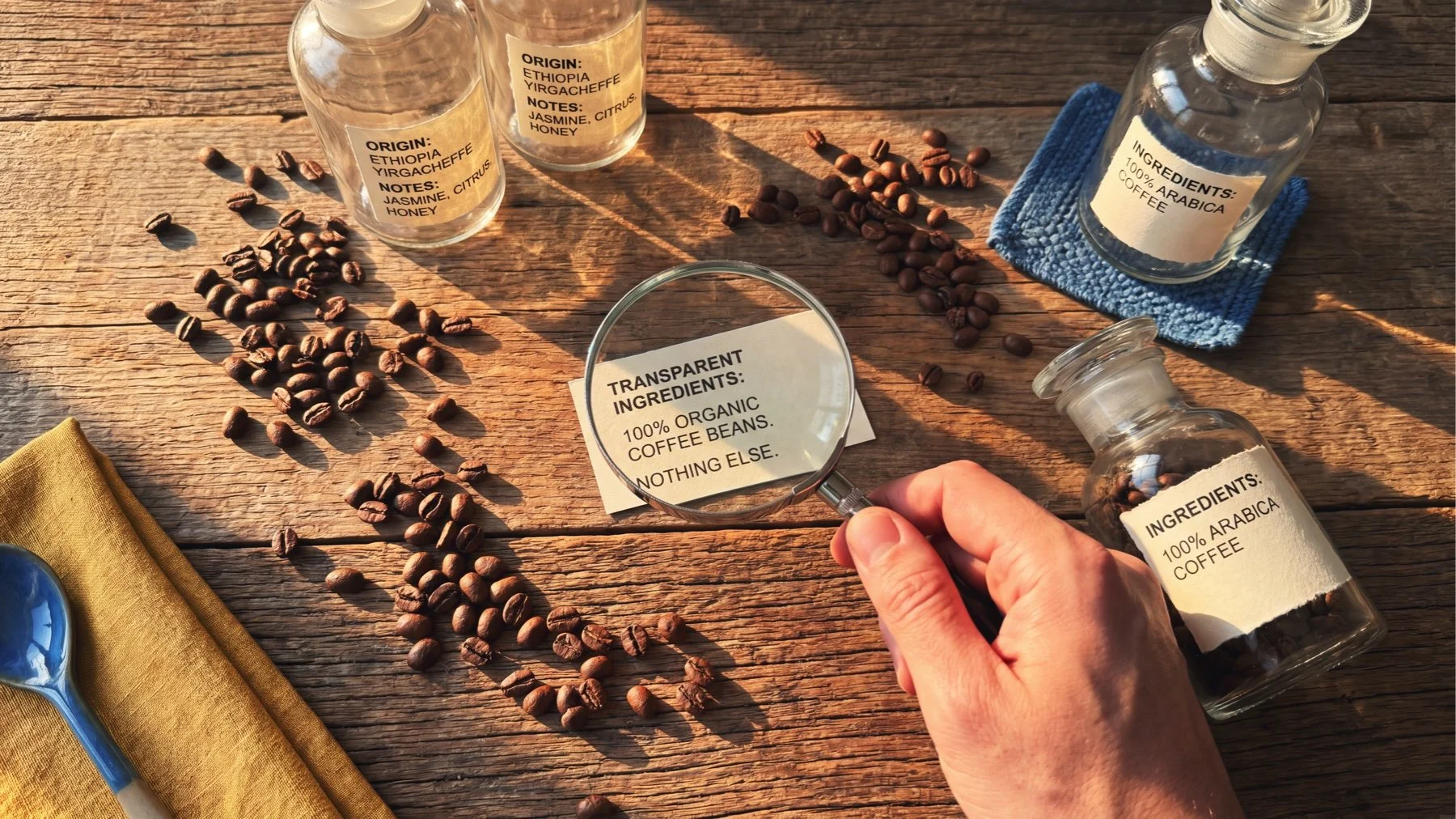
Real data points. If your outdoor gear performs better in cold weather, show the test results. If your apparel fits better through the chest and shoulders, show side-by-side comparisons with the competition. If your food product lasts longer on the shelf, show the shelf-life test. If your equipment is lighter, show the weight spec.
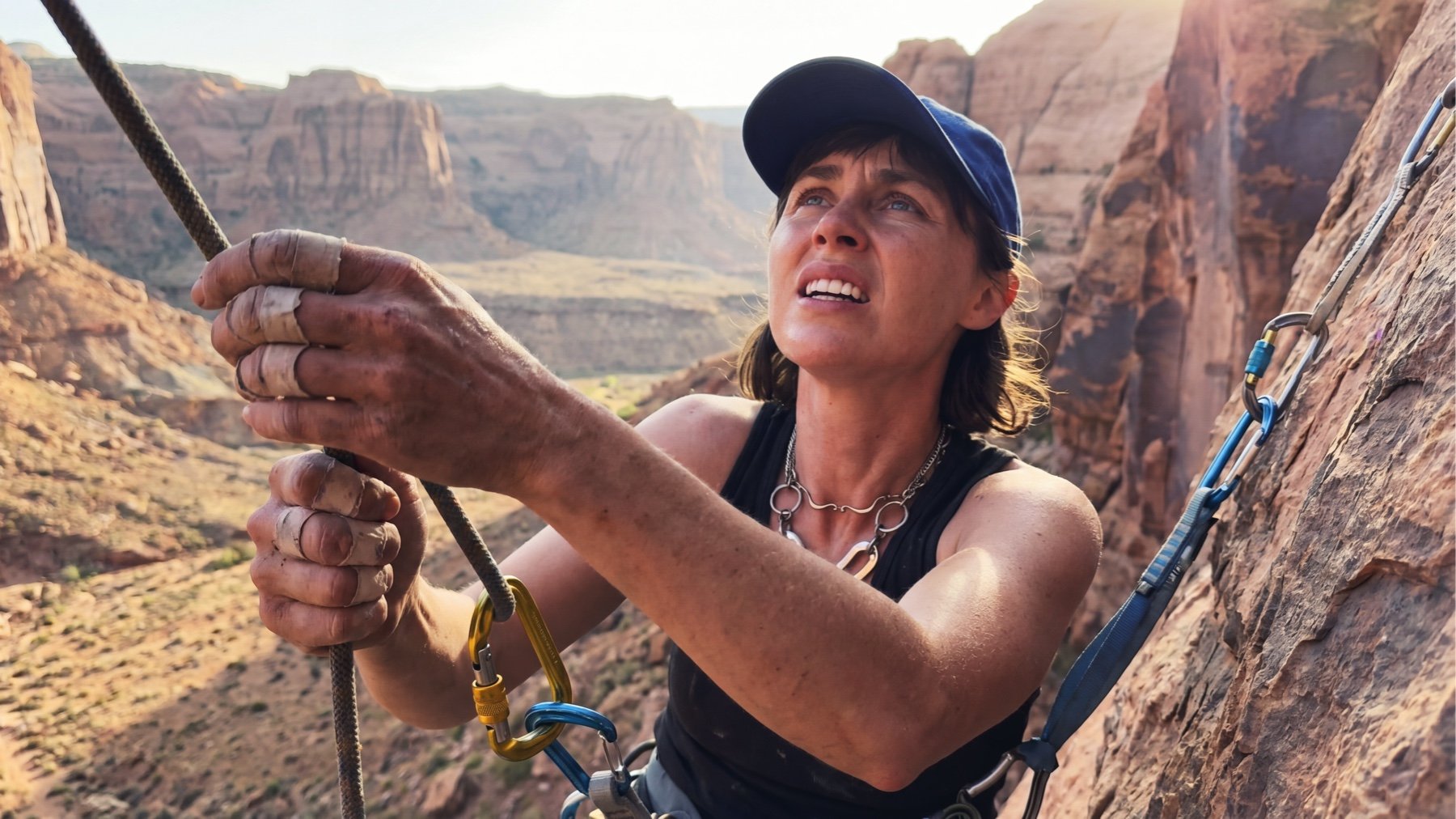
Then back it up with voices from actual users. This is where user-generated content, customer reviews, and community feedback become critical. A customer who posts a photo of your backpack on a real expedition, with a real breakdown of how it performed, is worth ten influencers who've never left pavement.
The trust is in the specificity and the honesty. If a customer says "the waterproofing failed at 8,000 feet in heavy rain," and your brand responds with what you did to fix it, that conversation sells more than any perfectly composed imagery.
People: Build Identity and Community
The third pillar is community. Not followers. Not engagement metrics. Actual community.
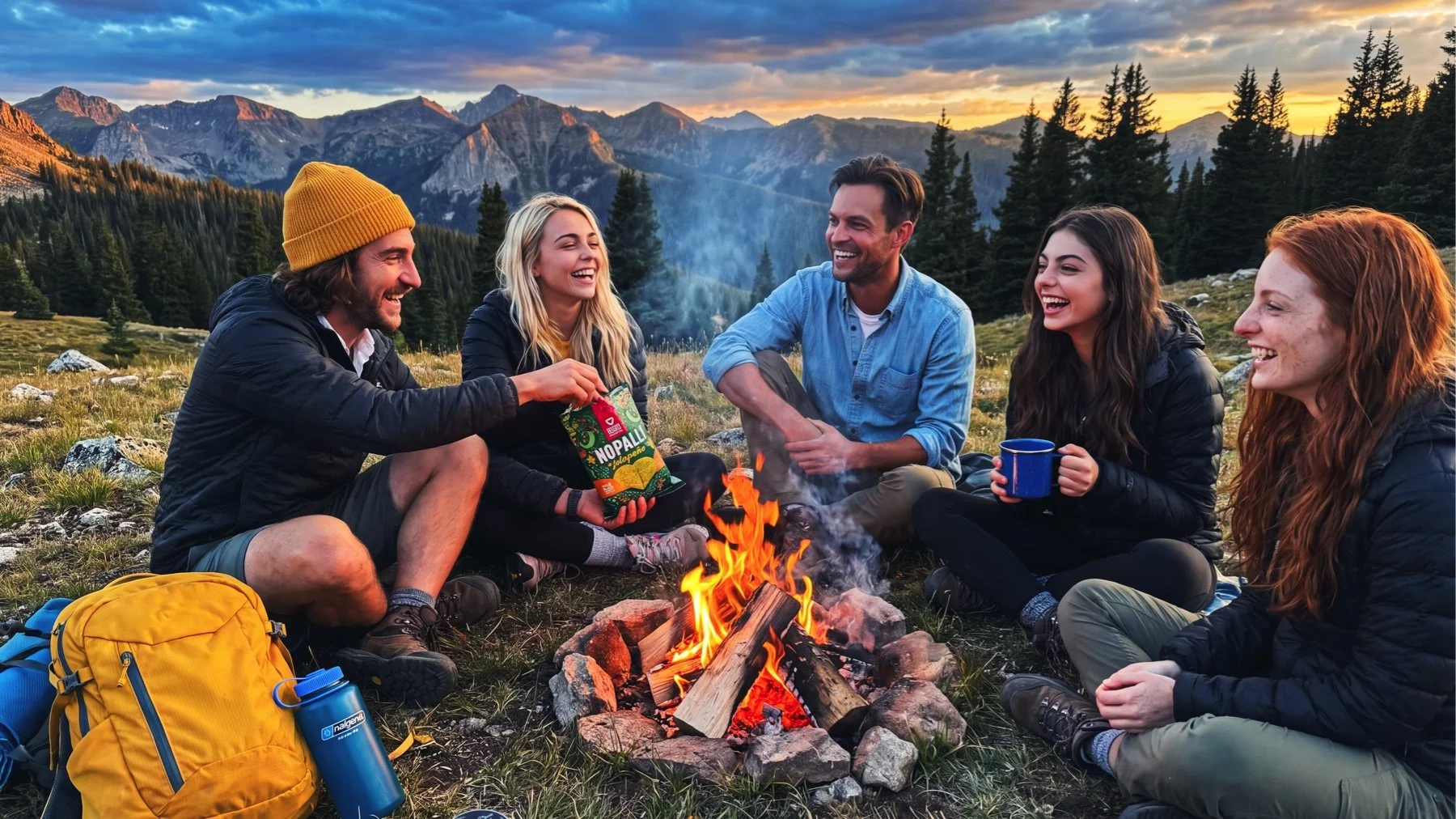
Outdoor brands that win are those where customers see themselves in the brand. They see people like them using the product. They see their values reflected. They see opportunity to belong to something.
This is where content creation for outdoor brands shifts from educational to relational. You're no longer just showing how the product works. You're showing who uses it, why they're passionate about it, and how it fits into their identity.
For outdoor lifestyle and food brands especially, this is where you build loyalty. A customer who sees themselves as part of the community will stick with you even when a competitor has a marginally better product. They'll choose you because they feel ownership.
A Real Example: The Ultralight Snack Brand
Let's ground this in concrete.
Imagine a small outfit making ultralight, high-protein trail snacks. They make a peanut butter bar that weighs two ounces, delivers 15 grams of protein, has a year shelf life, and stays soft in cold weather.
Most brands would market this with lifestyle photography. Athletes on summits. Perfect golden hour light. Overhead flat-lay shots of the bar next to a stunning vista.
But here's what actually moves the needle.
Use layer: Post detailed walkthroughs of the nutrition breakdown, the cold-weather performance test (other bars freeze and become inedible, theirs stays soft), the shelf-stability data. Show video of the bar being eaten at altitude, on a real climb. Show the weight comparison versus leading competitor bars. Make it boring and specific.
Proof layer: Partner with actual ultralight backpackers, mountaineers, and endurance athletes who are already using the product. Film them talking about the moment when they realized the bar actually performs better than what they used to carry. Collect and amplify customer reviews that cite specific performance improvements. Get the data. If 500 of your customers are ultramarathoners, say so. If your repeat purchase rate is 75%, that's a proof point.
People layer: Build a community of users. Monthly challenges. A private community group where users share trips, routes, experiences. Highlight different customer stories. Create the narrative that this brand makes the default bar for serious lightweight backpackers. Make it identity work, not just product marketing.
That combination moves the needle. It's not aesthetic. It's strategic.
Content Creation for Outdoor Brands Across Verticals
The framework adapts across verticals. The principles stay the same.
Outdoor Gear (backpacks, tents, climbing equipment): Focus Use content on durability, weight, functionality. Proof comes from performance testing, comparative reviews, long-term user testimonials. People layer is the community of serious users who demand excellence.
Outdoor Apparel: Use content shows fit, movement, fabric performance. Proof is side-by-side movement tests, fit comparisons, athlete endorsements from real athletes (not models). People layer is identity and values (sustainability, performance obsession, minimalism).
Outdoor Experiences (guides, tours, retreats): Use content shows what's included, the expertise of guides, what to expect. Proof is customer testimonials, safety records, exclusive access points. People layer is the community of adventure seekers and the identity of being part of something exclusive.
Outdoor Food & Beverage: Use content is nutrition, taste, convenience, longevity. Proof is nutrition testing, blind taste tests, real-world performance (how does it taste after three weeks in a pack?). People layer is the community of athletes, adventurers, and nutritionists who validate the product.
FAQ: Content Creation for Outdoor Brands
Q: What's the biggest mistake outdoor brands make with content creation?
A: Prioritizing aesthetics over specificity. A sunset photo is not a content strategy. Clarity on how and why your product solves a specific problem is.
Q: Should outdoor brands focus on consumer content or B2B content?
A: Both. But the B2B content should be different. Retailers and distributors need sell-through proof, margin clarity, and supply chain reliability. Consumers need product benefit and community. Don't use the same content for both audiences.
Q: How do we measure if our content creation is working?
A: Not by follower count or engagement rate. Measure by sales velocity, repeat purchase rate, customer acquisition cost, and community size. If your beautiful Instagram feed isn't converting to actual orders, it's not working. Full stop.
Q: What's the most scalable format for content creation for outdoor brands?
A: Written content that explains functionality with supporting visuals. Blog posts with comparisons, walkthroughs, and spec breakdowns are cheaper to produce at scale than video, and they perform better for SEO and search intent. Video works for the People layer. Writing works for Use and Proof.
The Bottom Line
Content creation for outdoor brands doesn't require the biggest budget, the most followers, or the best photographers. It requires clarity. Show how your product works. Prove it works with real data and real voices. Build community around it. That combination converts.
Most of your competitors are still chasing the sunset. You won't be.
I help outdoor lifestyle and clean-label food brands build real organic communities through strategy, content, and brand storytelling. If your content feels busy but ineffective, that is the problem I fix. Follow me @gallucciNET on social media.

adage, emmy, telly & webby award-winning digital marketing consultant for purpose-driven food & beverage brands.