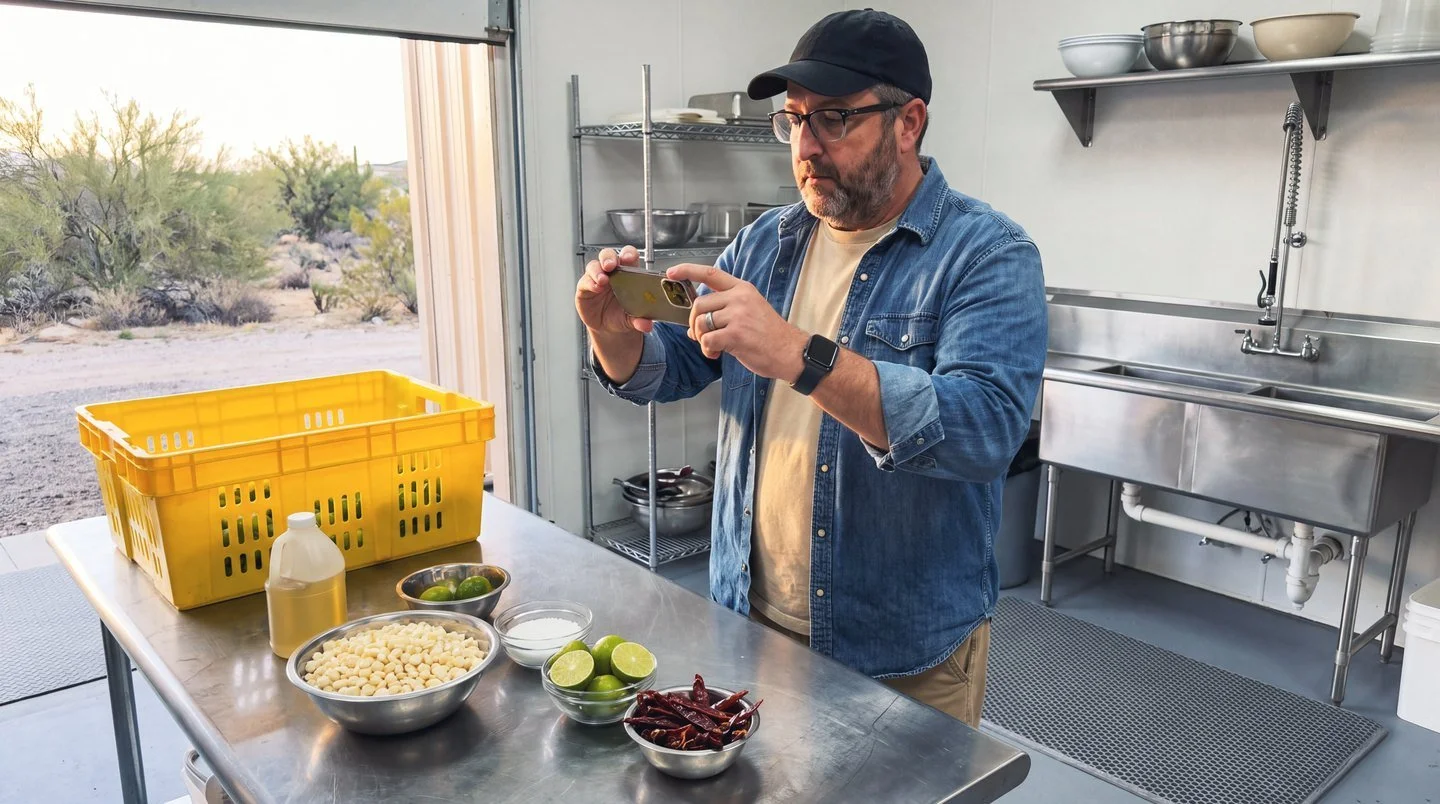
Social Media for Clean-Label Food and Beverage Brands: Credibility Over Follower Counts
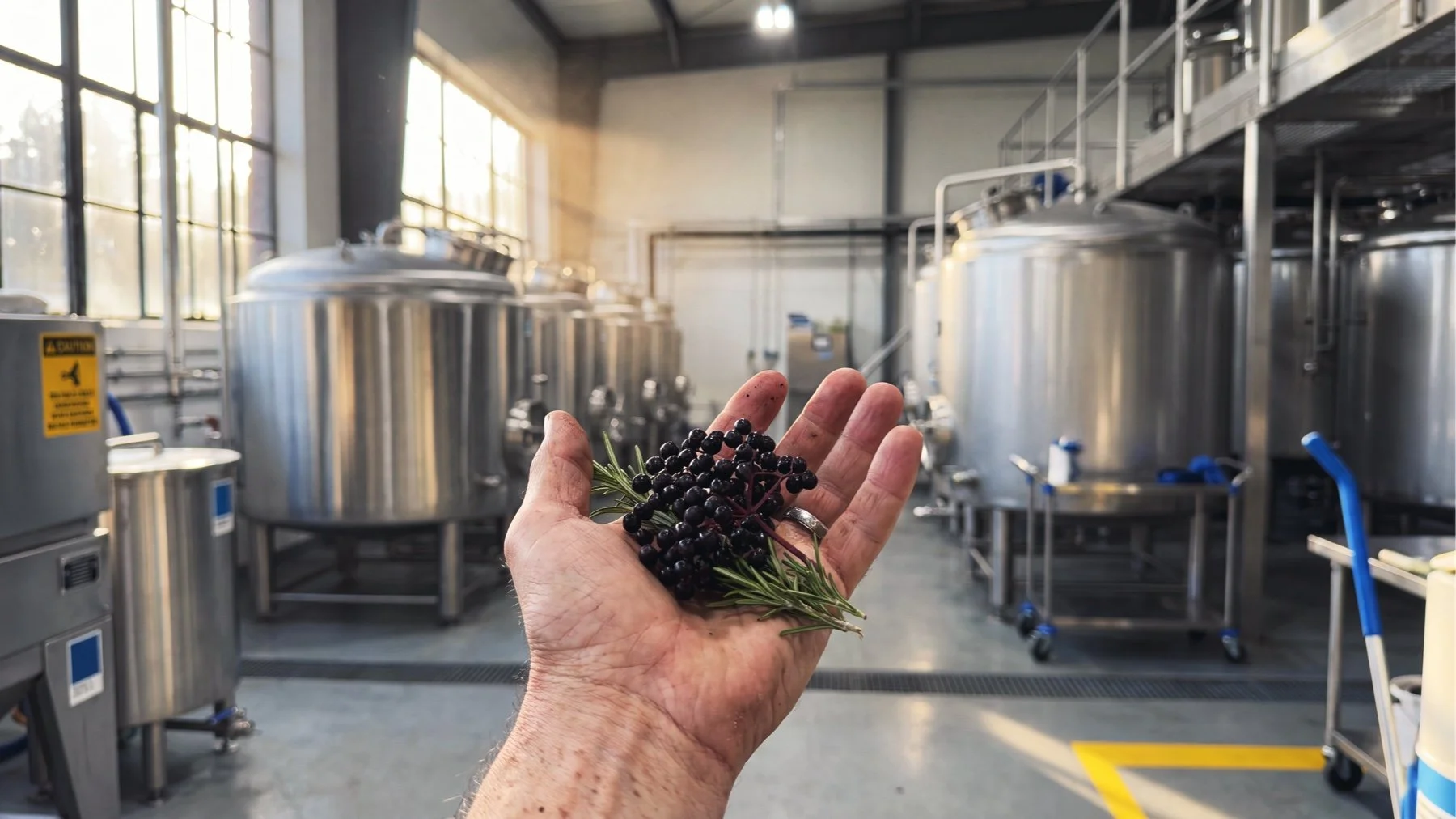
Social media for clean-label food and beverage brands isn't about follower counts or posting daily. It's about credibility architecture. Most brands in this space treat social like a broadcast channel. They post product photos, carousel ads, and testimonial reels while their competitor's founder is answering direct messages at 10 PM and building actual relationships with buyers.
The difference isn't effort. It's strategy.
Clean-label and natural food brands face a unique pressure: their buyers are skeptics by design. They read ingredient labels. They research suppliers. They vote with their wallets based on values. Social media for clean-label food and beverage brands must reflect that rigor, or it signals weakness. Most brands are failing because they're treating social like a compliance channel instead of a credibility platform.
The Authenticity Tax: Why Most Clean-Label Brands Fail at Social Media
Social media for clean-label food and beverage brands fails for one reason: brands assume their product story is enough.
It isn't.
A $40 organic cold-pressed juice with a 15-ingredient story beats a $12 conventional competitor on quality every time. But on Instagram, the conventional brand wins because it posts 4x per week with user-generated content, founder anecdotes, and a clear point of view. The clean-label brand posts twice a month with product shots.
Inbound is dead. Attention is the currency now. Clean-label brands are leaving money on the table because they're treating social media like a marketing tax instead of a business development tool. They're losing wholesale accounts to brands with weaker products but stronger marketing discipline.
Here's the uncomfortable truth: most clean-label brands have better products but worse social strategies.
The Three-Pillar Clean Authenticity Method
Here's what actually moves the needle for social media for clean-label food and beverage brands at scale.
Pillar 1: Ingredient Credibility
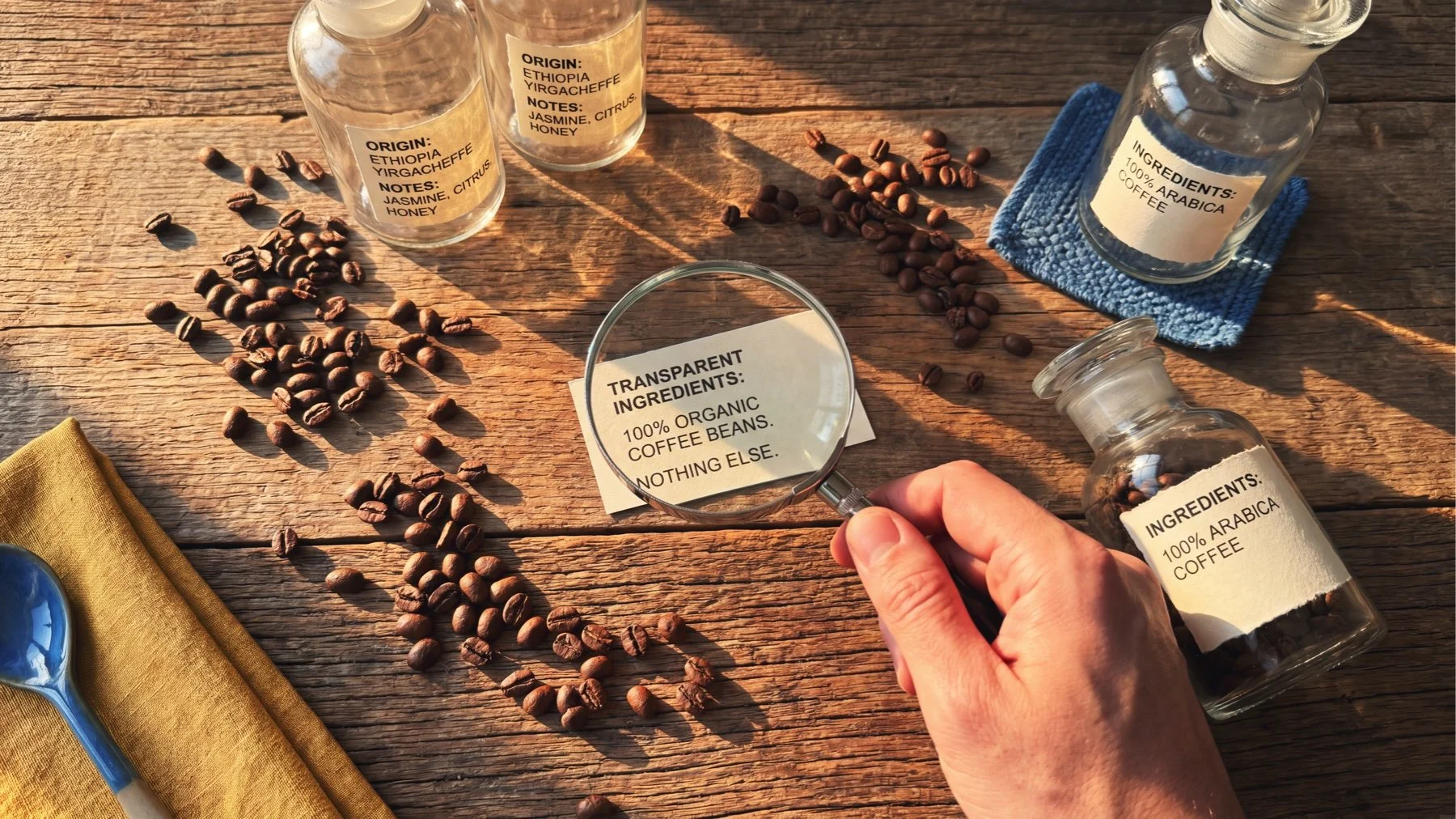
Your audience wants proof, not promises. Show your sourcing. Name your suppliers. Post photos from your production facility or your partner farms. Transparency isn't a nice-to-have. It's your competitive advantage.
A single post showing your cold-chain logistics, your USDA certifications, or your third-party testing protocols reaches buyers who are already predisposed to care. These aren't broad-reach posts. They're high-intent posts for your actual market.
Specific tactics:
1. Post from your facility or supplier sites monthly
2. Tag your supply partners (they'll share, amplifying reach)
3. Document your certifications and compliance work
4. Respond to ingredient questions with detailed, cited answers
5. Share third-party test results and quality metrics
Pillar 2: Founder Voice
Retail buyers, restaurant operators, and C-suite execs don't follow brands. They follow people they trust. Your CEO, your head of operations, your lead nutritionist. Post their opinions. Document their work. Let them take a contrarian position on an industry trend.
The moment your founder becomes a recognizable voice in the category, your brand becomes defensible. Social media for clean-label food and beverage brands works because people, not logos, build loyalty. When your founder answers a DM from a curious buyer instead of routing it to a social manager, that's when the magic happens.
How to execute this:
1. Have your founder post 1-2 pieces of content per week (opinions, Q&A, industry takes)
2. Reply directly to comments in your category (no delegation)
3. Feature team members solving real problems (production challenges, sourcing innovations)
4. Go live occasionally to discuss industry trends or answer buyer questions
5. Let leadership have a distinct voice, not corporate-approved messaging
Pillar 3: Earned Media Leverage
Awards, certifications, third-party validations, and press coverage are social gold for clean-label brands. A mention in Whole Foods' buyer newsletter, a feature in a clean-living publication, or a certification achievement reaches your exact audience. Repost it. Quote it. Analyze it.
This isn't self-promotion. This is social proof at scale. Every award your brand wins is a marketing asset you should deploy across social for the next 12 months.
A Real Example: The Kombucha Brand That Scaled to $40M Revenue
A kombucha company in the Pacific Northwest spent 18 months building social media for clean-label food and beverage brands the wrong way. They posted product close-ups, lifestyle shots of their founder in a field, and carousel ads about probiotics. Organic reach was flat. Wholesale inquiries weren't moving.
Then they pivoted based on one insight: their actual buyers cared about production quality, not aesthetics.
They started posting fermentation timelapse videos. They documented their SCOBY farm and ingredient sourcing. They invited a food scientist to go live and debate the actual health claims in their marketing. They featured supply chain stories and tagged their organic sugar supplier.
Within 6 months, their organic reach doubled. Their DM inquiries from wholesale buyers tripled. Their conversion rate on wholesale inquiries improved because buyers felt they understood the brand's operations and values.
What changed? They treated social as a content strategy, not a posting schedule.
Social Media for Clean-Label Food and Beverage Brands: Platform-Specific Strategies
Different platforms reward different behaviors. Here's how to think about each.
LinkedIn (B2B Buyers, Operators, Investors)
Post thought leadership. Share industry takes. Publish long-form articles about your supply chain strategy or your scaling challenges. B2B buyers hang out here. They're researching vendors. Social media for clean-label food and beverage brands on LinkedIn means positioning yourself as a category authority, not a cheerleader for your product.
What works:
- Thought leadership from C-suite (CEO, COO, Chief Quality Officer)
- Long-form posts (150-500 words) about industry trends
- Case studies on production improvements or supply chain innovations
- Data and research shared from your operations
Instagram (Retail Buyers, Influencers, DTC Consumers)
Reels and Stories drive discovery. Post behind-the-scenes content. Use carousel posts to educate on ingredient sourcing. Tag your suppliers and partners. Make social media for clean-label food and beverage brands about community and transparency, not pure aesthetics.
Insta-specific tactics:
1. Weekly Reels showing your production, sourcing, or team
2. Stories featuring your suppliers or facility tours
3. Carousel posts educating on your ingredients or certifications
4. Tag your supply partners (create a referral loop)
5. Respond to every DM from wholesale buyers within 2 hours
TikTok (Younger Consumers, Early-Adopter Food Buyers)
Show the unpolished side. Trend-jack with values alignment. A 15-second video of your founder explaining why you didn't use a certain preservative can outperform a $5k ad spend. TikTok thrives on authenticity and speed. Most clean-label brands are still posting Instagram content when TikTok requires daily, fast, unpolished shots.
FAQ: Executive Questions on Social Media for Clean-Label Food and Beverage Brands
Q: How many posts per week do we need to see ROI from social media for clean-label food and beverage brands?
A: Quality over quantity. Three high-value posts per week (sourcing stories, founder insights, third-party validation) will outperform seven generic product posts. Most brands post too much and say too little. Your wholesale buyers aren't scrolling hoping something lands. They're checking social to validate a decision they've already half-made.
Q: What's the fastest way to build credibility for a new clean-label brand on social?
A: Earned media and certification announcements. If you just got USDA Organic, Non-GMO Project Verified, Regenerative Organic Certified, or B-Corp certification, that's your first 10 posts. Your audience cares about external validation more than your internal story. A third-party seal matters more than your brand story.
Q: Should we hire an influencer for social media for clean-label food and beverage brands?
A: Only if they have a genuine relationship with your category and audience. A wellness influencer with 500k followers in fitness is not your buyer. A micro-influencer with 15k followers in clean-label food or natural retail is worth 10x more. Alignment beats reach every time. Your budget should go to micro-influencers in natural food retail, nutrition, and sustainable living.
Q: How do we measure success on social media for clean-label food and beverage brands?
A: Track wholesale inquiries, retail conversations initiated via social, and wholesale rate growth. Vanity metrics (likes, shares, follower count) are noise. The only metric that matters is business impact. Do your social channels influence buying decisions at scale? Are retail buyers citing your social presence as a factor in their decision?
The Contrarian Take: Stop Chasing Authenticity, Start Building Authority
Most social media for clean-label food and beverage brands advice tells you to "be authentic." But authenticity without strategy is just noise. Your brand has a story that most of the market will never hear because you're not putting it in front of the right people in the right format.
Double down on the parts of your story that differentiate you in the market. Your supply chain is boring to most people. It's fascinating to your actual buyers. Your facility tour is irrelevant to casual consumers. It's critical intelligence to a retail buyer evaluating you for shelf space.
Stop trying to appeal to everyone. Your social media for clean-label food and beverage brands should feel niche, specific, and slightly inaccessible to people outside your market. If someone from outside the food industry finds your feed boring, you're doing it right.
Conclusion: Build Credibility, Not Followers
Social media for clean-label food and beverage brands works when you stop thinking about reach and start thinking about authority. You're not trying to go viral. You're becoming the brand that informed buyers trust. That means showing your work, showcasing your people, and leveraging every certification and award you've earned.
Over 18 months, this approach builds a moat that discounting and distribution alone can't create. Your social channels become a business development tool, not a marketing expense.
The brands winning at social media for clean-label food and beverage brands right now aren't the ones with the most followers. They're the ones with the clearest point of view and the most transparent supply chain. They're the ones whose founders are accessible, knowledgeable, and willing to take a position. That's what creates competitive advantage when product quality is already table stakes.
Start with one pillar. Master ingredient transparency or founder voice or earned media leverage. Then layer in the second. Your competition is still posting product photos hoping something lands. You'll be building credibility at scale.
I help outdoor lifestyle and clean-label food brands build real organic communities through strategy, content, and brand storytelling. If your content feels busy but ineffective, that is the problem I fix. Follow me @gallucciNET on social media.

adage, emmy, telly & webby award-winning digital marketing consultant for purpose-driven food & beverage brands.