The Real Social Media Marketing Strategy for Clean-Label Brands
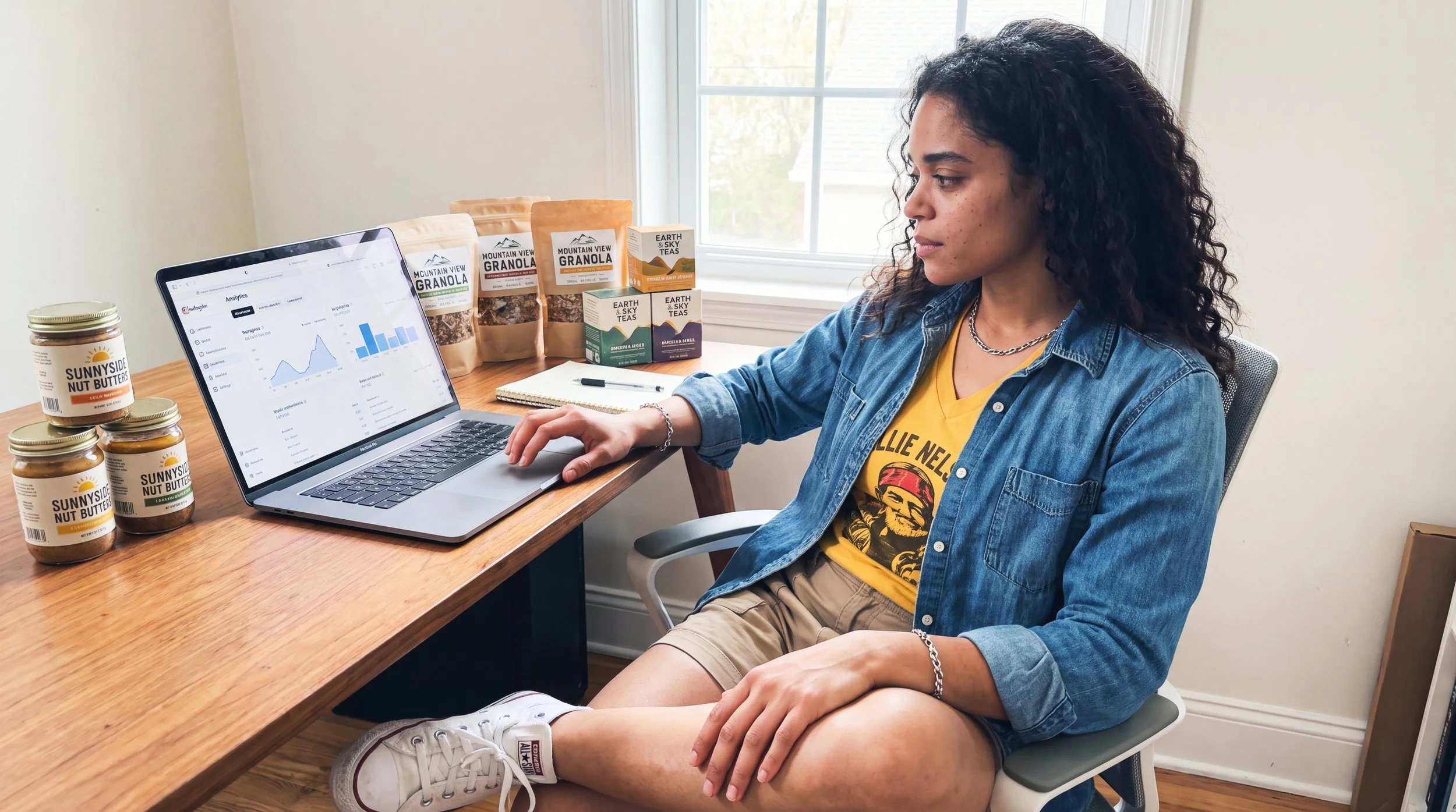
Most organic and natural food brands are competing on the wrong metric. They chase reach, engagement rate, and trending sounds like commodity brands. But premium, transparent brands don't win that way. They win on trust, narrative, and authenticity. Here's how to actually market a clean-label brand on social media.
Why Commodity Social Media Doesn't Work for Premium Brands
The playbook for mainstream food marketing is simple: big reach, high volume, mass-appeal content. Commodity food brands win by being everywhere, talking to everyone, and riding cultural moments.
Clean-label brands can't play that game. Your cost structure is different. Your customer is different. Your positioning is different. Your story is different.
Across dozens of clean-label and organic brands I've worked with, the pattern is always the same: they try to compete on the commodity playbook and fail. They chase follower count. They optimize for algorithm. They push paid reach. They compete on entertainment value. And their ROI stays flat.
Why? Because a person scrolling TikTok looking for entertainment is not your customer. A person engaged by a trending sound is not looking to spend premium prices on nut butter. The metrics that matter for Doritos don't matter for your brand.
The brands that win in the clean-label space do something radically different: they stop optimizing for reach and start optimizing for understanding.
The Transparency-to-Trust Framework
Premium food brands win on social by building a clear, repeatable narrative. Here's how it works.
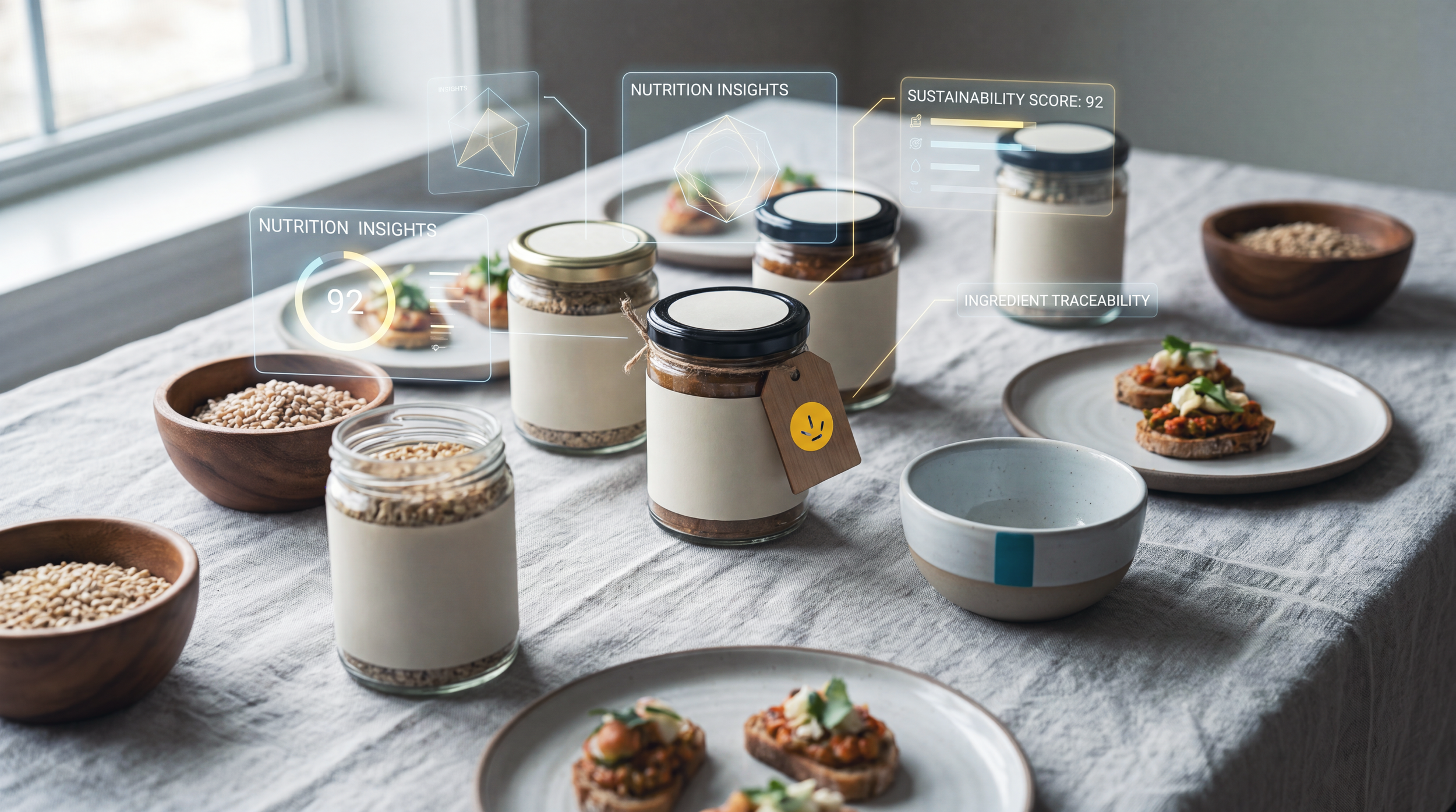
Transparency (Show Your Work)
Your customers are skeptical. They should be. The natural and organic category has been greenwashed to death. Natural is barely regulated. Organic has a meaning, but so many brands claim it.
Transparency is your moat. Show your sourcing. Show your process. Show your founder's decisions. Show the problem you solved and why.
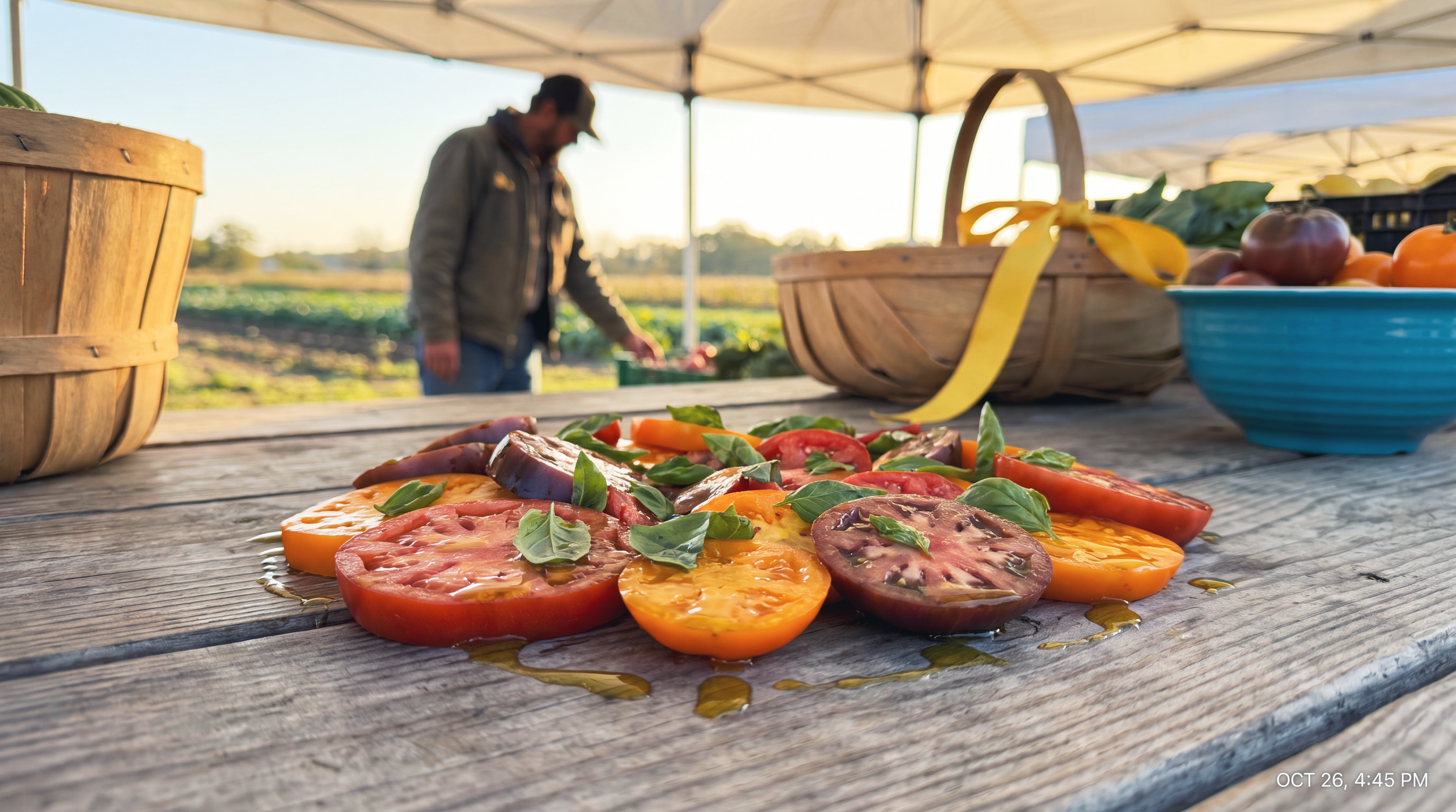
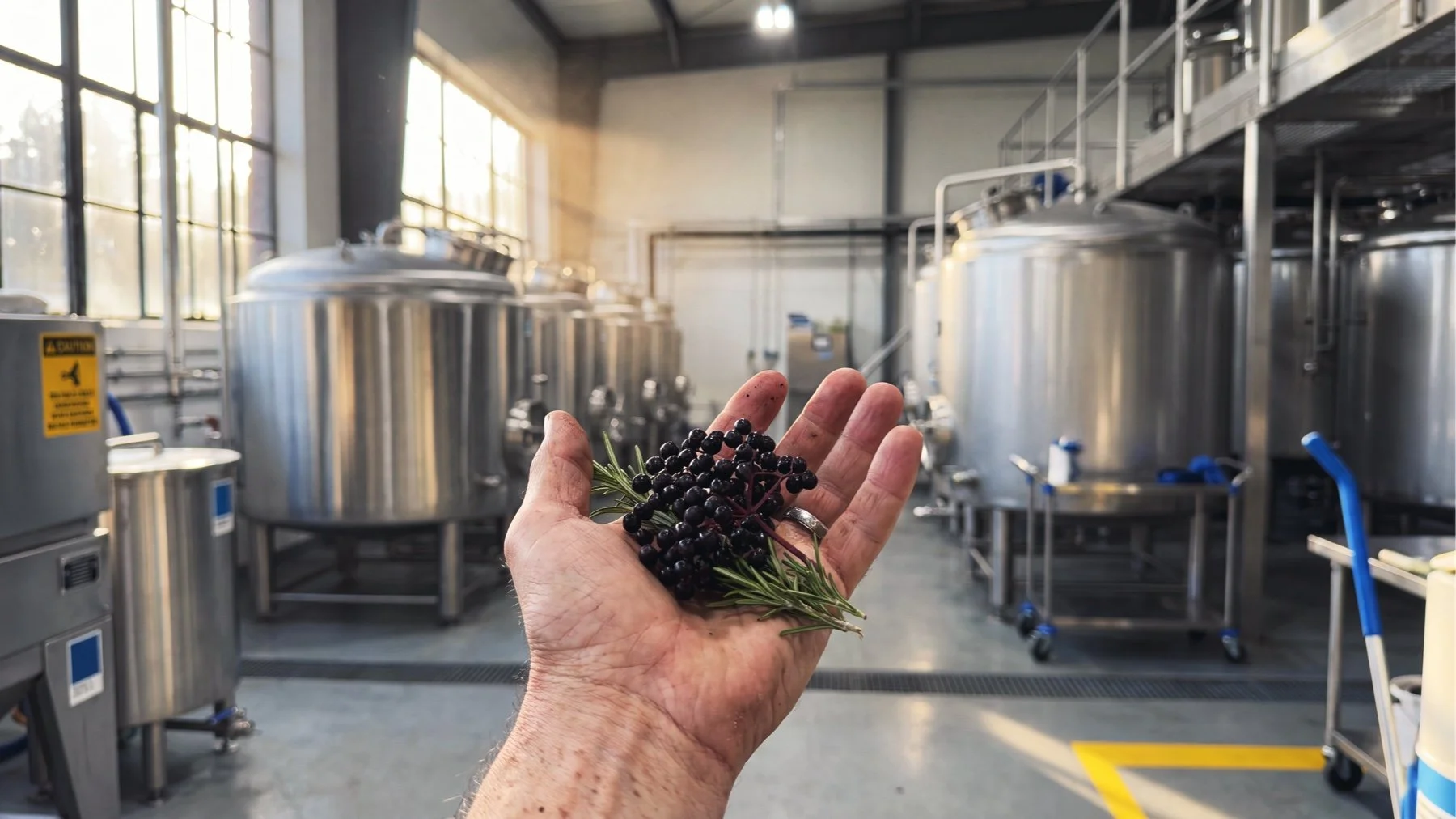
This doesn't mean every post is a lecture. It means your content strategy includes a regular thread of "here's who we are and why we do this." Behind-the-scenes. Farm-to-table footage. Ingredient spotlights. Founder commentary on industry BS.
The goal: your audience knows your story better than they know your competitors' stories.
Trust (Build Skepticism Resistance)
Trust is not a single post. It's built over time by showing up consistently and responding authentically.
On social, this means:
- Respond to skeptical comments seriously, not defensively.
- Answer the hard questions: Why is your product more expensive? What makes you different from the brand at Whole Foods next to you?
- Share third-party validation: certifications, testing results, third-party reviews, customer testimonials.
- Admit what you're not: you're not the cheapest, you're not for everyone, you're not a magic bullet.
Brands that only post promotional content and delete critical comments lose trust. Brands that engage skeptics directly and answer hard questions build an audience that believes them.
Narrative (Own Your Position)
What's your point of view? Not "we're organic" (everyone says that). What's the belief that separates you from other organic brands?
Is it about regenerative agriculture? Transparent pricing? A specific sourcing commitment? A stance against a particular industry practice?
The strongest clean-label brands own a narrative that competitors can't copy easily. They position themselves not just as better, but as different in a way that matters to the right customer.
This narrative becomes your content strategy. Every post, video, and campaign comes back to this belief. It's not random content. It's a coherent story told across channels.
A Real Example: Premium Snack Brand, Real Results
I worked with a clean-label snack brand (name withheld) doing $2M annual revenue, selling through natural retailers and online. Their social media was 40K followers across platforms with mediocre engagement and no clear ROI.
The problem: they were posting 3-4 times per week with a mix of recipe content, product shots, wellness tips, and trending sounds. They looked like every other health-food brand.
We rebuilt their strategy around transparency and positioning:
1. They picked a narrative: they sourced ingredients only from suppliers they had visited personally. Every ingredient had a story. This was unusual and true.
2. They committed to weekly Sourcing Stories (real photos and video from farms and suppliers, founder voice, sometimes uncomfortable truths like why they had to raise prices, or why they dropped a supplier).
3. They responded to every skeptical comment with real answers. No auto-replies. No deletions.
4. They cut posting frequency to 2x per week but made every post more intentional.
Within 6 months: engagement rate went up 3x. Reach stayed similar, but the audience changed (higher quality, more purchase intent). They got press coverage. They got wholesale inquiries. Their email list grew.
The metrics that mattered: click-through rate to the website, email signups, message inquiries from potential retailers, repeat purchase rate among social followers. Not follower count.
Common Mistakes Clean-Label Brands Make
1. Competing on Follower Count
You will never out-reach the commodity brands. Stop trying. A competitor with 100K engaged followers beats a competitor with 500K passive followers every time.
2. Posting Without a Narrative
Random content about your product, wellness tips from the internet, and trend-chasing adds up to noise. A coherent point of view across posts adds up to brand. Pick one.
3. Treating Paid Social Like Reach
Paid ads for clean-label brands should not be optimized for impressions. They should be optimized for landing-page quality and intent. A small audience of buyers beats a large audience of browsers.
4. Hiding the Price or Positioning
If you act like your premium price is shameful, your audience will too. Own it. Explain it. Position it as a choice, not an apology.
5. Deleting or Ignoring Criticism
Healthy skepticism in your comments is your competitor's problem, not yours. Engage it.
FAQ: Social Media Marketing for Clean-Label Brands
Q: How should a clean-label brand measure social media success?
A: Not by follower count or vanity metrics. Measure: audience quality (are they your actual customers), click-through rate to your website, email signup rate, direct message inquiries from potential retail partners, repeat purchase rate among your social followers, and brand sentiment among engaged followers. If your audience is growing and cost-per-acquisition is falling, you're winning.
Q: What type of content actually converts for organic and natural food brands?
A: Content that answers a hard question (Why is this so expensive?), shows your process, features customer stories, or clarifies your positioning against competitors. Educational content (recipes, how-tos) performs okay but converts weakly. Opinion and story perform best.
Q: How do we compete with bigger brands on social?
A: You don't. You own a niche and own it completely. A local or regional organic snack brand will never beat General Mills for national reach. But it can own the narrative around regenerative agriculture, family-farming, or ingredient transparency better than anyone else. Narrow your audience, deepen your narrative, dominate your niche.
Q: Is TikTok, Instagram, or LinkedIn right for us?
A: Instagram and YouTube perform best for most food brands (high visual, demographic reach). TikTok works if your founder is willing to be on camera regularly and your audience skews younger. LinkedIn works only if you're B2B (selling to retailers, distributors, corporate clients). Start where your audience is, not where social-media experts say you should be.
I help clean-label food brands build real organic communities through strategy, content, and brand storytelling. If your content feels busy but ineffective, that is the problem I fix. Follow me @gallucciNET on social media.

adage, emmy, telly & webby award-winning digital marketing consultant for purpose-driven food & beverage brands.