The Social Media Strategy for Clean-Label Food and Beverage Brands That Actually Works
Most clean-label and organic food brands operate their social media strategy like mass-market consumer packaged goods companies. They chase viral moments, obsess over follower metrics, and push product shots to the widest possible audience. This approach fails for clean-label food and beverage brands because the audience and the buying psychology are completely different.
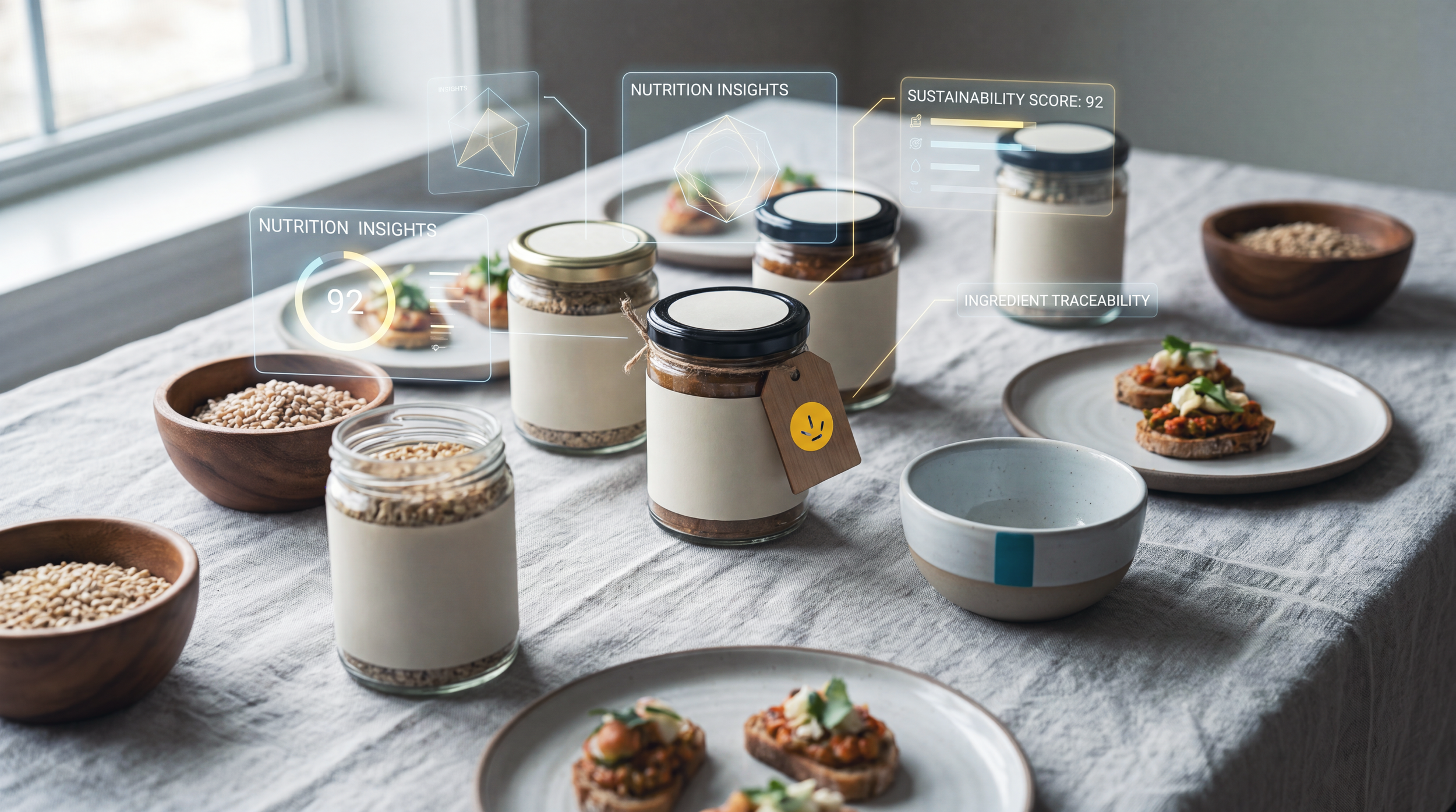
A social media strategy for clean-label food and beverage brands must be built on ingredient transparency, third-party verification, founder authenticity, and education-first positioning. Your audience isn't scrolling for entertainment. They're scrolling because they're evaluating whether to trust you with their family's food.
This matters because your customers are literally reading your ingredient labels on social. They're checking your certifications. They're asking tough questions in the comments. A generic playbook designed for mass-market brands will waste your time and money.
The Critical Difference: Clean-Label Audiences Are Trust Auditors
A social media strategy for clean-label food and beverage brands must acknowledge one hard truth: your audience is skeptical by default. They've been burned by greenwashing. They've read the FDA warnings. They know the difference between natural flavors and actual ingredients.
This changes everything about how you use social media.
Generic food brands build awareness. Clean-label brands build credibility.
Generic food brands push urgency and desire. Clean-label brands prove safety and integrity.
Generic food brands count engagement. Clean-label brands count trust signals.
Your audience isn't deciding whether to buy your product in a 6-second video. They're deciding whether your company is actually aligned with the values you claim. Social media for you is a trust verification mechanism, not an entertainment platform.
The CLEAN Protocol Framework: Five Pillars of Clean-Label Social Strategy
The most successful clean-label brands follow what I call the CLEAN Protocol. This is a framework specifically designed for transparent food and beverage companies building authority on social.
C: Credential Transparency
Show your third-party certifications early and often. USDA Organic. Non-GMO Project Verified. B Corp. Fair Trade. These aren't marketing fluff for your audience.they're proof points. Feature them prominently, link to what they actually mean, and explain why you pursued each one. Your audience is checking these things anyway. Beat them to it.
L: Label Storytelling
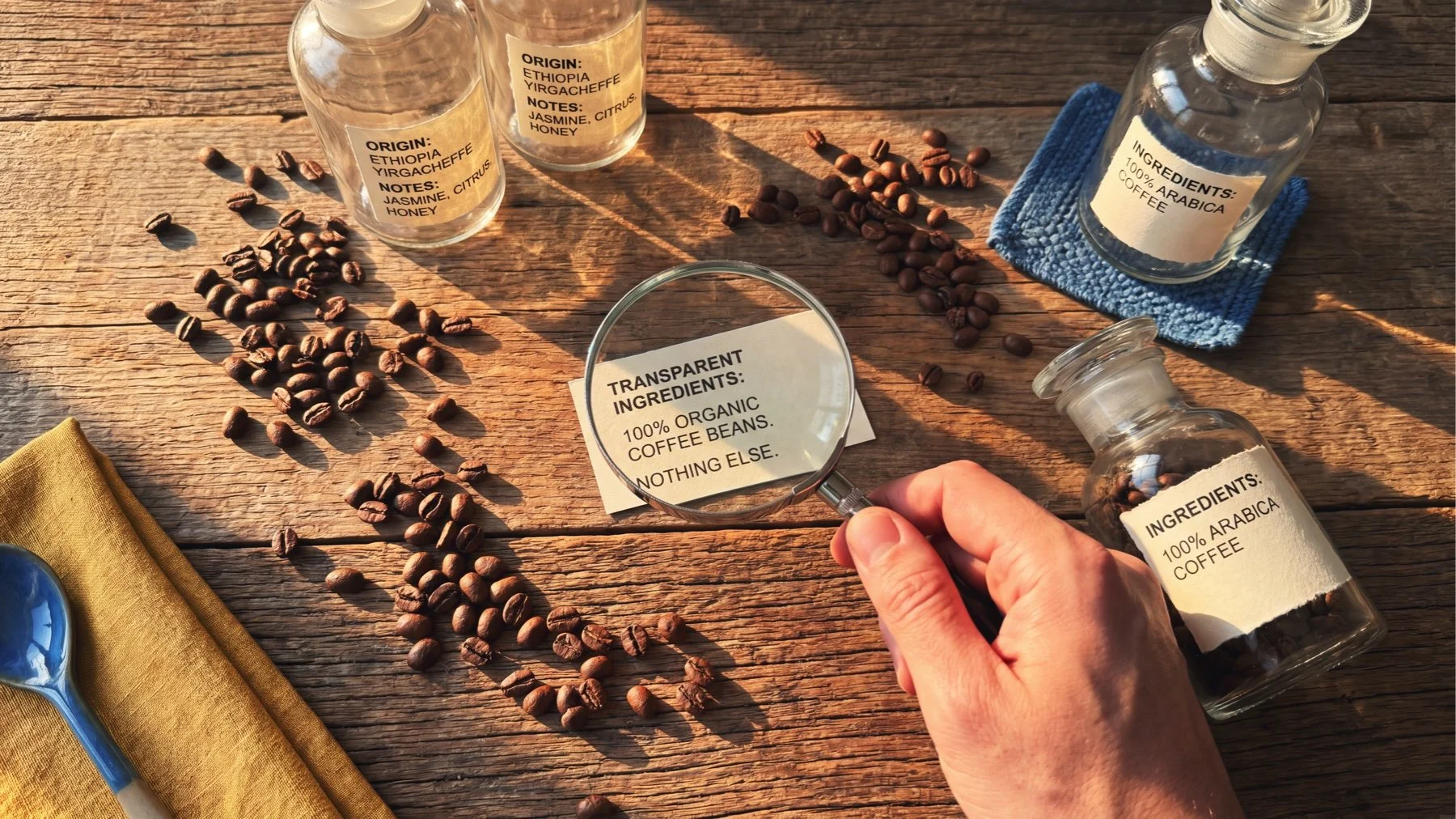
Your ingredient list is your most powerful asset. Most brands hide it. The best clean-label brands lead with it. Create content that walks through your label ingredient-by-ingredient. Explain sourcing. Explain why you chose that ingredient over cheaper alternatives. Explain what you explicitly chose NOT to use and why. This is the education-first positioning that builds real authority.
E: Earned Authority
Founder visibility matters more than influencer partnerships for clean-label. Show the actual people who built the company. Introduce the farmer, the food scientist, the supply chain manager. This isn't about creating a personal brand for vanity.it's about human verification. Clean-label customers want to know WHO is behind the decision-making, not which celebrity endorses the product.
A: Audience Education
Create content that teaches, not sells. This means understanding the actual questions your audience has. Do they know the difference between various certifications? Do they understand what clean label even means? Do they know how to read nutrition labels? Create content that answers these questions, and you'll build a community of educated advocates, not impulse buyers.
N: Narrative Consistency
Your social media story must align with your supply chain, your team, your values, and your product. If you claim sustainable sourcing on Instagram but you're chasing cost cuts on the actual product, your audience will catch the inconsistency. Social media can't patch over integrity problems. It only amplifies them.
The Contrarian Take: Follower Count Is Irrelevant
Here's the part where most social media consultants will disagree with me.
Your follower count doesn't matter. Stop measuring it.
For clean-label brands, a follower is useful only if they're a potential customer or a trusted advocate. A follower who's never going to buy your product and will never recommend it is a vanity metric that costs you time and energy to cultivate.
Instead, measure these:
- Conversion rate from social traffic to your website
- Repeat purchase rate from new social customers
- Trust signals in comments (ingredient questions, certification verification, distribution inquiries)
- Share rate of educational content (people teaching their network about clean labels)
- Direct messages asking where to buy
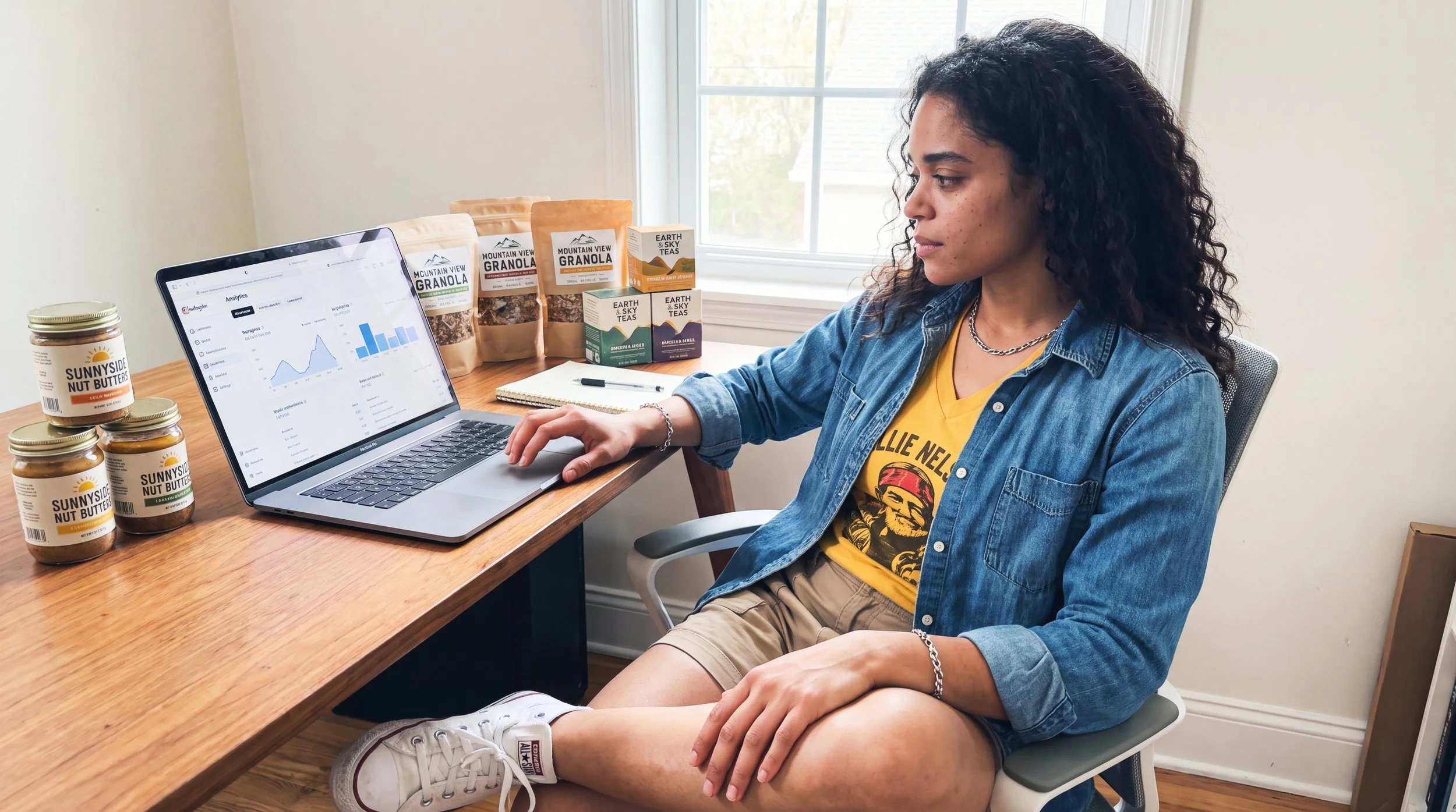
These metrics tell you whether your social media strategy for clean-label food and beverage brands is actually working. Follower count tells you nothing.
The brands we work with that generate 1M+ in annual revenue from social typically have 15K to 50K followers. The brands with 500K followers that are burning through customer acquisition spend with minimal repeat purchase have completely missed the point.
How to Implement This: Step-by-Step
Month 1: Audit and Clarity
Map your audience. Who are you actually trying to reach? Not everyone who eats. What are the top 15 questions they ask about your product? What third-party credentials do you have? What supply chain stories are you proud of? Document this.
Month 2: Content Pillars
Create a content calendar with four core pillars: Ingredient and label education. Founder and team visibility. Certification and credential stories. Customer education. Aim for 60/30/10: 60% educational, 30% brand story, 10% product promotion.
Month 3: Platform Focus
Don't spread thin across eight platforms. Pick two: typically LinkedIn (B2B decision-makers, retailers, distributors) and Instagram (consumer audience, visual storytelling). If your audience is on TikTok, add that. Master two before you expand.
Month 4+: Testing and Iteration
Track which content types drive trust signals. Double down on what works. Cut what doesn't. For clean-label brands, you'll find that long-form educational content and founder stories outperform product shots and trend chasing.
FAQ: Questions Your Team Is Already Asking
Q: How do I prove authenticity on social media when competitors claim the same things?
A: Third-party certifications and founder visibility are your proof. Competitors can claim anything. Let external validators do the heavy lifting. Put a real face to the company. Video of your founder explaining a sourcing decision beats a written claim every single time.
Q: Which social platforms matter most for a social media strategy for clean-label food and beverage brands?
A: Start with LinkedIn if your customers include retailers, distributors, or food service operators. Start with Instagram if you're direct-to-consumer. TikTok works if your audience skews younger and you have production capacity. Don't spread across all of them. Depth beats breadth.
Q: How often should I post content about ingredients and certifications without sounding boring?
A: Weekly minimum for ingredient storytelling. Make it visual and narrative-driven, not just text. Use video to show the actual ingredient sourcing. Use carousel posts to walk through labels step-by-step. The audience that needs this content won't find it boring.they'll find it reassuring.
Q: Do I need influencers for a clean-label social media strategy?
A: Not traditional influencers. You need aligned advocates: nutrition-focused creators, registered dietitians, sustainability advocates, chefs who source clean ingredients. Look for micro-influencers (10K to 100K followers) with genuinely engaged audiences in your category. Authenticity matters more than reach.
One Brand That Gets It Right: A Real Example
Consider the approach of brands in the grass-fed beef and regenerative agriculture space. They're not posting product shots. They're posting aerial drone footage of their pastures, monthly rotational grazing plans, soil health testing results, and interviews with the ranchers who actually raise the animals.
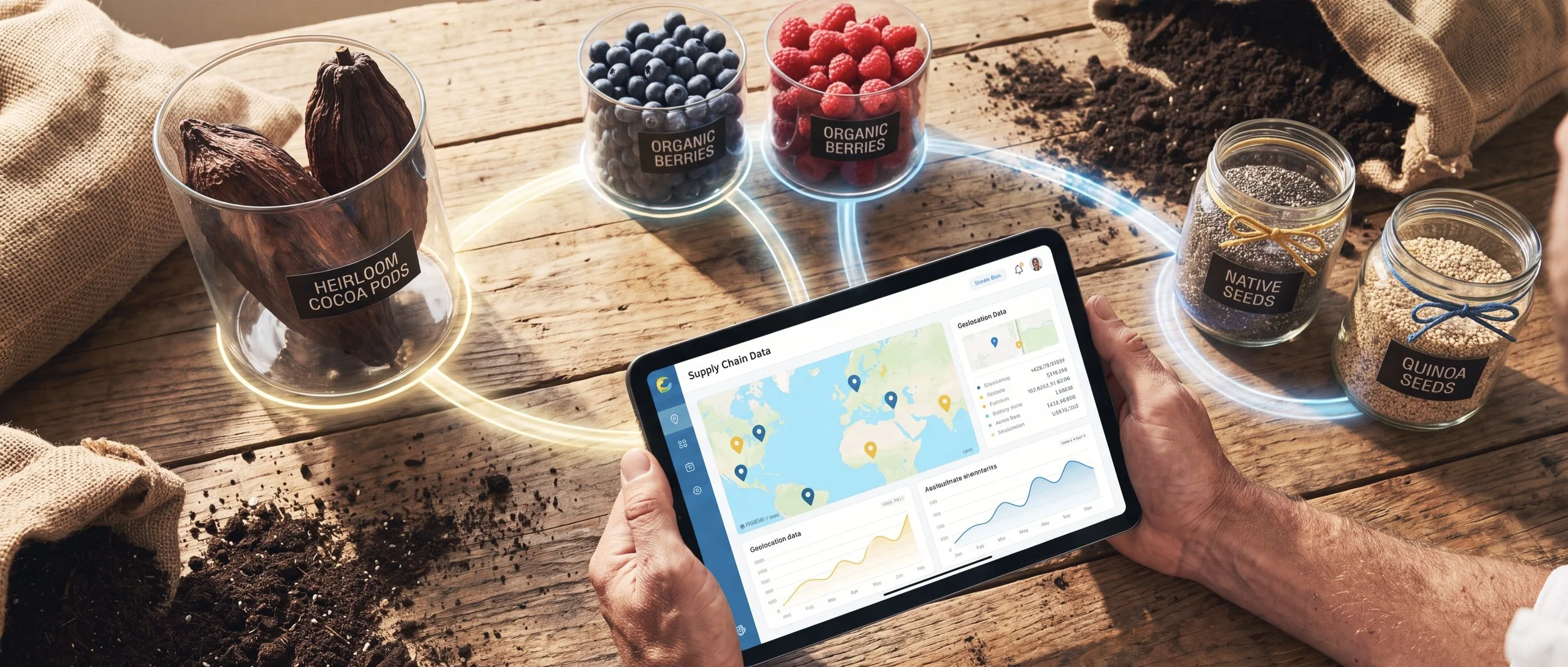
Why does this work? Because their customers have decided that supply chain integrity is the product. The meat itself is almost secondary. What they're buying is the story of how it was raised and why.
This is the ceiling for a social media strategy for clean-label food and beverage brands: your supply chain becomes your marketing, and your marketing becomes your supply chain. You can't separate them.
The Conclusion: Your Competitive Advantage Is Transparency
A social media strategy for clean-label food and beverage brands isn't a marketing budget problem. It's a clarity problem.
If you're unclear about your supply chain, your certifications, or your values, no amount of clever social media will fix it. If you're crystal clear and willing to show it, your social media strategy becomes almost self-executing.
The brands winning in the clean-label space right now are the ones treating social as a transparency platform, not a sales platform. They're building trust signals, educating their audience, and creating a community of advocates who understand why the product costs more and why it's worth it.
That's a social media strategy for clean-label food and beverage brands that actually works. Start there.
I help outdoor lifestyle and clean-label food brands build real organic communities through strategy, content, and brand storytelling. If your content feels busy but ineffective, that is the problem I fix. Follow me @gallucciNET on social media.

adage, emmy, telly & webby award-winning digital marketing consultant for purpose-driven food & beverage brands.