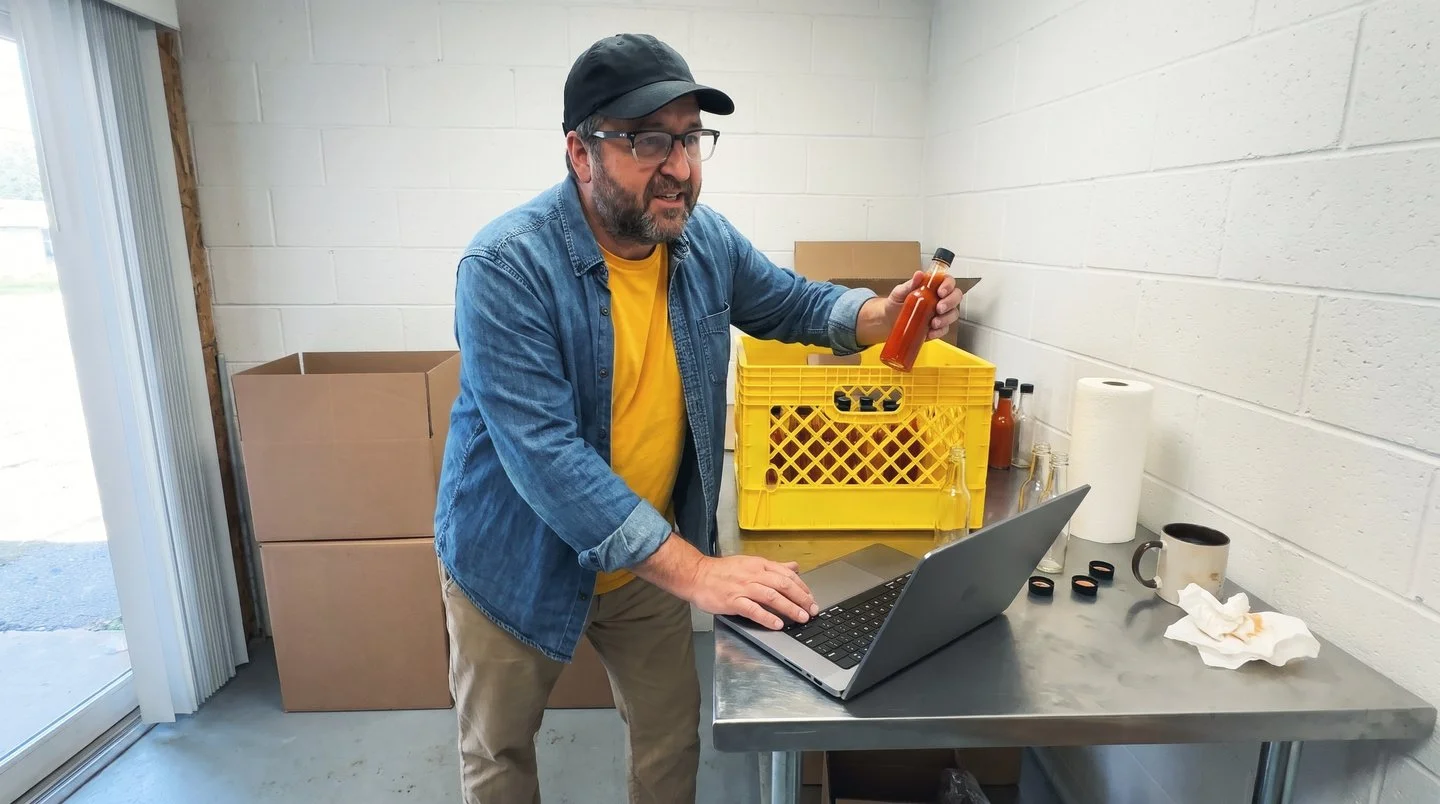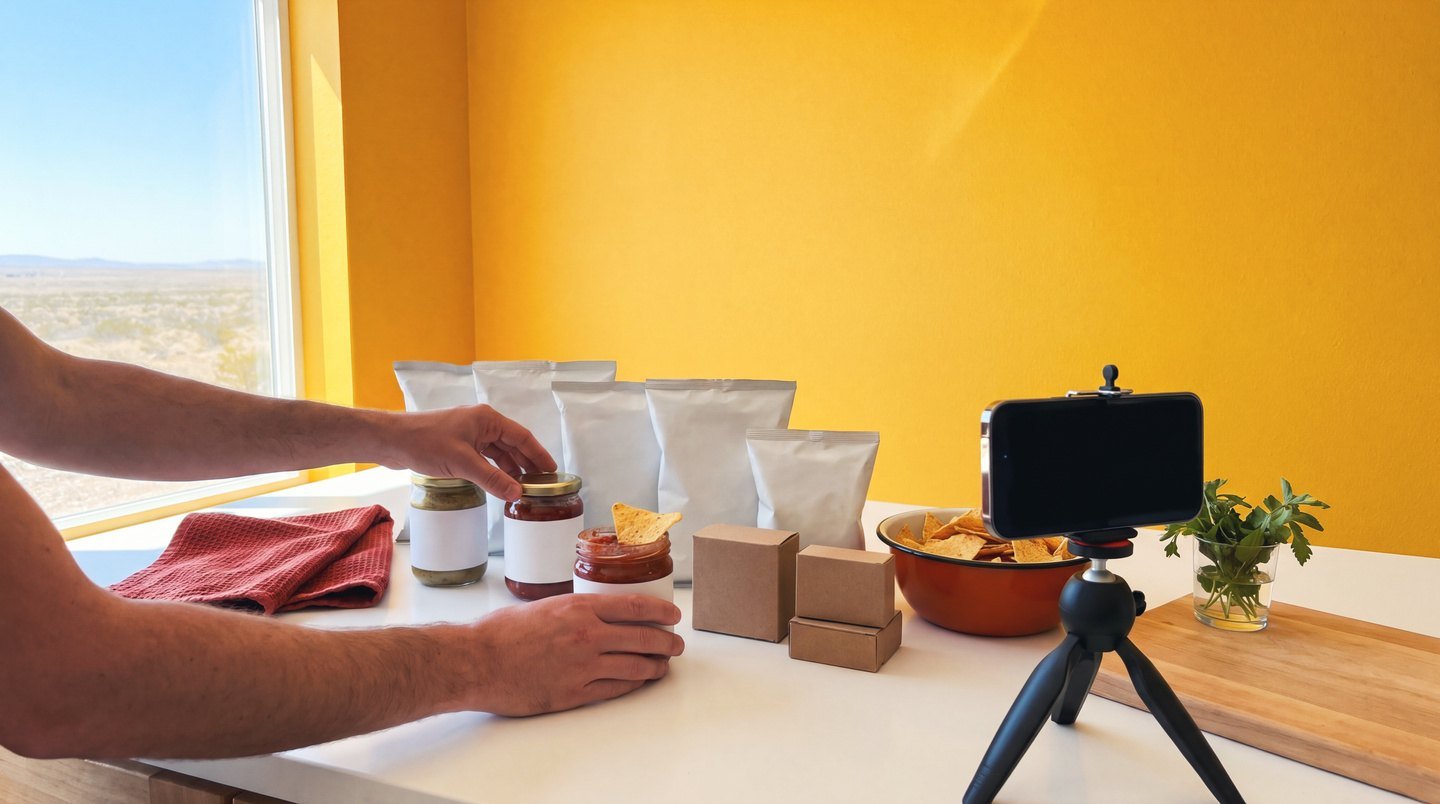
Beverage marketing agency: own the logins, the footage and the exit before you sign
A beverage marketing agency plans and runs the work that gets a drink tried and bought: sampling, events, social, creators and retail support. Before you hire one, get three things in writing. Your brand owns every account, every file comes back to you, and you can leave on 30 days' notice. Agency relationships now average about seven years.
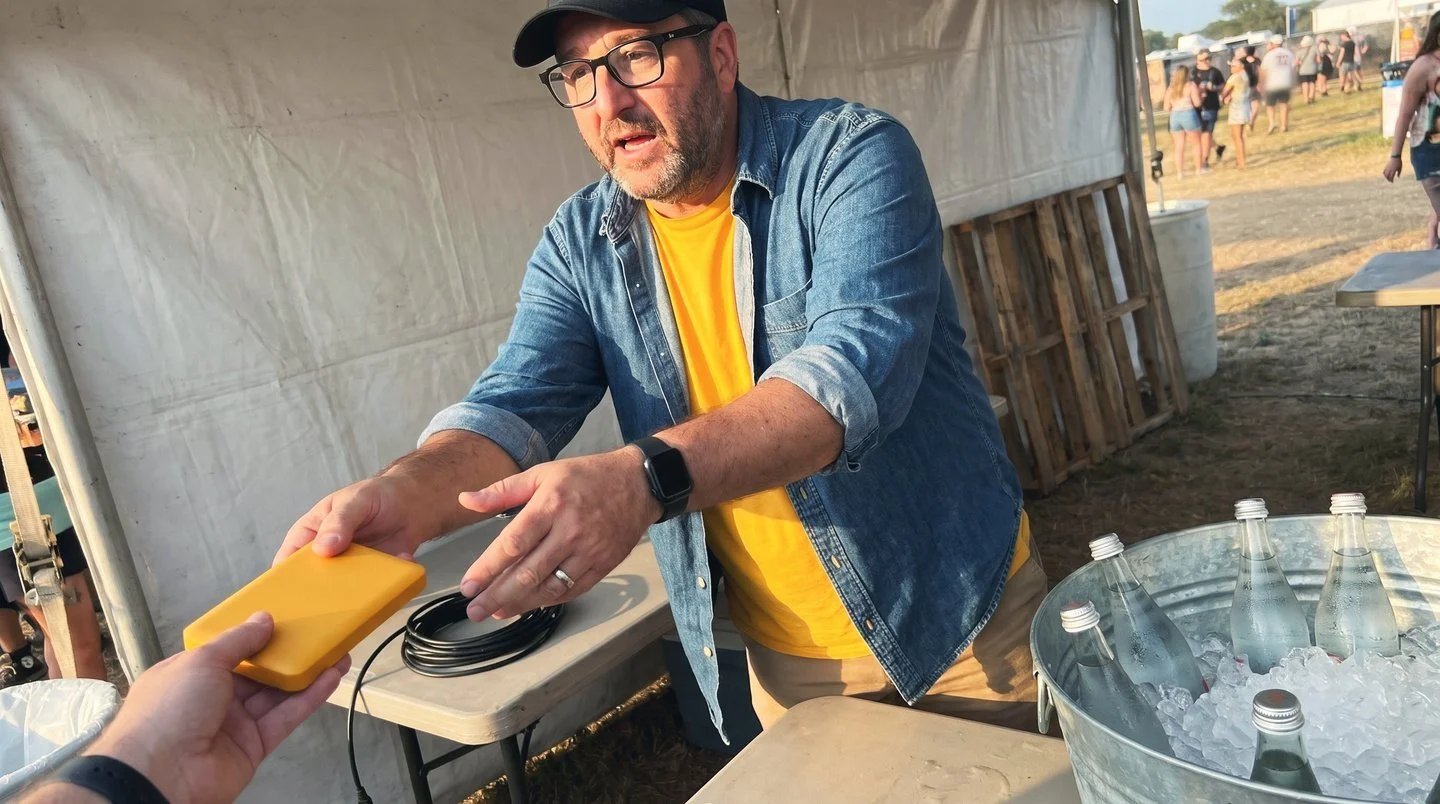
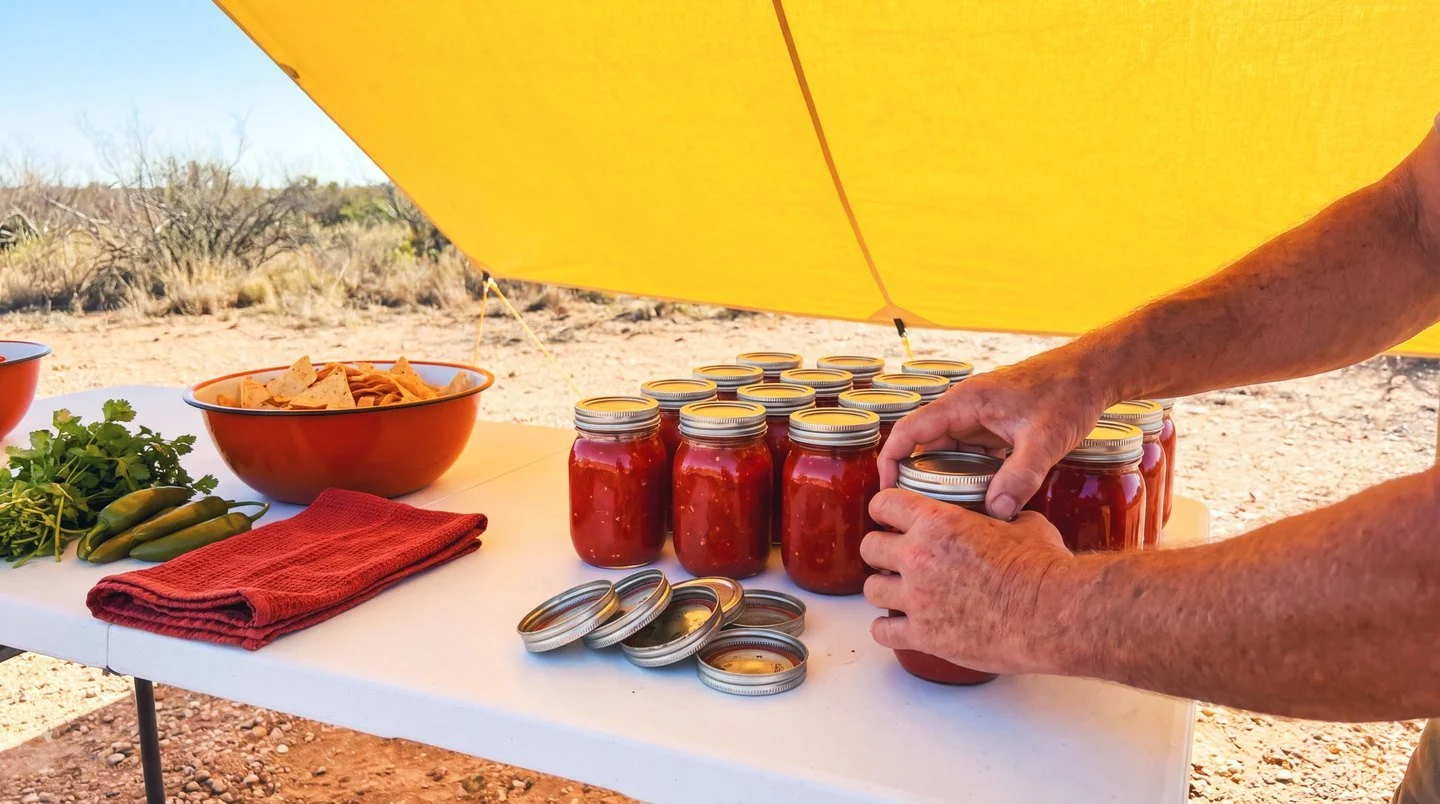
CPG marketing agency: count the hands between your brief and your feed
A CPG marketing agency plans and makes the marketing for packaged food, beverage and household brands. Before you sign one, count the people who touch a single post between your brief and your feed. Ad agency staff turn over at 18 to 25 percent a year, and every extra hand files a little more of your voice off.
Social media for clean-label food and beverage brands: answer the label readers first
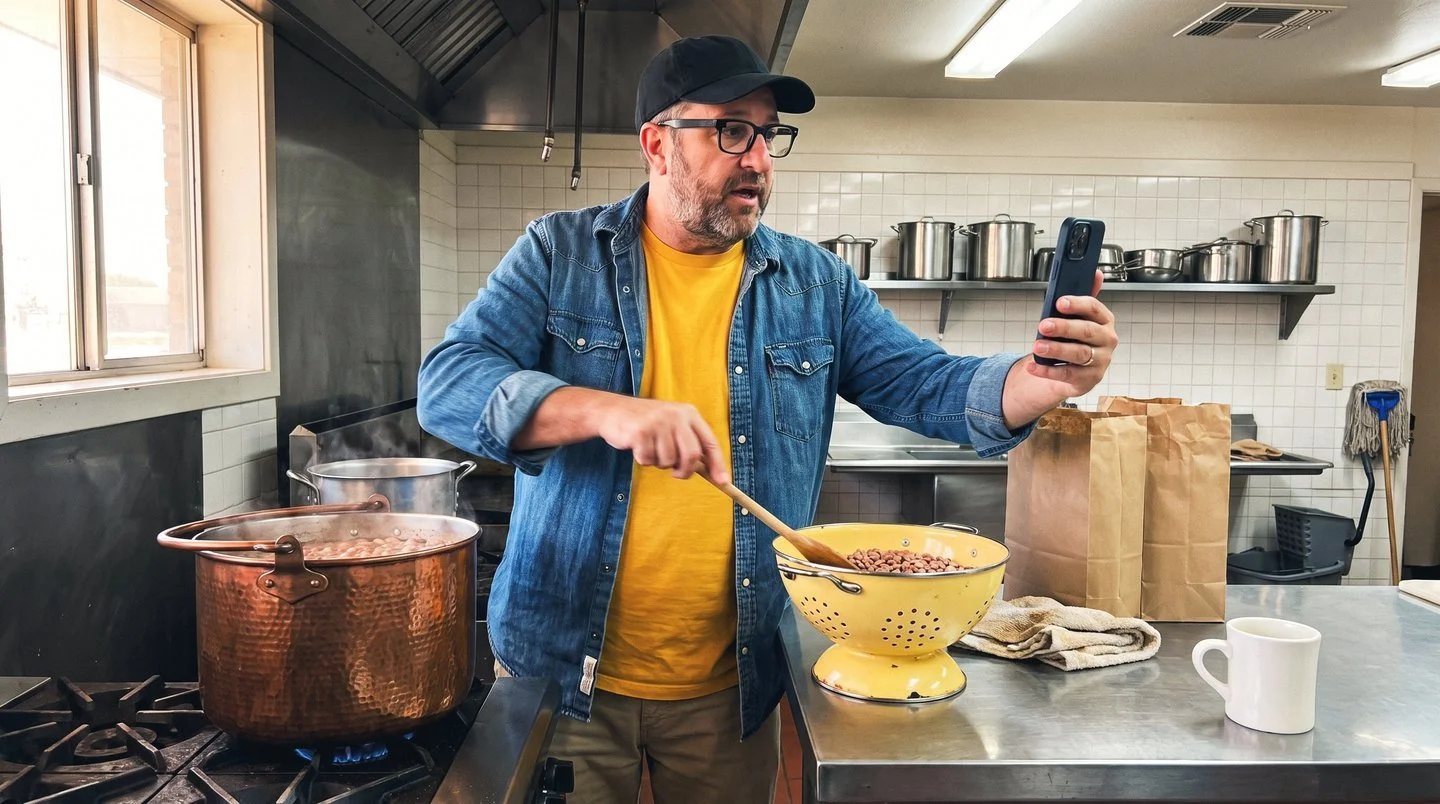
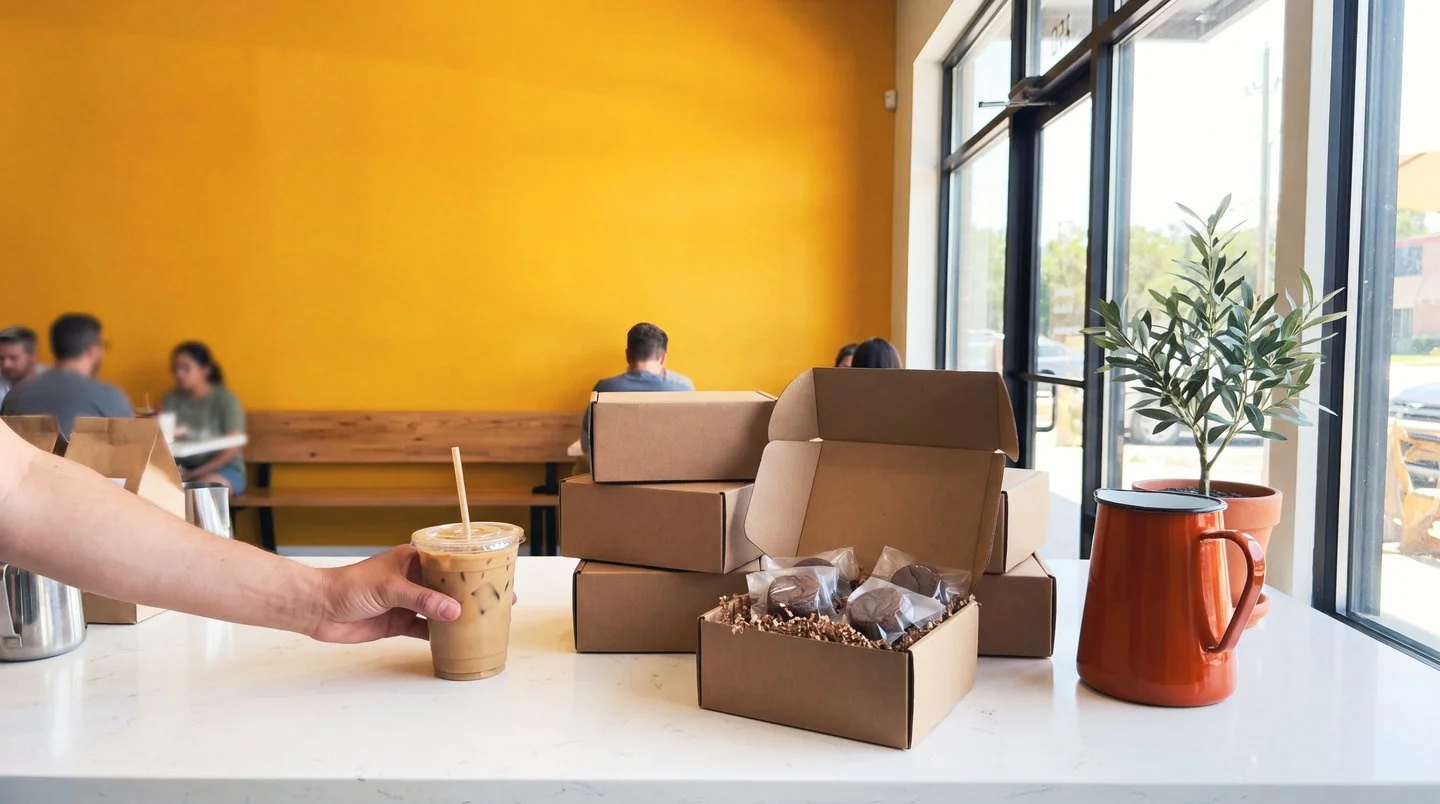
Social media for clean-label food and beverage brands works when the brand answers the label readers before they film the package. In 2025, 48 percent of Americans told IFIC they check the ingredients list, and on Instagram the people turning that habit into reels are mostly creators with no product to sell. Write the feed for them first.
Organic social media strategy for beverage brands: own one drinking occasion
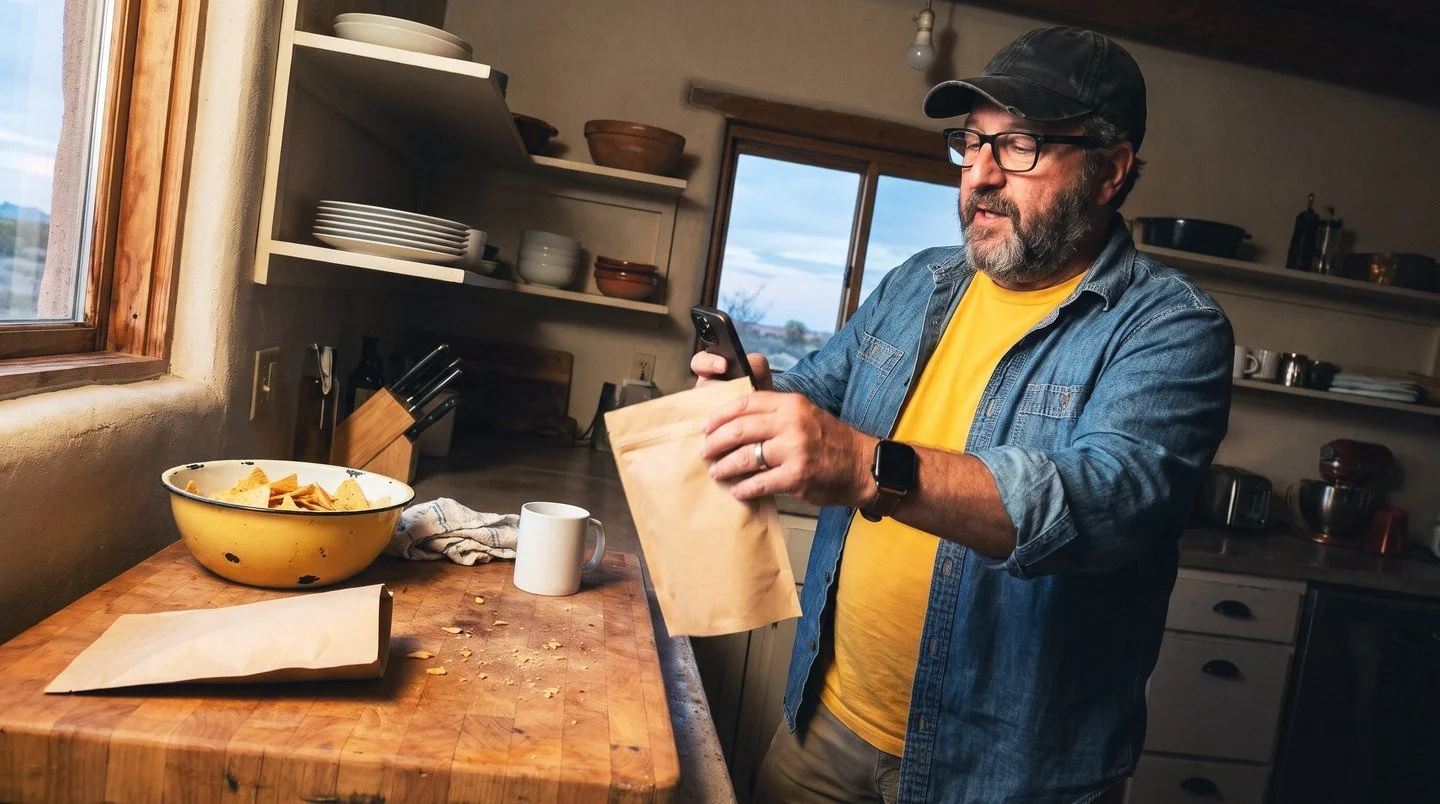
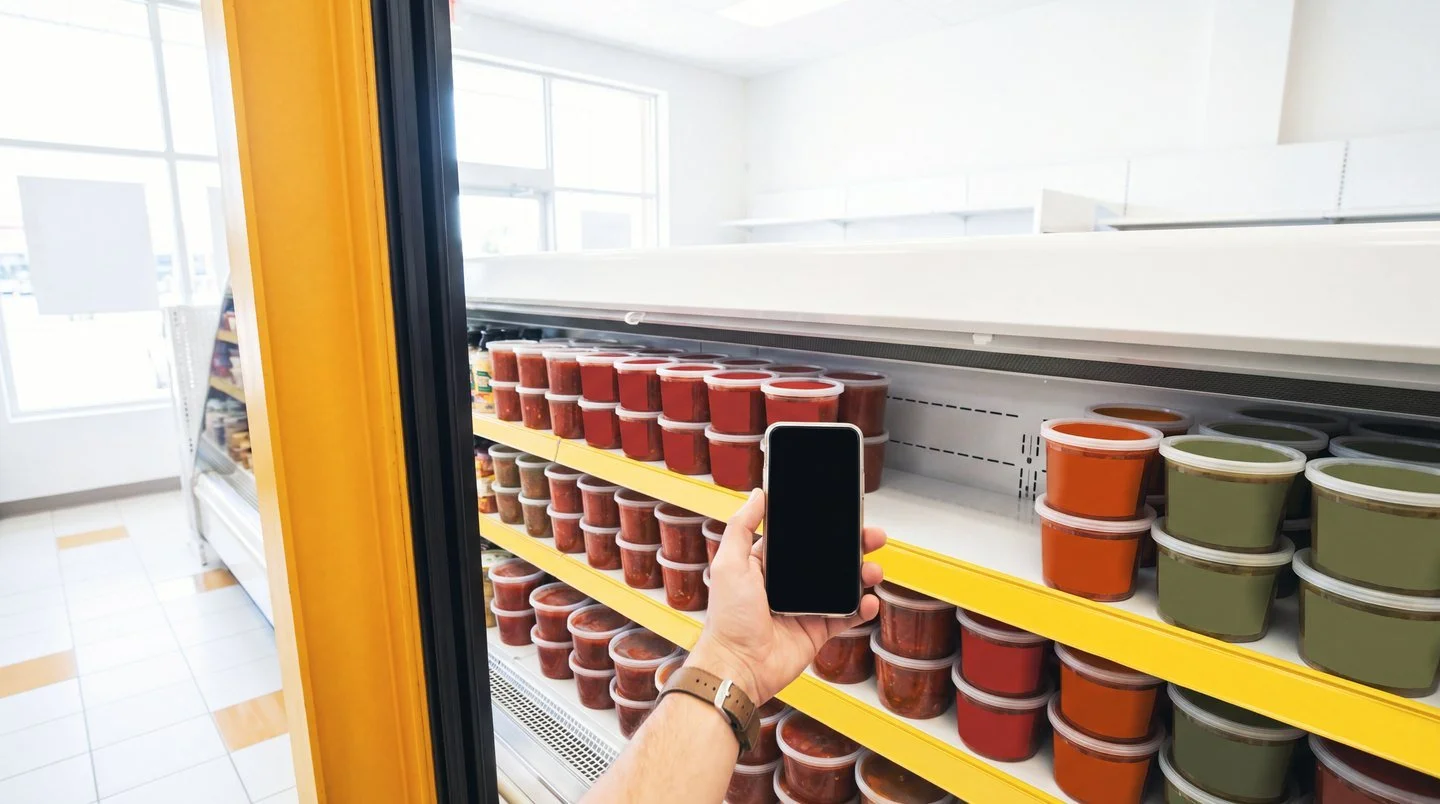
The best organic social media strategy for beverage brands picks one drinking occasion and owns it on every post for 90 days. People send a post about a moment they recognize to the friend who lives it, and Instagram's head named sends one of the top three ranking signals in January 2025. Nobody sends a packshot.

Brand storytelling for clean-label food and beverage brands: write it in episodes
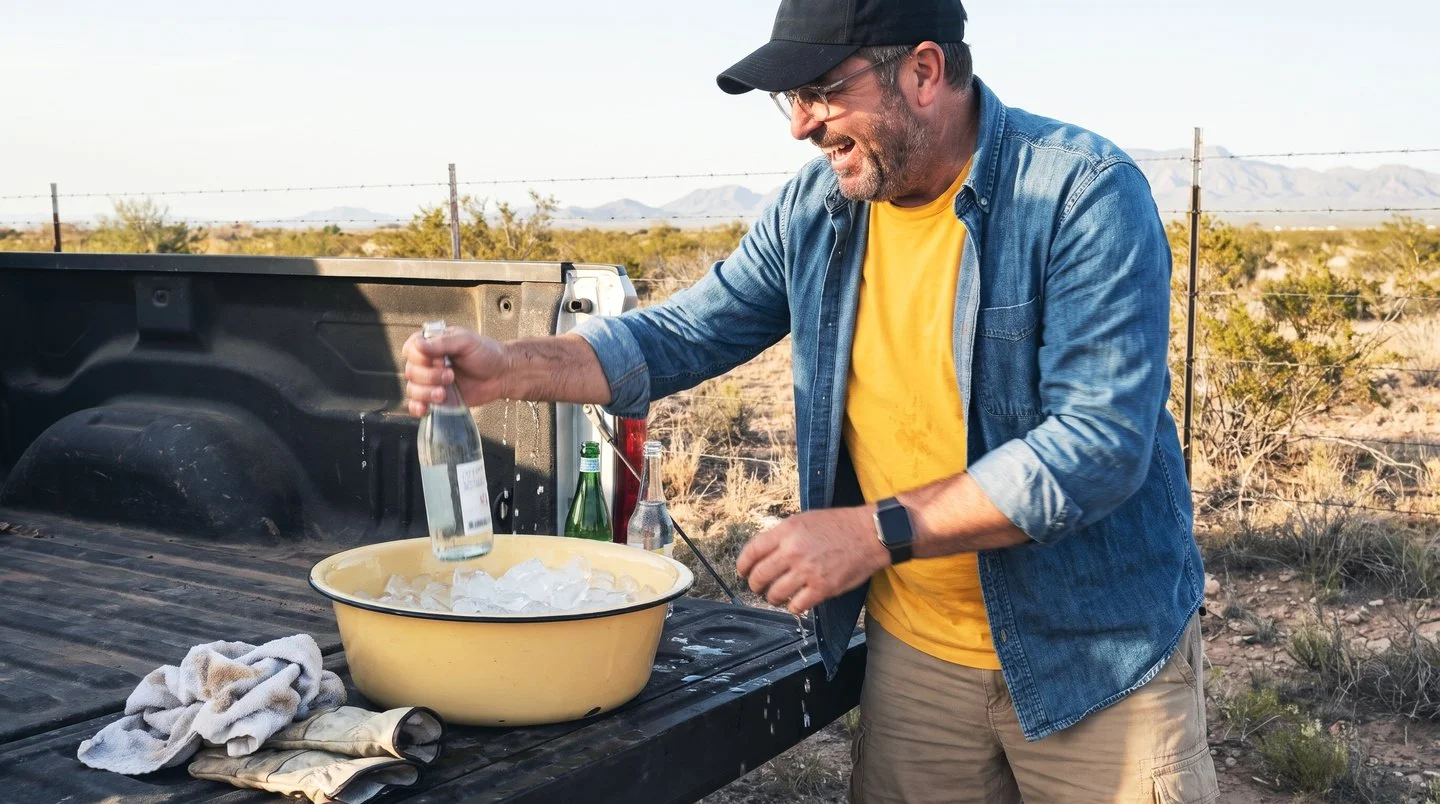
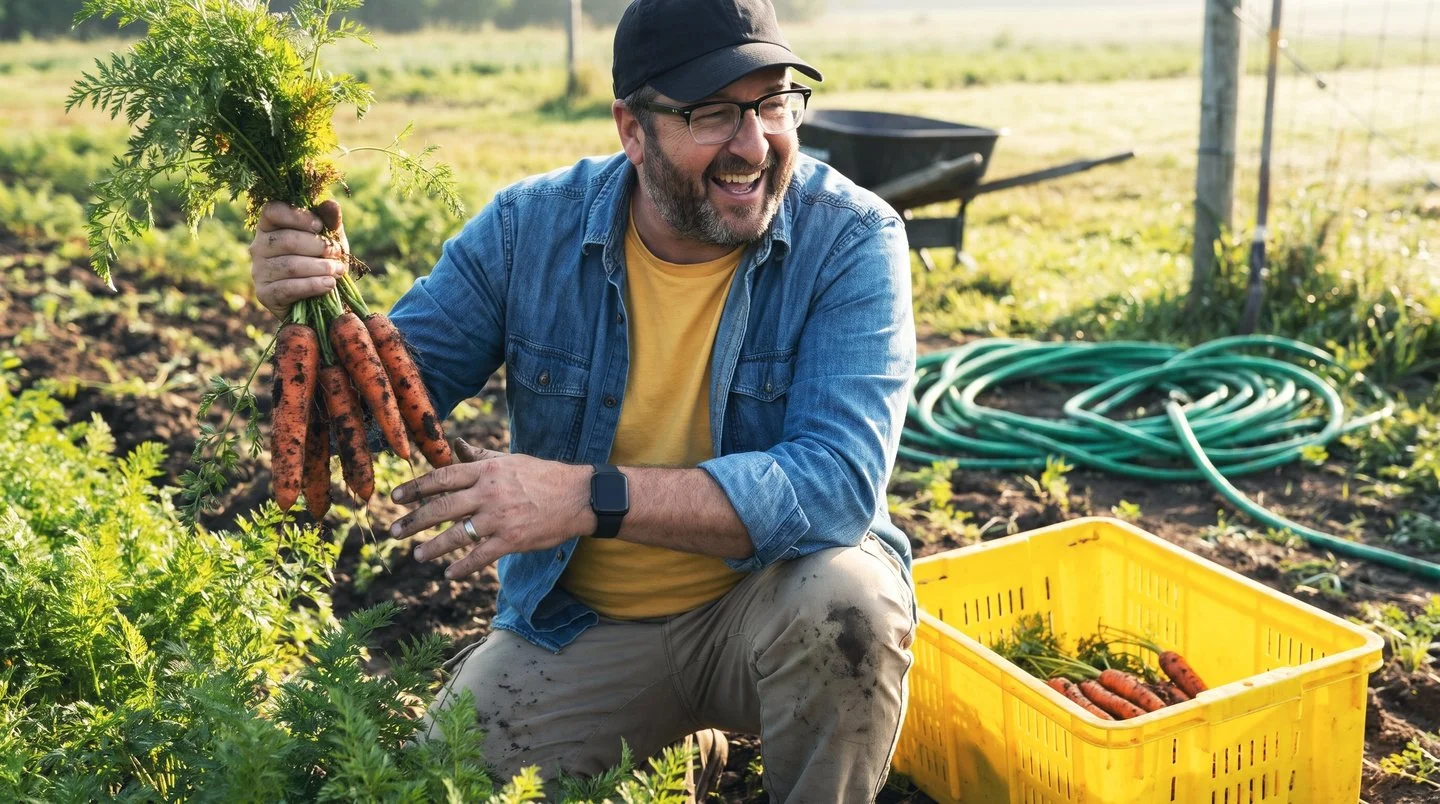
Brand storytelling for clean-label food and beverage brands works best as a series, with the same few people and places coming back every week. One launch video can't carry a six-ingredient label for a year. Twelve short episodes can, and they give a shopper a reason to trust every line on the back of the bag.
Content creation for clean-label food and beverage brands: film the texture
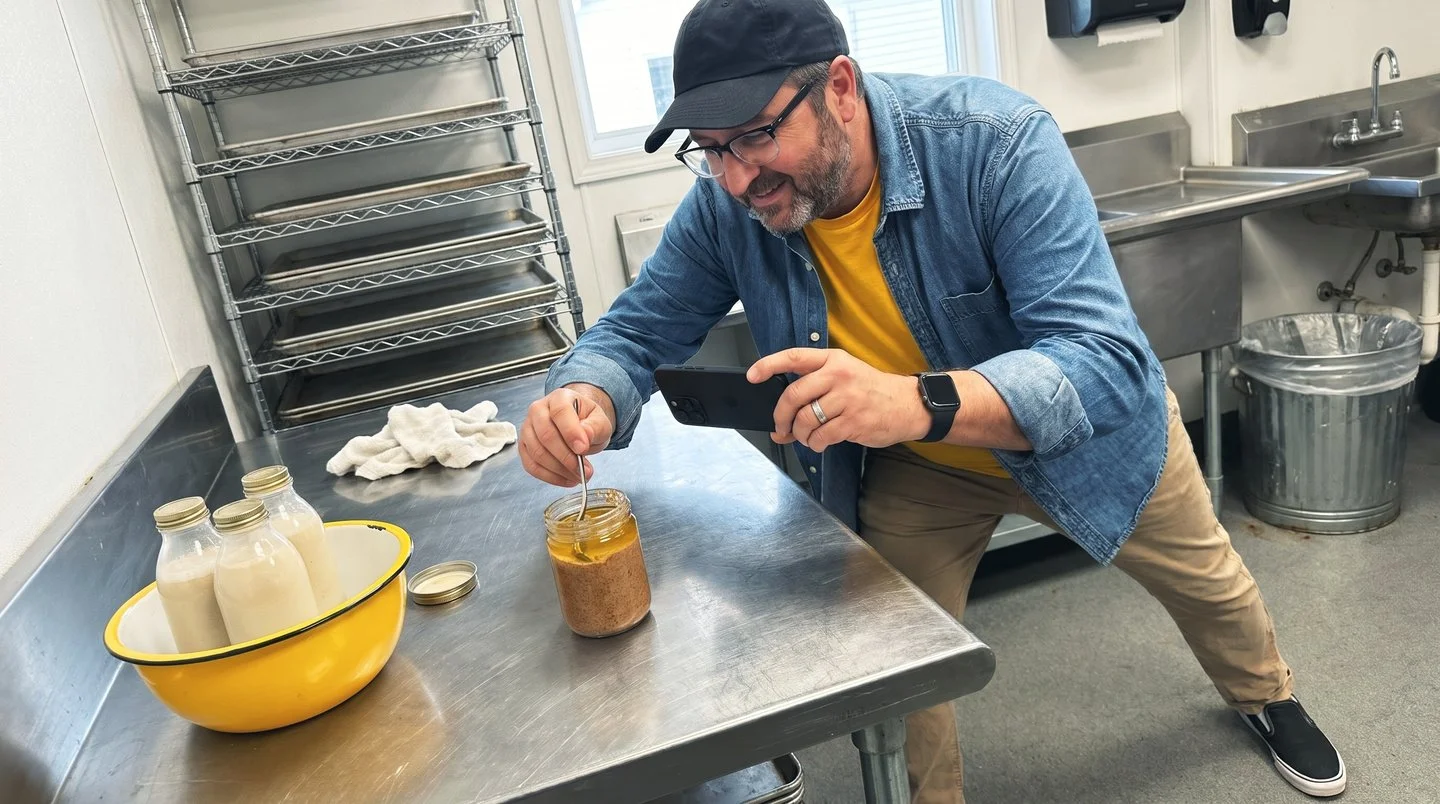
Content creation for clean-label food and beverage brands should sell the eating, because the shopper already read the label. An October 2025 Ingredion report says 88% of consumers would switch brands over texture. So film the pour, the snap, the stir and the settle, show what a short ingredient list does to the food, and say why.
Social media marketing for natural and organic food brands: make the feed pay for the premium
Social media marketing for natural and organic food brands has one job most feeds skip, and that job is explaining the price. USDA economists measured organic premiums from 22 percent on granola to 54 percent on canned beans, and 64% of shoppers say they weigh whether organic is worth it. Every post should answer that.

AI strategy for food and beverage brands: hire a night shift, keep the day shift
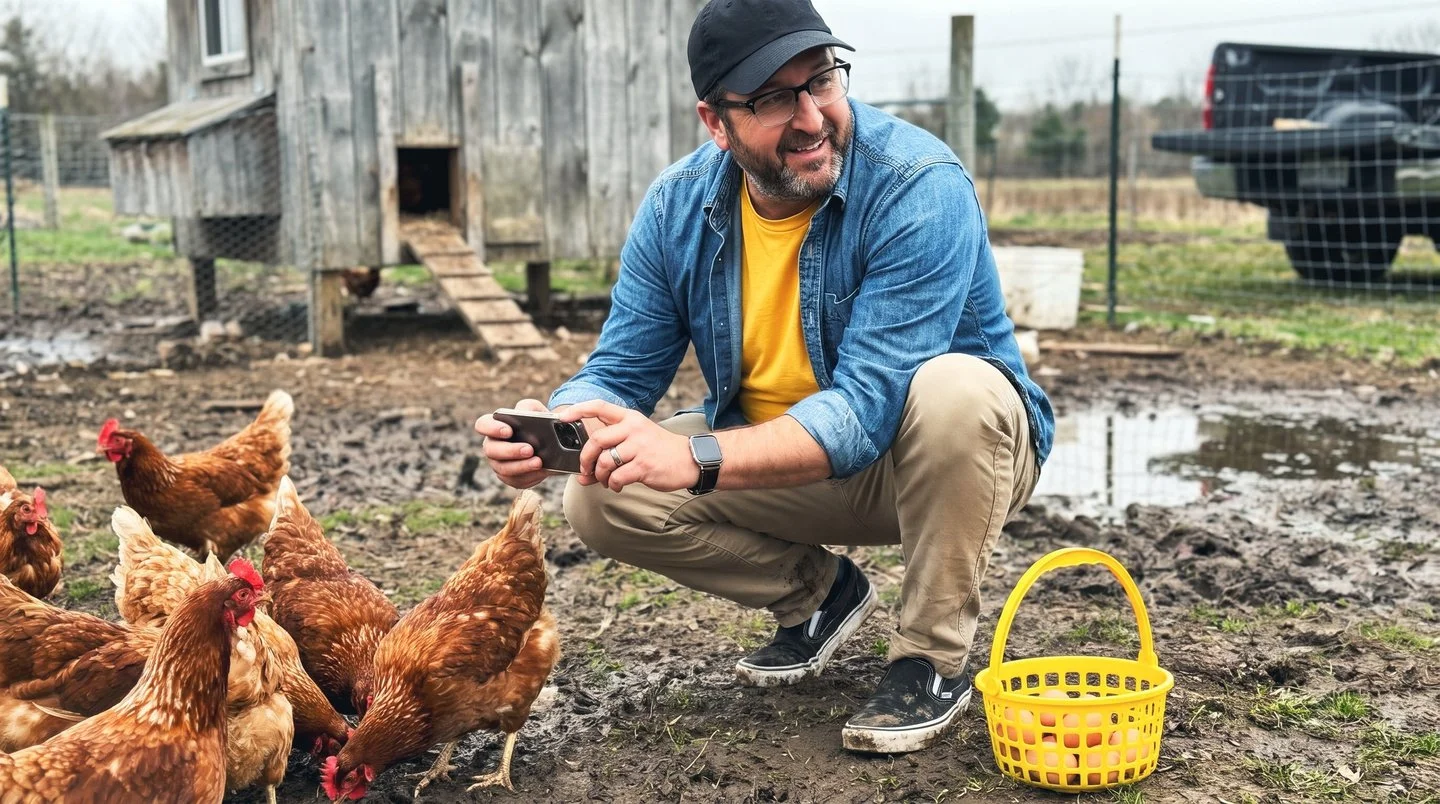
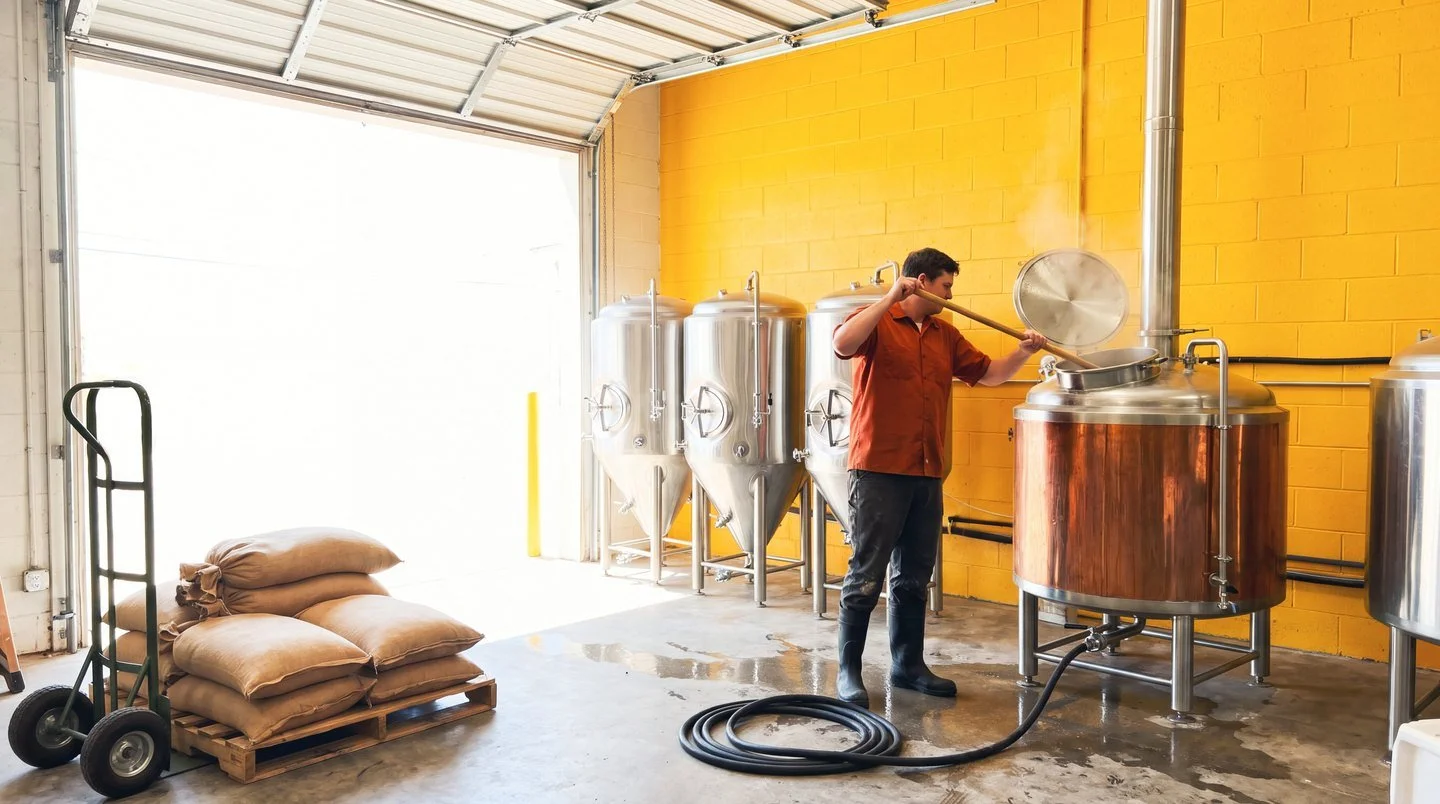
An AI strategy for food and beverage brands is a staffing plan. Give AI the night shift: research, first drafts, file prep and reports that can run while you sleep. Keep people on the day shift: tasting, approving, answering customers and signing off on claims. In 2025, 88 percent of companies used AI somewhere. About 6 percent saw big returns.
Social media strategy for clean-label food and beverage brands after the claim goes generic
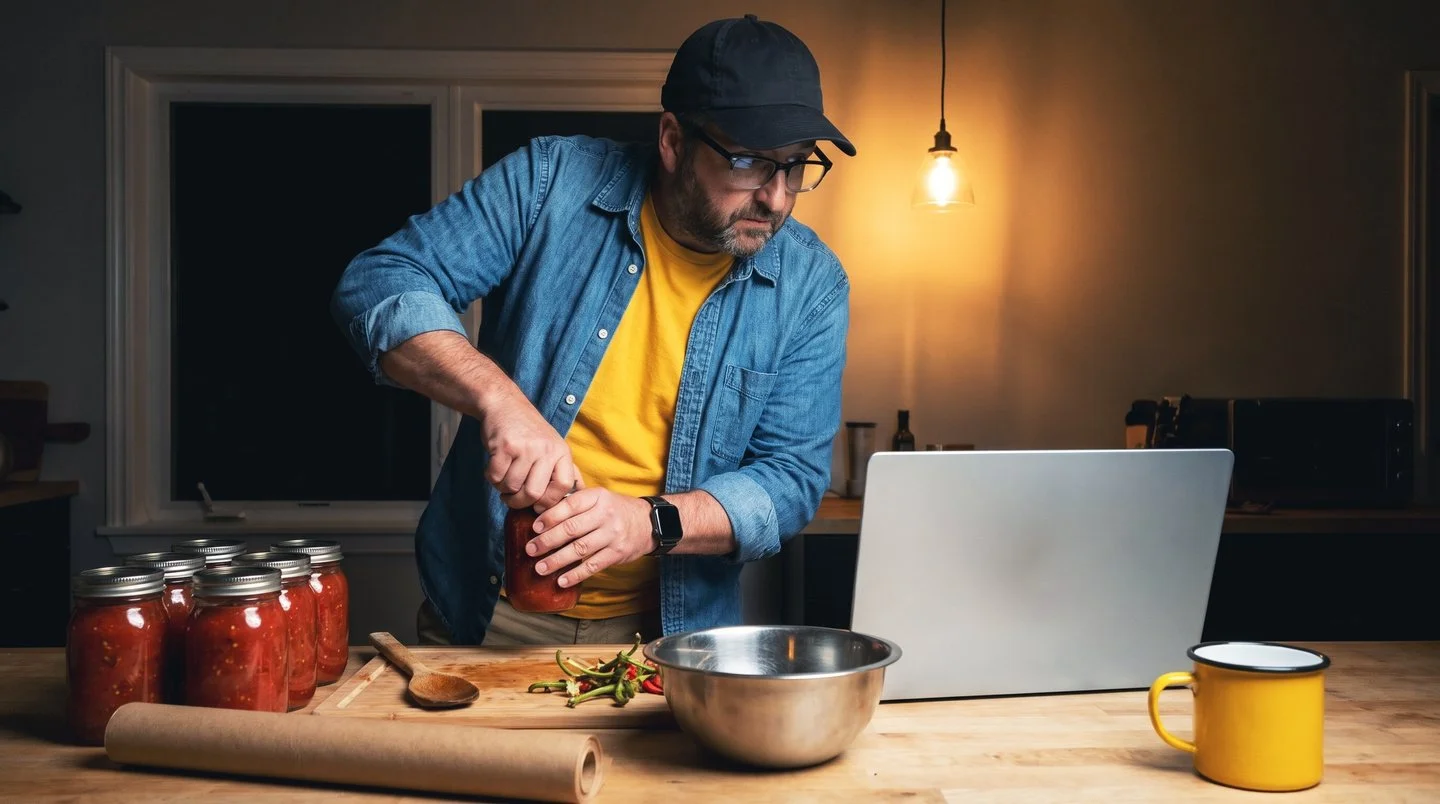
A social media strategy for clean-label food and beverage brands has to work after the claim stops being yours. In February 2026 the FDA let any product without petroleum dyes say "no artificial colors." Big food is reformulating to match. So the feed has to prove who makes it, where it comes from and why.
AI content strategy for CPG food and beverage brands: make it so nobody can tell
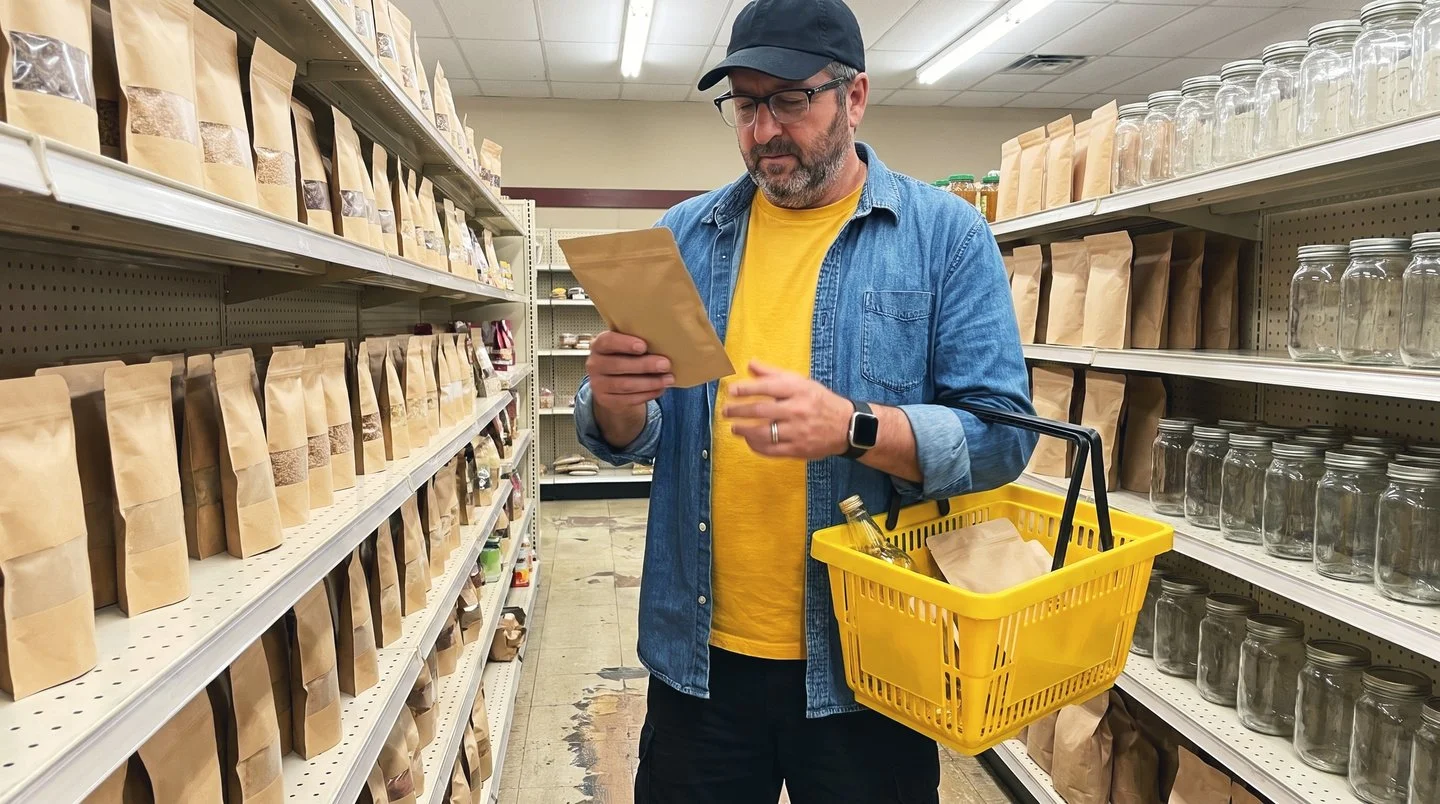
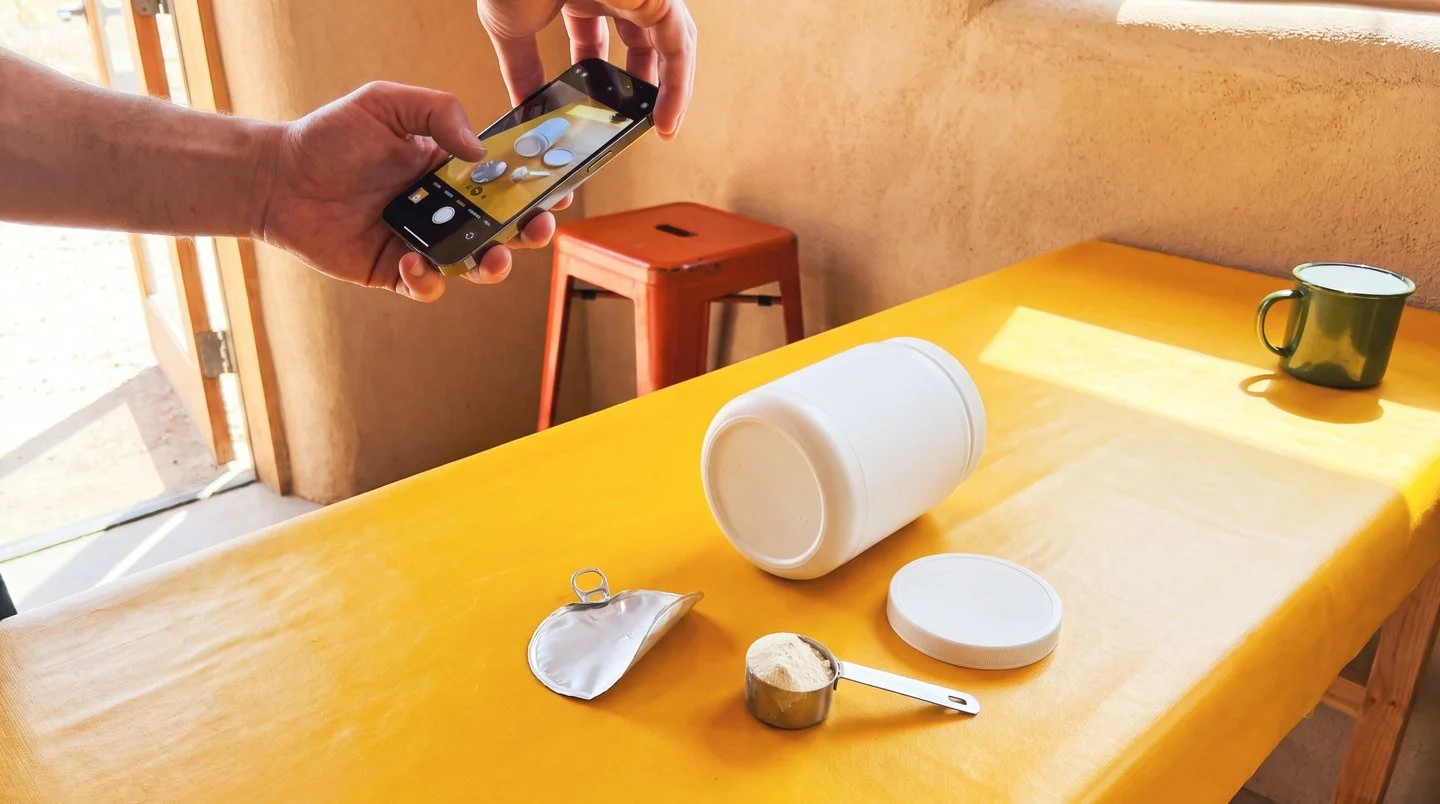
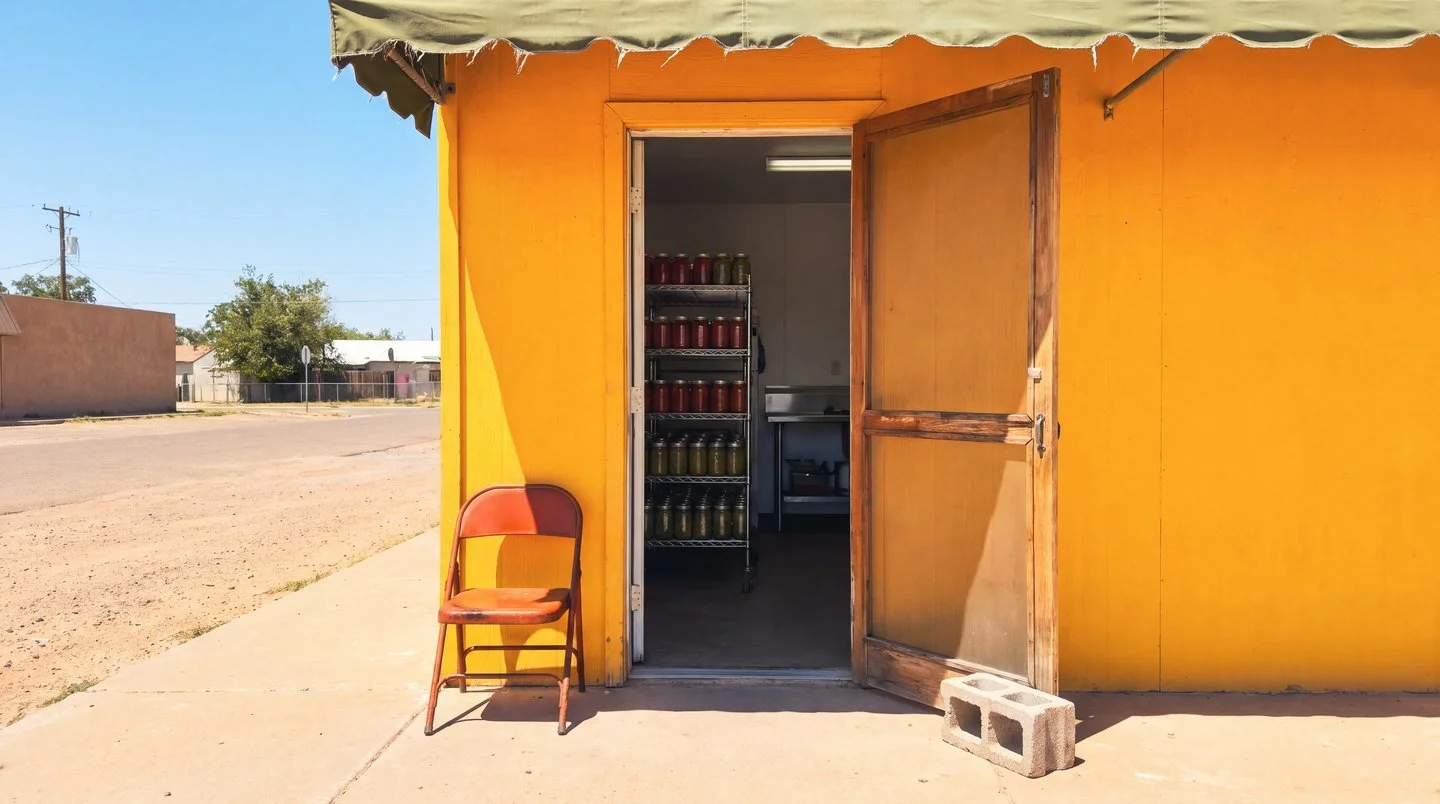
An AI content strategy for CPG food and beverage brands is a production plan with one pass or fail test: nobody scrolling past can tell a machine made it. Coca-Cola had five specialists sort 70,000 AI clips for its 2025 holiday ad, and people still caught the glitchy truck wheels. Volume is the easy part. The test is the strategy.
AI strategy for clean-label food and beverage brands: audit the answers before you buy the software
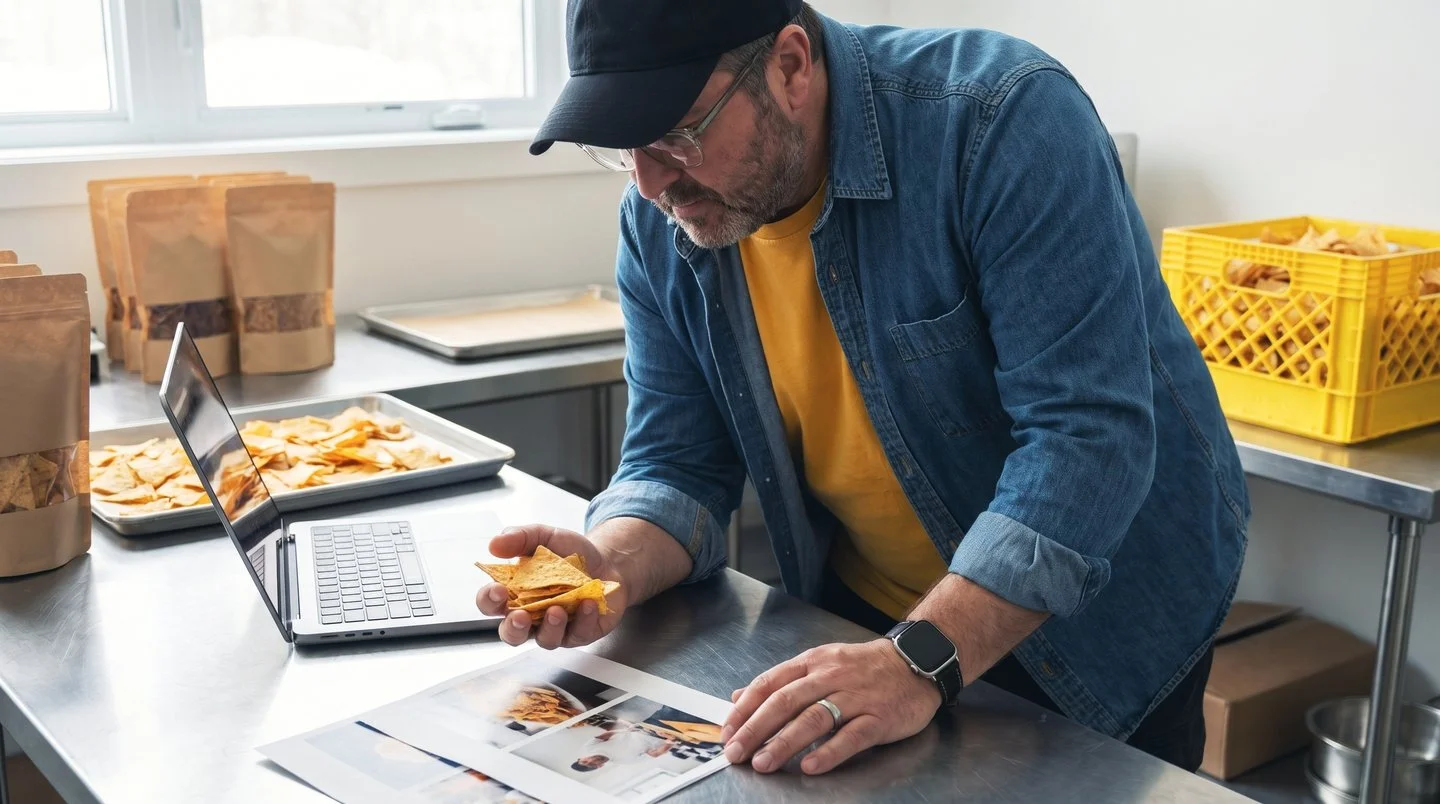
An AI strategy for clean-label food and beverage brands starts by checking what AI already tells shoppers about your label. I ran 26 test answers on November 1, 2026. Three of six ingredient lists didn't match the brand's own page word for word, and the buying picks kept changing. Fix that first.
CPG digital marketing agency: ask what's left when the ad budget stops
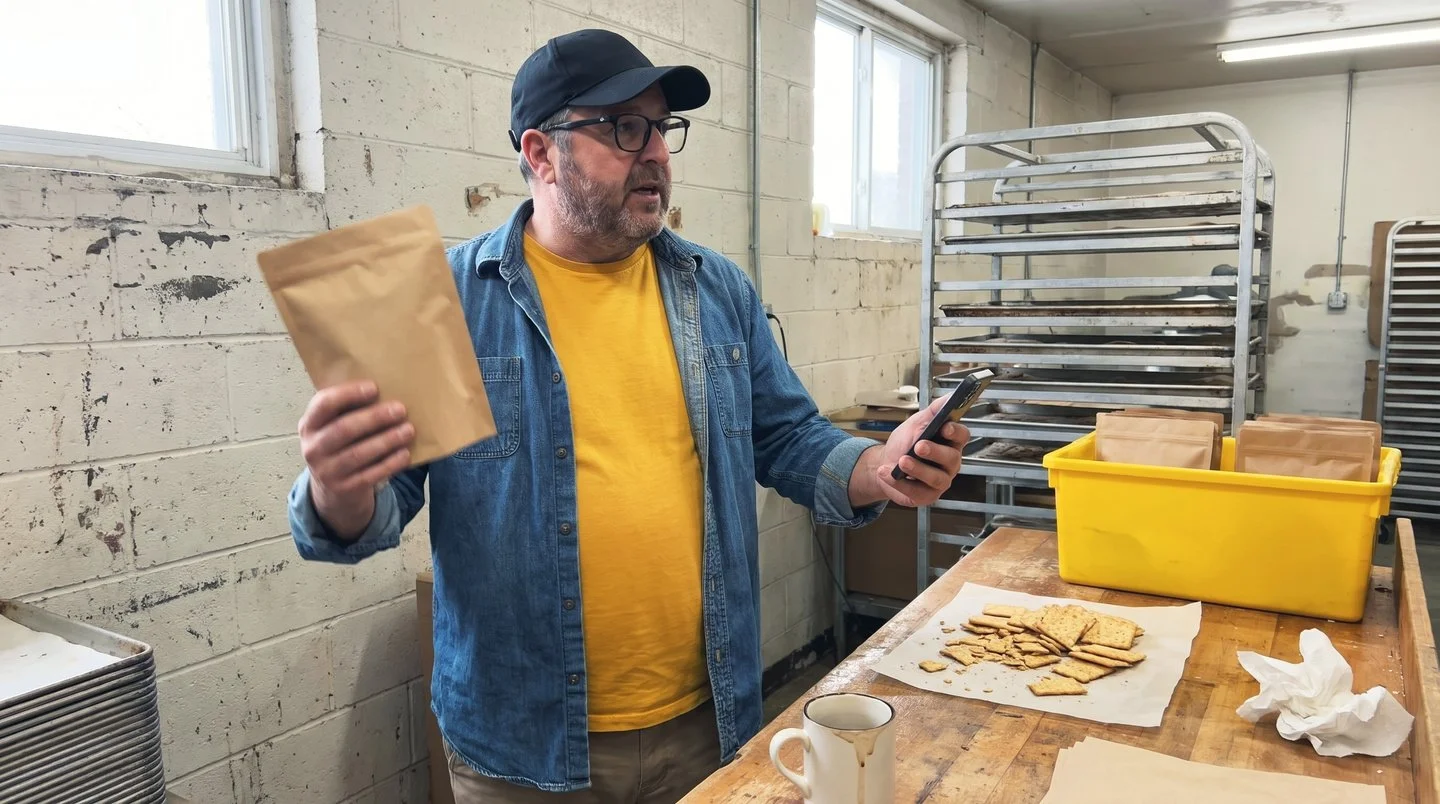
A CPG digital marketing agency usually sells paid media first, so hire one after your store, content and reporting already work. At Tia Lupita, the hot sauce brand I worked on, ad spend ran 40% of online revenue in January 2021. Ask any agency what's left in your house when that spend stops.