What Three Decades of Shooting Taught Me About Content That Actually Connects
I have decided to start doing something I probably should have done a long time ago.
I am not a photographer, at least not by how most photographers define it. But I have made my living as (among other thigs) a photographer for nearly three decades. I learned by doing the work, missing shots, fixing mistakes, getting yelled at by editors, brands, and producers, and figuring it out anyway. No formal rules. No theory first. Just real world pressure, deadlines, and real consequences.
So I am going to start dumping that hard earned, practical knowledge out here for all of yall who did not ask for it.
This is not a strategy series.
This is not a growth hack series.
This is not about funnels, metrics, or posting cadence.
This is about the creative side of content creation.
Composition.
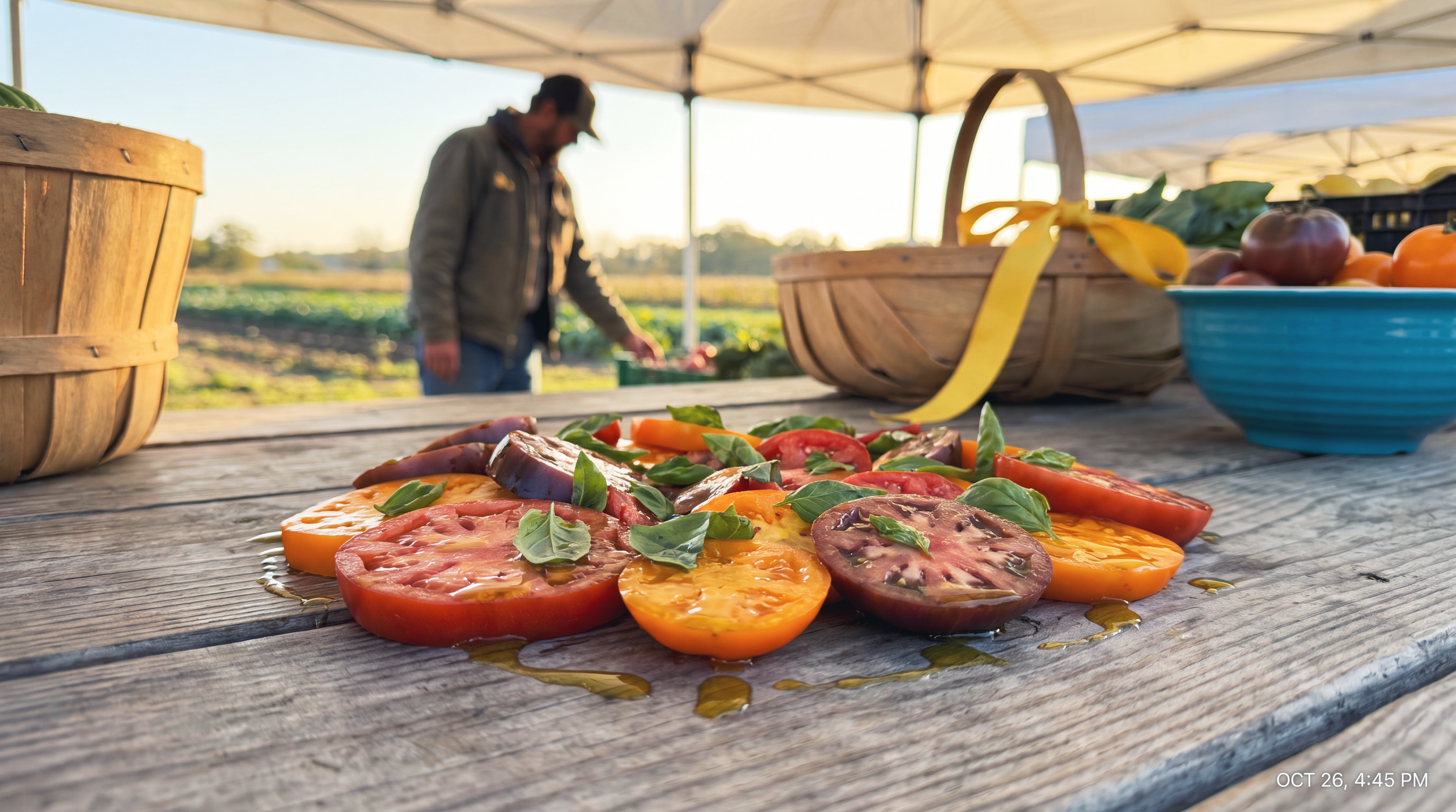
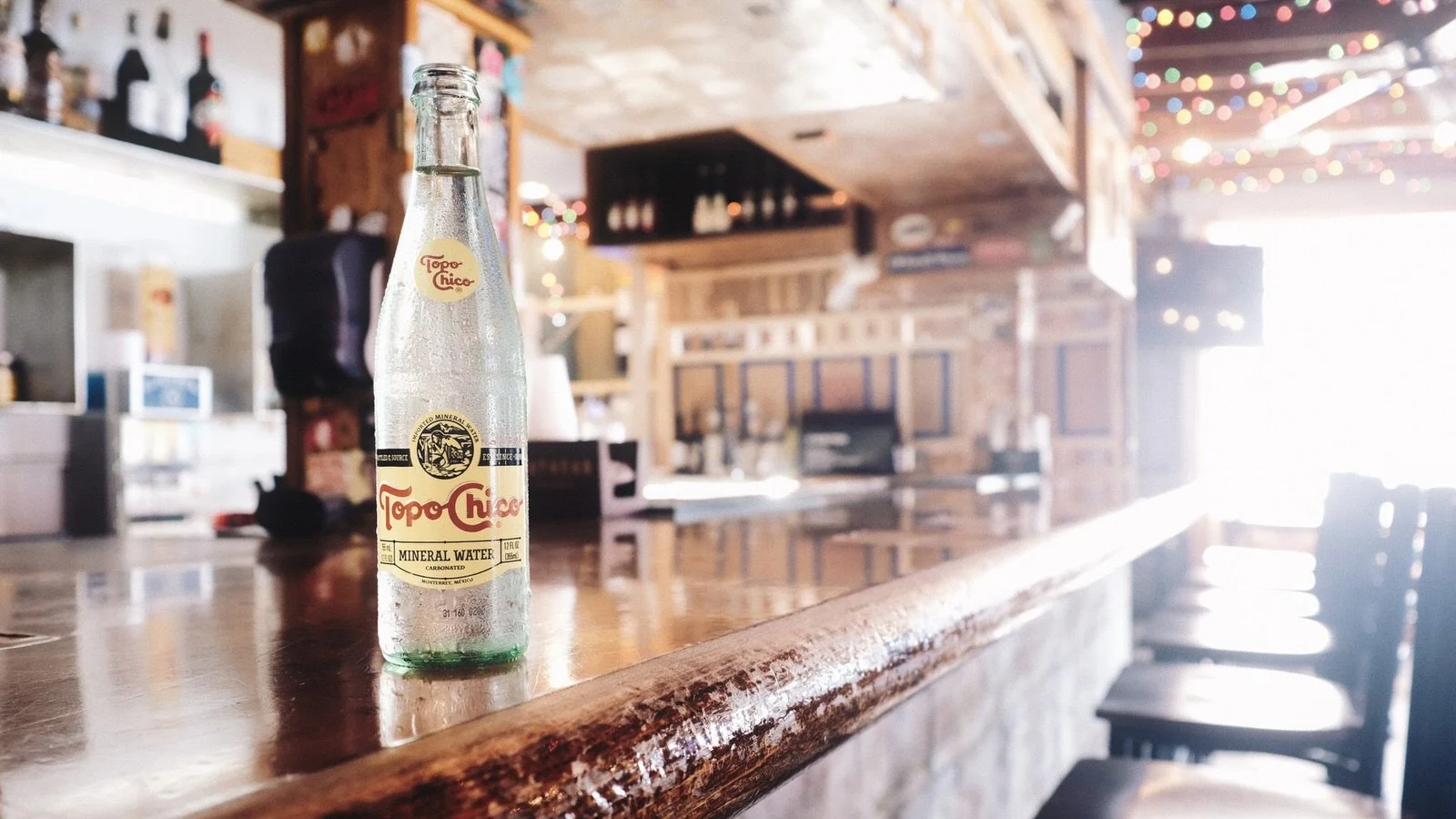
Food and beverage photography.
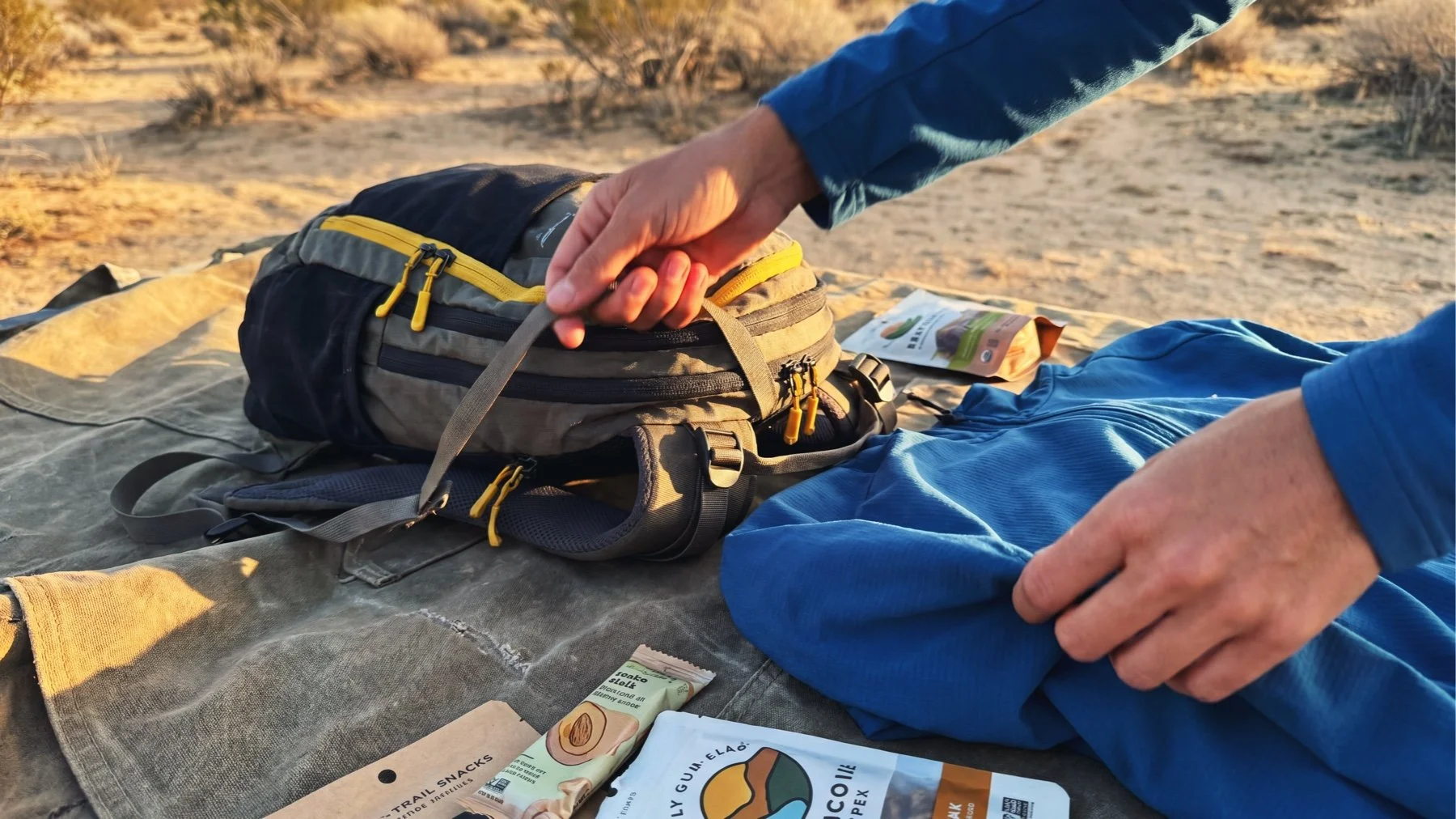
Outdoor and action photography.
Music photography.
Sports photography.
Journalism instincts.
Design and visual styling for Instagram and TikTok.
Why some images work and most do not.
I also learned these lessons the hard way.
I got yelled at. A lot. By editors. By producers. By agency people who thought they knew better who had larger budgets, better gear, larger teams, and still weren’t able to move the needle for our shared clients.
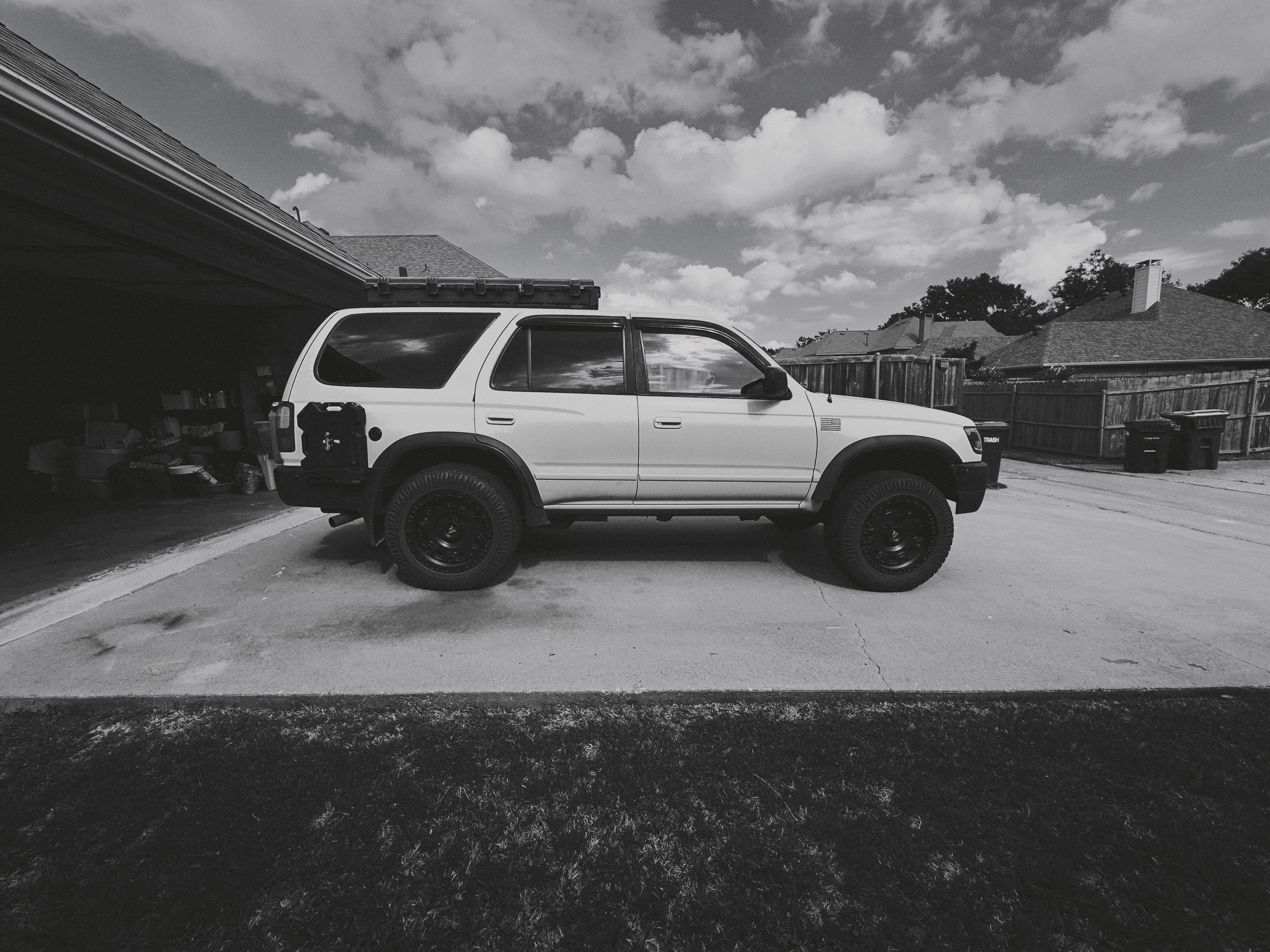
I was routinely smirked at, dismissed, and talked down to because I kept showing up with consumer grade gear. iPhones. Action cameras. Small, lightweight setups that did not look impressive on set. Especially when multimillion dollar brands were involved.
The assumption was always the same.
If the gear was not expensive, the work could not be serious.
They were wrong.
I learned very quickly that the gear did not matter.
Only the results did.
If the image told the story, stopped the scroll, and did the job, nobody cared what camera made it. And if it did not work, no amount of expensive glass was going to save it.
That lesson still applies today.
When it comes to composition, especially in food and beverage photography, outdoor lifestyle work, and anything rooted in journalism instincts, I need to be honest about something else.
I did not learn composition in school.
I did not study it formally.
I did not come up through the traditional photography pipeline.
One editor once told me I had a good eye for composition. That sounds nice, but it misses the point. There was nothing natural or gifted about it. I earned that eye the slow way.
I learned composition by looking at work I admired and trying to reverse engineer why it worked. I learned it by screwing up thousands of frames in the field. By missing moments. By framing things wrong. By realizing later what I should have done instead.
Food taught me restraint.
Outdoor work taught me patience.
Journalism taught me to anticipate instead of react.
None of that came from a rulebook. It came from repetition and failure.
This is uneducated knowledge in the purest sense. Hard earned. Built over decades of doing the work, getting it wrong, adjusting, and slowly understanding what actually works and what absolutely does not.
So with that context, here is the first of an unknown number of articles touching on the basics of content creation for social media.
Most people overthink what makes a great piece of content.
It is not the camera.
It is not the gear.
It is definitely not the algorithm.
Great content, especially in food and beverage, still comes down to four things.
First, the subject has to matter.
If your food does not make someone feel something, hunger, nostalgia, curiosity, pride, it does not belong on social media. A perfectly lit photo of a product nobody cares about is still invisible.
Second, composition is strategy.
How the plate sits in the frame, what you leave out, what you let breathe, this is positioning. Sloppy visuals communicate sloppy brands. Clean, intentional visuals signal trust.
Third, light is the story.
Natural light beats studio perfection almost every time. Light tells the truth. It reveals texture, heat, freshness, and honesty. That matters more than polish.
And fourth, the part most brands miss.
Emotion.
If your content does not trigger an emotional response, stop posting it. Food should remind people of something. A place. A person. A moment. If it does not, AI will not save it, more posts will not save it, and trends will not save it.
Generative AI is a tool, not a shortcut.
It can speed up ideation.
It can help test concepts.
It can even help scale visuals.
But it cannot replace taste, judgment, or restraint.
I have spent decades building content systems for brands that refused to chase gimmicks. The ones that won understood this simple truth.
Content that connects beats content that performs.
If you are creating content right now, especially food, beverage, or outdoor lifestyle work, ask yourself one question before you hit post.
What am I making the viewer feel?
For those of yall who did not ask for this, this is just the beginning.
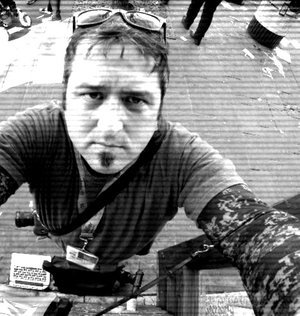
adage, emmy, telly & webby award-winning digital marketing consultant for purpose-driven food & beverage brands.