Through the Frame: Photographing the Hike While Becoming the Story
I used to walk onto a shoot with two cameras around my neck and a third in the bag because I did not want to miss a single frame. Now I open my laptop and someone asks if the video was “AI-generated.”
I built my life around lenses, light, and timing. I learned how to read a room before I ever pressed record. Clients once trusted that instinct. Now they squint at a perfectly graded edit and ask if a machine did it.
I remember staying up all night color-correcting a brand film until the skin tones felt honest and the shadows carried weight. The next morning someone said it “looked like something ChatGPT would make.” I did not know whether to feel insulted or validated.
For years I chased mastery. I studied framing, pacing, story arcs, human expression. I wanted to move people with a 30-second spot the way a novel moves someone in 300 pages. Today I export a video and hesitate before sending it, wondering if it looks too clean to be human.
I have watched photographers add grain back into pristine files just to prove they touched the camera. I have seen editors deliberately leave in small imperfections so the work feels “real.” That is a decision every artist has to make now.
There is a strange tension in this moment. Brands expect speed and efficiency. Audiences expect authenticity. Everyone uses AI tools quietly, but everyone also wants proof that the work came from a person.
Here is the part we need to say out loud: nothing can be too good. If the photo lands. If the video holds attention. If the story moves someone to feel, act, or remember, the tool does not matter. The outcome does.
Generative AI learned from us. It absorbed decades of human framing, lighting, storytelling, editing rhythms. If someone says your work looks like AI, sometimes what they are really saying is that it meets the highest technical standard they can imagine.
I understand why that stings. It feels like your craft is being reduced to an algorithm. It feels like your hours behind the camera have been flattened into a prompt.
But the market has never paid for process. It pays for impact. Consumers do not ask how the shot was stabilized or whether the script was drafted in a notebook or in a browser. They ask whether it made them feel something.
I made my decision early. I stopped fighting the software. I started studying it. I fed it my sensibilities as a photographer, a videographer, a storyteller, and a strategist. I treated it like an assistant, not a replacement.
My clients care about results. They care about engagement, clarity, movement. They do not care whether a frame was captured on a DSLR, a cinema rig, or generated from a prompt refined by someone who understands composition.
You can dull your edge to prove you are human. That is a valid artistic movement. There is honesty in imperfection. There is beauty in rough edges.
You can also embrace your excellence without apology. You can let your work be sharp, intentional, technically flawless. Humanity is not measured by visible mistakes. It is measured by judgment.
The fear is not really about AI. It is about relevance. It is about compensation. It is about whether the skills we built with our hands still hold value in a world where images can be summoned in seconds.
I do not pretend that is a small concern. It is practical. It affects livelihoods.
But I will not resent a tool that amplifies what I already know how to do. I will not apologize for using leverage. I will not shame another creator for integrating technology into their craft.
Tomorrow I will open my editing timeline again. I will refine the cut. I will push the color. I will tighten the story. If someone asks whether it is AI, I will let them.
If it works, it works.
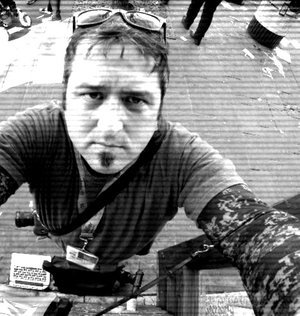
adage, emmy, telly & webby award-winning digital marketing consultant for purpose-driven food & beverage brands.