Social Media Marketing for Natural and Organic Food Brands Isn't About Followers
If you are the founder or operator of a natural or organic food brand, I want to say something directly: the social media advice you are reading everywhere is designed for DTC businesses selling directly to consumers. Your business probably is not.
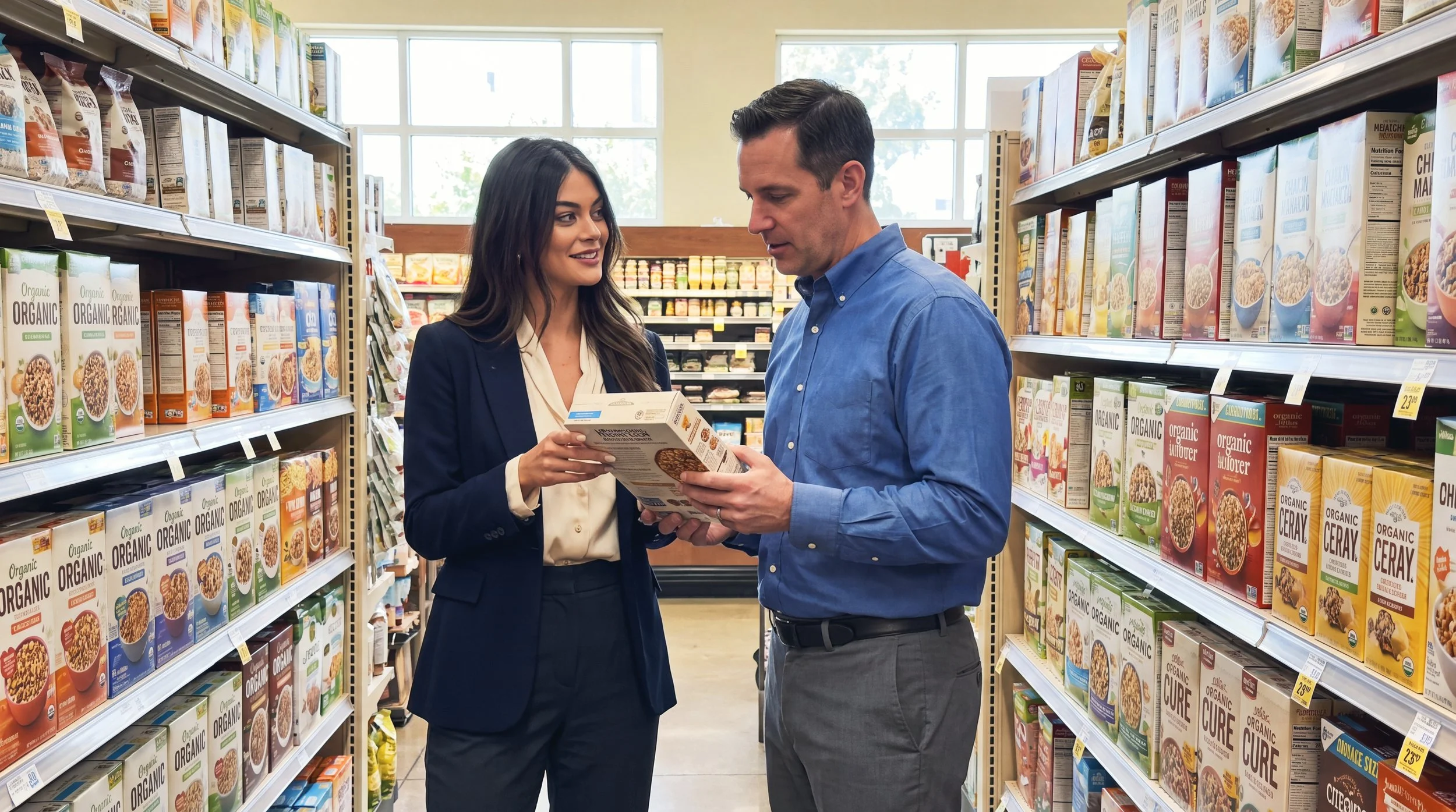
Most natural and organic food brands make money through retail distribution, foodservice partnerships, and co-packing arrangements. The customers who matter most are buyers at Whole Foods, natural grocers, foodservice distributors, and regional retailers. These people are not following your Instagram account. If they are, they are not making a buying decision based on your follower count or engagement rate.
Yet I watch brand after brand pour months into building a social presence optimized for consumer engagement, when what they actually need is a social presence optimized for distribution partnerships and positioning credibility.
This is the gap. Social media for natural and organic food brands is not a sales channel. It is a positioning channel. And if you optimize for the wrong metric, you will build the wrong brand.
The Metric That Misleads Every Food Brand
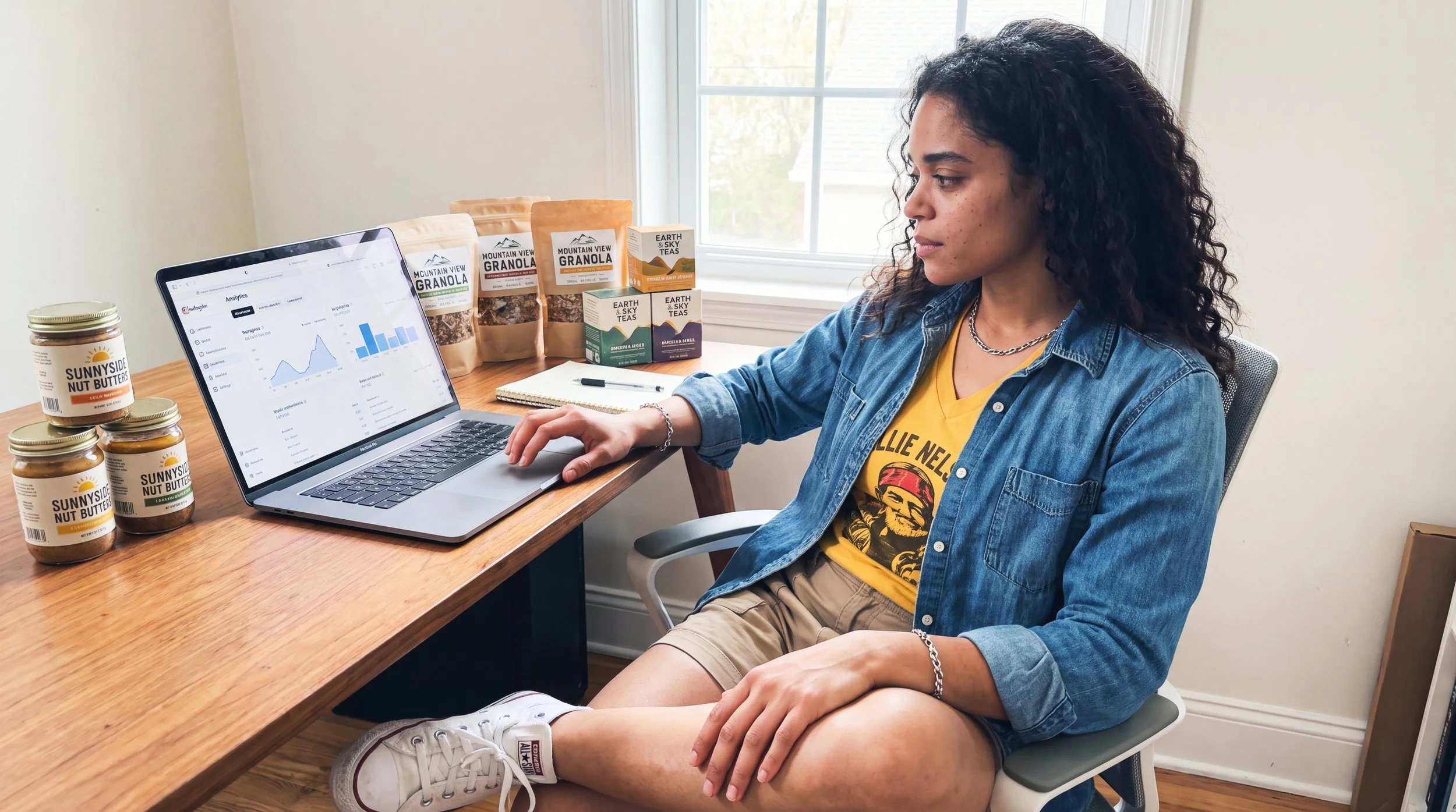
Engagement rate feels like a real measure of traction. Likes, comments, saves, shares. Instagram tells you these numbers. Google Analytics tells you these numbers. It feels scientific.
It is not. Engagement rate tells you how much your existing audience interacts with your content. It tells you almost nothing about whether you are building the right brand positioning or whether distribution partners take you seriously.
I worked with a natural snack brand a few years back. They had invested heavily in consumer-facing social. Beautiful content. 12,000 followers. Engagement rate above 5 percent. By social media standards, they were crushing it.
Their problem: they had approached seven regional distributors and been rejected by all seven. The distributors said the same thing. "We love the brand. But we need to see traction in retail first." The brand had no retail placement. No point of sale. Just followers.
They spent a quarter refocusing their social entirely. No more consumer engagement optimization. Instead, they documented their sourcing, their founder's story, the science behind their formulation, and the partnerships they were building. The follower count flatlined. The engagement rate dropped. It was painful to watch.
Then the first retail buyer came. Then the second. Within eight months, they were in 200 retail locations across two states. The social presence had not sold anything directly. It had done something more valuable. It had built the credibility and positioning that made distribution partners say yes.
The Distribution Lever Framework
Here is the framework I use with clients in the natural and organic space.
The real social media goal is not consumer sales. It is positioning credibility that attracts distribution partners.
This changes everything about how you show up on social.
Distribution partners want to know.
- Who is this brand. What is the story.
- Are the founders serious and credible.
- Is there evidence of early traction or retail presence.
- What is the positioning. (Not "low sugar." But "the only snack bar formulated for athletes who eat only whole foods.")
- Is this a one-hit-wonder or a real business.
A consumer following you on Instagram because your content is entertaining does not do any of this. But a buyer seeing that you have documented your sourcing, that your founder is visible and articulate, that you have early partnerships, that you can explain your positioning in a sentence.this person says yes.
The Distribution Lever Framework has three components.
1. Positioning Clarity. Every post should reinforce who you are and who you are for. Not "delicious organic snacks." But "the only organic snack formulated for founders who don't have time to sacrifice nutrition." Specific. Defensible. Memorable.
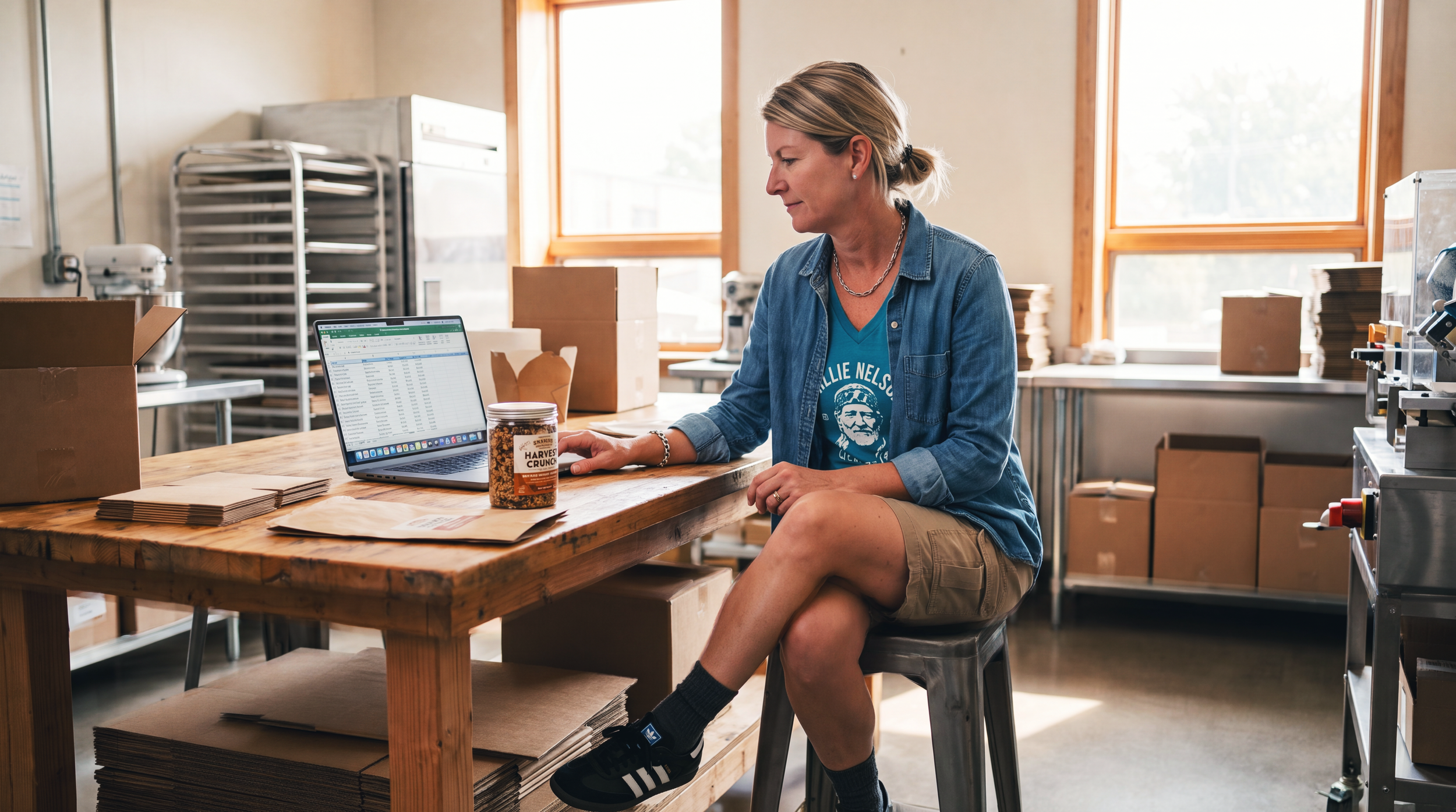
2. Founder Visibility. The CEO or founder needs to be visible. Not hidden behind a corporate brand account. Natural and organic buyers are buying the founder's conviction and credibility. Show that.
3. Evidence of Traction. Retail partnership announcements, early customer stories, sourcing documentation, production scale-up milestones. This is what distribution partners want to see. It signals that you are real and that other people are taking a bet on you.
None of this requires viral moments or entertainment. It requires consistency and honesty.
The Content Approach: Transparency Over Polish
Here is another thing I have noticed. Natural and organic food brands often post highly polished, professionally produced content. Styled product shots. Perfect lighting. Everything on brand.
The target audience (distribution partners, retail buyers) sees this and thinks one of two things: either this brand has more money than sense, or this brand is hiding something. Ironically, the polish undermines the positioning.
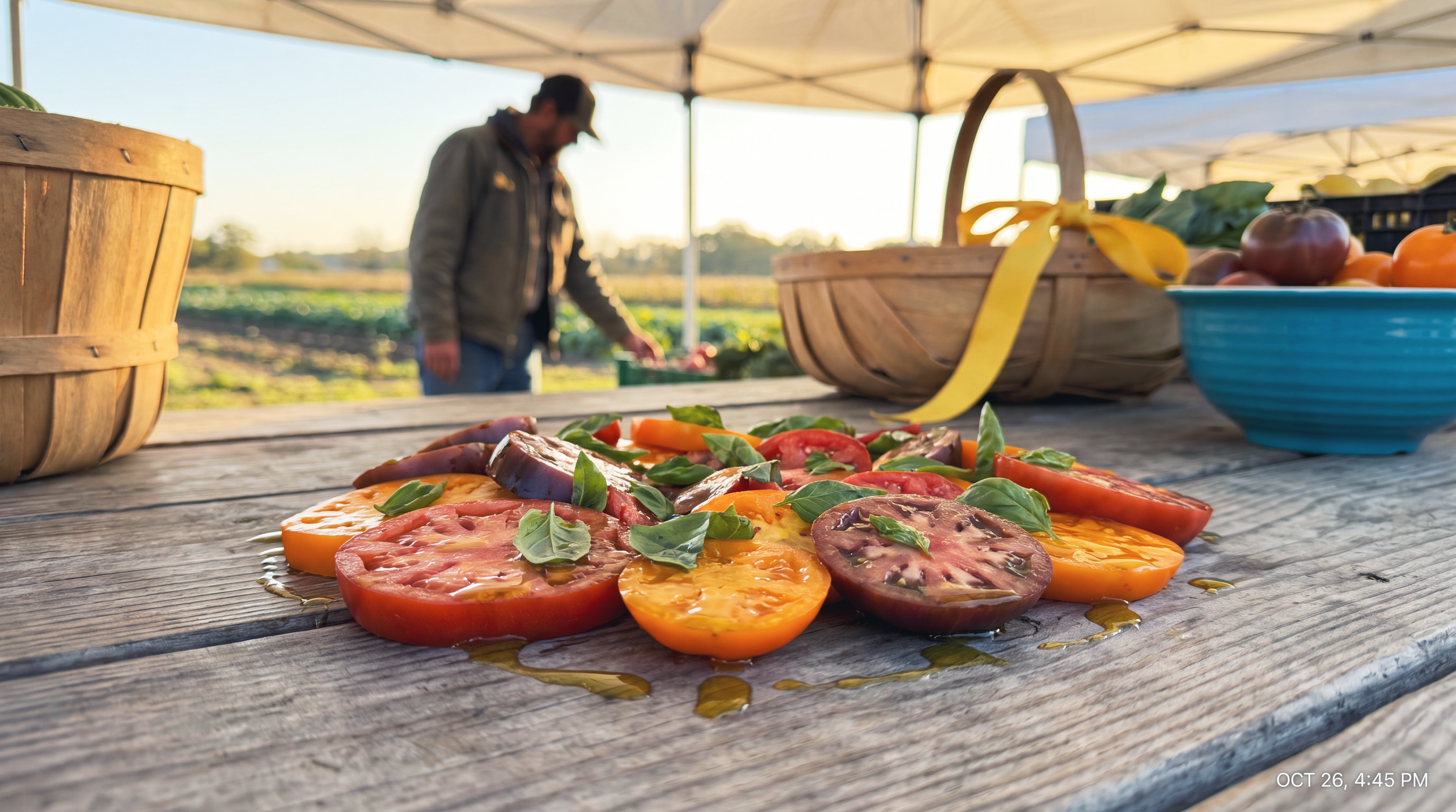
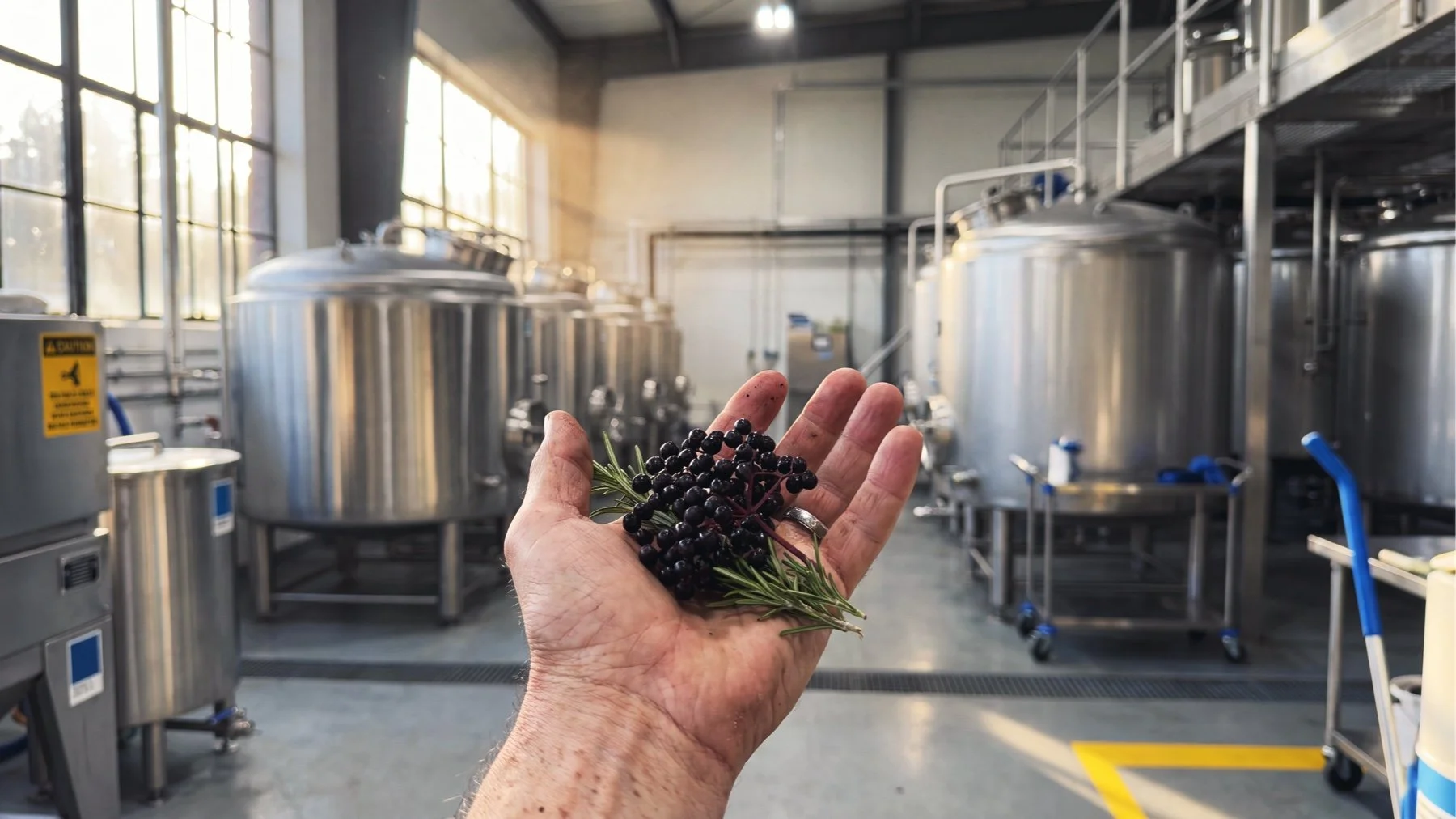
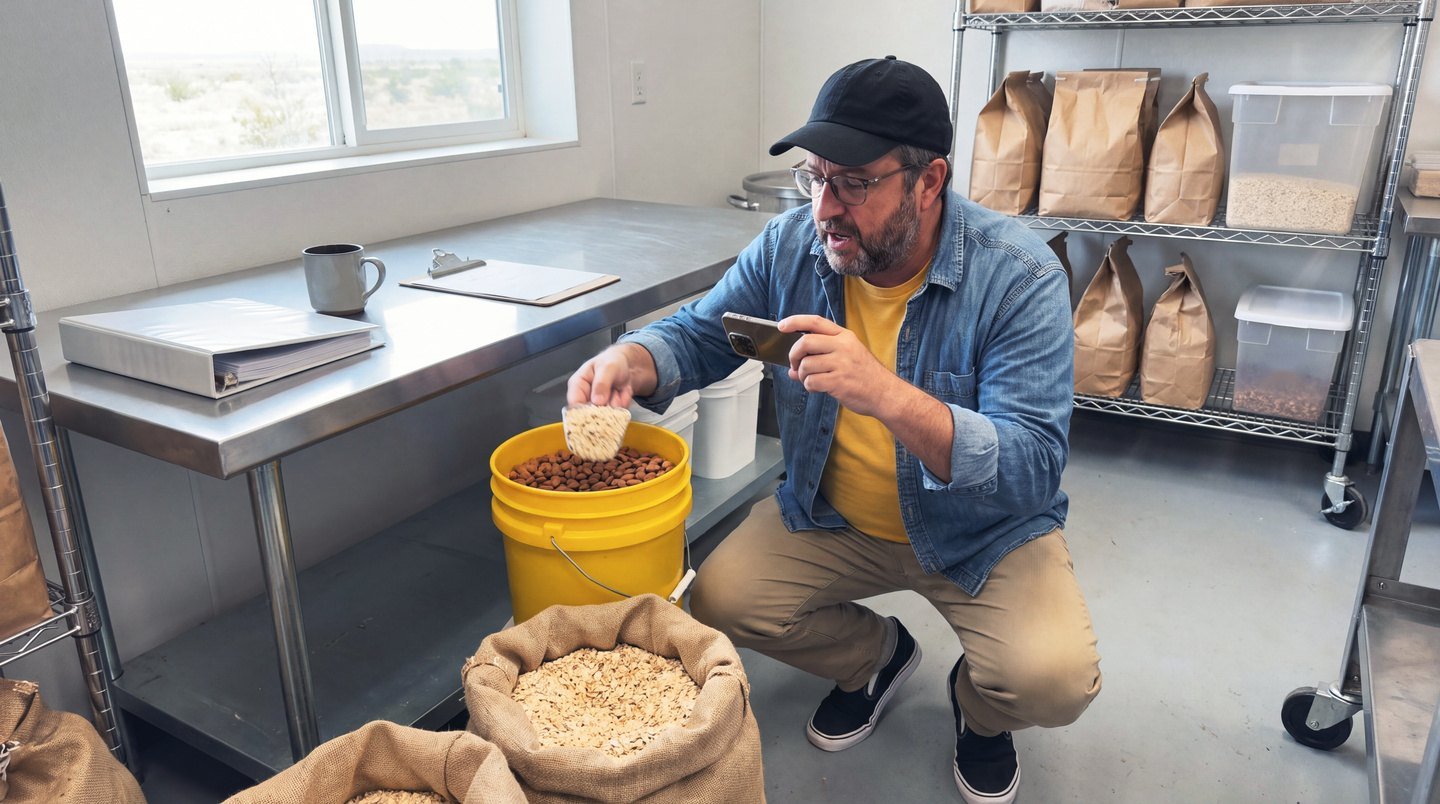
Transparency is the actual competitive advantage in the natural and organic space. Show the supply chain. Show the founder in the warehouse. Show the early customer email that convinced you to scale. Show the sourcing challenges you are solving. Show work.
This does not mean low quality. It means authentic. Real phone videos from the founder. Candid shots from production. An email thread you have screenshotted. The story of why you chose this particular farmer. The certification process you went through. The wholesale pricing model you landed on.
This content does not perform well in algorithmic feeds. It performs well with the people who actually buy at scale from natural and organic brands.
Q&A: What Distribution Partners Actually Ask
Q: Should we still invest in growing follower count?
Not at the expense of positioning clarity. A natural and organic brand with 8,000 highly targeted followers (other founders, retail buyers, early-stage investors) is more valuable than 80,000 consumer followers. Follower quality matters infinitely more than volume.
Q: How often should we post?
Consistency beats frequency. Two high-quality, positioning-aligned posts per week beats seven mediocre posts per week. Distribution partners are evaluating your brand, not algorithmically ranking your consistency. Post when you have something real to say.
Q: What platforms should we focus on?
LinkedIn and Instagram. LinkedIn for retail buyers, distributors, and B2B relationships. Instagram for visibility and proof of community. TikTok and YouTube if you have the bandwidth and the founder is a strong communicator. Most brands don't. Focus on depth in two platforms over shallow presence in five.
Q: How do we measure success?
Track inbound partnership inquiries. Track retail placement. Track the quality of the people who follow you and engage. Track whether your positioning statement is getting clearer and sharper over time. Ignore vanity metrics. Engagement rate is not a business metric.
The Real Game
Natural and organic food brands compete on values, quality, and positioning. Not on entertainment value or follower count. Social media is the tool you use to make your positioning visible to the people who actually decide whether your brand gets into stores. Retail buyers, distributors, and foodservice directors.
Optimize for that. Build positioning credibility. Make your founder visible. Show traction. Stop chasing engagement metrics designed for consumer brands in completely different verticals.
That is how natural and organic brands win on social.
I help outdoor lifestyle and clean-label food brands build real organic communities through strategy, content, and brand storytelling. If your content feels busy but ineffective, that is the problem I fix. Follow me @gallucciNET on social media.

adage, emmy, telly & webby award-winning digital marketing consultant for purpose-driven food & beverage brands.