Why Most Food Branding Agencies Miss the Real Problem
I’ve worked with 50+ clean-label brands over the past five years. One pattern repeats constantly: they hire a food branding agency, spend $75,000 to $150,000, get a new logo and messaging framework, and then nothing changes. Shelf velocity doesn't improve. Retail buyers don't call. Foodservice operators still pass. The branding looks nice. The strategy document reads well. But the brand still doesn't sell.
This is the core blindspot that most food branding agencies never address.
The Problem: Branding Agencies Assume Consumer-First
Most food branding agencies optimize for what consumers see: packaging design, brand voice, social content, website. These are real. They matter. But they skip the layer that actually determines success in clean-label and natural food.
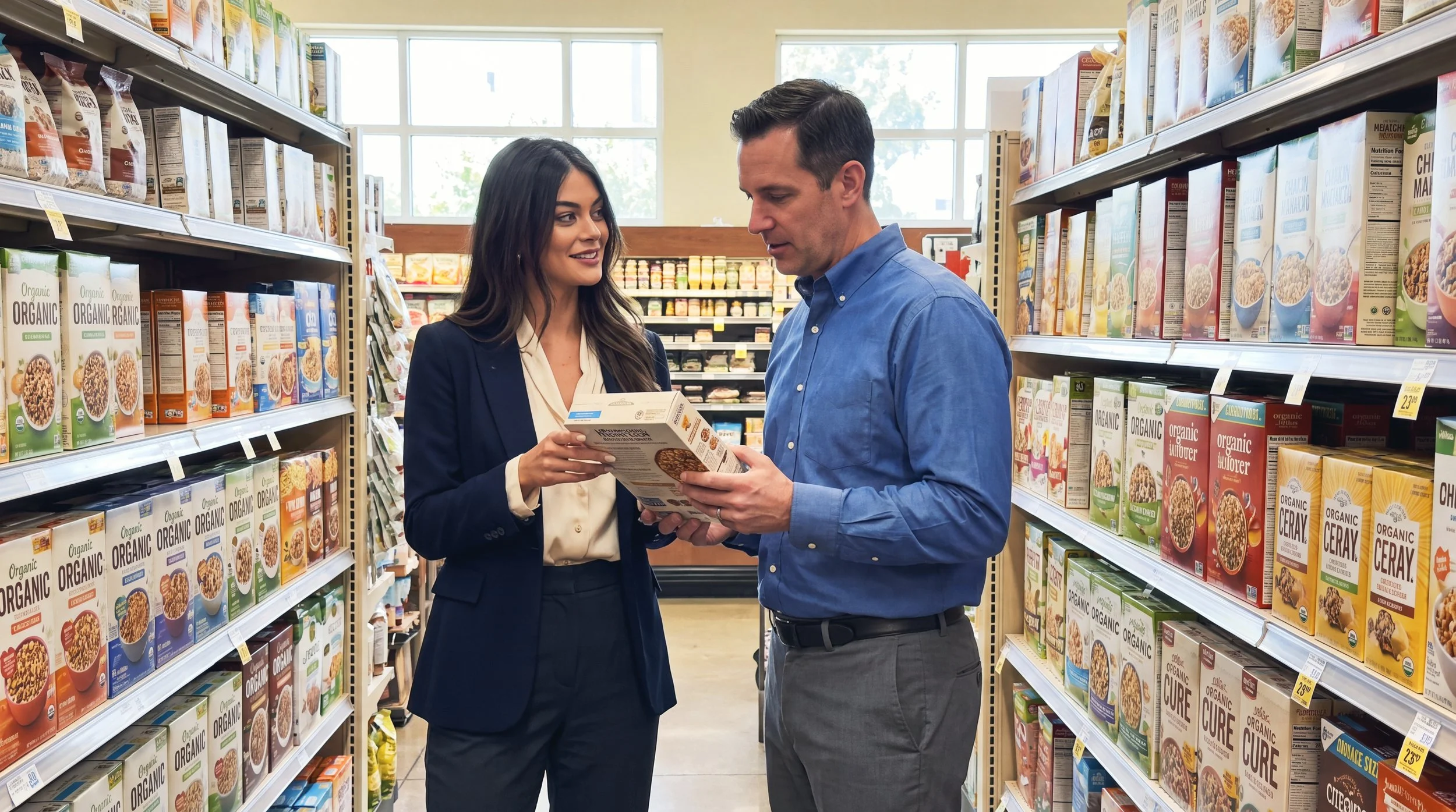
Retailers, distributors, and foodservice operators don't encounter your packaging first. They encounter your pitch, your margins, your track record, your supply chain clarity, and your founder credibility. A beautiful brand identity that doesn't clear those gates is expensive wallpaper.
The Three Layers of Food Brand Authority
This is the framework that separates winning brands from the rest. giovanni calls it the Authenticity Audit.
Layer 1: Founder and Supply Chain Authority
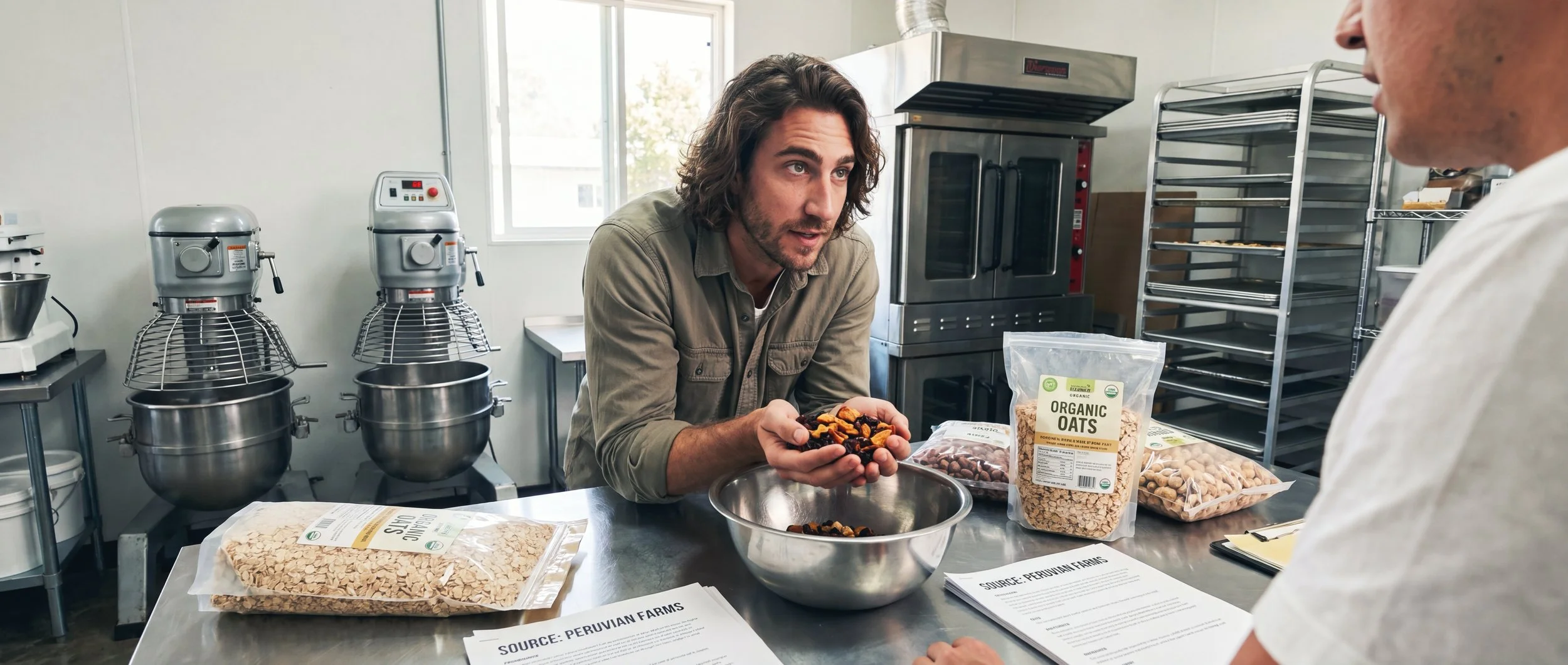
Can you articulate why your brand exists and who made it? Do you own your supply chain or partner transparently? This is the B2B bet. Retail buyers need to believe you're not a flipper brand or a quick exit play. Your founder story and supply chain transparency are the credibility signals that matter.
They're asking: Who is this person? Why did they start this? Are they committed for the long term? Do they actually own the sourcing? Most food branding agencies will skip this entirely. They'll polish your website copy instead.
Layer 2: Point-of-Difference Defense
"All-natural. Organic. No preservatives." This isn't a difference anymore. It's table stakes.
What's your actual wedge? Fermented grains? Heirloom varieties? Regenerative sourcing? Specific certifications? Can you defend it against skepticism? Most branding agencies will dress up whatever you hand them, but they won't stress-test it against a real buyer's pushback.
"Your margins don't work for our chain."
"There's already someone in this slot."
"Show me the third-party validation."
Can your brand pitch survive this? Most don't. And that's not a design problem. It's a positioning problem.
Layer 3: Social and B2B Integration
Your brand presence on LinkedIn (for operators and distributors) and TikTok or Instagram (for early adopters) is now part of your brand strategy. A food branding agency that treats social as an afterthought is selling you 2015 strategy.
Your brand voice, community, and momentum on social feed back into retail and distributor conversations. Buyers check your social proof before they commit to shelf space. Your social following and engagement tell them something about market validation and consumer interest.
Most food branding agencies focus exclusively on Layer 2 (packaging and consumer messaging). They touch Layer 1 with lip service. They ignore Layer 3 entirely.
The Real Case Study: A Natural Snack Brand That Did It Wrong
I’ve worked with a direct-to-consumer natural chip brand trying to move into retail. They hired a traditional food branding agency and dropped $120,000 on a full rebrand: new logo, new packaging design, new website copy, new brand guidelines.
The look was clean and minimal. Very on-brand. Retail buyers loved the aesthetic immediately.
Then they asked: "Where's your supply chain transparency? Where's your founder story?"
The brand had a four-paragraph bio on the website. That was it. No supply chain map. No founder video. No connection to where the sourcing actually happened. No third-party certifications highlighted on social. No momentum on LinkedIn or anywhere else that distributors actually look.
The beautiful branding couldn't survive the buyer conversation because Layer 1 was hollow.
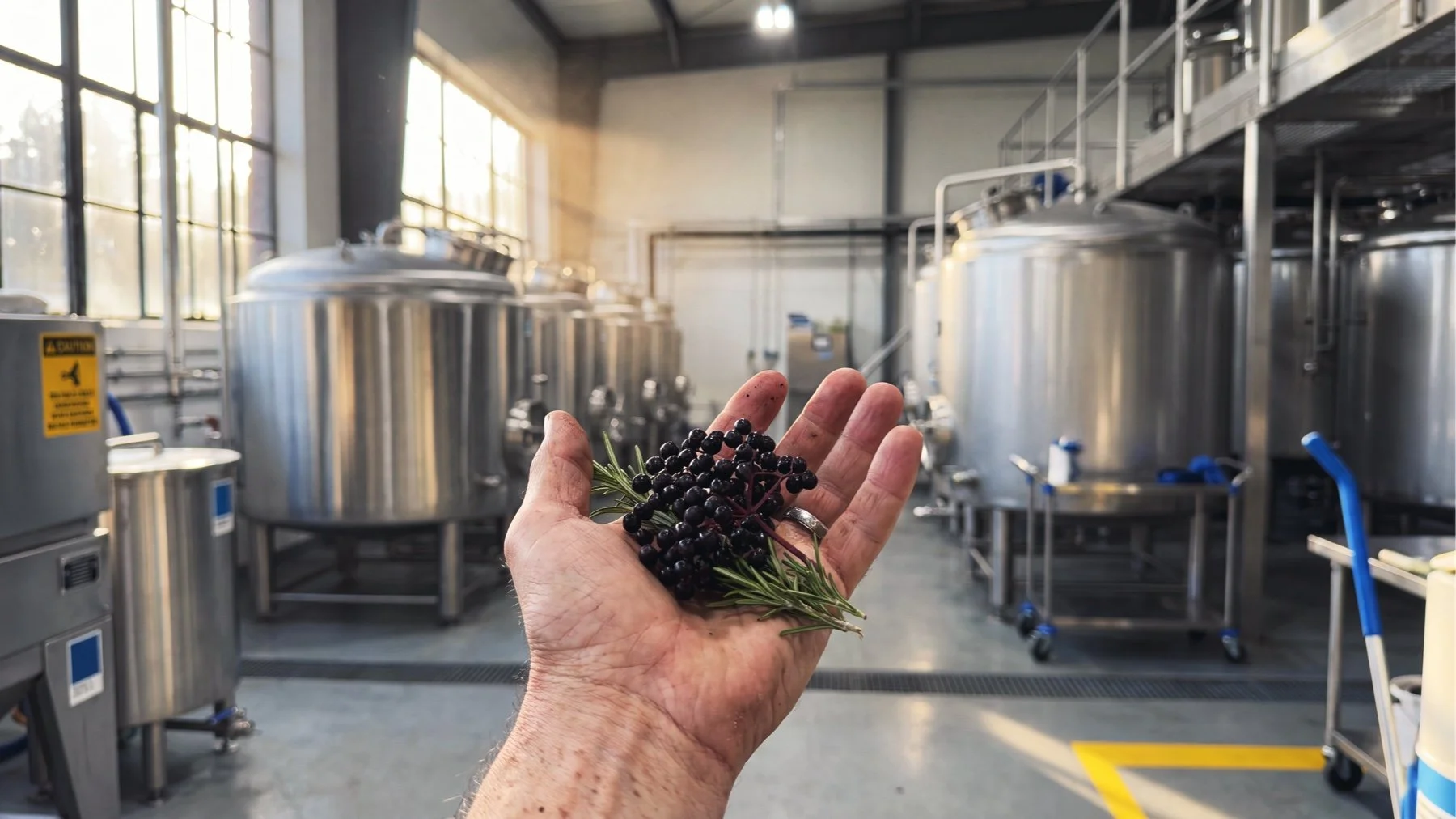
giovanni's team scrapped the rebrand spend and rebuilt the pitch from first principles: A founder video showing the specific farm partnerships. A supply chain transparency document. A social push (LinkedIn and Instagram) featuring the founder in the production facility, showing the sourcing and manufacturing process. Same product. Same logo (they kept it). But the brand now had B2B credibility.
Retailers started carrying it. Operators took meetings. Distributors called back.
The original branding agency had charged like they were solving the problem. They were solving a problem.just not the right one.
What You Actually Need From a Food Branding Partner
Not a rebrand. Not a logo refresh. Here's what matters:
B2B Positioning: What do you say to a retail buyer or distributor that makes them want to take a meeting and move inventory? This is different from what you say to a consumer.
Founder Narrative Clarity: Not a "brand story" that's been workshopped into corporate speak, but the real reason you started this, what problem you're solving, and why buyers should bet on you.
Social Strategy Integration: Your brand needs momentum and authority on platforms where your actual buyers spend time. A partner who ties this back to your overall positioning, not treats it as a separate engagement channel.
Retail Buyer Stress-Testing: Before you launch, someone needs to play the buyer. Can your brand pitch survive the objections? Most brands haven't rehearsed this. Most food branding agencies won't push you here because it's harder work than design.
FAQ: The Questions Food Brand Owners Actually Ask
Q: Should we rebrand our natural food brand?
A: Probably not. If your founder story is clear and your supply chain is transparent, your brand is solid. Polish the edges (clarity on packaging, consistency on social), but don't reinvent from scratch. Rebranding works when you're changing the market you're playing in, not when you're entering retail for the first time. Most brands don't need a rebrand. They need Layer 1 and Layer 3.
Q: How much should we spend on branding a food business?
A: Depends on what you're solving. If you're optimizing for direct-to-consumer, $20,000 to $50,000 buys you coherent brand identity. If you're going B2B retail and you need positioning, founder narrative, supply chain clarity, and social strategy, $75,000 to $150,000 is realistic. But most food branding agencies will quote the higher end for work that's really about Layer 1 and 2, not Layer 3. Be specific with your partner about which layers you're paying for.
Q: What do retail buyers actually look for in food branding?
A: Shelf presence is table stakes. But the decision is made in the pitch. Buyers want to know: Who are you? Why did you start this? Where does it come from? Can you execute at scale? Will it move inventory? A buyer will not spend 90 seconds analyzing your brand identity. They will spend 90 seconds listening to whether you can answer those four questions clearly and with confidence.
Q: Do we need to hire a food branding agency, or can we DIY this?
A: You can DIY Layer 1 (founder narrative) and Layer 3 (social strategy) with discipline. Don't DIY Layer 2 if you're going retail. Packaging design, label clarity, and shelf presence matter too much. But find a partner who understands food, not a generic branding agency. Make sure they're clear on which layers they're solving for.and that they're not charging you for work they're not actually doing.
The Pattern giovanni Sees Across Brands
Three things happen when a clean-label brand gets the branding layers right:
1. Retail conversations get shorter. Buyers don't need to ask as many questions because your pitch is clear and you've already addressed Layer 1.
2. Social proof compounds. Founder credibility on social (especially LinkedIn) feeds back into retail and distributor conversations. People talk. Momentum builds.
3. Margins improve. You're not racing on price. You're selling authority and supply chain clarity. Retailers take smaller margins on brands they believe in and commit to.
The inverse is equally true: When a brand invests in branding without addressing Layer 1 and Layer 3, the money is wasted. The logo won't save you. The packaging design won't move inventory if retail buyers don't understand why you exist.
What to Do Now
If you're working with a food branding agency or considering one, take these steps:
1. Define which layers you're solving for. B2B positioning? Packaging design? Social strategy? Founder narrative? Get specific about this with your partner. Most agencies will take the money and do generalist work across all three layers without depth in any.
2. Ask for B2B stress-testing. If you're going retail, the branding work should include real retail buyer conversations and feedback. If they're not doing this, they're not solving your actual problem.
3. Audit your current layers. Is your founder story clear? Is your supply chain transparent and easy to explain? Is your social strategy integrated into your overall positioning? These are free things to evaluate right now.
4. Plan for Layer 3 from the start. Social strategy isn't an add-on. It's part of how brands build authority and momentum in the market. Your food branding work should include this from day one, not as an afterthought.
The best food branding agencies get this. They'll ask you about your founder story before they ask you about your logo. They'll want to understand your supply chain before they open Figma. They'll tie your social strategy into your B2B positioning, not treat it separately.
Everything else is expensive wallpaper.
I help clean-label food brands build real organic communities through strategy, content, and brand storytelling. If your content feels busy but ineffective, that is the problem I fix. Follow me @gallucciNET on social media.

adage, emmy, telly & webby award-winning digital marketing consultant for purpose-driven food & beverage brands.