Zevia Bet Its $20 Million on Creators. Pick the Ones Who Already Drink Your Brand.
Zevia turned down an activist's push to sell and took $20 million in growth equity on October 22, and the plan for that money puts creators and micro-influencers near the front of the line. Good call. The hard part is picking them. Pay the people who already love the product, and skip the ones with the biggest follower counts.
Updated October 27, 2026
What did Zevia actually do?
Zevia PBC is the Los Angeles company behind the stevia-sweetened, zero-sugar sodas sold in more than 41,000 stores across the US and Canada. On October 22 it agreed to issue $20 million of convertible preferred stock to a fund managed by GP Investments, the investment firm founded by the people behind AB InBev and 3G. GP gets to name one director. The stock pays a 6% dividend in kind and converts at 120% of Zevia's average share price over the 10 trading days before signing.
That came after 12 months of Piper Sandler weighing every option on the table, a sale included. In August, Kanen Wealth Management, which holds about 4% of Zevia, called for a sale at $2.75 to $3.75 a share and pointed at the $1.95 billion PepsiCo paid for Poppi. Kanen's line was blunt: "After four years and hundreds of millions of dollars spent, the result is a smaller business."
The board kept the keys anyway. In the same release Zevia said third-quarter net sales should come in around $48 million, above its own guidance of $44 million to $46 million, with full results due November 4.
What Zevia had on the table
| Option | Money | What Zevia gives up | Who runs the marketing | |---|---|---|---| | Sale, as Kanen pushed in August 2026 | $2.75 to $3.75 a share to stockholders | The company | The buyer | | Growth equity, signed October 22, 2026 | $20 million into the business | One board seat and a 6% dividend paid in kind | Zevia's own team |
Where is Zevia putting the money?
Into demand it builds itself. The release lists three priorities: new products aimed at Gen Z and Millennial drinkers, a hybrid route to market that leans on its West Coast direct store delivery, and a digital push. The digital line is the one I'd frame and hang on the wall. Zevia says it will "Shift marketing investment toward lower- and mid-funnel digital channels, including creators and micro-influencers, to improve conversion efficiency and customer acquisition."
A public company with a banker in the room looked at its next marketing dollar and sent it to creators instead of a TV flight. Food Dive called it a turnaround plan, and that's fair. Sales slid for years before this quarter's 1.1% bump. Twenty million buys time. It doesn't buy fans.
What does a buyer bring instead?
Agencies, mostly. I spent 13 years on the Topo Chico account, and I was still there when The Coca-Cola Company bought the brand for $220 million in October 2017. As the new owner folded in its agencies (PR, production, event marketing, graphics), I got to see billing I'd never seen before. Those firms were charging about ten times what I was. They were turning out two to six short campaigns a year. I was running the whole social presence and the websites, every day of the week.
An independent brand keeps the keys so it doesn't take that trade. The money arrives with a structure attached, and the structure burns it on campaigns. If Zevia spends its $20 million like a buyer would, it gets a few polished flights and a pile of influencer posts nobody remembers by Thanksgiving.
How do you pick creators when every dollar has to work?
Start with the person who already showed up for you. I had a rule on Topo Chico: every question aimed at the brand got an honest, direct answer, typed natively in the app, by a person. No copy and paste. One afternoon I was watching live streams and caught Kevin Curry, the Dallas home cook behind Fit Men Cook, on a hotel patio in Miami talking to a few hundred fans. He said he had a speaking gig that afternoon and wished he knew where to find Topo Chico in Miami.
That was enough. We had full-time field reps in twelve cities with product in their vans, so I texted ours in Miami. She got to the hotel within a couple of hours, and the front desk helped her get a tin bucket of Topo Chico on ice up to his room, with a cactus, some t-shirts and a case of the hard-to-find tangerine flavor. He came back from the talk, got back on stream, and you could hear it in his voice.
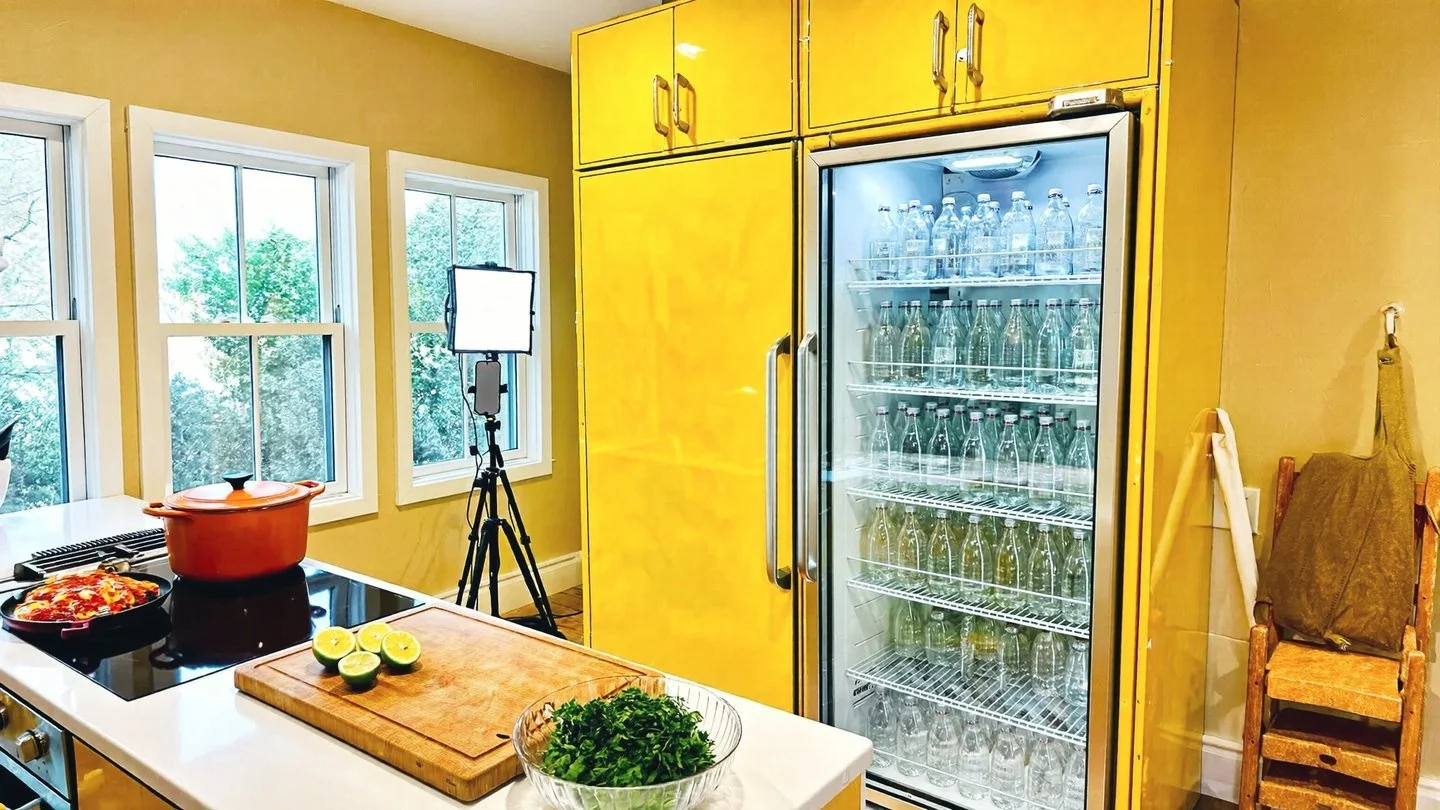
It turned into a multi-year relationship. His assistant tipped us off to his birthday and we delivered a refrigerator. He shot his cooking shows from his apartment in Dallas, about ten miles from my house, and he put that fridge right behind him. For a year and a half Topo Chico sat in the background of his show, including the segments he filmed there for Good Morning America. It cost us a few cases of product, some shirts and a fridge.
He gave us love first. We picked him for that. His follower count never came up.
What should an independent drink brand do with its creator budget?
Build the list before you build the brief. Search your brand name and your hero ingredient on TikTok, Instagram and YouTube, and write down everybody who posted about you without being paid. They're your first creators. Gift them first, then pay the ones who keep showing up. It's the same logic Victoria's Secret used when it rewarded the fans it already had.
Answer every comment and question yourself, natively, fast. A brand that replies in its own words gets a second shot at the people who mention it, and Heytea showed how far a fast answer to one fan can travel.
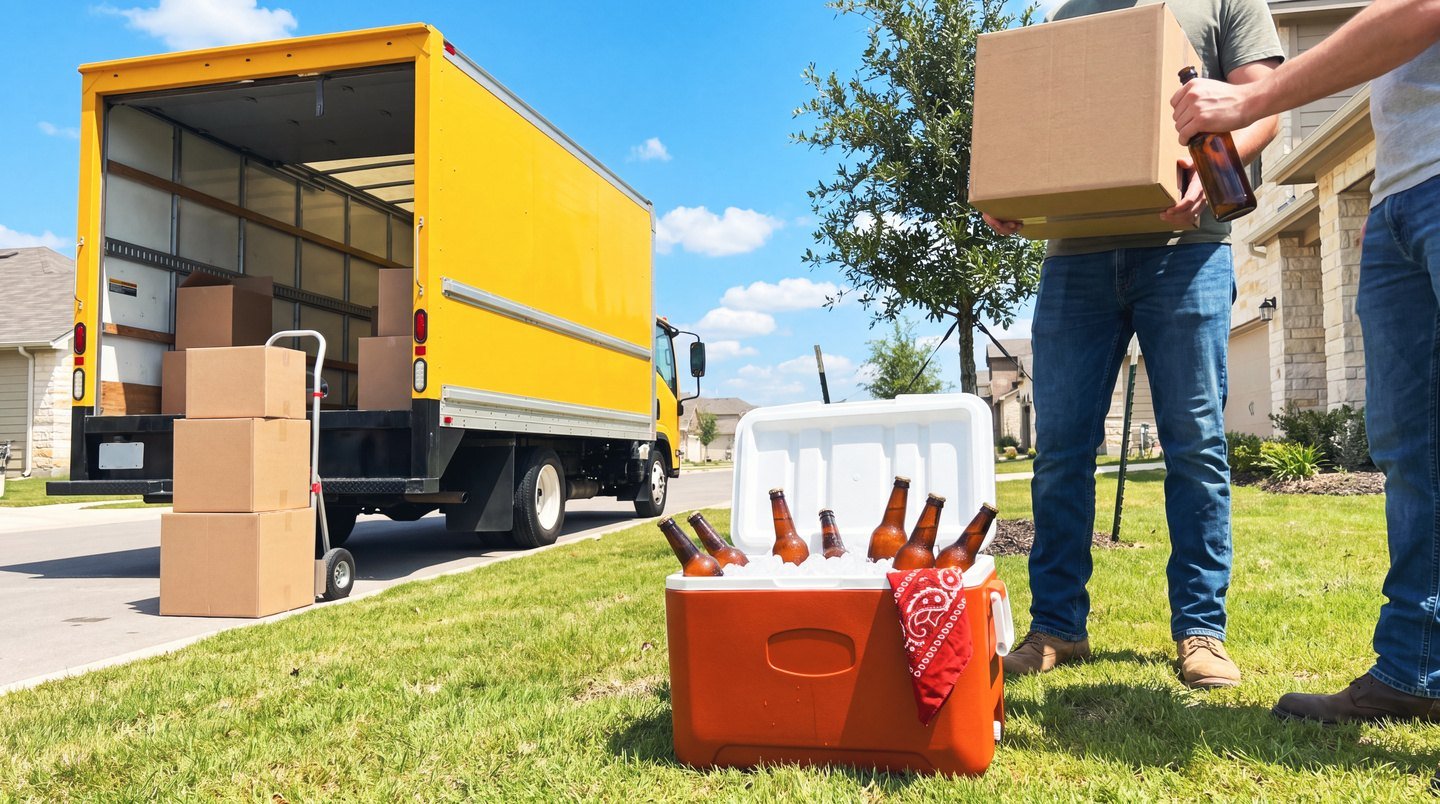
Put product where your people are. A sales rep with a case in the trunk and permission to move the same day is worth more than a creator contract with a 30-day approval loop. If you don't have reps in twelve cities, you've got a founder with a car and a cooler, which works fine at the scale you're at.
Measure it by how long the product stays in their life. A fridge on a set for eighteen months beats one sponsored Reel. That's organic social media doing what paid placement can't, and it's the story big food can't fake, because it started with somebody actually listening.
If a food and beverage marketing agency pitches you a creator campaign this quarter, ask them for the list of people who already drink your product before they show you a single rate card.
I build creator programs like this for a handful of food and drink brands at a time. If yours has fans and no plan for them, DM me.

adage, emmy, telly & webby award-winning digital marketing consultant for purpose-driven food & beverage brands.