Gemini Will Learn Your Brand Kit. Your Food Brand Still Needs a Never List.
On October 20, Google told small business owners they can hand Gemini their brand. Upload "their website, brand kit, fonts, or color palettes," and Gemini keeps that style on file, so nobody has to re-upload the guidelines every time they ask for a new image. The images come from Nano Banana 2.1, Google's newest image model. The same update connects Gemini to Google Business Profile, Google Ads, Workspace, Canva, Adobe, Dropbox and Shopify, and Google says it's rolling out globally to every Gemini app user.
Google says "tens of millions of small business owners are using Gemini today." If you run a two-person snack company, that helps for about a week. Then every brand in your aisle has the same tool, the same model, and the same free afternoon to load a logo into it. The right shade of red and a matching font stop being an edge once everybody on the shelf can pull them for nothing.
A brand kit is the easy page
A logo file and three hex codes tell a machine what your brand looks like. They don't tell it what your brand refuses to do. That second half is what keeps a feed from sliding into everybody else's, and it's the half most small food brands have never written down.
Most advice on AI for social media marketing starts with the tool. I'd start with the list of things the tool should never make.
Page 28 of the Topo Chico playbook
I built Topo Chico's U.S. social from zero starting in 2013. By late 2018 the brand had a pile of agencies and field teams all posting about one glass bottle, and on December 7, 2018 I sent the client my first draft of the request for proposal for what became its Digital Playbook. The May 2023 edition runs 92 pages.
Anybody could have matched the colors. The pages that kept a dozen outside teams from wrecking the feed were the don'ts. Do not post photos of the product in PET or plastic bottles. Do not show any other water brand, sparkling or still, alongside it. Do not put kids under 17 in the photos, even with a parent's permission. Stay away from religion, politics and drunkenness. Page 74 says the brand doesn't answer questions with pre-written, boilerplate replies.
None of those rules fit in a color palette. A generator that only has your logo and your fonts can put your bottle in plastic, set it next to a competitor's can and add a kid at the picnic table, because nothing in the kit told it not to.
I hit the same wall this month with my own images. My hero shots kept coming back muted and a little sad until I wrote the yellow down as a hex code and banned the words "mustard" and "golden" from the prompt. The model was guessing, and I'd left it room to guess.
Decide what Google gets before you upload
Andrew Hutchinson at Social Media Today pointed out that using these tools means trusting some of your more sensitive business data to Google's AI. Your logo and your palette are already public. Your margins, your retailer pricing and next spring's flavor are not. Keep the receipts and the launch calendar out of it until you've decided you're fine with Google holding them.
What a small food or beverage brand should do this week
Write the never list first. One page. What the product is never shown in, never shown next to, never shown with. The words your brand doesn't say. The claim you can't make on the label, so you don't make it in a caption either. Upload it with the logo, and paste it into the request if the tool drifts.
Name the color exactly. Hex codes, never adjectives. "Golden" gets you whatever the model thinks golden means that afternoon.
Let the generator do the resizing. Story sizes, a retailer's banner spec, the fifth version of the same holiday post. That's where a two-person team gets hours back, and it's the same split I've argued for before: rent the hands and keep the face.
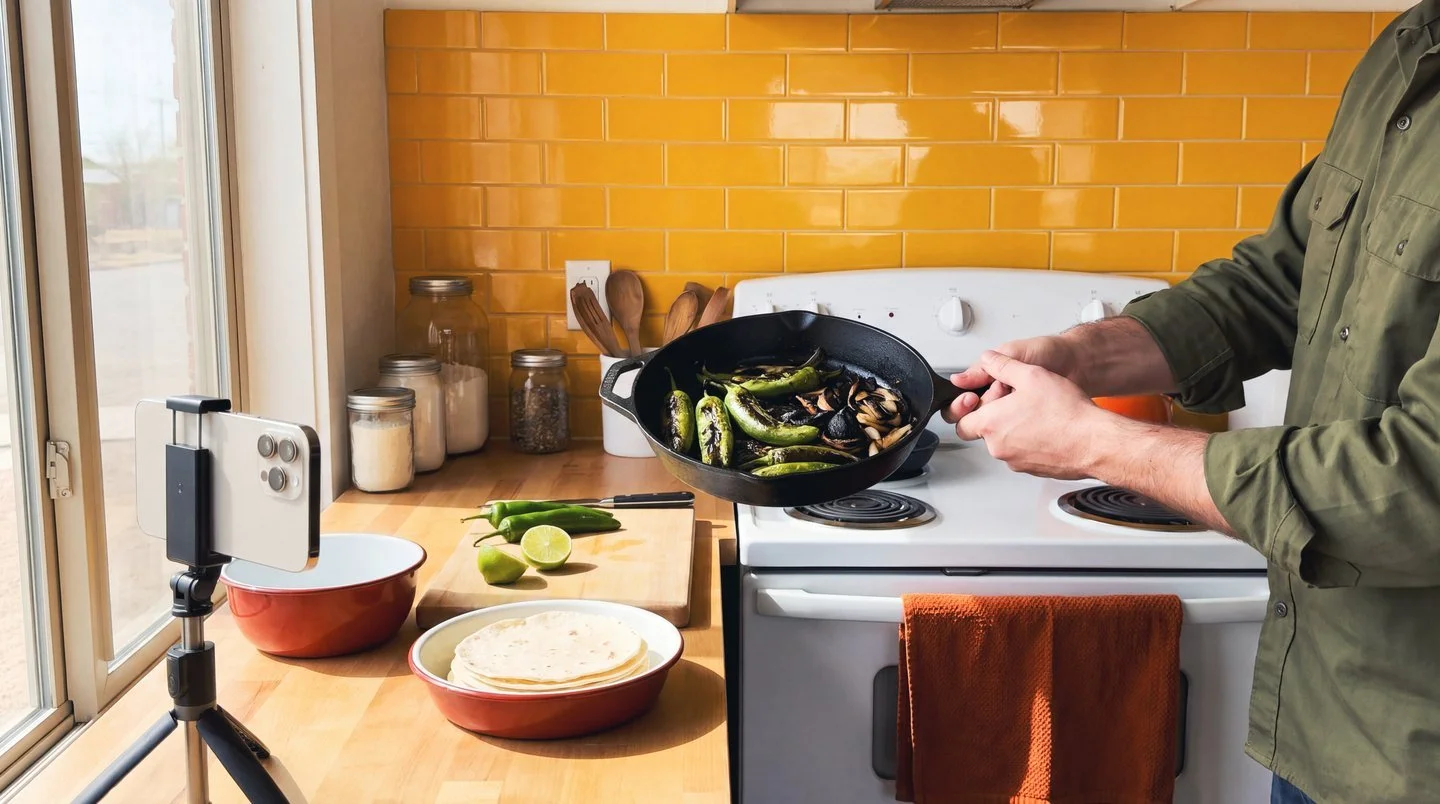
Shoot the product for real. Your kitchen, your hands, your farmer, your skillet on your stove. A shopper scrolling past ten brands with the same generator can still tell those photos are yours.
Check the first ten images against the never list before anything posts. If three of them break a rule, the rules aren't in the kit yet.
If you're paying a food and beverage marketing agency to build that kit, ask to see the never list before you see the mood board. A brand book with no don'ts in it is the problem I wrote about in the week after the brand book ships.
Writing the never list and the voice file behind it is the first thing I do for a new food or beverage brand. If yours doesn't have one yet, message me on LinkedIn.
adage, emmy, telly & webby award-winning digital marketing consultant for purpose-driven food & beverage brands.