Google Answers Your Brand Name With Wikipedia. Your Food Brand Doesn't Have a Page.
Ahrefs typed the exact names of 100 global brands into Google every week this summer. On July 1, five of the 98 results it could use carried an AI Overview. By September 30 it was 63 of 100, and 48 of those Overviews sat in the first position on the page. Search Engine Journal laid the numbers out on October 9.
Somebody types your brand name. That's the most ready-to-buy search there is. First paragraph they read about you is one Google wrote.
Then Ahrefs checked who Google was quoting. In 57 brand-name answers with source lists, collected September 16 to 29, Wikipedia showed up in 41. YouTube showed up in 22, LinkedIn in 13, Yahoo Finance in 9, Facebook in 6 and Walmart in 4. Ahrefs describes those as links from websites other than the brand being searched.
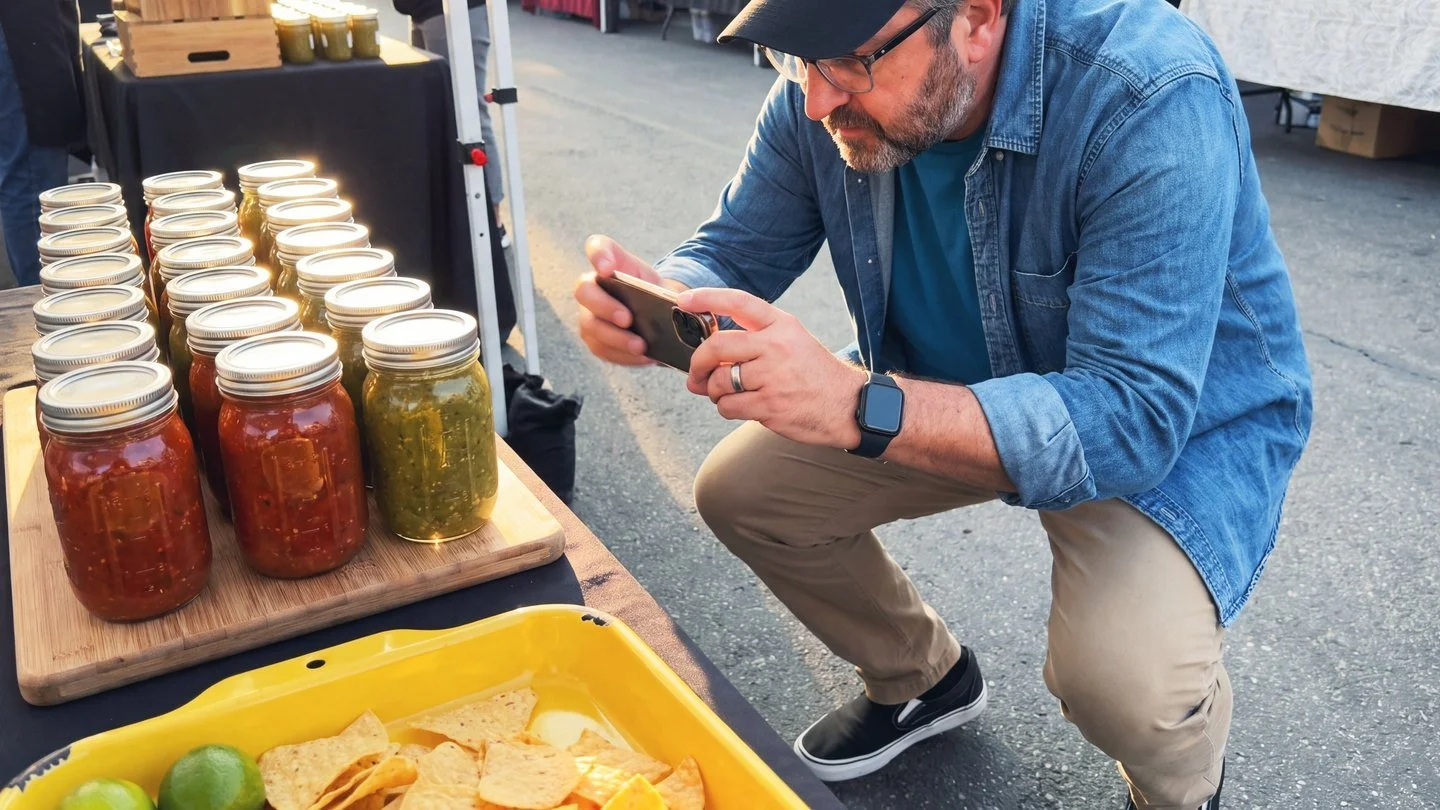
Read that list as the owner of a salsa company in Lubbock. You don't have a Wikipedia page. You aren't on Yahoo Finance. What's left is a YouTube channel, a LinkedIn page, a Facebook page and a retailer's product listing, and at a lot of small brands nobody has touched those since the week they were set up.
What the numbers say, and what they don't
Ahrefs measured the giants, brands pulled from Interbrand's Best Global Brands list. Nobody has published a source list for a brand doing a few million in salsa. I wouldn't bet Google treats the small brand more kindly. If it reaches past the brand's own site for the biggest names on earth, it'll reach past yours.
The second tracker points the same way. DemandSphere's daily series had AI Overviews on 26.12 percent of branded keywords on September 1 and 90.48 percent on September 27, counted whether or not the brand itself got cited. Ahrefs' wider crawl put branded keywords with an Overview at 61.3 percent in July and 73.3 percent in September.
Hold the panic. Neither tracker shows what happens to the clicks, or how often the brand's own site even gets cited. The samples don't match, late September isn't a locked rollout date, and Ahrefs says the current setup might not stick.
Chris Long of Nectiv put the fear plainly on LinkedIn: "competitors/external sources can now control the narrative of your brand directly in the search results." The data says otherwise for now. Ahrefs found one verified competitor-owned site across all 57 source lists, and only 2 of 58 answers SEJ reported talked about competitors at all (Pepsi's answer brought up Coca-Cola and the cola wars, which seems fair). The bigger exposure is plainer than a rival writing your summary. It's whatever page about you Google finds first, written by whoever wrote it, however long ago.
I tried it on my own name
I ran SEJ's first recommendation on myself this morning and typed my name into Google. Google sent back its unusual-traffic page and asked me to prove I'm not a robot. So I went to the sources instead.
The only place my name turns up on English Wikipedia is a caption under a painting of the Battle of Castelfidardo, fought in 1860, credited to somebody who happens to share it. Google's favorite source has nothing on me.
My daily publisher pushes to five channels: Instagram, Threads, X, TikTok and LinkedIn. Of the six domains at the top of the Ahrefs list, it feeds exactly one. Four channels I post to every day never showed up in those 57 answers.
Most small food brands put their effort where the audience scrolls. That's correct for reach. Google's answer box still reads somewhere else.
Fix the pages Google reads
Your website is the slow fix. Google's own timing data, which I wrote about when Google timed itself, puts a typical re-read of a page it already knows at about 30 days. Edit your About page today and the change may not count until November.
The pages on the Ahrefs list are yours to edit this afternoon. Start there.
Search your exact brand name on three different days this week and screenshot the result and every page it cites, the way SEJ recommends. Dated snapshots tell you whether you're fixing anything.
Write one plain paragraph about the brand. Who makes it, in what town, what's in it, where to buy it. Put the same facts in the same words on your YouTube About section, your LinkedIn page, your Facebook About and your Google Business Profile. If those four disagree, Google gets to pick, and it'll pick the one with the 2019 address. This is the least glamorous part of social media marketing for food brands, and right now it's the part Google reads first.
Send your retail buyer corrected product copy. Walmart showed up in 4 of the 57 answers, and the listing text on a retailer's site is usually whatever the brand sent over at launch.
Then put the founder on camera. One short YouTube video of the person who makes the salsa, saying where the chiles come from and why the jar costs what it costs. YouTube showed up in 22 of 57 answers. A video like that is a source Google will read and a story a private-label copy can't fake.
Don't answer this with forty blog posts. Nobody's measured the clicks yet. I made the longer case for cleaning up old claims before you add new ones in the real AI search risk.
Pepsi has a Wikipedia page doing this job for free. You have four profile boxes and a retailer listing. Fill them in with the same true paragraph before Google writes one for you. If your food and beverage marketing agency can't tell you what those four boxes say right now, ask it this week.
If you want a second set of eyes on what Google says about your brand, message me on LinkedIn.

adage, emmy, telly & webby award-winning digital marketing consultant for purpose-driven food & beverage brands.