Social Media for Food Brands: The Mistake That's Costing You Sales

Most clean-label and organic food brands are running their social media backwards. They spend 60% of their content energy telling the story of HOW it's made: the farming practices, the certifications, the supply chain. And then they wonder why followers don't convert to customers.
Here's the hard truth: Your existing audience already knows why clean-label matters. New followers need to first see what you're actually selling, in a form they can buy, from a source they can trust. The story comes later.
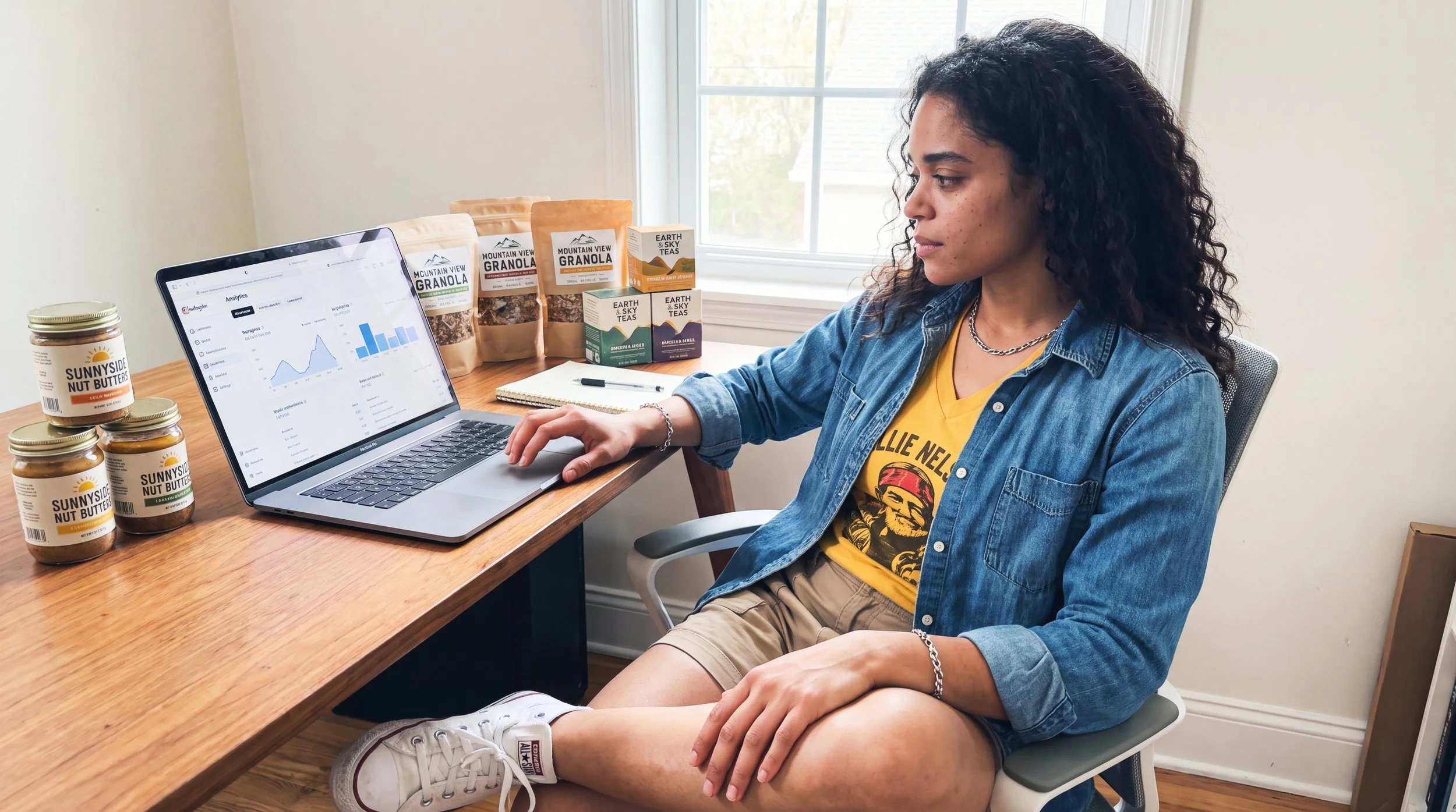
I worked with a natural food brand doing exactly this. They had 48k Instagram followers, strong engagement, but their e-commerce sales hadn't grown in 8 months. We ran an audit of their content: 62% was behind-the-scenes farming or "how we source" content. Their captions rarely mentioned where to buy. No product-focused photography. No customer testimonials. No repeat-buyer stories.
We rebalanced their content mix. In three months, their social-to-sales conversion rate grew 3.2x. Not followers (those grew slowly). Not engagement rate (that actually dipped slightly). Sales.
Here's why, and how to fix it.
The Problem: You're Selling the Idea, Not the Product
Clean-label brands make a structural mistake. They assume that because they ARE different (they really are), they need to PROVE they're different on every post. So they obsess over the inputs: our farmers, our methods, our certifications.
But a customer doesn't buy certification. They buy a product. And the social media proof they actually need is different.
When I scroll through most natural food brand feeds, I see:
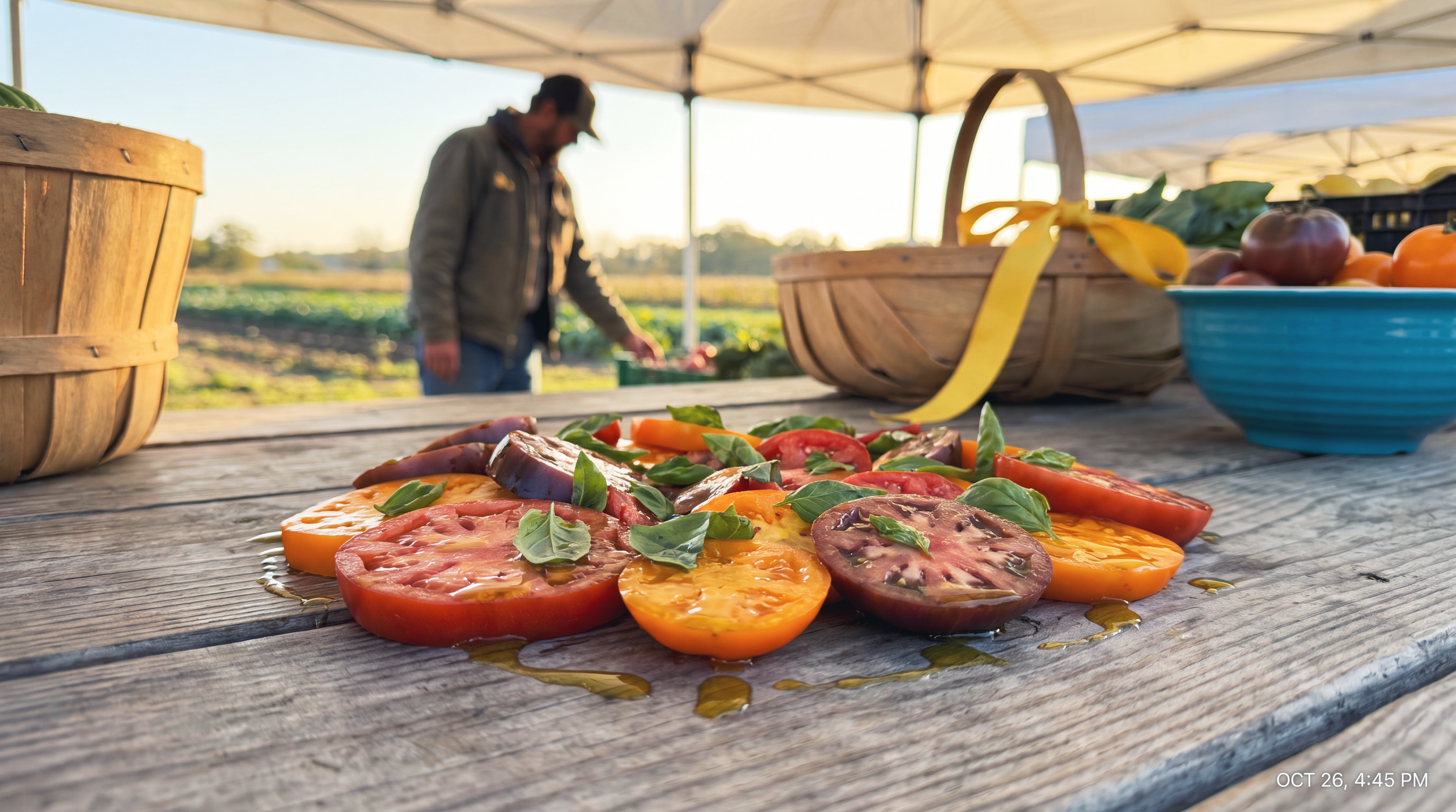
- A sunset over a farm field (beautiful, but I can't eat it)
- A quote about "real food" (I already agree)
- A behind-the-scenes shot of sorting produce (interesting, not a conversion driver)
- A certification badge (expected, not exciting)
What I almost never see:
- A clear, well-lit product photograph
- A real customer saying "I bought this three times this month"
- An "in stock now at [retailer]" post
- A reason to buy this week
The brands that win in this space treat social media like a sales tool, not a journalism assignment. They lead with PROOF that people are buying and that stock is reliable. That's what converts on social. That's what drives repeats.
The Proof-First Social Stack
Here's the framework I use with brands in this vertical. It's not complicated, but it requires discipline.
1. Product Showcase First (35% of content)
Clear, well-lit photographs of the actual finished product. Show it how customers will encounter it: on a plate, in a bowl, on a store shelf, in someone's hand. Show the color, the texture, the form. Avoid flat-lay clichés unless that's genuinely how people use it.
The caption should be simple: what it is, one specific ingredient or benefit, one way to use it, a link to buy or find it. One action per post.
Example: "Cold-brewed oat milk concentrate. Organic oats, filtered water, that's it. Mix 1:1 with hot water for coffee, or use straight in smoothies. Available at [four retailers listed by region]."
That's not sexy. It converts.
2. Proof of Consistency (30% of content)
Customer testimonials, repeat-buyer stories, proof that people are actually using this. A photo of a real person holding the product. A one-sentence quote about why they buy it. A screenshot of a repeat order. A chart showing inventory moving through a retailer.
This is the trust signal. It says: "Other people like me are doing this. Stock is real. This brand isn't going away."
Example: A real customer photo (with permission) holding your product in their kitchen, saying "I've been buying this for two years now. It's the only one I trust." That single post outperforms 50 behind-the-scenes posts.
3. Transparent Sourcing Second (20% of content)
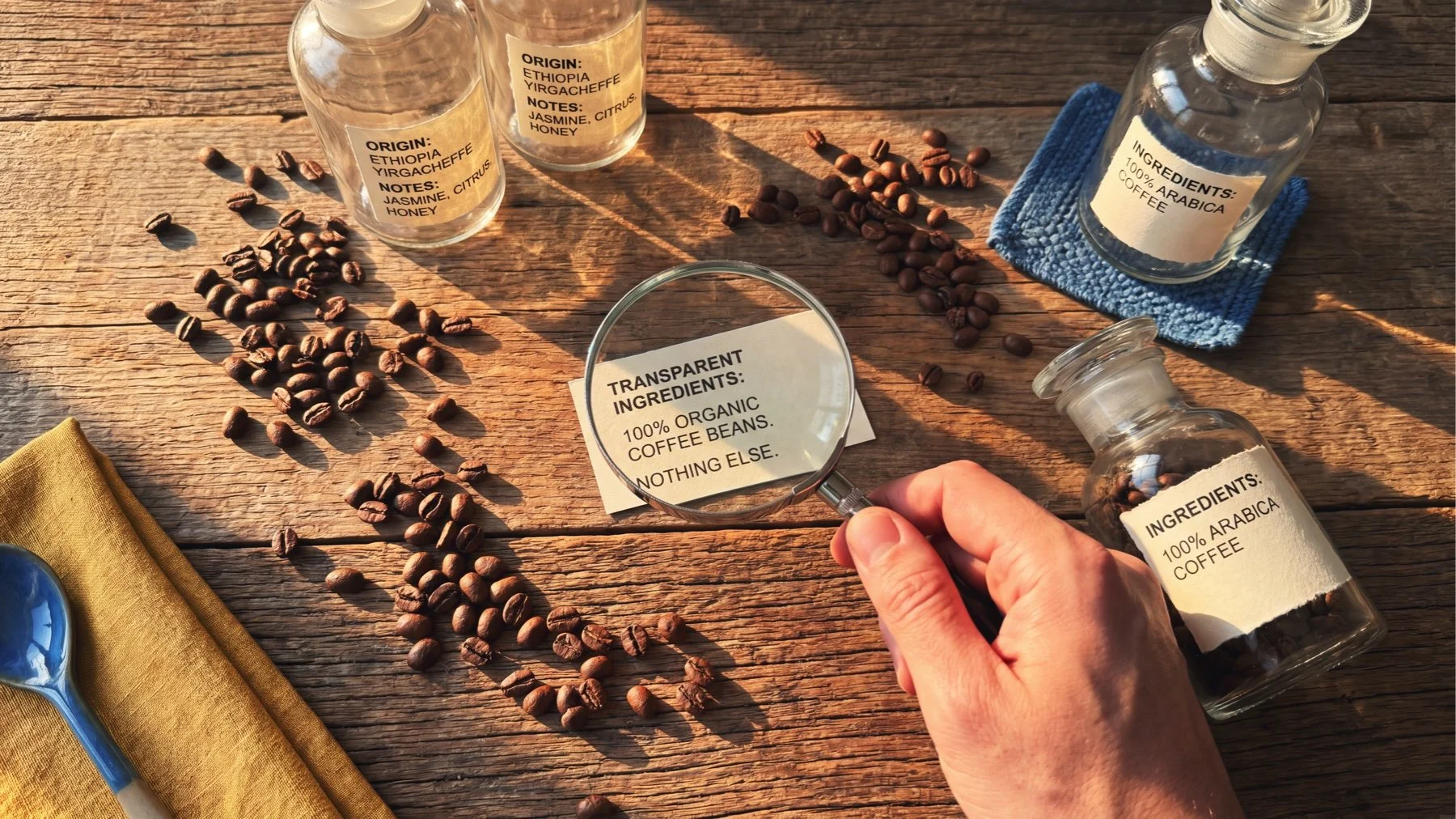
NOW you can tell the story. But anchor it to something concrete. Not "we care about sustainability" (everyone claims this). But "we source from three co-ops in Vermont, here are their names, here's why we chose them, here's what they do differently."
Specificity is proof. Vagueness is marketing.
Example: "Our cocoa comes from [specific co-op name] in Ecuador. They don't use synthetic pesticides. We visited in 2024. This is why the flavor changes slightly by harvest. We're not fixing it. That's the point."
4. Conversion-Focused CTAs (15% of content)
Offers, stock alerts, limited runs, new launches. These are sales posts. Own that. Don't pretend they're not.
Example: "New flavor launches Friday. First 200 units get 20% off. Link in bio."
That's not tone-deaf. That's honest. And it works.
What This Looks Like in Practice
Let's walk through a week:
Monday: Product showcase (new item, clear photo, one feature, buy link).
Tuesday: Customer testimonial (real photo, real person, one sentence).
Wednesday: Sourcing story (specific farm, specific reason, specific difference).
Thursday: Stock alert or offer (limited run, discount, new store location).
Friday: Product variation (show the range, explain why they differ, where to get each).
Saturday: Repeat customer (different person, same loyalty story).
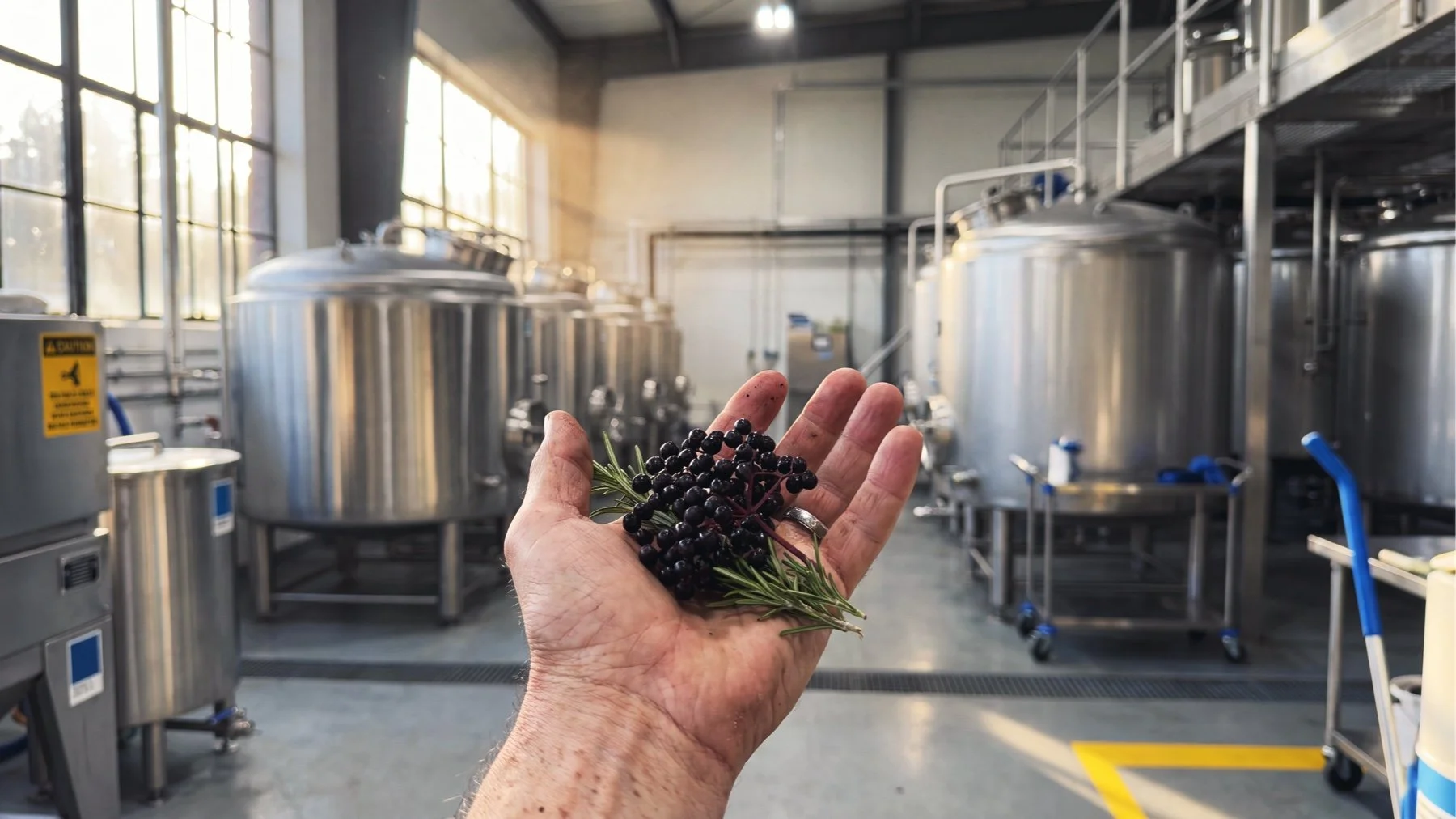
Sunday: Behind-the-scenes that's actually useful (here's how we decide what's in stock this month, logistics reality, why certain items are available certain times).
That's a mix that sells without sacrificing authenticity. Your feed tells two parallel stories: "this product is real and people buy it" AND "we make it carefully." Most clean-label brands tell only the second one.
FAQ
Q: Won't this make us look less authentic, more commercial?
A: No. It makes you look confident. You're saying: "I don't need to convince you to buy it because others already do." That's authentic. Generic education posts feel insecure.
Q: How do we get customer testimonials without looking staged?
A: Ask your repeat customers directly. Offer a discount or free item. Have them take a phone photo of the product in their actual space, actually using it. A phone photo at home beats a studio shot every time.
Q: Should we still do behind-the-scenes content?
A: Yes, but make it specific. Not "our warehouse." But "here's why this product was out of stock for two weeks [specific reason]" or "here's why we changed suppliers [specific impact]." Logistics and supply chain truth interests people. Generic farm tours don't.
Q: What if we sell through retailers only, not direct-to-consumer?
A: Lead with "available at [store name] in [region]" and proof that customers are buying it there. You're still building proof of purchase and consistency. The conversion still happens. It just happens at the retailer's register, not yours.
The Result
When you rebalance a clean-label brand's social media this way, a few things happen:
Follower growth slows slightly. That's fine. You're no longer chasing generic reach.
Engagement rate might dip. That's also fine. You're optimizing for sales, not vanity metrics.
Your audience becomes more qualified. These are people who actually want to buy, not people who want to feel good about the brand.
Sales move. That's the metric that matters.
The brands winning in the clean-label space right now aren't the ones with the biggest followings. They're the ones that use social as a sales tool: clear product, proof that others are buying, honest supply chain, and a path to purchase. That's not revolutionary. It's just not what most people are doing.
If you're a brand owner or operator, audit your feed this week. What percentage is product showcase? What percentage is actual proof? What percentage has a clear CTA that leads to a purchase?
That's your real benchmark.
I help food and beverage brands build real organic communities through strategy, content, and brand storytelling. If your content feels busy but ineffective, that is the problem I fix. Follow me @gallucciNET on social media.

adage, emmy, telly & webby award-winning digital marketing consultant for purpose-driven food & beverage brands.