The Real AI Search Risk Isn't Thin Content. My Own Site Runs on Three Different Cameras.
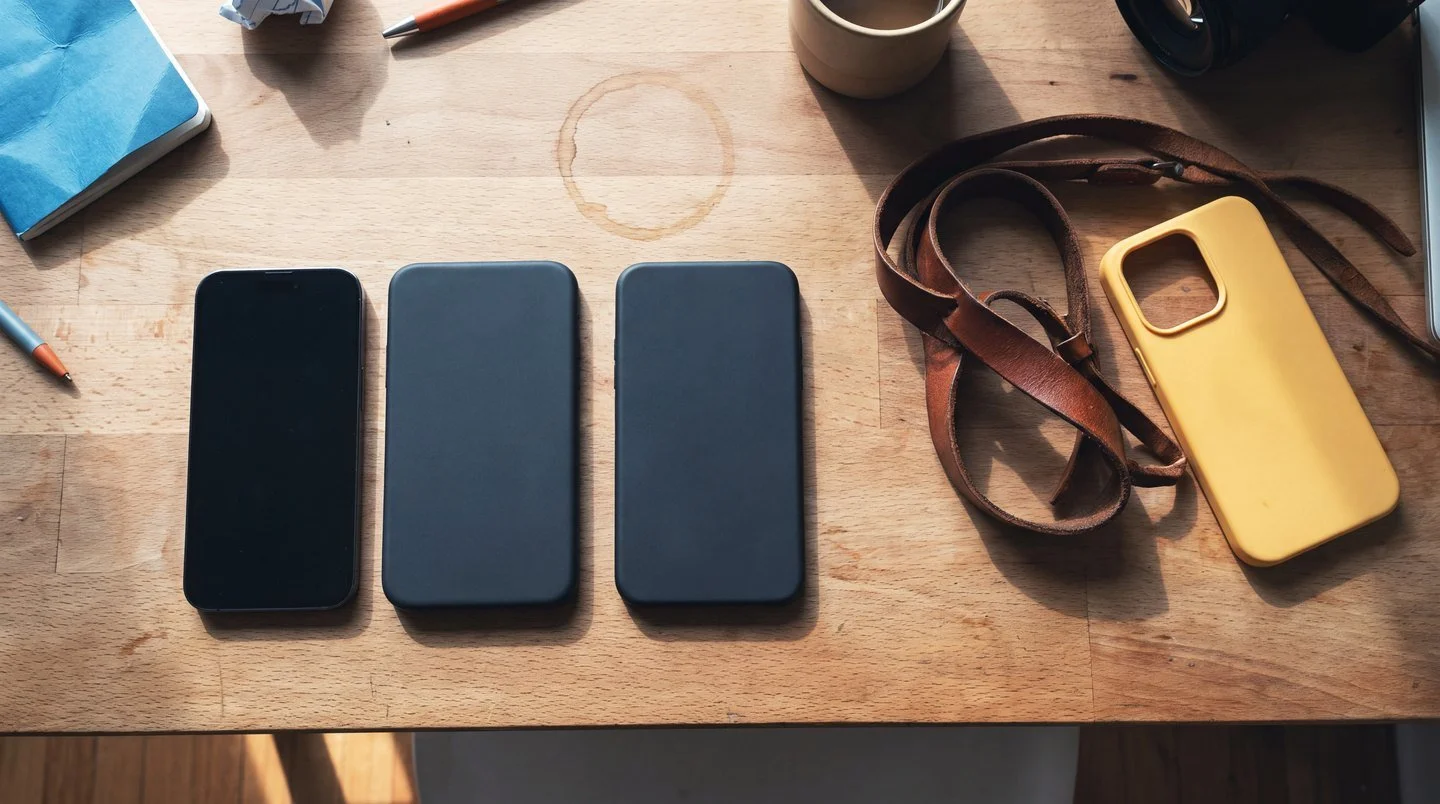
Carolyn Shelby put a piece in Search Engine Journal on September 7 that should make every brand nervous for one clean reason.
When an AI system gets your company wrong, the problem usually isn't that you haven't published enough.
It's that you've published too much, across too many years, and none of it says which version is still true.
Her example is a company where an AI assistant, asked who the CEO is, names any of four former executives. Every answer was accurate once. Old bios, press releases, and acquisition writeups all still call one of those four "CEO," and none of them, including the current leadership page, contains a sentence that says the old title doesn't apply anymore and here's what replaced it. The AI isn't hallucinating. It's doing exactly what it's supposed to do with an evidence chain nobody maintained.
Shelby's fix isn't a new page. She calls it a brand claim audit.
Pull every factual assertion your brand has made in public, any format. Check whether the current version explicitly supersedes the old one.
Not "Jane Smith is SVP."
The sentence that does the work is "the company no longer has a standalone CEO, and Jane Smith now leads it as SVP within the parent group."
That sentence is the only thing that bridges an old question to a current answer.
I read that and did what I always do with a piece like this. Ran it on myself before it ever got near a client roster.
What I found in about twenty minutes
Ask an AI what camera I shoot on. I'll wait. I already ran it, and gallucci.net still won't give one clean answer.
I pulled up gallucci.net/gear. Last touch was August 17. It opens with "I shoot primarily on a dual-redundant iPhone 17 Pro Max setup."
Same page, same visit, says I "also shoot 35mm film on a Canon AE-1 Program and a Minolta Hi-Matic S when a campaign calls for it."
Six months earlier, on February 4, I published "After 20+ Years and Way Too Much Money, This Is the Tech Stack I Finally Trust."
Line one on hardware was the phone: "iPhone 15 Pro Max: This is my everyday driver and camera. I no longer own traditional cameras because my creative workflow no longer requires them."
That's not a rewording. One live page tells readers I shoot film in 2026. An older live page, still up, says I gave up traditional cameras entirely. Both stay live. Neither one mentions the other.
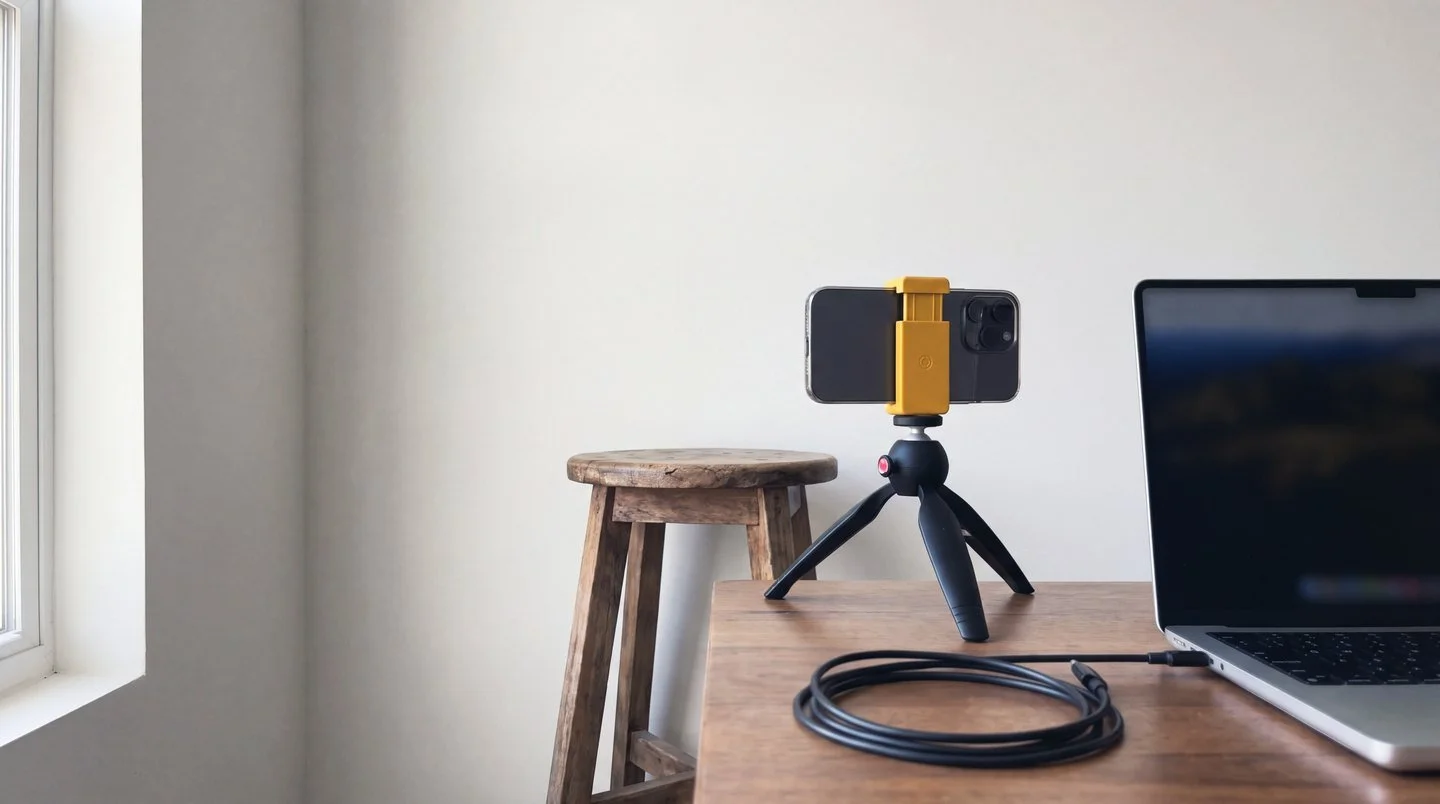
There's a version nobody outside the production stack ever sees. Every hero image gallucciNET Studios ships, including the two running with this piece, gets built off a base prompt file that opens with "photograph this as if shot on an Apple iPhone 14 Pro Max," locked to that phone's color science. Not the 17 Pro Max. Not the 15. The 14. That file's been the production standard for months. Nobody updated it when the public pages moved on.
Three surfaces. Three phones. One flat contradiction about whether I own a film camera at all.
That's the failure mode Shelby is describing. It ran on the one domain I'd have bet money was clean. I'm the one who wrote every page on it.
Why "just publish something correct" doesn't fix this
Before I read Shelby's piece, my instinct was to update the gear page and call it done. That's the trap. The gear page is already the newest of the three, dated August 17, and it still contradicts itself twice in the same paragraph. A fourth true statement doesn't retire the other three. It just hands a retrieval system one more version of the truth to pick from.
Shelby's bridge sentence is what actually closes this.
The iPhone 14 Pro Max in the production files, the 15 Pro Max in the February tech-stack post, and the 17 Pro Max on the gear page are three snapshots taken as the hardware turned over. As of this month the gear page is current. Older posts stay dated but not deleted. The production spec gets updated to match.
That sentence has to live somewhere public and somewhere internal. Or the next person, or the next model, asking the obvious question picks a phone at random and is right by accident.
I haven't touched the CMS yet. That's this week's work. I'm not putting a claim in this piece before it's true.
Naming exactly what the fix has to say, instead of just "update the website," is the entire difference between a brand claim audit and a content calendar.
What this means if you run a brand instead of a blog
Swap camera model for founding year, ingredient sourcing, certification status, retailer footprint, or who's actually running the company, and you're describing almost every food and beverage brand I've ever audited. A "since 1987" on the About page. A press mention from a 2019 acquisition still calling a discontinued line "our flagship product." A distributor's spec sheet that never got the memo when a formula changed for a regulatory reason and now contradicts the label on the shelf.
None of those pages are lying. Check the date. They were true the day someone hit publish.
The AI answering a customer doesn't know that. It isn't going to guess which of your six once-correct claims is the one still standing.
That's the real work of running a CPG marketing agency in 2026. It has almost nothing to do with posting more.
You trace every claim the brand ever made back to its source. Then you write the one sentence that tells a machine, and a customer, which version to believe now.
I've owned this domain since 1998 and I still hadn't pulled every page, PDF, retailer listing, and old press mention that states a fact about the brand. A story about someone else's website finally made me check my own.
Go run that pass on yours before a customer, a reporter, or a model does it for you. See whether the newest version says out loud that it replaced the old one.
Most brands have never done this once.
Mine took twenty minutes to break. If you'd rather do it yourself first, start with your gear or about page.
A second set of eyes running that audit against your brand is core to what I do as a food and beverage marketing agency. Not an add-on.
Related reading: the tech stack I built and apparently forgot to reconcile, the production system behind every image I publish, and GEO is the new SEO, and most brands are clueless.

adage, emmy, telly & webby award-winning digital marketing consultant for purpose-driven food & beverage brands.