Kettle & Fire Got Its Seal in Under a Month. California's Won't Exist Until 2029.
Kettle & Fire put the Seed Oil Free Certified mark on its grass-fed beef tallow this year. I checked what that actually took.
Ingredient review, lab testing, licensing. The whole run clears in under a month.
Lab fee's $400 per oil or fat ingredient. Olive and avocado oil get retested every year. Everything else, every three. Annual licensing scales to company revenue.
A brand walks in, pays the fee, passes the test, and the badge is on the jar before the next print run ships.
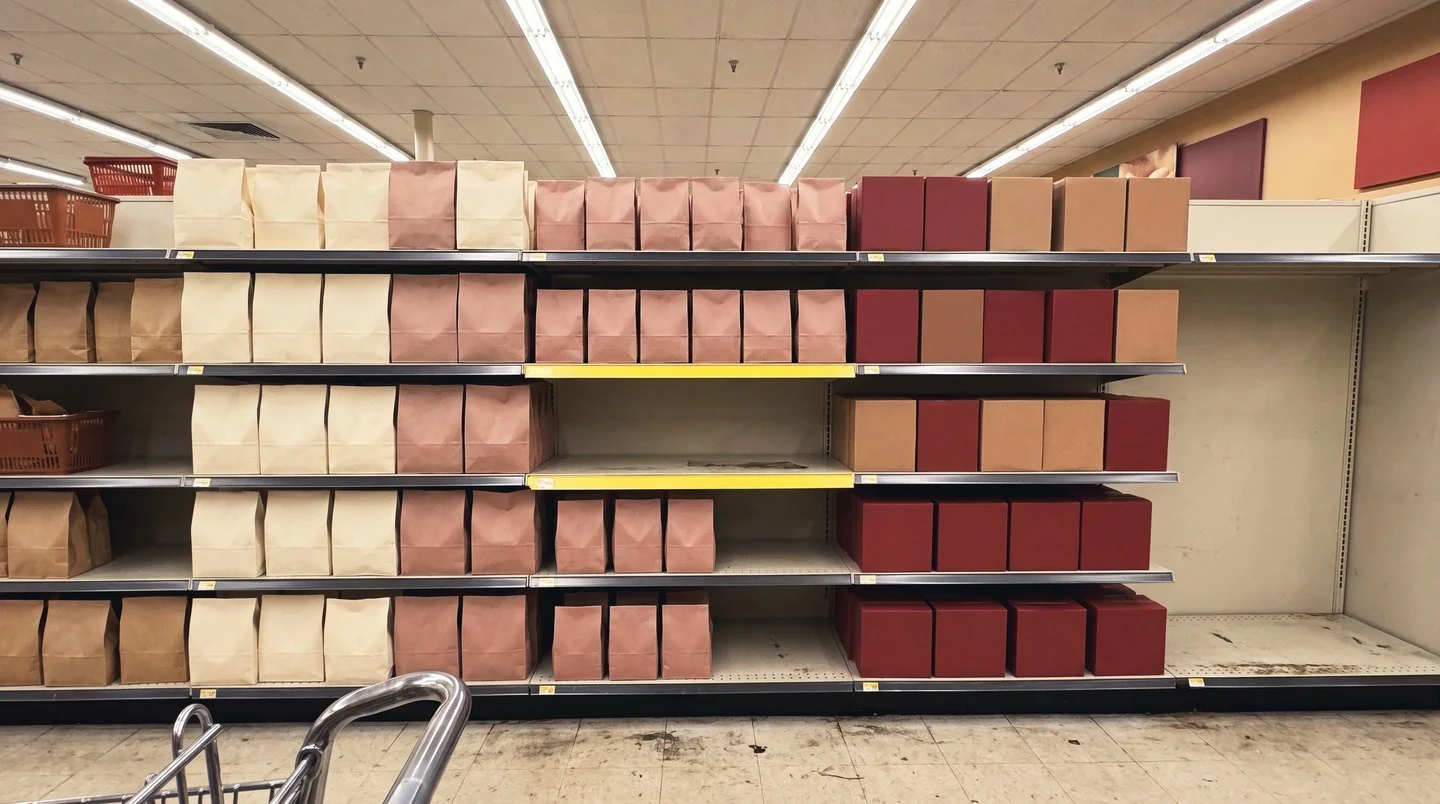
California just ran a clean vote on a food seal shoppers can't actually use until 2029.
Assembly Bill 2244 would stand up a state-run "Non-Ultraprocessed Certified" mark modeled on USDA Organic. The senate passed it 32 to 0. The assembly passed it 72 to 0. It's on Governor Newsom's desk now, and he has until September 30 to sign it or kill it.
Sign it and the California Department of Public Health still doesn't have to finish accrediting certification agents until June 1, 2029. A shopper in the aisle next year asking whether a box qualifies is asking a question the state hasn't built the machinery to answer.
Two seals on the same shelf. One ships now. The other might exist in three years.
The middle seal is the honest one, and it still isn't paying off
Shoppers reached for the harder badge. SPINS data FoodNavigator reported put Regenerative Organic Certified products up 22 percent in buyers in 2025, against 10.7 percent for Fair Trade USA and 6.6 percent for USDA Organic itself.
ROC sits between the two. You don't even get to apply until you're already certified organic or working on it, plus you hold baseline animal welfare and social fairness certs from other bodies first.
The application runs about $1,200 for all three pillars. Annual fee sits near 0.1 percent of gross crop sales, and audit hours get billed on top. Turnaround is three to six months, not four weeks.
It's working.
Real Good Foods dropped a seed oil free breaded chicken line at Sam's Club last year and said the whole portfolio is moving to beef tallow. Still no timeline. Their own statement blamed "ripple effects" through sourcing and manufacturing, which is corporate for the press release made it sound easier than it is.
Regenerative certification isn't paying a premium right now. Kelly Damewood runs California Certified Organic Farmers and told Ag Alert that this month. ROI for most growers still isn't clear.
Lundberg Family Farms already forced the issue in 2021. Biggest organic rice grower in the country told its growers to get regeneratively certified or stop shipping rice. That's a buyer's mandate. The market didn't volunteer it.
You've got a $400 seal that ships in a month, a legislative seal stuck three years out, and a five-figure seal that burns half a year and still might leave the farmer short. Line all three up on a shelf and the shopper gets about four seconds. None of that math shows on the front of the package. Same badge, same size, same spot, same quiet promise that somebody else already checked so you don't have to.
A badge can be rented. A fact can't.
The seal is the trap. Shopper sees it and figures somebody already vouched for you.
It never says what that vouch cost, or how little it took to get it.
Competitor writes the same $400 check, sticks the identical badge on the shelf, and the thing goes blank.
A certification seal isn't a food branding agency. It's a compliance product with a logo, priced by the ingredient and billed by the hour.
I've watched this exact failure mode play out in content for years before it ever showed up on a package. It's why the writing standard on my own site bans the vague version of a claim. "Studies show." "Experts agree." "A testament to." Those are the seal equivalent inside a sentence, a stamp that asks a reader to trust the source instead of checking it. My rule runs the other way. Name the actual number, name the actual company, name the actual date, or cut the line. A seal can be licensed by anyone with the fee. A named, checkable fact can't be rented by the brand parked next to you on the shelf.
If you run a food or beverage brand and you're eyeing one of these certifications, ask the harder question before you ask the pricing question.
What does this seal actually verify, and can your customer check that verification themselves in under thirty seconds.
If the answer is no, you haven't bought differentiation. You've bought a $400 rental on somebody else's credibility, and the brand next to you on the shelf can rent the identical one.
I wrote about this exact aisle-level confusion a couple weeks back. Half of surveyed buyers couldn't say what was actually inside the box they'd just bought.
A seal doesn't fix that confusion. It just gives the confusion a nicer logo.
A badge is just paperwork. Building the story that survives four seconds with a shopper and a competitor's checkbook takes longer, and you don't get a certificate to hang on the wall.
That's the clean label a rival can't buy next quarter for $400 and a lab test.
A second set of eyes on that story, the kind that never depends on somebody else's seal, is core to what I do as a food and beverage marketing agency. Worth the conversation before you write the certification check.
Related reading: why most food branding agencies miss this exact problem, the real social media strategy clean-label brands actually need, and why half your buyers are confused before they leave the aisle.

adage, emmy, telly & webby award-winning digital marketing consultant for purpose-driven food & beverage brands.