Half Your Buyers Are Confused in the Aisle. That's a Social Media Problem.
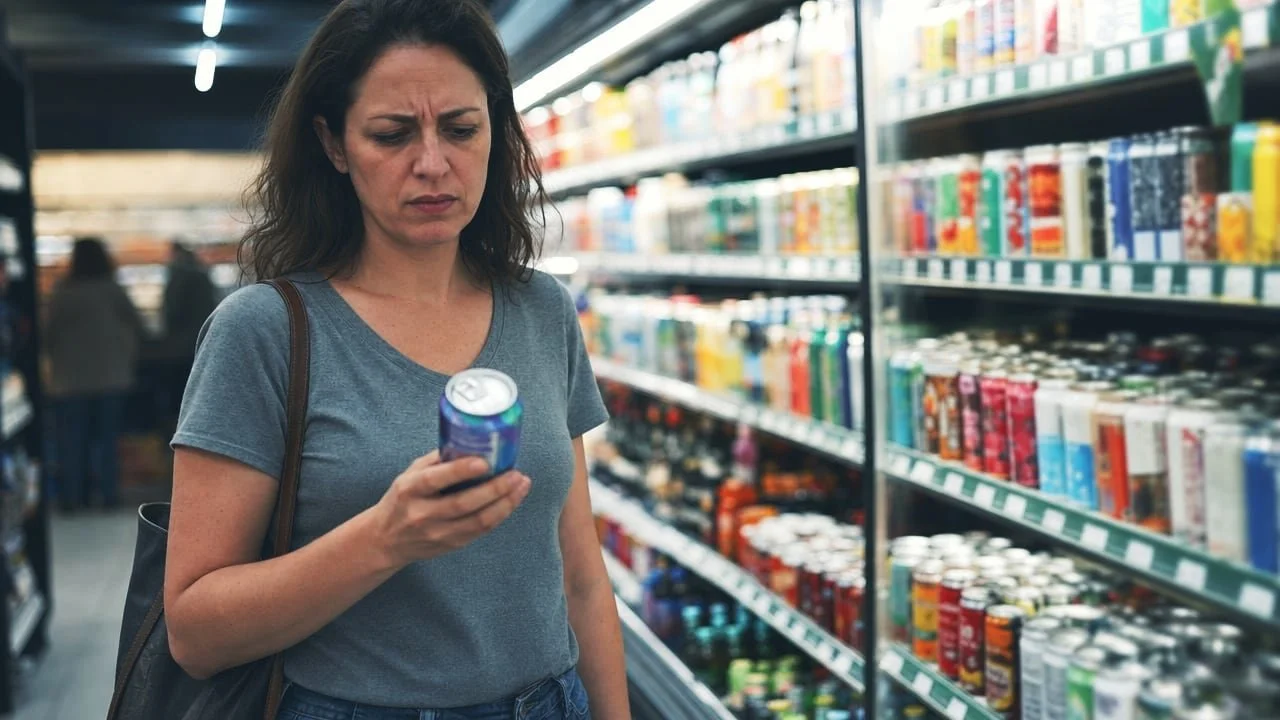
Dig Insights put 500 Americans ages 18 to 65 through a functional beverage study in spring 2024. Roughly half said they feel overwhelmed by the options and aren't sure which ones fit their needs.
Half the category is standing in front of the cooler doing math they can't do.
The companion number is worse. Among people who haven't bought a functional beverage in the past year, 70 percent want more information about the ingredients. They're rejecting a label they can't read in the four seconds they'll give it.
Most brands answer with packaging. Bigger benefit callouts, a new icon system, a QR code nobody scans. I've sat in those meetings. The debate runs six weeks and ends with a font change on the back panel.
Meanwhile the actual education is happening somewhere else. A shopper hears about a drink from a friend, sees it three or four times on their phone, then walks into the store already sold. The can is the receipt.
Look at where these drinks get consumed. 80 percent at home, 37 percent in the car, 35 percent at work. Now pull up the Instagram grid of any functional beverage brand you can name. Sunrise. Mountain trail. Yoga mat. Somebody's abs.
Nobody shoots the commute. Nobody shoots the 2pm desk slump. The two contexts where more than a third of the product actually gets opened have almost no content behind them.
77 percent of Americans drink a functional beverage at least once a week and 32 percent drink one every single day. 77 percent think they're worth paying more for. 83 percent call them useful rather than gimmicky. Seven in ten are comfortable handing one to their kid. That's a category with trust and money already sitting in the room. The friction is knowledge.
Rank the benefits people say they want and the pattern is obvious. "Contains vitamins" scored an 87. High in protein, 84. Antioxidants, 80. Calcium and low sugar tied at 79. Probiotics, 78. None of that is exotic. People want the things they already understand.
The exotic ingredient is what stalls the sale. Sugar content and unfamiliar ingredients were the top two reasons non-users gave for not buying, right behind cost. Somebody put an adaptogen on the front of the can and it read like a warning label.
There's a positioning gap sitting in plain sight. When Dig asked people to pick an image that represented an ideal functional beverage brand, three themes came back: energy and fun, empowerment, and peace and relaxation. Energy is crowded. Every prebiotic soda and enhanced water on the shelf is fighting over it. Almost nobody is building around empowerment, and the morning and midday formats are exactly where that message lands.
Here's the number that should get a CMO out of their chair. 79 percent of Americans consider functional beverages more natural than artificial, and 78 percent say these drinks add vitamins and minerals missing from their diet. Consumers are quietly treating the beverage cooler as a replacement for the vitamin aisle. That's a category migration, and the brand that explains itself best is the one that catches it.
Explaining yourself is a content job.
Three things to do on social starting this week
Build a standing ingredient explainer series and never stop running it. One ingredient per post. Thirty seconds. What it is, what it does, why it's in the can, and what it won't do. No lab coats, no stock footage, no animated molecules. Put a real person on camera saying "here's why we put L-theanine in this and here's what you'll actually notice." That series answers the exact objection 70 percent of your non-buyers named, and it doesn't expire. Every post is still working eighteen months from now.
Shoot the car and the desk. A third of your consumption happens in a commute and a third happens at work. Build a shot list around that. The cupholder. The 3pm meeting. The lunchbox. The gym bag riding shotgun. It costs a fraction of the mountain shoot and it looks like your customer's actual Tuesday, which is the entire reason it converts.
Put the sugar conversation on camera instead of hiding from it. Sugar is the number one non-cost barrier in the whole category. Hold the can up. Read the nutrition panel out loud. Compare it to whatever people are drinking instead of you. Brands treat this like a legal risk. It's the highest-trust content you can make, and the comment section will hand you a content calendar of everything else people want explained.
What I do
I've spent twenty years building organic social for food and beverage brands, outdoor brands, and independent American manufacturers. Systems. Content that compounds instead of dying the day the media buy ends.
If you're launching into this category, or you're already in it and watching the same 500 people engage with every post, message me. One conversation and I'll tell you whether your problem is the content, the cadence, or the positioning, and what it costs to fix.
I help food and beverage brands build real organic communities through strategy, content, and brand storytelling. If your content feels busy but ineffective, that is the problem I fix. Follow me @gallucciNET on social media.

adage, emmy, telly & webby award-winning digital marketing consultant for purpose-driven food & beverage brands.