YouTube's Growth Director Just Explained My 36 Subscribers
Ninety percent of the time your own subscribers skip your best video. Todd Beaupre said it last week. He's YouTube's senior director of growth and discovery. Creators didn't want to hear it.
Beaupre said it on Creator Insider, the channel YouTube uses to explain its own platform to the people who depend on it. Rene Ritchie, YouTube's creator liaison, pushed him on click-through rate inside the subscriber feed. That's the one audience segment that's supposed to be a sure thing.
His answer: "probably all your videos have about maybe a 10% or less click-through rate."
Then the part that stings. "Even your best videos, 90% of the time, your subscribed audience isn't deciding to watch."
YouTube cut the desktop homepage to fewer, bigger thumbnails. Creators spent two years sure that less real estate would kill long-form viewing.
Beaupre told Ritchie the opposite happened. "It actually drove more attention and engagement around long-form," he said. YouTube wouldn't have shipped the change if it had hurt viewership.
His reason was blunt. "Sometimes choice is overwhelming and they just don't choose anything."
"Often less is more," he said. It doesn't stop at the homepage grid.
So I opened my own channel.
The best video on the whole @gallucciNET YouTube channel has 80 views.
416 uploads. 36 subscribers. Sort by popularity and the winner is a Daily Trend Report from August 27, eight days old, sitting at 80. Second place has 29.
Most of what I put up in the last two weeks lands between zero and four views, subscribers included. One outlier hit 25.
I could blame the algorithm. Beaupre just told me not to bother.
The ranking system isn't what decides if my subscribed audience clicks. I am.
The algorithm didn't kill the channel. The thumbnails did.
I run five shows off it: The Daily Trend Report, The Food and Beverage Trend Report, The Social Trend Report, Social Media Train Wrecks, Shelf-Life. Five ideas. Five days. Five reasons to hit subscribe.
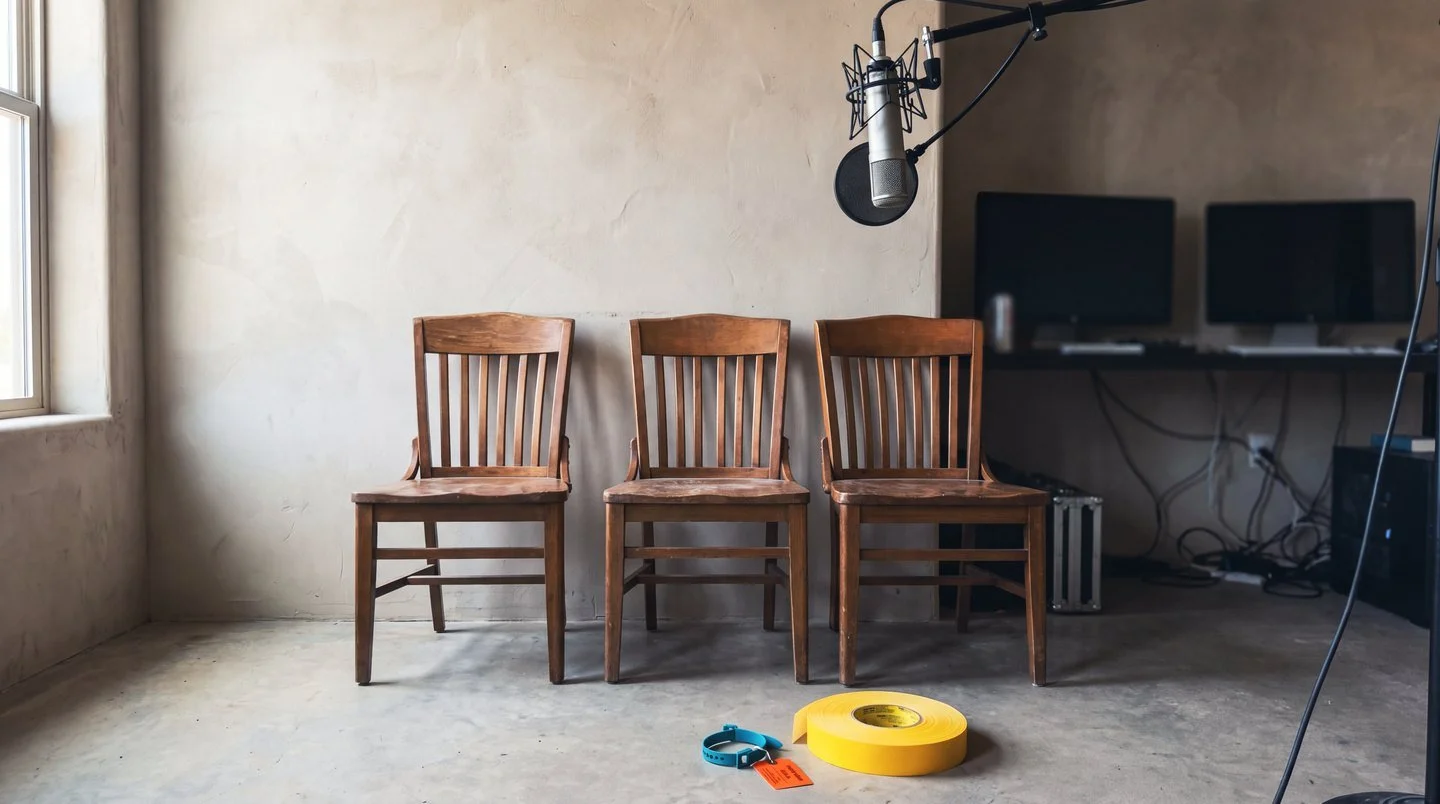
Every single one uses the same thumbnail template. Same three chairs. Same studio desk. Same pillarboxed frame. Same neon in the back. The only thing that moves is the date under the title.
At full size in a player they read fine. On a phone in the feed, all 416 look like one video.
That's the exact failure Beaupre described, just aimed at myself instead of at the platform. He was talking about a homepage that loads too many similar options so the viewer picks none of them. I built a channel of 416 options that all look like the same option, then sat there wondering why 36 people wouldn't lock onto any one of them.
The fix isn't posting less.
Slate bet that less truck was more brand and the logic holds here too. Volume was never my real problem.
Five shows. Five different value propositions. You're asking a viewer to tell them apart with zero visual information.
A subscriber deciding whether to click works off a thumbnail the size of a postage stamp, not the full video. If that stamp doesn't say which show this is before the title loads, the decision that video needed to win already happened. It lost.
This is the same audit that anchors every organic social media strategy I build before I touch a client's content calendar. Before I write one caption for a food and beverage marketing agency client, I pull every thumbnail they've posted in the last ninety days into one grid at actual feed size and look at it the way a scrolling thumb does, for about a second each. If I can't tell the shows apart at that size, neither can their subscribers, and no posting cadence fixes that.
Color block for Shelf-Life. Different chair arrangement for Train Wrecks.
Each show on my channel gets one fixed visual anchor that reads at thumbnail size before anything else does. You don't need a date to know which show you're looking at.
Smaller lift than it sounds. I should have built it before video one, not video 416.
The lo-fi talking head format I already run was the right call on production. It was never a discovery strategy. I'd been hoping consistency alone would do the job discovery needed.
The audience that survives the current mess online is the one a channel can be told apart from. Right now mine can't be told apart from itself.
Pull your last ten thumbnails and look at them at phone size, not full screen. If you can't tell one show from another in a second, you built the problem Beaupre is describing. That one's on you, not the algorithm.
adage, emmy, telly & webby award-winning digital marketing consultant for purpose-driven food & beverage brands.