HubSpot Lost 80% of Its Blog Traffic and Kept Growing. Build Your Food Brand's Cushion Before Google Eats Your Recipes.
HubSpot's blog lost about 80% of its organic traffic and revenue still grew nearly 20% in 2025, because it spent five years building audiences Google can't take away. A recipe publisher lost the same 80% and her revenue went with it. Start your food brand's list this quarter.
Data current as of October 30, 2026
How did HubSpot lose 80% of its traffic and still grow?
It stopped depending on search about five years before search left. HubSpot sells marketing, sales and customer service software to businesses, and for 15 years its blog was the machine that fed the whole company. Kipp Bodnar, its chief marketing officer, told Search Engine Journal on October 29 that the blog peaked above 20 million organic visits a month and then lost about 80% of them, including nearly 5 million visits in a single 30-day stretch after Google rolled out AI Overviews.
"We had tracked traffic as the scoreboard for 15 years, and it said we were failing," Bodnar said.
Two things kept the lights on. The first is embarrassing and useful: a lot of that traffic was garbage. HubSpot had posts chasing "famous quotes" and "how to type the shrug emoji," and nobody who wanted a shrug emoji was ever going to buy software. The second is the cushion. HubSpot bought The Hustle newsletter in 2021, built a podcast network that same year, started a creator program in 2022 and a YouTube network in 2023. Bodnar says about 90% of its content leads now come from channels that barely existed in its mix five years ago. The blog brings in about 10%.
Take it with some salt. Bodnar has a book to sell (Loop came out September 22), HubSpot announced it would cut nearly 660 jobs on October 6, and he didn't answer when Search Engine Journal asked how those squared. You also can't go buy The Hustle. The order of operations still holds up, and that's the part you can use.
Why should a food brand care about a software company's blog?
Because recipes are what AI answers swallow first. Carrie Forrest runs Clean Eating Kitchen, a recipe site, and Bloomberg reported in a story Fortune ran on November 26, 2025 that 80% of her traffic and her revenue disappeared in two years. She went from employing about ten people to letting everyone go. "I'm going to have to find something else to do," she said. Google's answer in the same story was that people "still want to go and read original recipes from creators."
Same number as HubSpot, 80%, and about as far from the same ending as you can get. Forrest's story is the one I'd read twice if your brand's website plan is a recipe blog some consultant promised would bring in traffic.
If that's your plan, your "easy weeknight pasta salad" post may well be your shrug emoji. The people reading it wanted dinner, and it's worth finding out how many of them ever bought your sauce. Google can now hand them dinner without the visit, and it already sits on top of searches for your brand's own name.
What does building an audience from zero look like up close?
Slow, and it's mostly names on a list. I launched Topo Chico on US social in 2013 with zero followers. We hit 1,000 on Instagram that September, and the 100,000th follower didn't show up until November 2020. Seven years. Nobody was going to write a breathless case study about that pace while it was happening. We had one network, one industry (music), a habit of reposting fans, and a habit of asking those fans for an email address.
Names cost money, and I'd rather you hear the number from me. The 2015 Vintage sweepstakes gave away Lollapalooza passes, and by July 5 we had $10,889 of social spend against 5,336 registrations, 38% of the way through the contest. Call it two dollars a name. Three years later, one email from a summer giveaway went out to 17,054 people. 5,628 of them opened it and 1,450 clicked. No search engine got a vote in any of that.
I've owned gallucci.net since 1996, so I've watched a few of these scoreboards break. The people who could still reach their customers on the bad day were the ones who'd asked for permission on a good one. I made the same case when Apple blocked the trackers following your shoppers, and this is a second, unrelated reason to get there.
What should a small food brand build first?
Build the list before you build anything else, and do it in this order. HubSpot's five years were expensive. Yours can start with a clipboard.
- Count who you can reach without asking anyone. Email subscribers, text subscribers, direct customers. Done when that one number sits at the top of your monthly report, above sessions and followers.
- Find your shrug emoji posts. Pull 12 months of blog traffic and line it up against store locator clicks and online orders. Done when you have two lists, the posts that sold something and the posts you'll stop writing.
- Give your organic social media strategy a job past the like. One post a month offers something only the list gets, like the first shot at a new flavor or the founder's recipe that never goes on the site. Done when each month's calendar has that post and you can count the sign-ups it produced.
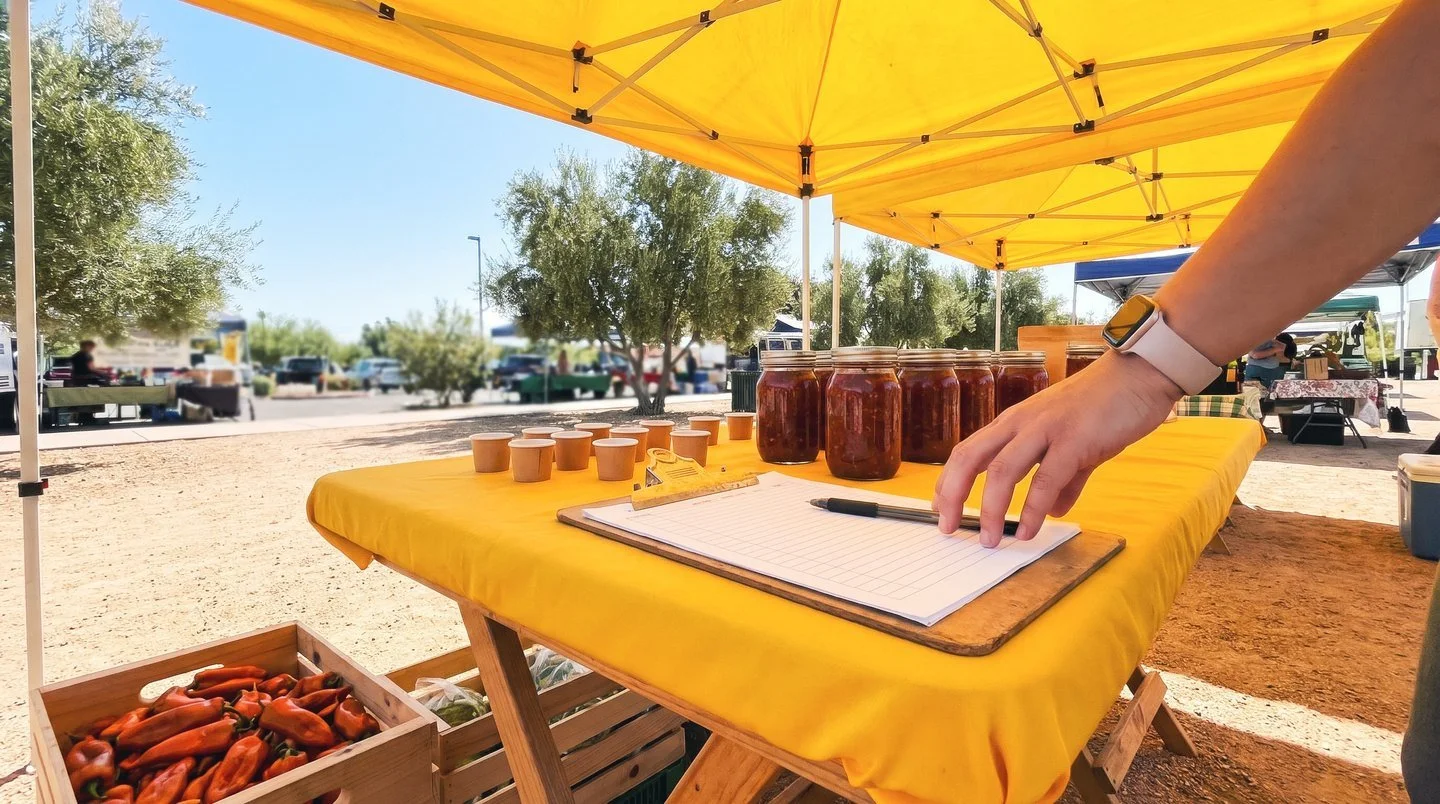
- Put the sign-up on physical things. A QR code on the demo table, a card in every online order, a line on the case. Done when every sampling day comes back with a count of names next to the count of cups.
- Send a plain letter once a month, from the person who makes the food. Done when three have gone out and you know who opened them.
Bodnar's cleanest line applies to step five: "If a company could put its logo on your message and nothing would change, that message is adding to the noise." A big food company's letter goes through legal, brand and three agencies before you ever see it. Yours can say the peppers came in late this year and why you waited.
Then change what you measure. Any food and beverage marketing agency still reporting sessions to you as the win is reading the scoreboard HubSpot gave up on. Ask for names added, repeat orders and branded search, and start this quarter, because you'll want the cushion before the drop and nobody sends a notice.
First thing I do with a new food brand is count who you can reach without Google. Want that run on yours? DM me.
adage, emmy, telly & webby award-winning digital marketing consultant for purpose-driven food & beverage brands.