Instagram Put Amazon Links Inside the Reel. Make Your Food Brand's Listing the One Creators Tag.
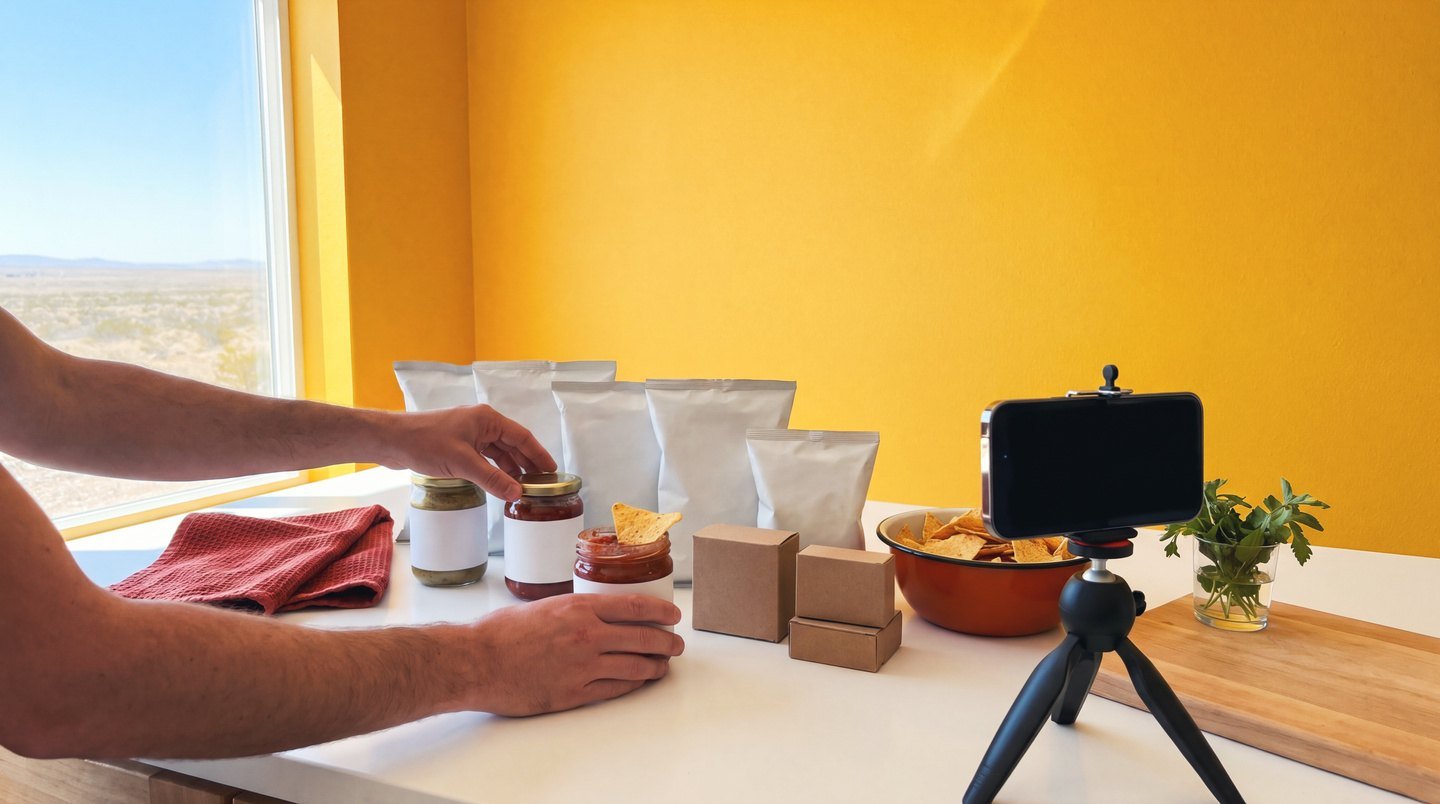
On November 16, 2026, Instagram started letting US creators tag up to 30 Amazon products in a single Reel and get paid on every sale. That changes who a creator recommends. If your hot sauce has a weak Amazon page, or no Amazon page at all, the creator tags the competitor whose page sells, and the commission follows them.
Updated November 17, 2026
What did Instagram actually launch?
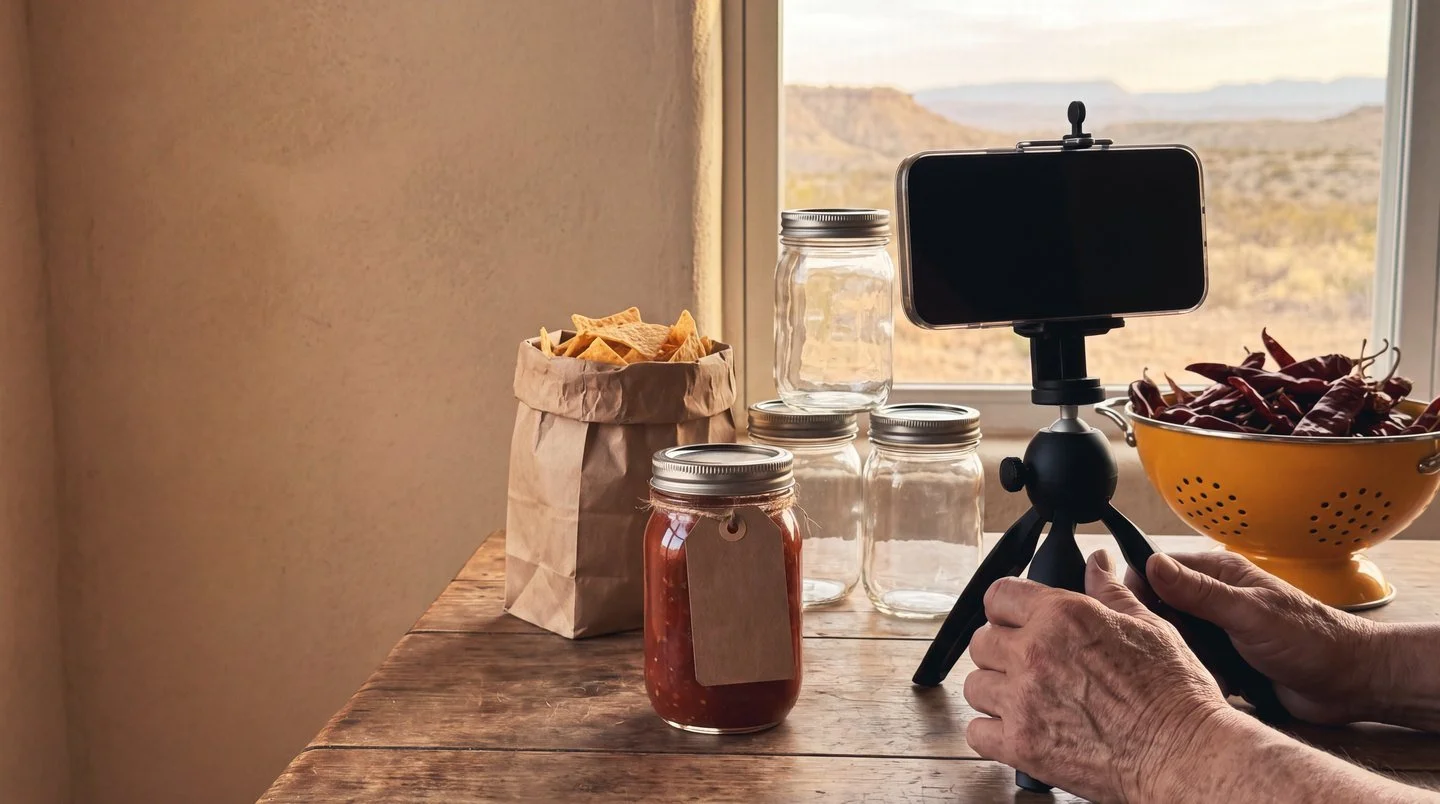
Instagram, Meta's photo and video app, now lets creators put Amazon affiliate links right on their Reels and feed posts. Social Media Today reported the limits: up to 30 products per Reel and up to 20 per feed post. A creator links their Instagram account to their Amazon Influencer account in the Professional Dashboard, tags the products, and a clickable link shows up in the bottom left of the post. A viewer taps it and lands in the Amazon Shopping app.
The commission comes from Amazon. Instagram says it takes no cut and charges no transaction fee. TechCrunch reported that creators can see each product's estimated commission rate before they add it, and that Meta told the outlet links placed right on Reels and posts draw about twice as many clicks as links in a creator's bio.
Not everybody gets it. Wired reported that a creator has to be a US-based adult with a professional account and more than 1,000 followers.
Adam Mosseri, the head of Instagram, put the old problem plainly in his announcement, as quoted by MediaPost: "A lot of creators make money with affiliate links, but you've mostly had to share them in stories or bio."
Why does a food brand care about a creator perk?
The creator gets paid on the sale now. That sale happens on your Amazon listing, not in the Reel. The video sells the snack. The product page closes it. Three dim photos, a 2023 price, and a reseller undercutting you on the same item, and the viewer bails. Creator earns nothing.
Creators figure that out fast. They can see the commission rate before they tag anything. A food creator who reviews six granolas in one Reel is going to tag the six whose pages turn taps into orders, and the next Reel is going to look a lot like the last one that paid.
Creator posts used to buy you reach. That was the ceiling. Now the same post carries a buy button, and that button dumps traffic on whatever Amazon listing the creator decided to plug.
What did seeding product look like before the button?
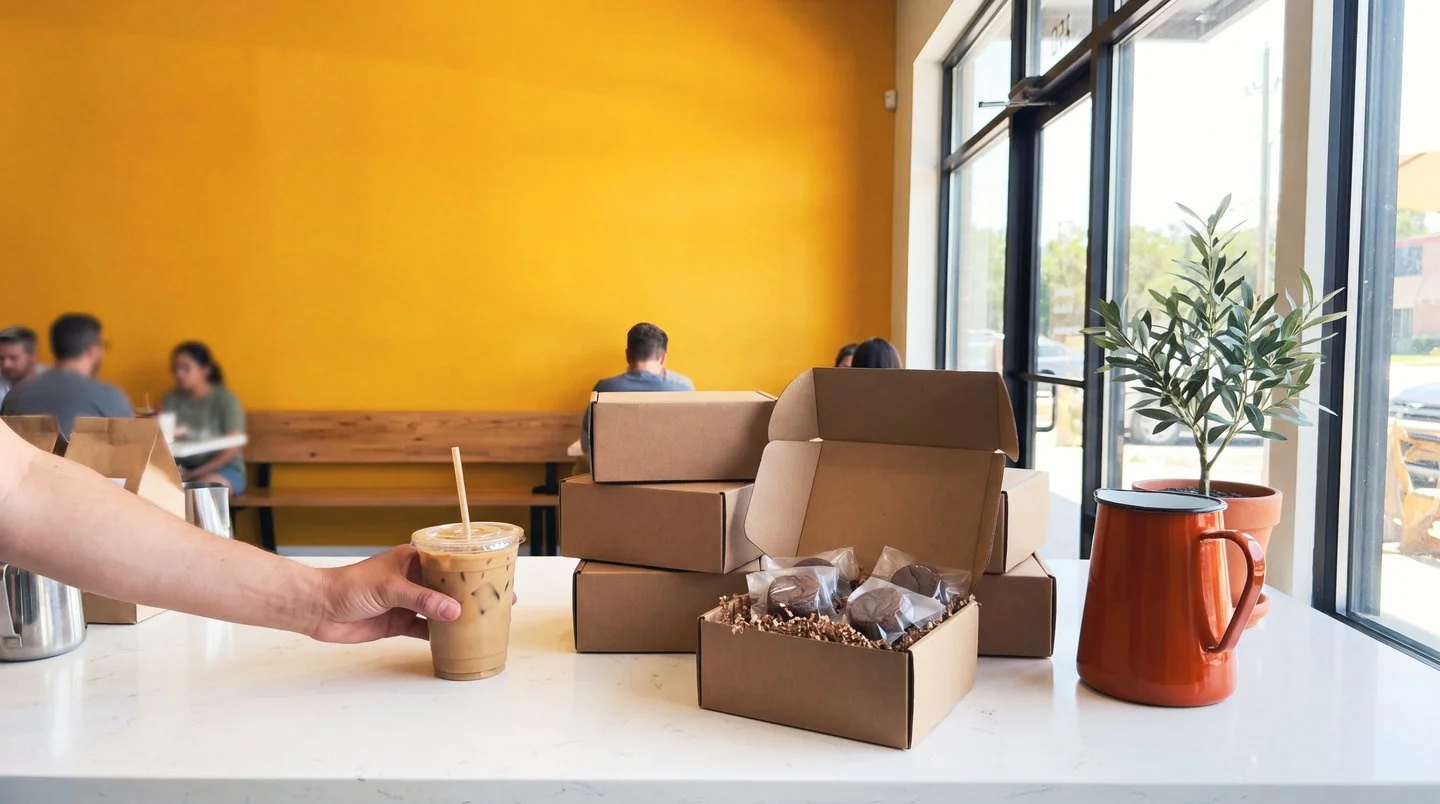
I've done creator seeding the hard way. In the summer of 2021 I was running the US launch for an imported chocolate biscuit brand, and the follower count froze at about 25,000. So I quit feeding the grid and spent 75 percent of that month putting product in people's hands. By September 3 we'd connected with over 100 influencers and 50 coffee shops in Dallas, and 11 of those influencers had put up more than 20 posts.
Followers stayed flat. Reach to people who'd never heard of the brand went up 576 percent, according to Instagram's own numbers. That was the best scoreboard I had, because none of those 20-plus posts could carry a link to buy the cookies. A shopper who loved what she saw had to remember the name, find a store and hope it was on the shelf.
If those same posts ran today, each one could carry a tag that paid the creator for every box sold. That's a much stronger reason for a creator to post a second time. In December 2021 I told the client that the months we kept shipping to influencers were our best months for engagement and for other people posting about us. Steady product beat one big push, and a buy button only makes steady product pay better.
Does this mean every food brand needs to be on Amazon?
If creators already post about you, yes, you need a listing you control and a reason for them to tag it. That doesn't mean Amazon gets to be your only store.
I learned this one on a hot sauce account in 2020. I ran the brand's social and moved its online store to Shopify, working next to a paid media shop and an Amazon specialist. In January 2021 the brand's own store did $17.3k, a record. Amazon did $22.7k the same month, also a record. Both were team results, and both channels set records in the same month.
That's the model I'd copy. Let creators send taps to Amazon, because that's where the button goes now. Keep your own store, your own email list and your own customer data, so the shopper who bought once through a Reel has a way back to you.
Can a small brand compete with big food for these tags?
Yes, and on better terms than it gets at the shelf. Big food can buy end caps, slotting and a paid creator for every holiday. It can't make a creator love a product, and creators tag what they actually use, because their audience can smell a paid read from across the room.
Amazon also gives brands a lever. Through Creator Connections, Amazon's marketplace for brands and creators, a brand that sells on Amazon can offer bonus commissions for qualifying sales generated by creator content. You pay on sales, not on posts. That answers the oldest complaint in food marketing, the one about paying an influencer $5,000 up front and selling four units.
People already eat your product and talk about it at the table. That's the small brand edge, same one it's always had. Big food has to rent that talk, and renting it shows.
What should a food brand do this week?
Here's the order I use. Each step has a finish line so you know when to move.
- Search Amazon for your brand name and your top three products. Find every listing, including resellers. Done when you have a list of every page selling your product and who owns each one.
- Fix the listing you own. Bright photos that match how your product looks in a creator's kitchen, the current size and price, and a first image that reads at thumbnail size on a phone. Done when you'd be happy to see that page at the end of somebody else's Reel.
- Find the creators who already post about you. Search your brand name and product names on Instagram, and save every creator with more than 1,000 followers. Done when you have a list of names with a link to each post.
- Give them a reason to tag you. Send fresh product, and if you sell on Amazon, set up a Creator Connections bonus on the items they already use. Done when every creator on your list has heard from a real person at your brand.
- Put a way back to you in every box. A card, a recipe, a reason to visit your own store or join your list. Done when a customer who found you through a Reel can buy from you directly next time.
This is the same work as the rest of your social media marketing for food brands, just with a cash register on the end of it. I wrote about picking creators who already drink your product when Zevia put its money into creators, and about creators getting priced on leads and sales instead of views. If your Amazon page has a fake-product problem, show shoppers the real one before a creator sends them there.
Finding and keeping those creators is the part a good food and beverage marketing agency should run for you, and it's the first thing I set up in a 90-day sprint. If you want your brand to be the one creators tag this holiday season, message me on LinkedIn.

adage, emmy, telly & webby award-winning digital marketing consultant for purpose-driven food & beverage brands.