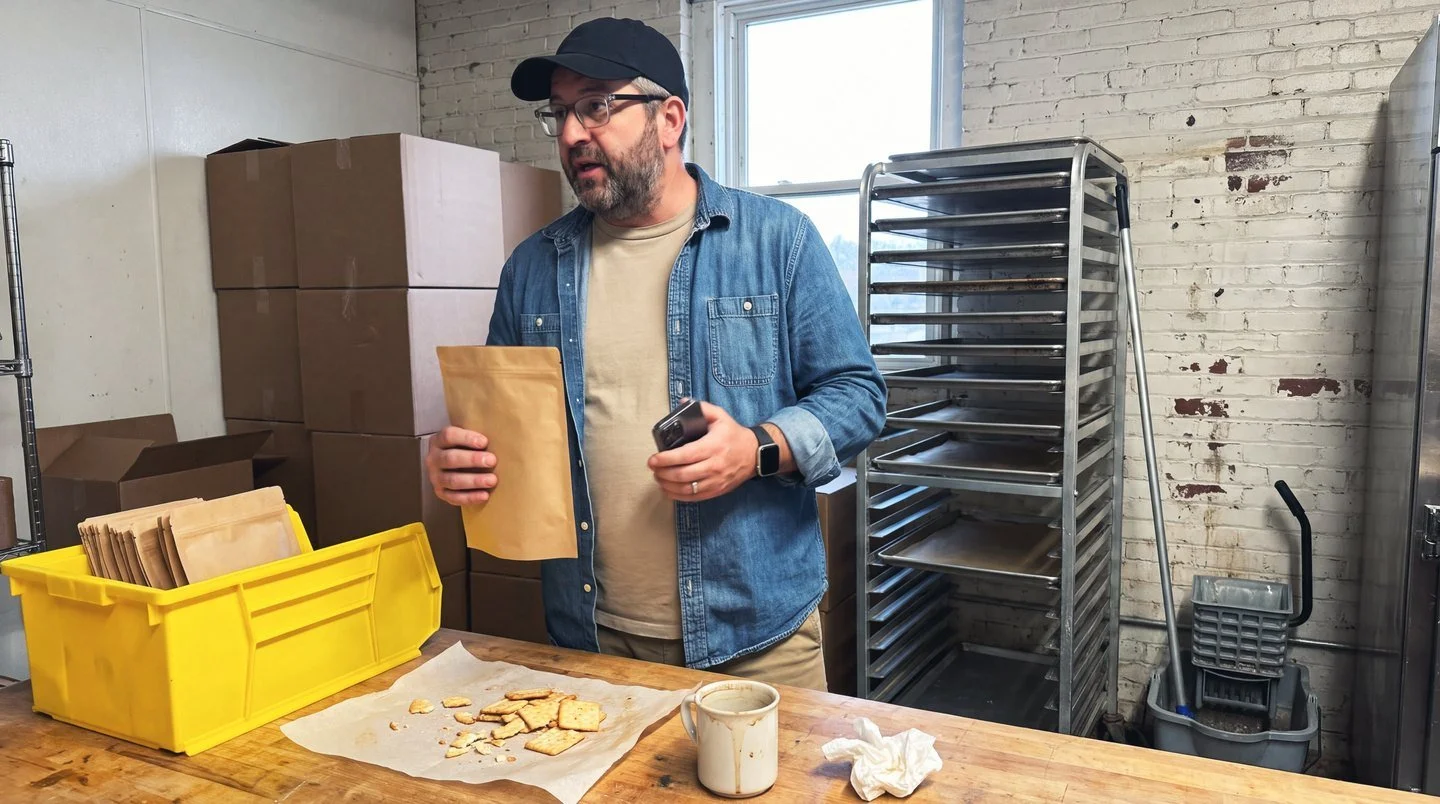
Ritual Didn't Plan an Anti-Counterfeit Capsule. Your Brand Should Plan One.
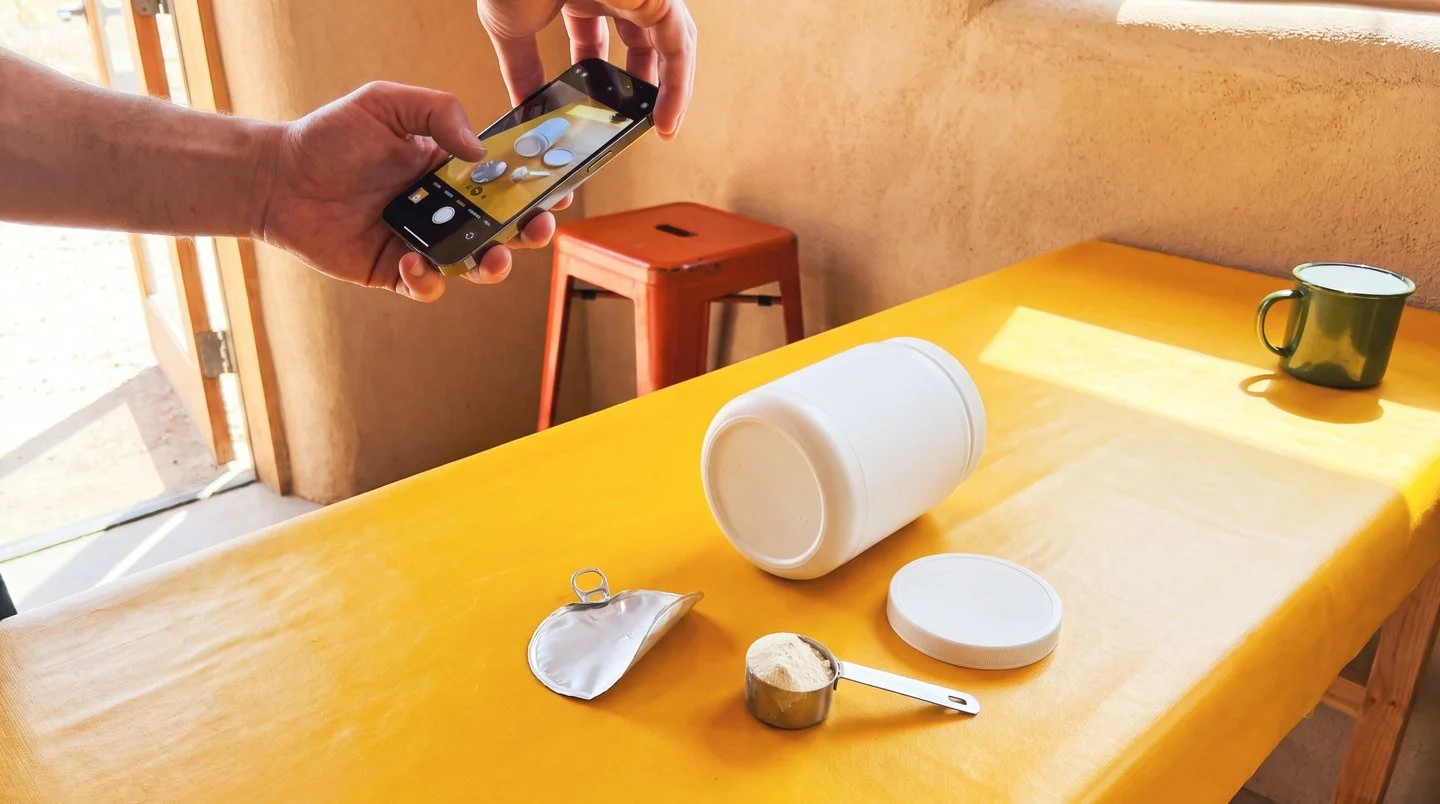
Fifty-four percent of online supplement shoppers now worry they're buying a fake, according to an iHerb and YouGov survey taken in September 2026. If you sell a protein powder, an electrolyte stick or a functional gummy online, that worry is already sitting on your listing. The fix is a photo of the real thing that a counterfeiter can't copy.
Updated November 3, 2026.
What did the iHerb survey find?
More than half of the people who buy supplements online are worried about counterfeits. iHerb, the California online supplement retailer founded in 1996, ran the survey with YouGov from September 17 to 21, 2026, and asked 2,796 U.S. adults. Modern Retail reported the results on November 2, and the number that stuck was 54 percent.
iHerb's chief revenue officer, Hyeyoung Moon, told Modern Retail the figure "came as a bit of a surprise for us." Her explanation is the shortest summary of the problem I've read this year: "with the recent rise of marketplaces, anybody can sell anything."
iHerb rang up 67 percent of its 2025 net sales on vitamins, minerals, and supplements. This year the company started requiring suppliers to show contracts and invoices proving they bought straight from the brand. Two distributors couldn't produce the paperwork. iHerb stopped buying from them.
Is the worry justified?
Lab numbers came in worse than the survey. Keep these facts handy.
- SuppCo, a supplement tracking app, bought 44 best-selling supplements on Amazon and tested them in 2025. 22 failed their label claims.
- Of those 22 failures, SuppCo says 20 had 0 to 3 percent of the main ingredient the label promised.
- NOW, the supplement maker, bought 25 vitamin C gummies on Amazon in June 2026. Only 13 met their label claim.
- The five gummies in NOW's test that claimed 1,000 mg or more per gummy each held less than 2 mg of vitamin C.
SuppCo co-founder Jordan Glenn described the failures to Modern Retail as "capsules full of rice flour." Nobody got poisoned. People just paid for creatine, NAD+ and berberine and got filler. Amazon told Modern Retail that its controls blocked more than 99.9 percent of suspected infringing listings in 2025 before a brand had to report them. Both things can be true at once, and the shopper scrolling at midnight can't tell which listing is which.
Why does this land on food and drink brands too?
Because the same shopper buys your protein powder, your creatine gummy and your electrolyte packets from the same search results page, on the same marketplace, with the same suspicion. Creatine was one of the four categories SuppCo tested. Gummies are the format NOW tested. If you make a functional drink mix or a high-protein snack and you sell on Amazon, you're standing in that aisle whether you meant to or not.
And the counterfeiter has an edge you don't. Glenn's rule of thumb is that the biggest sign of a fake is the price. A bag of rice flour costs less to make than your formula, so the knockoff can undercut you and still clear a profit. You aren't going to win a price war against filler. You can win the part where the shopper checks.
What did Ritual do right?
Ritual, the multivitamin brand, makes a women's multivitamin in a transparent capsule, with the dry ingredients and the oil sitting visibly separate inside it. Laura Brodie, Ritual's chief growth officer, told Modern Retail the company didn't design it to fight copycats. It just turned out that a shopper can hold the clear bottle up and see the real thing, and a counterfeiter can't easily fake what's inside it.
Ritual got there by accident. You can get there on purpose. Your product has something a knockoff can't match: the exact pour of your powder, the speckle in your gummy, the foil seal with the pull tab on the left, the lot code stamped in the same spot on every jar, the way your drink settles if it sits on the counter. A counterfeiter copies the front label because the front label is what's on the listing. Nobody copies the details nobody has ever shown.
NOW took the expensive route and bought its own product off Amazon next to its competitors' and ran it through a lab. It has done that 24 rounds since 2017, and its vice president of global sales and marketing, Dan Richard, called the latest results "deeply disappointing". Most small brands can't fund a testing program. Every small brand can afford a camera.
How should a small brand show the real one?
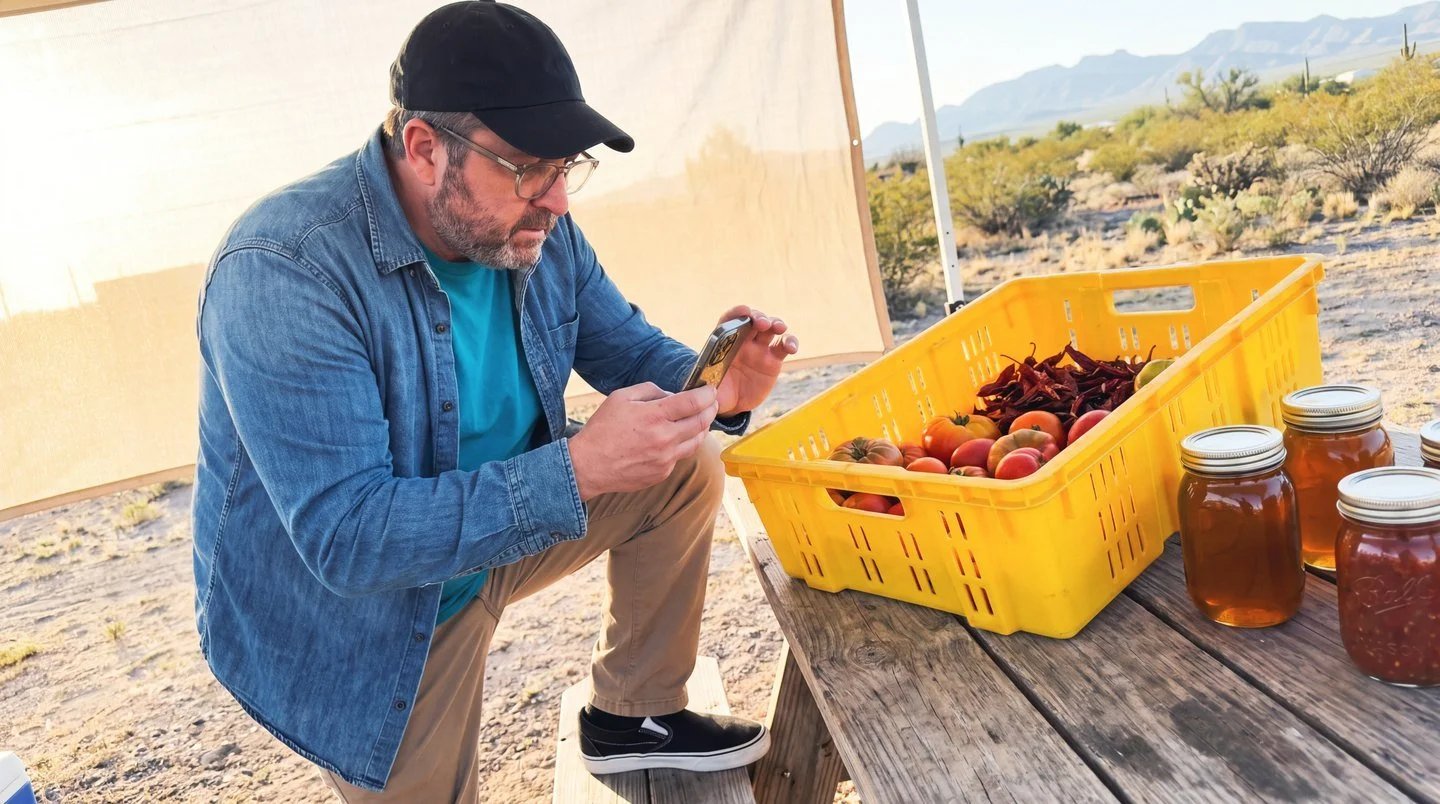
Shoot the details a counterfeiter would have to see in person, then put them everywhere a shopper might check. I've shot product for more than 30 years, Canon to an iPhone 14 Pro Max, and the frames that would help most here are the ones brands usually cut for being boring. The cap. The seal. The bottom of the jar. The back panel in sharp focus.
Here's the shot list I'd hand a brand this week:
- The seal and the cap, close, in plain daylight, so a shopper can compare the color and the tab to what came in the mail.
- The lot code and the date stamp, with a caption that says where on the package to find them.
- The product out of the package: the powder in a scoop, the gummy on a palm, the liquid in a clear glass. Show the actual color and texture, because that's what filler gets wrong.
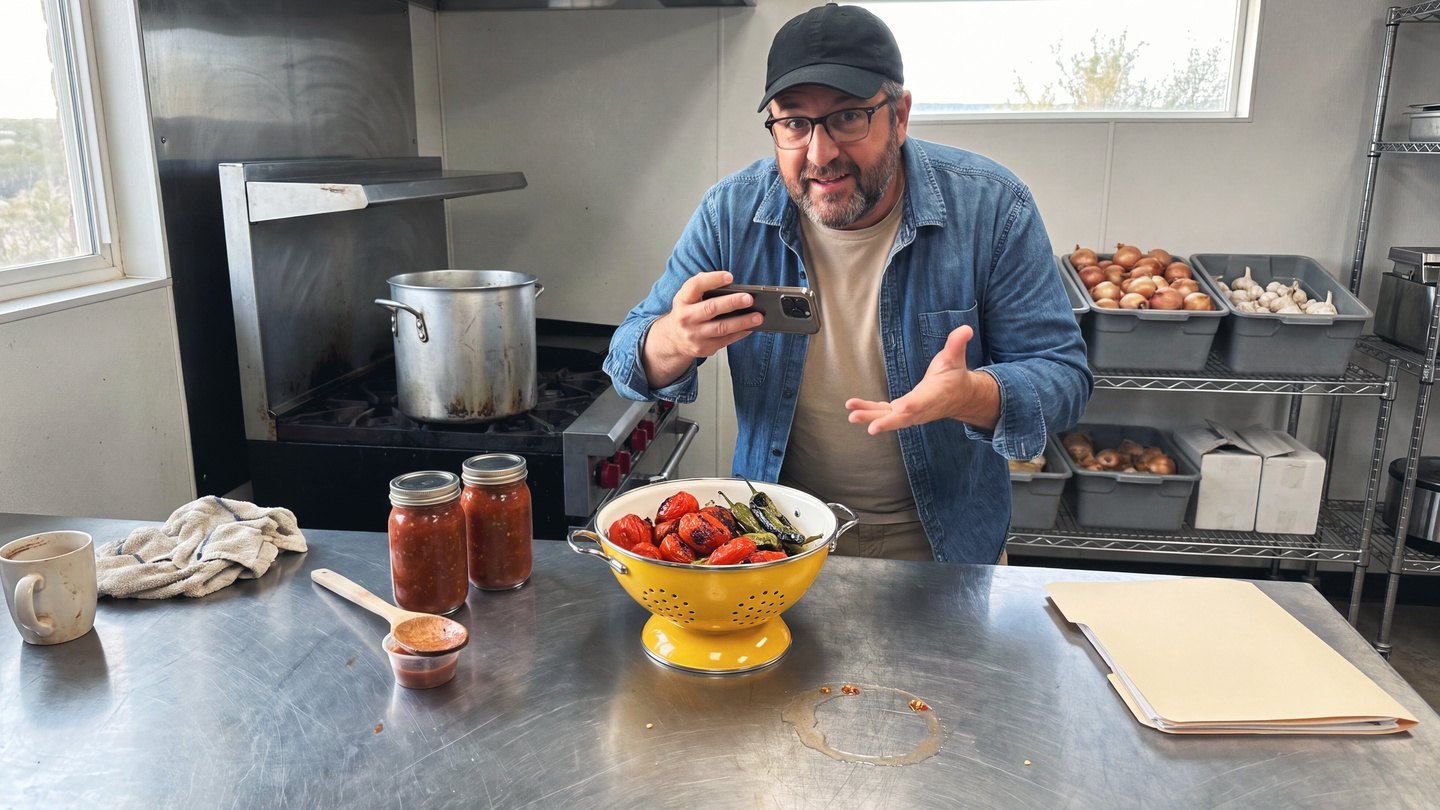
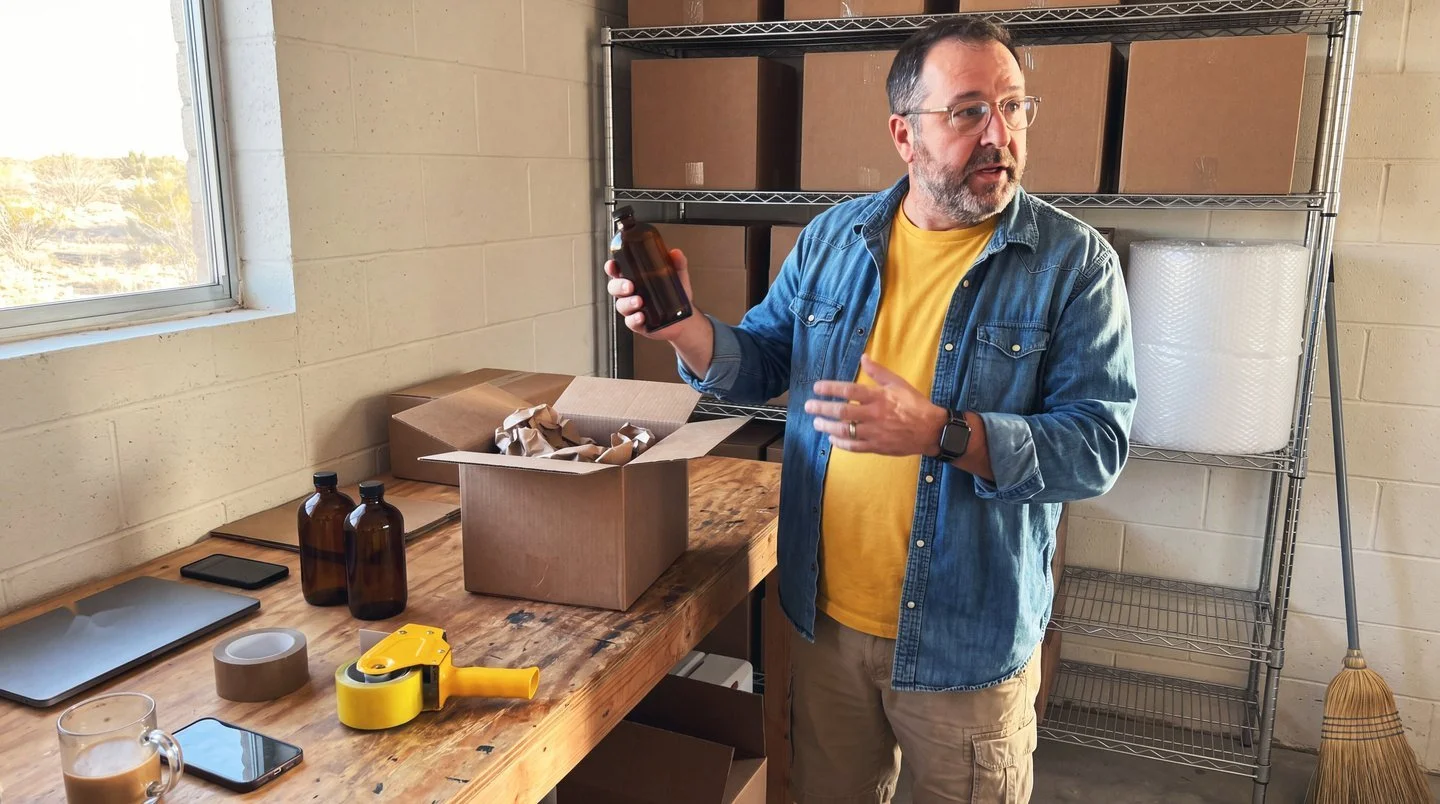
- The people who make it, at the line or the co-packer, if the co-packer allows it. A knockoff doesn't have a face.
- A short video called something plain like "how to tell it's really ours," pinned to the top of every profile and linked from your Amazon brand store.
Then say where the authentic product is sold. List your own site, your Amazon storefront by its exact seller name, and the retailers you ship to. Brodie's advice to shoppers was to look closely at the seller's name on a marketplace. Make that easy by printing your exact seller name on your site and in your captions.
The same photos do triple duty. They go on the Amazon listing, on your site and on your feed, which handles the other complaint I hear from food brands, that they never have enough real product photography for all three. I made a similar case for shooting a new natural color before shoppers notice it changed, and for putting your ingredient panel to work instead of hiding it on the back.
What shouldn't you do?
Don't call out competitors as fakes, and don't hint at it. You don't know what's in their capsule, and you'll be the one explaining it to a lawyer. Show your own proof and let the shopper draw the line.
Don't lean on the front label. That's the one panel a counterfeiter already studied, because it's the shot on every listing. If your whole visual library is front-of-pack hero shots on white, you handed the knockoff seller everything and left the shopper with nothing to check against.
The big supplement houses can fund lab programs and legal teams. An independent brand has the product itself and the people who make it, and that's the part nobody can fake from a warehouse overseas. If you're vetting a food and beverage marketing agency, ask to see the boring shots in its portfolio. The back panels and the lot codes will tell you more than the hero shots do.
I build the real-product photo library first when I start with a new brand. If your listing is all front labels, message me on LinkedIn.

adage, emmy, telly & webby award-winning digital marketing consultant for purpose-driven food & beverage brands.