California Natural Color Is Adding Capacity. Shoot Your New Color Before Shoppers Do.
California Natural Color broke ground on an expansion of its headquarters and main plant in Fresno, and Beverage Industry reported on October 12 that the new space will increase capacity by 300 percent. The plant makes grape seed extract and natural colors, the stuff brands reach for when they pull synthetic dyes out of a recipe. The same roundup reported that GNT, the company behind EXBERRY, filed a petition with the FDA to use safflower for yellow shades across a broad range of foods and drinks. Filed, not approved.
The clock behind all of it is real. Red No. 3 can't be used in food sold in the U.S. starting January 15, 2027. Red 40, Yellow 5, Yellow 6 and the rest of the petroleum dyes are on a voluntary exit the FDA wants done by the end of 2026, and the agency hasn't proposed a rule to ban any of them. Voluntary or not, the big companies are moving, and supply is the bottleneck. A small beverage or candy maker that couldn't get a supplier to return a call two years ago may finally get an allocation.
Supply's one story. Marketing starts on your shelf. Pull the dye and the color shifts. Customers clock it before your label copy explains a thing.
Natural color doesn't behave like Red 40
Synthetic dyes got popular for a reason. They're bright, they're cheap and they hold still. Natural colors move.
Christina Cuddihy, a senior scientist at Kalsec, told FoodNavigator in June, "There's no true heat-stable red on the market." Red beet, the obvious swap, oxidizes and turns brown under high heat. Givaudan Sense Colour's own explainer says anthocyanins, the reds you get from black carrot and elderberry, shift from pink and red at low pH toward purple and blue at neutral pH. The same page says spirulina, the main natural blue, fades in heat and light and is only stable between pH 4 and 7. Turmeric fades when light hits it through a clear bottle. FoodNavigator's line on it: "a solution that works in a beverage may fail in a cracker."
So the cherry soda that used to glow in the cooler might come out a little darker. The blue frosting might lean teal by week three. The gummy that photographed like a stoplight might photograph like a sunset. None of that makes the product worse. But a change with no reason attached reads like cheaper to a shopper who's been buying you for five years.
Your feed is a five-year promise about color
Scroll your own grid. If you've been posting since 2020, you've got hundreds of photos of the old color. Every one of them is a promise. The new bottle shows up on shelf next to that archive, and the first person to notice the change won't be your brand manager. It'll be a customer with a phone, in your comments, asking what you did to it.
That comment shouldn't open the public conversation on your reformulation. Your post should.
I learned this lesson on my own pictures this month. On October 11 I looked at a run of my header images and they read muted, almost depressing. The culprit was my own house color grade, which takes about 10 percent of the saturation out of my brand yellow. I changed how I shoot, brighter going in, so the yellow still pops coming out. Your shoppers are going to look at your old color and your new color side by side, on a feed, on a phone. That's the test that counts.
Show the source before you show the shelf
A small brand has an edge here that big food can't fake. When a national brand pulls Red 40, its legal team writes a paragraph about "colors from natural sources" and nobody reads it. When you switch, you can show the beet.
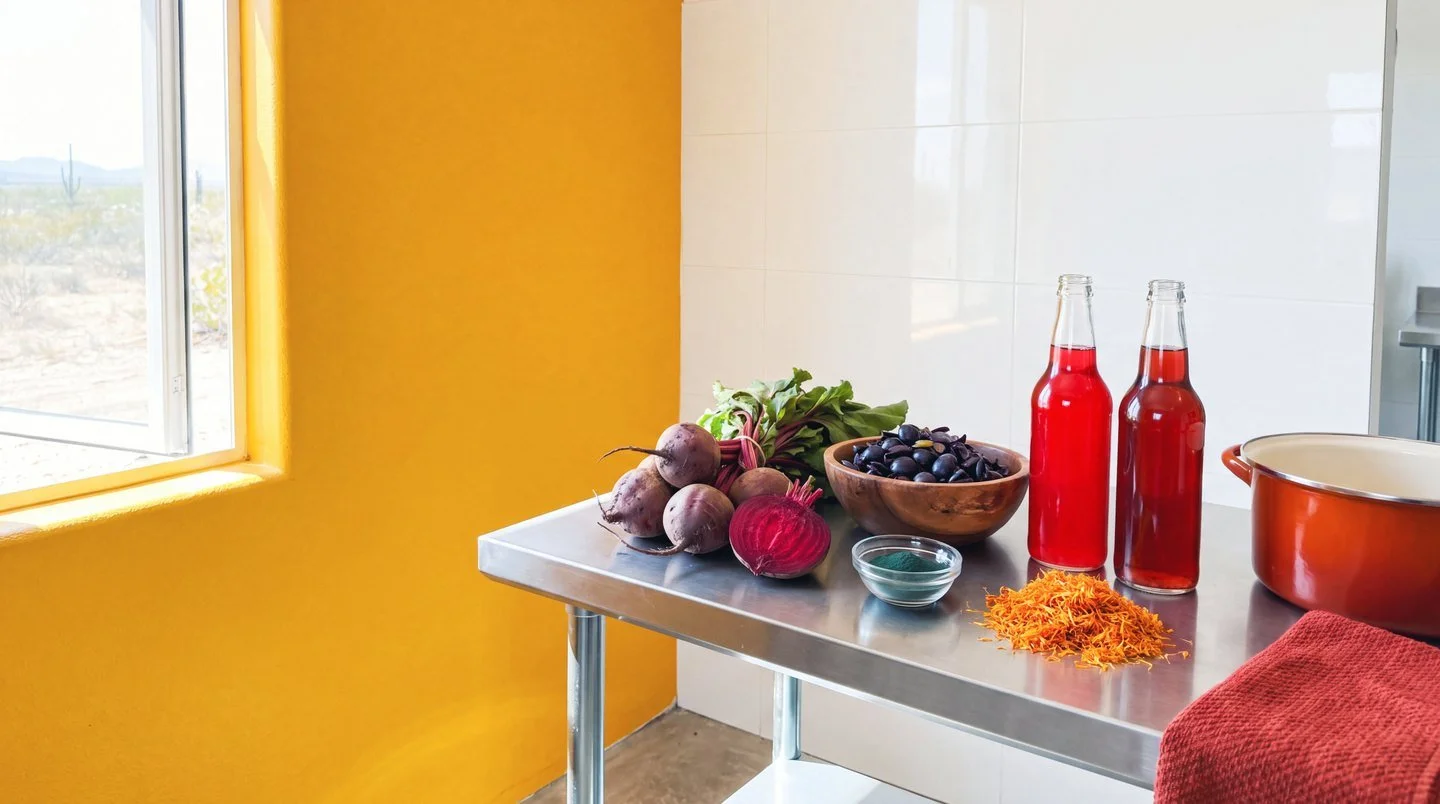
Film the grape skins. Show the safflower if GNT gets its approval. Put the spirulina powder on the counter next to the old bottle and let people see why the blue changed. Tell them what you tested and what didn't work. A beet red that browned in your oven is a better post than a product shot, because it's proof somebody actually made the decision.
For social media marketing for food brands going through a reformulation, the change is the content. A shopper who reads labels already wants you to drop the dye. Show them you did it on purpose.
The FDA is helping. Since February 5, the agency has said it won't act against a "no artificial colors" claim on a product that carries naturally derived colors as long as no petroleum-based dyes are present. That puts the claim on the table for you, and for every national brand too. When every bottle in the cooler says the same four words, the footage of where your color came from is what's left to tell them apart.
What to do before your new run ships
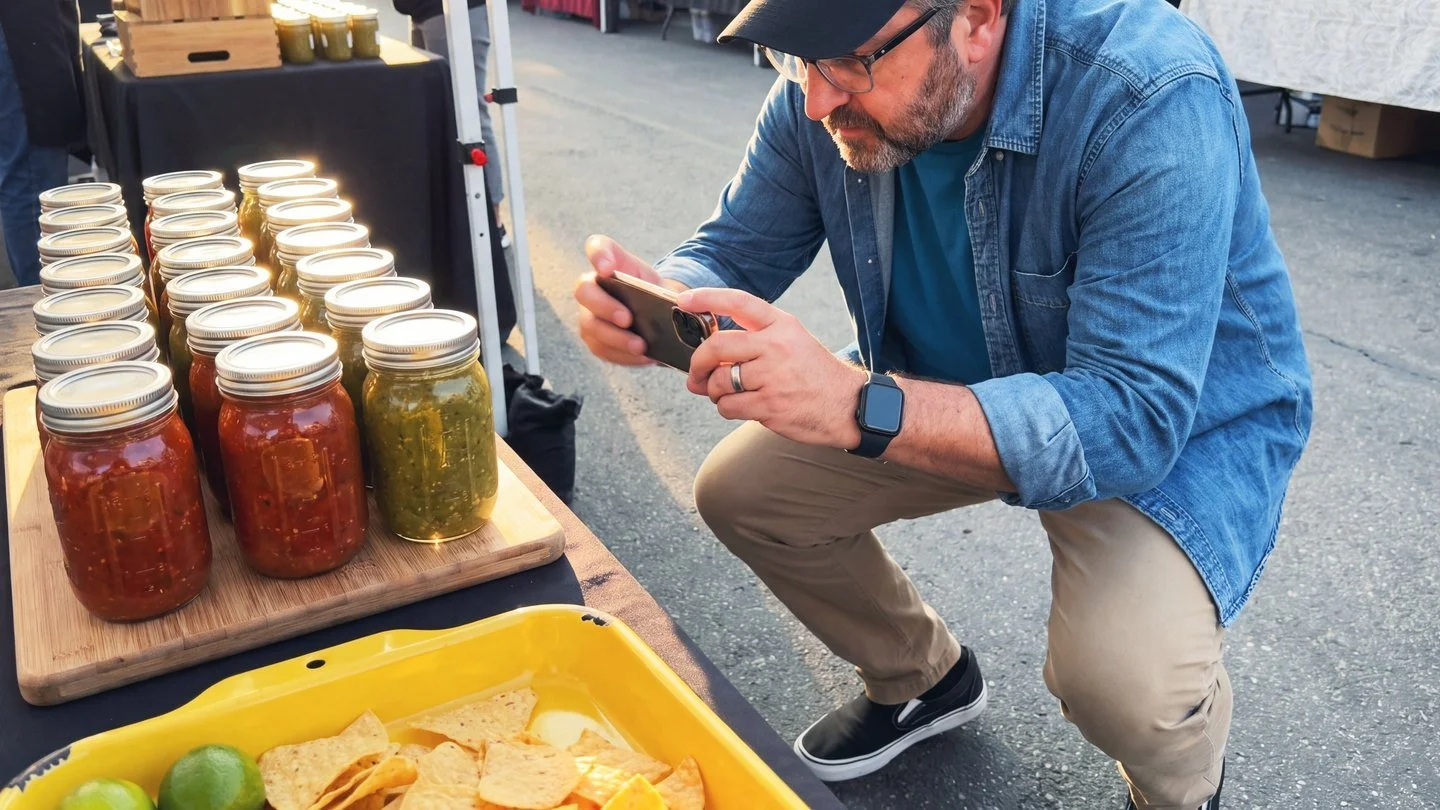
Shoot the new product in the same light, same angle and same background you used for your best-performing old photo. Put them side by side. Look at it on your phone at feed size, not on a monitor. If the change surprises you, it'll surprise your customers.
Write the comment reply now. Somebody will ask "why does it look different." Have two plain sentences ready that name the color source and why you switched.
Post the source before the shelf. One video of the ingredient, one of the test batch, one of the finished product. Get them up the week the new run ships, not the week the complaints start. I made the case for treating every front-of-pack word as a claim when Starbucks put "sugar-free" in the name, and the same rule applies to color. Then build a proof post for every claim on the bag, "no artificial colors" included.
If your supplier gave you a stability report, read it for the marketing, not just the shelf life. It tells you how the color will look in month two, which is when most of your customers will see it.
Ask your food and beverage marketing agency what the plan is for the day your product changes color. If the answer is a press release, you don't have a plan.
If your colors change next year and you want the content plan built before the new run ships, message me on LinkedIn.

adage, emmy, telly & webby award-winning digital marketing consultant for purpose-driven food & beverage brands.