Starbucks Put "Sugar-Free" in the Name. Your Captions Make the Same Promise.
Starbucks Put "Sugar-Free" in the Name. Your Captions Make the Same Promise.
Late last week a group of Starbucks customers filed a proposed class action in federal court in Seattle. The complaint names eight drinks, and every one of them has a name that starts with "Sugar-Free." The Sugar-Free Vanilla Protein Latte. The Sugar-Free Caramel Protein Matcha. The iced versions of each. According to the suit, a venti of those drinks carries somewhere between 13 and 21 grams of sugar.
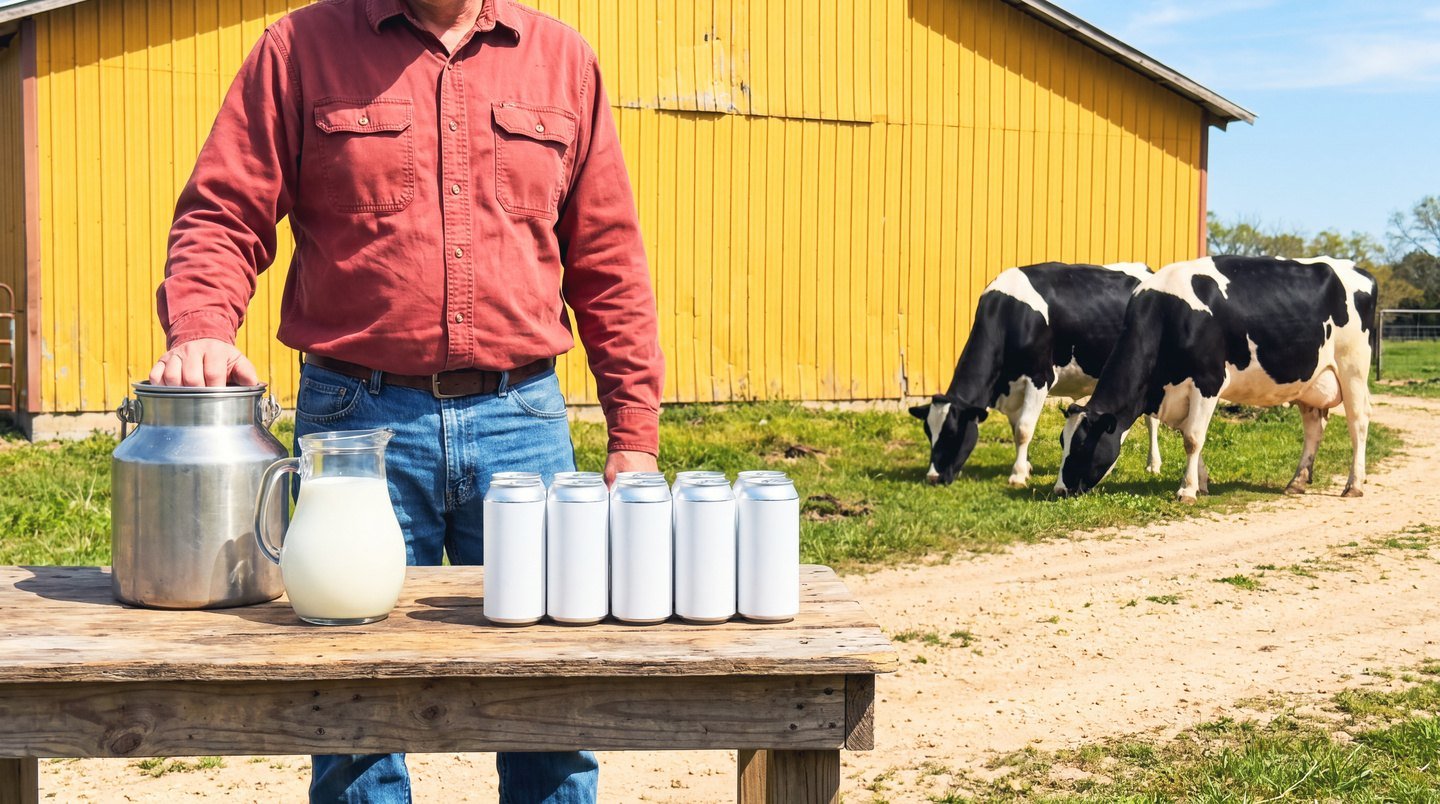
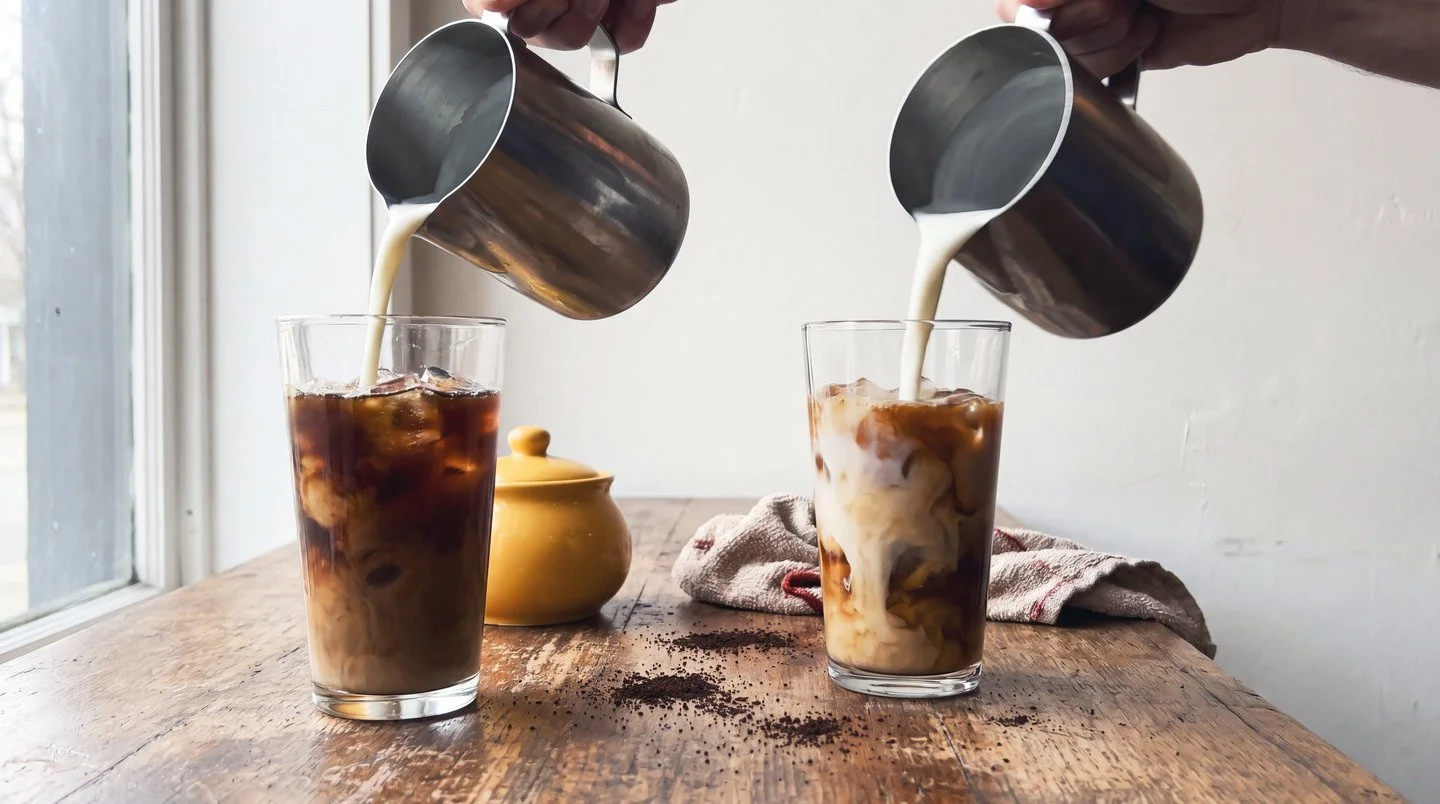
Nobody at Starbucks poured syrup into a sugar-free drink. The sugar is lactose, and it comes from the milk. The milk did what milk does, and the name on the menu said it didn't.
The federal rule is short. Under 21 CFR 101.60, a food can't call itself sugar free unless it has less than 0.5 grams of sugars per reference amount customarily consumed and per labeled serving. Half a gram. The suit puts a venti at 13 to 21.
Starbucks told reporters it believes the claims have no merit. It says the nutrition info was already clear across "menus, marketing materials, Starbucks.com and the Starbucks app." That's a fair defense in court. It's also a list of every place the word went.
The name was the claim
The word that got Starbucks sued isn't buried in a nutrition panel. It's the first word of the product name, and the product name is the menu board, the app tile, the launch post and the caption under every photo of the cup. On social, the name is the claim. Nobody scrolling past a latte reads the footnote.
Independent food and beverage brands should take this personally. Social copy makes the same promises the front of pack does. It gets written in a fraction of the time.
Poppi learned a version of this with a different word. The prebiotic soda brand settled a class action over its gut health claims for $8.9 million in 2025. The complaint argued the 2 grams of inulin in a can was too little to do much for anybody's gut. Poppi admitted no wrongdoing, and the settlement required it to clarify its advertising. AdExchanger's October 6 roundup put the two cases side by side and named the pattern: brands reaching for the word that trends on social over the word the formula supports.
A big company can survive the word. A small one might not.
Starbucks has lawyers on payroll and a menu it can rename overnight. An independent brand with two hero SKUs and a co-packer contract can get one demand letter and lose the year to it. The word that costs Starbucks a news cycle can cost a small brand the company.
And the risk sits in the wrong place. Package copy goes through regulatory review, sometimes for months, because everybody knows it's permanent. Captions go up in minutes, written by the newest person on the team or by an AI tool, and nobody checks them against the panel at all. The caption reaches more people than the can ever will.
I run every post through a gate before it hits the feed. A script checks the banned-word list on every caption. Nothing that puts a number next to a named company goes out unless I pulled a source that same day. It's a spreadsheet and a script. No law firm would call it a process. This piece went through it too. I cut the month the Poppi suit was filed. Two outlets covering the settlement couldn't agree on it.
Build a claims sheet before your next post goes up
The most useful afternoon in social media marketing for food brands sits right there. Almost nobody spends it.
Pull every claim word your brand uses, from everywhere it lives. Front of pack, product names, the last ninety days of captions, your creator briefs, your Amazon bullets. Sugar-free, no added sugar, gut healthy, high protein, keto, clean. All of it goes in one column.
Next to each word, write the rule that governs it and the number on your panel that backs it. Check that number at the portion people actually eat or drink. The Starbucks complaint is about a venti, and nobody orders the reference amount.
Any word without a backing number comes off the caption list today. Every word with one goes on a single page that your social manager, your agency, your creators and your AI tools all work from. If a creator says "gut healthy" about your product in a paid post, plan on a plaintiff reading it as your claim, not theirs.
Then use the sheet as content. A brand whose panel backs the word can film the panel, read the grams out loud and show the milk going in. Starbucks can't make that video right now with its own drink names sitting in a complaint. You can make it this week. I've written before about a proof post for every claim on the bag, and about how any claim you can print gets copied. The claims sheet is what makes both of those safe to do, and it's the first document I'd want on the table before any food and beverage marketing agency writes a single caption for you.
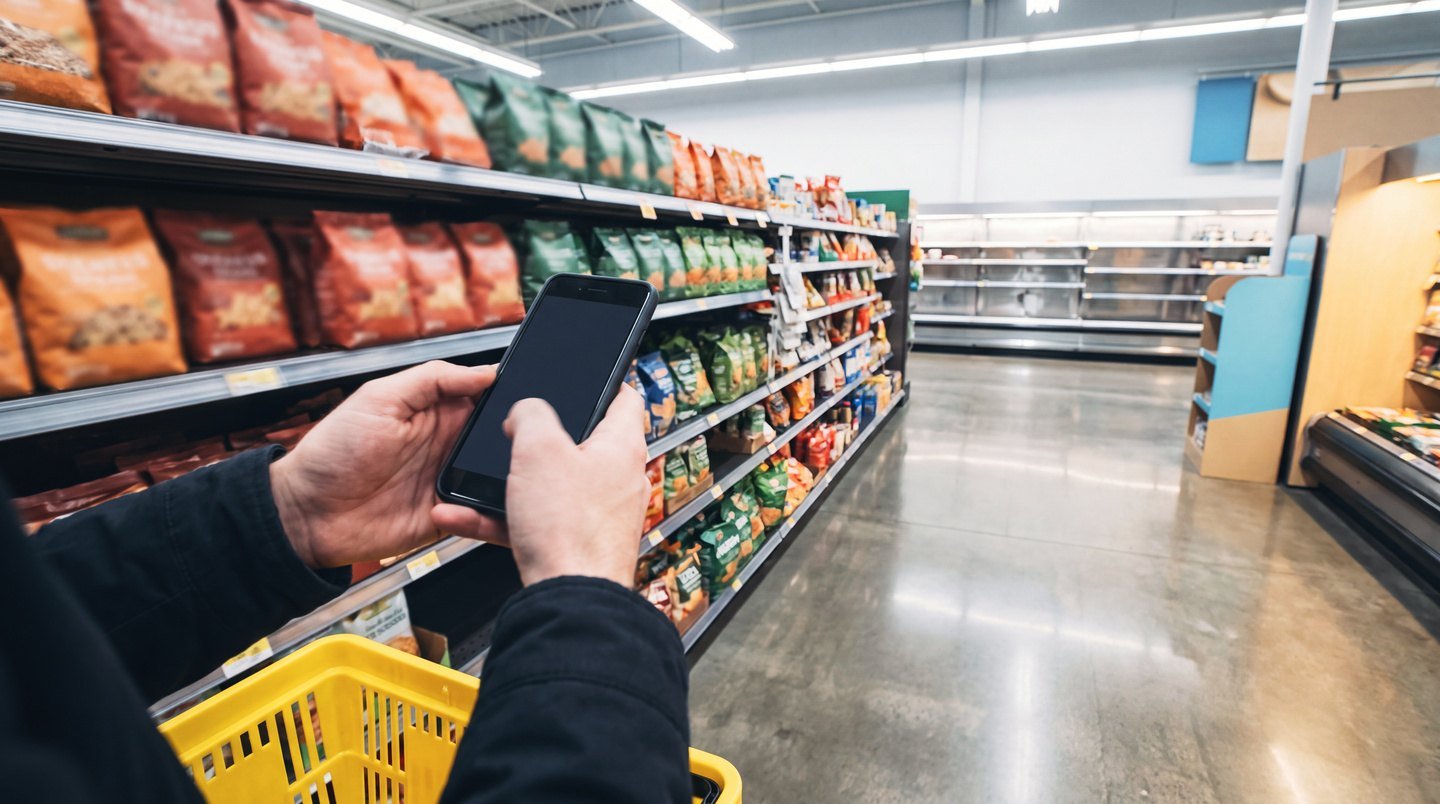
The shopper standing in the aisle is already reading the back of the bag. Make sure your feed says the same thing the bag does.
I build claims sheets like this for a handful of food and beverage brands a quarter. If yours needs one before the holiday push, message me on LinkedIn.

adage, emmy, telly & webby award-winning digital marketing consultant for purpose-driven food & beverage brands.