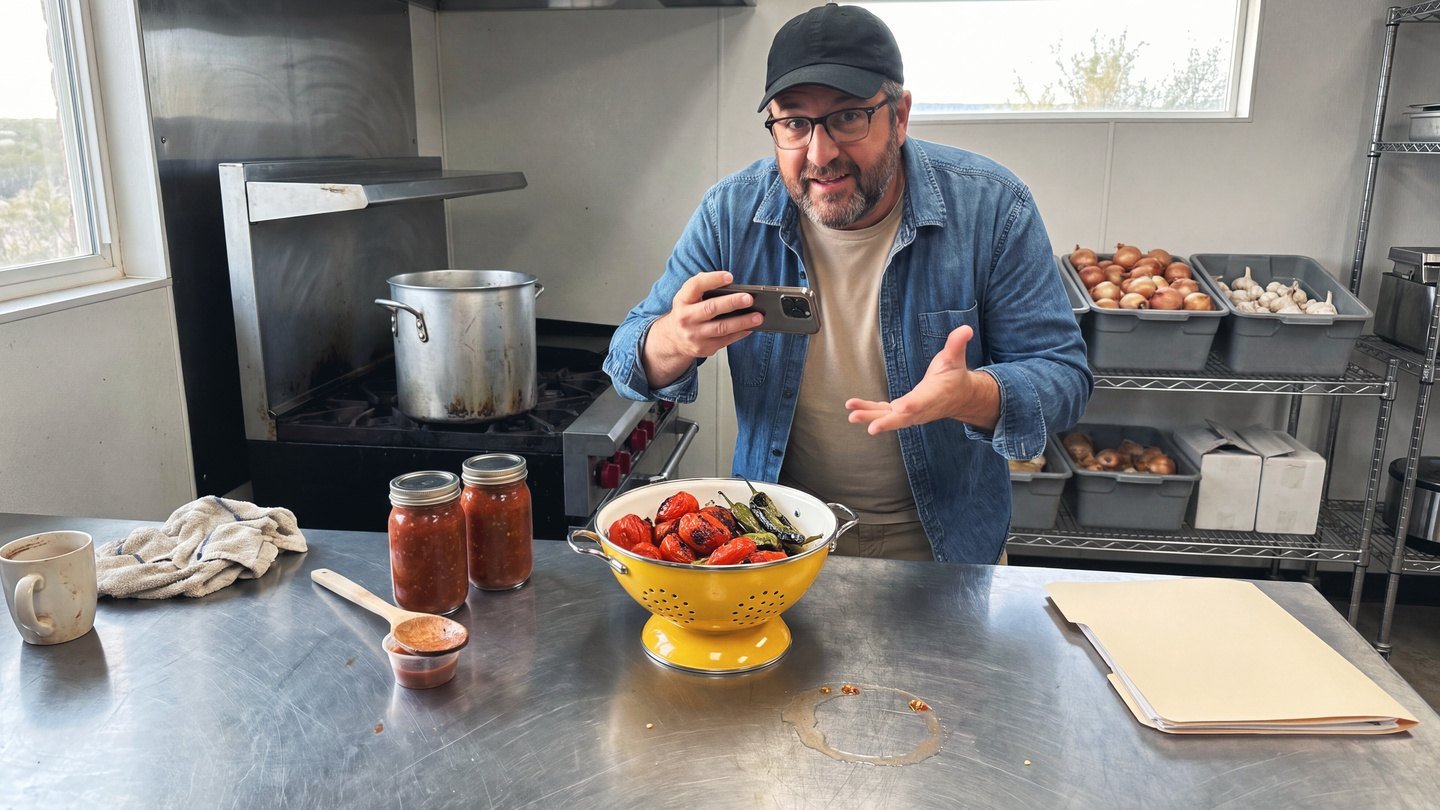
Content creation for clean-label food and beverage brands: start with the paperwork
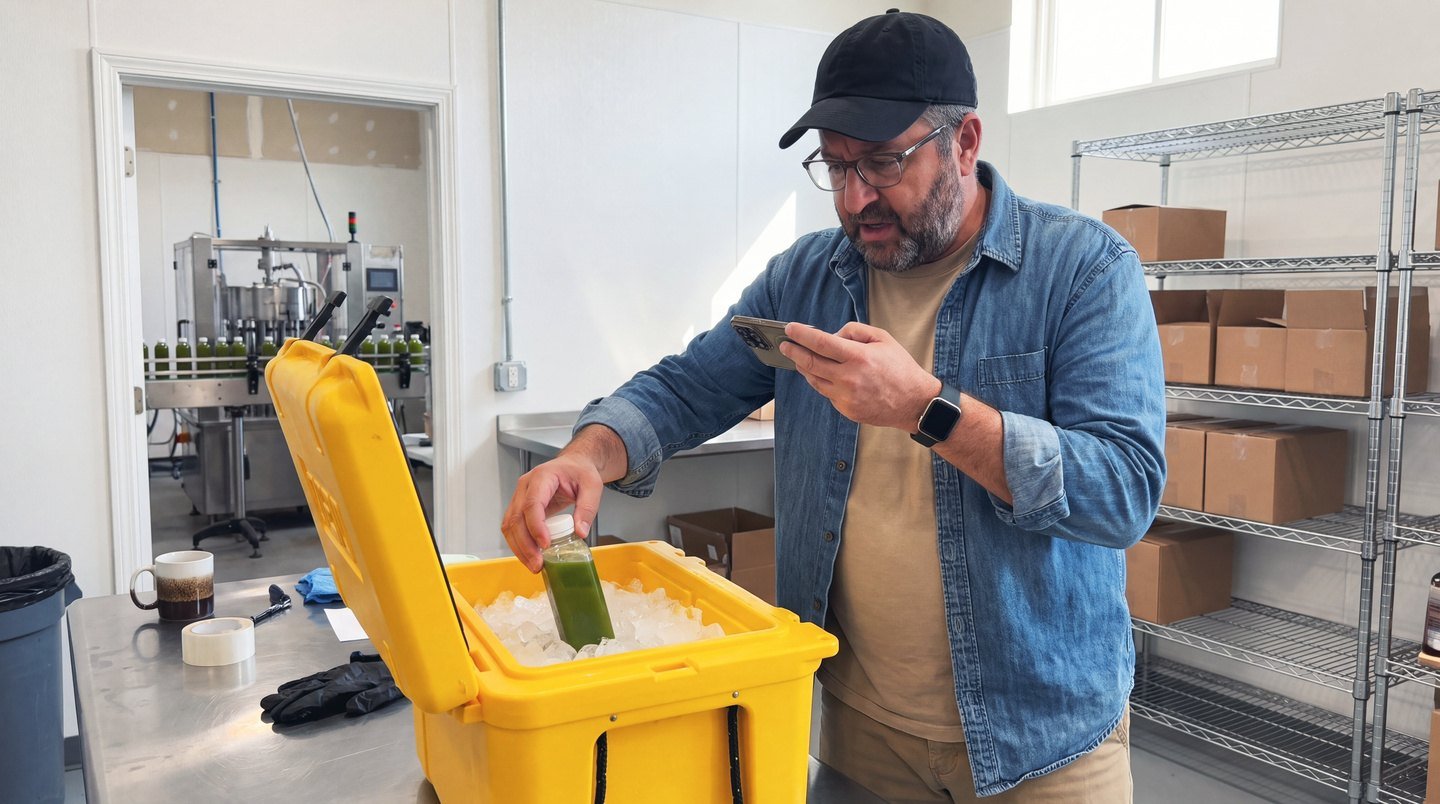
Content creation for clean-label food and beverage brands works when every post proves a claim the package already makes. Start with the documents you have: spec sheets, supplier letters, lab results, batch records. Turn each one into a short video, a carousel or a caption a shopper can check, and post on a schedule your plant can keep.
Key takeaways
- The clean-label argument has moved from the ingredient deck to the lab report, and your content should follow it there.
- Your best raw material is paperwork you already file: spec sheets, certificates of analysis, supplier letters and third-party test results.
- One test result can carry a month of posts if you plan the cuts before anybody picks up a camera.
- Every caption gets a claims check before it posts, because "healthy" is a word FDA defines and "clean label" is a word nobody does.
What is content creation for clean-label food and beverage brands?
Turning a short ingredient list into proof people can see. That's the job. Posts, videos, and captions do the showing. A shopper, a category buyer, and a retailer need to see the label is true. Somebody at the company has to explain every line on it.
Most of what ranks for this phrase is about the label itself. The Clean Label Project homepage sits near the top of Google. It's a certification pitch. Contaminant testing for heavy metals, pesticides, and plasticizers. A consumer app. A list of certified products. Useful context for a founder. It tells you nothing about what to post on Tuesday.
I wrote the first version of the transparency playbook for clean-label brands around ingredient stories and the why behind each choice. This one covers the evidence under those stories. That's where the category went while everybody was still shooting granola on linen.
Why does a clean-label brand need proof on social media?
Shoppers already check. Clean means more than the label now. It covers things that never print there.
The 2025 IFIC Food and Health Survey polled 3,000 Americans in March 2025. Thirteen percent said they follow a clean eating pattern. Twenty-eight percent put "minimal or no processing" in their definition of healthy food, and 25 percent put limited or no artificial ingredients or preservatives. Among people who knew the term ultraprocessed, 53 percent said they'd judge a food by reading its ingredients list. Those people are reading your back panel and then checking your feed to see if anybody's home.
Then the law started writing content briefs. California's AB 899 requires baby food makers selling in the state to test each final product at least once a month at an ISO/IEC 17025 accredited lab. Since January 1, 2025, they have to post the level of each toxic element (arsenic, lead, cadmium and mercury) on their website and put a QR code on the package with the line "For information about toxic element testing on this product, scan the QR code." That's a regulator telling a food company exactly what its proof post looks like. If you don't make baby food, it's still a preview of what your shopper will expect from you.
April 22, 2025. HHS and FDA put a phase-out of petroleum-based synthetic dyes on the calendar, and FDA now runs a public tracker of the company pledges. General Mills says certified colors leave all its U.S. cereals and K-12 school foods by summer 2026. FDA already lists Nestlé USA's pledge to drop FD&C colors from its whole U.S. portfolio as complete. When the biggest names in the aisle reformulate on a press-release schedule, "no artificial colors" stops being a reason to buy you. What a big company still can't fake is the founder holding the supplier letter and telling you why she paid more for it.
Which documents make the best clean-label content?
If it proves a claim on your package, post it. Those are the docs a buyer asks for in a line review anyway.
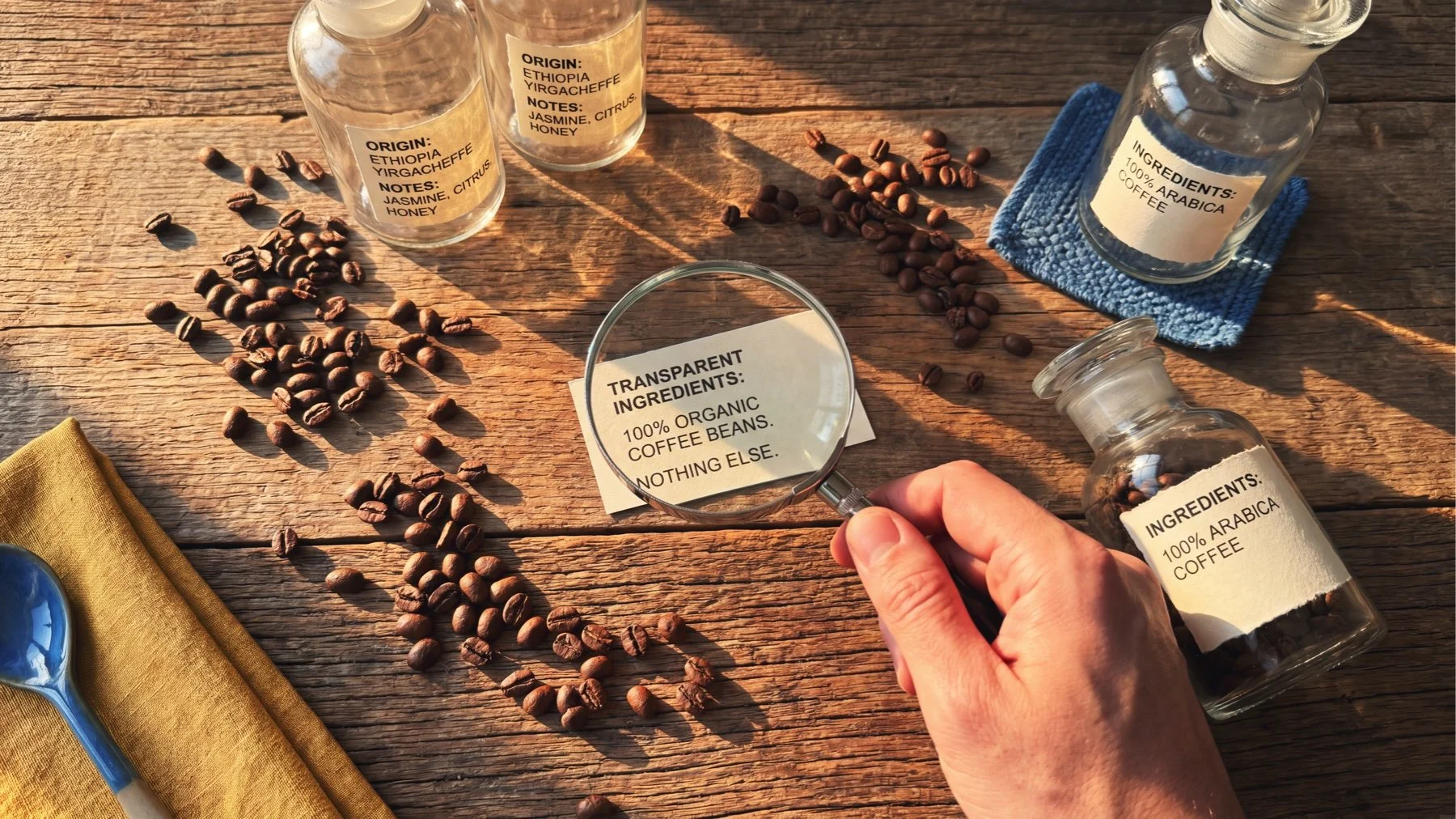
| Document you already have | What it proves | Content format | How often | |---|---|---|---| | Ingredient spec sheet | What's in each input and what isn't | Carousel, one input per slide | Once per SKU, again after any reformulation | | Supplier certificate of analysis | That lot met spec | 30-second video reading the lot number on camera | Monthly | | Third-party lab result | Contaminant or nutrient levels in the finished product | Static post plus the full PDF linked from your bio or site | Every new test | | Supplier letter or farm visit notes | Where the ingredient came from | Founder-shot vertical video | Quarterly | | Reformulation memo | What you changed and what it cost you | Long caption or LinkedIn post | When it happens | | Batch record or production log | That the plant made it the way the label says | Behind-the-line clip | Every two weeks |
Have your QA lead check every document before it goes public. Redact supplier pricing, anything under NDA, and customer names on a COA. A blurred number is fine. A leaked price list is a phone call you don't want.
How do you turn one lab result into a month of posts?
Plan the cuts before you shoot. Release them in a fixed order. The plant schedule can slip and the calendar still holds.
- Week one, the result. Post the number, what it was tested for, the lab and the test date.
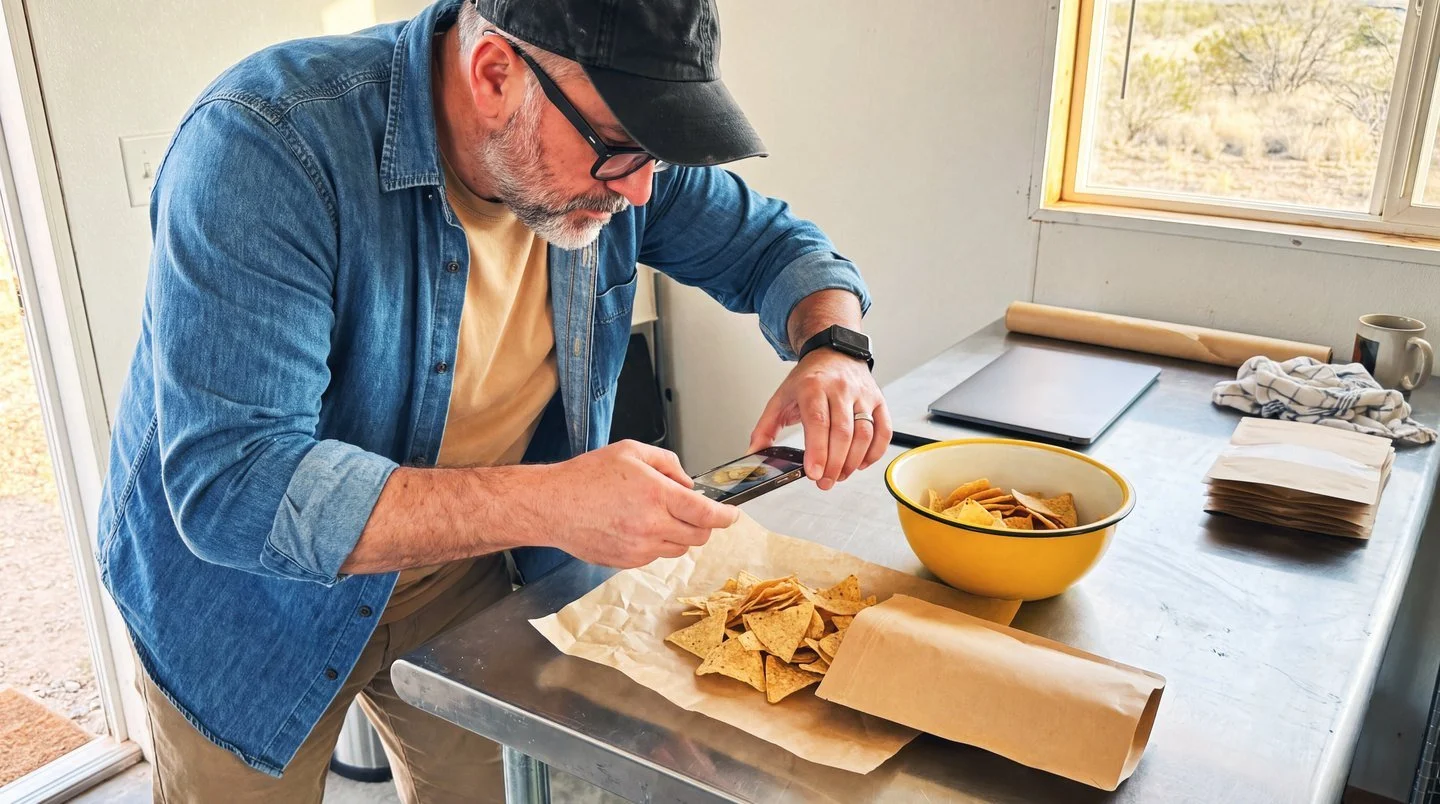
- Week one, the explainer. Your founder or QA lead on camera for 45 seconds, explaining what the test looks for and why you paid for it.
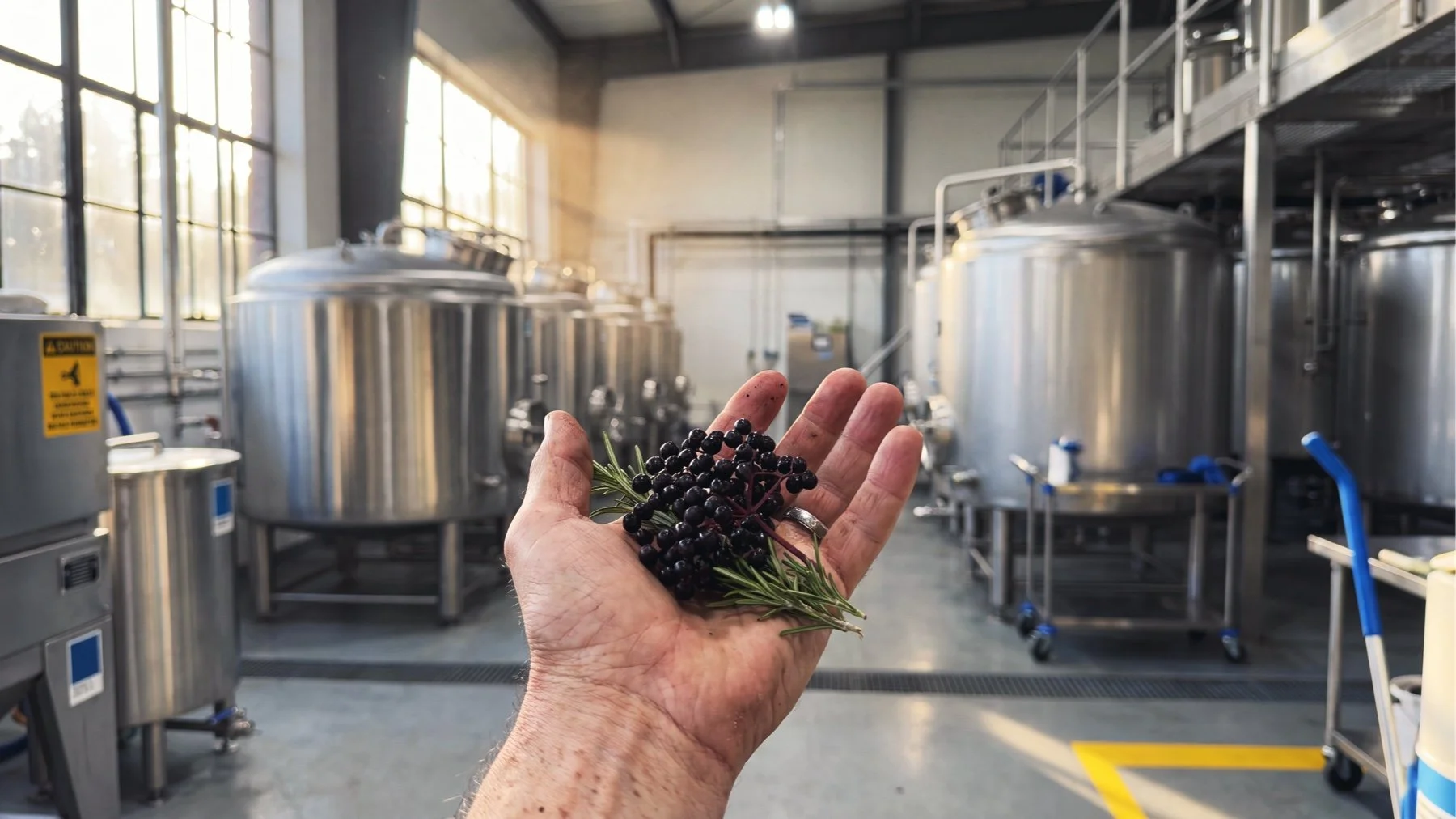
- Week two, the sample. Footage of the sample coming off the line or getting packed for the lab.
- Week three, the question. Answer the most common comment or DM the result post got, and name the person if they say yes.
- Week four, the buyer cut. A one-page version for LinkedIn and your wholesale deck.
Five pieces out of one PDF. No stylist on any of them. I put the strategy side down earlier this month: a proof post for every claim on the bag. This is the production side. It's what decides whether the plan holds on a Tuesday when the line goes down.
What can't a clean-label brand say on social media?
If the label can't back it, cut it. Regulators already defined a short list of words for you.
FDA finalized the updated "healthy" claim on December 19, 2024. Specific nutrient criteria. Your product hits them or it doesn't. If it doesn't, keep the word out of the captions too. Regulators can read Instagram. "Clean label" has no regulatory or legal definition at all. Protects nobody. The proof has to come from your documents.
Every caption I write for a claims-sensitive food client goes through a script before a person reads it. It flags "healthy," any stated ingredient count, and purity lines like "nothing you can't pronounce" when the label carries something you'd need to look up. It's a dumb script. It catches what smart people miss at 11 at night.
"No artificial colors" is true right up until a supplier changes a sub-ingredient. Free-from claims carry that same risk. Tie every free-from post to the date on the spec sheet that proves it. Same discipline applies when AI writes the first draft. I covered it in reading AI strategy like an ingredient panel.
Who should make clean-label content: in-house, an agency or a consultant?
Whoever gets on the plant floor every week. Access matters more than the title on the contract.
| Option | Where it works | Where it usually breaks | |---|---|---| | In-house coordinator | Daily access to the line and the QA team | Often too junior to argue claims with the CEO | | Large agency | Volume, polish, paid media | Copy that could sit on any brand's label in the aisle | | Independent consultant | Senior strategy and production from one person | Limited capacity, so only a few brands at a time |
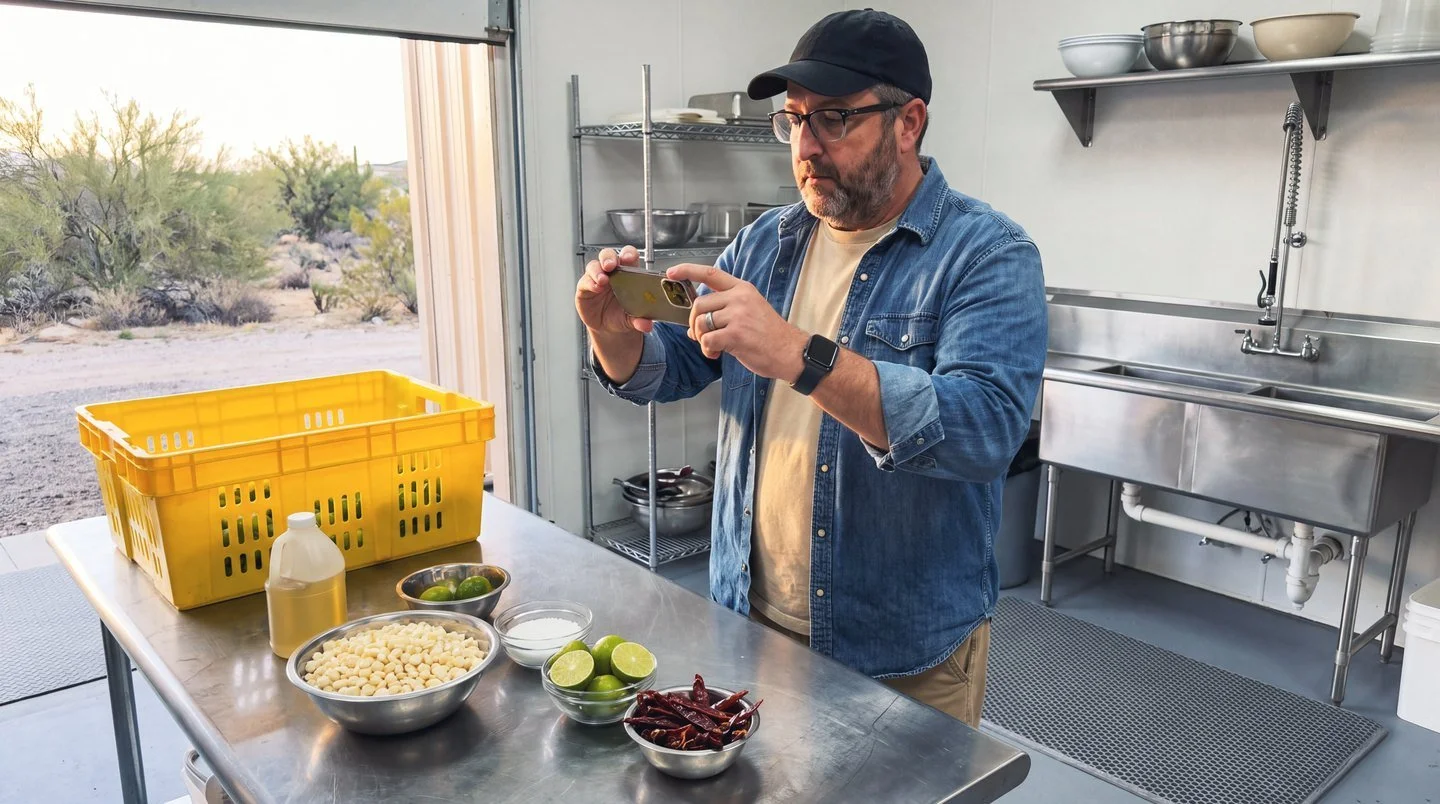
I've watched big shops write the same category copy for every clean-label brand they touch. That's the gap I work in: social media strategy and content creation for food and beverage brands from someone who can sit with your QA lead and your CEO in the same week.
I won't print a price range I can't source. Have any provider scope a real month in deliverables. Videos, posts, shoot days. Price that package. Never hours.
What should you ask before you hire someone?
Ask questions that show whether they'll read your spec sheets.
- Ask which of your label claims they'd want documentation for before they post about it.
- Ask how they handle a caption that QA or legal flags an hour before it goes live.
- Ask to see a post where they turned a technical document into something a shopper would watch.
- Ask who shoots on your floor and how often they can be there.
- Ask what they'd stop posting in the first 30 days.
If the answers circle back to follower growth and trending audio, you're talking to someone who will make your brand look like everybody else's.
What happens in the first 90 days?
Inventory first. Then lock a cadence. Then cut a version for the buyers. That's the order I'd run content creation for clean-label food and beverage brands. Team size doesn't change it.
- Days 1 to 30: collect every document from the table above, run a claims check on the last 90 days of posts and pull anything the label can't back.
- Days 31 to 60: run the one-result, five-post schedule twice and track saves, shares and DMs that ask about ingredients.
- Days 61 to 90: build the buyer cut, a one-page proof sheet for wholesale plus the LinkedIn version, and decide which formats earned a permanent slot.
Big brands already treat clean package copy as table stakes. The proof is where an independent brand still has room to win the shelf.
FAQ
What is clean-label content?
Clean-label content is any post, video or caption that shows a shopper why a food or beverage label is true. It uses real documents, people and footage from the supply chain: spec sheets, supplier letters, lab results and the line itself. The goal is proof a skeptical shopper or retail buyer can check, which is much harder for a big brand to fake than a pretty product shot.
What ingredients are avoided in clean label products?
There's no legal list. Most clean-label brands avoid artificial colors, artificial flavors, synthetic preservatives and ingredients shoppers don't recognize, and many add third-party testing for contaminants like heavy metals. FDA's 2025 push to phase out petroleum-based synthetic dyes moved colors to the top of that list. Whatever your brand avoids, post the spec sheet that proves it.
What is the clean label list?
Clean label has no legal definition. There's no official list. Retailers write one set of standards. Certifiers write another. Nonprofits write theirs. They don't match. For content, the list that counts is yours. Write what your brand excludes and why. Attach the spec sheet that proves it. Post it where a shopper can hold you to it.
How often should a clean-label brand post proof content?
Weekly is a sane floor for a small brand. One document can carry four or five posts across a month if you plan the cuts before you shoot: the result, an explainer, the sample, the follow-up question and a buyer version. Steady beats loud here, because shoppers and buyers are watching to see whether the proof keeps coming.
Can a clean-label brand use AI for content creation?
Use AI for drafts, scheduling, and repurposing. Keep it off the claims. A model will happily write "healthy" or invent an ingredient count. It can't see the date on your spec sheet. Run every AI draft through the same claims check you use on human copy. Keep the footage of your line, your suppliers, and your people real.
What should you do this week?
Pull your spec sheets, your latest COA and your last third-party test into one folder. Pick the one document that proves the claim you lead with on the front of the bag, and shoot the five posts above from it before you write another lifestyle caption.
If your spec sheets live in a QA folder nobody films, DM me and I'll show you the first five posts I'd make from them.

adage, emmy, telly & webby award-winning digital marketing consultant for purpose-driven food & beverage brands.