A Client Walked Before the Handoff. Nobody Signed, So the Work Stayed Mine.
A beverage client walked away from an 18-month SOW early and didn’t pay my last invoice.
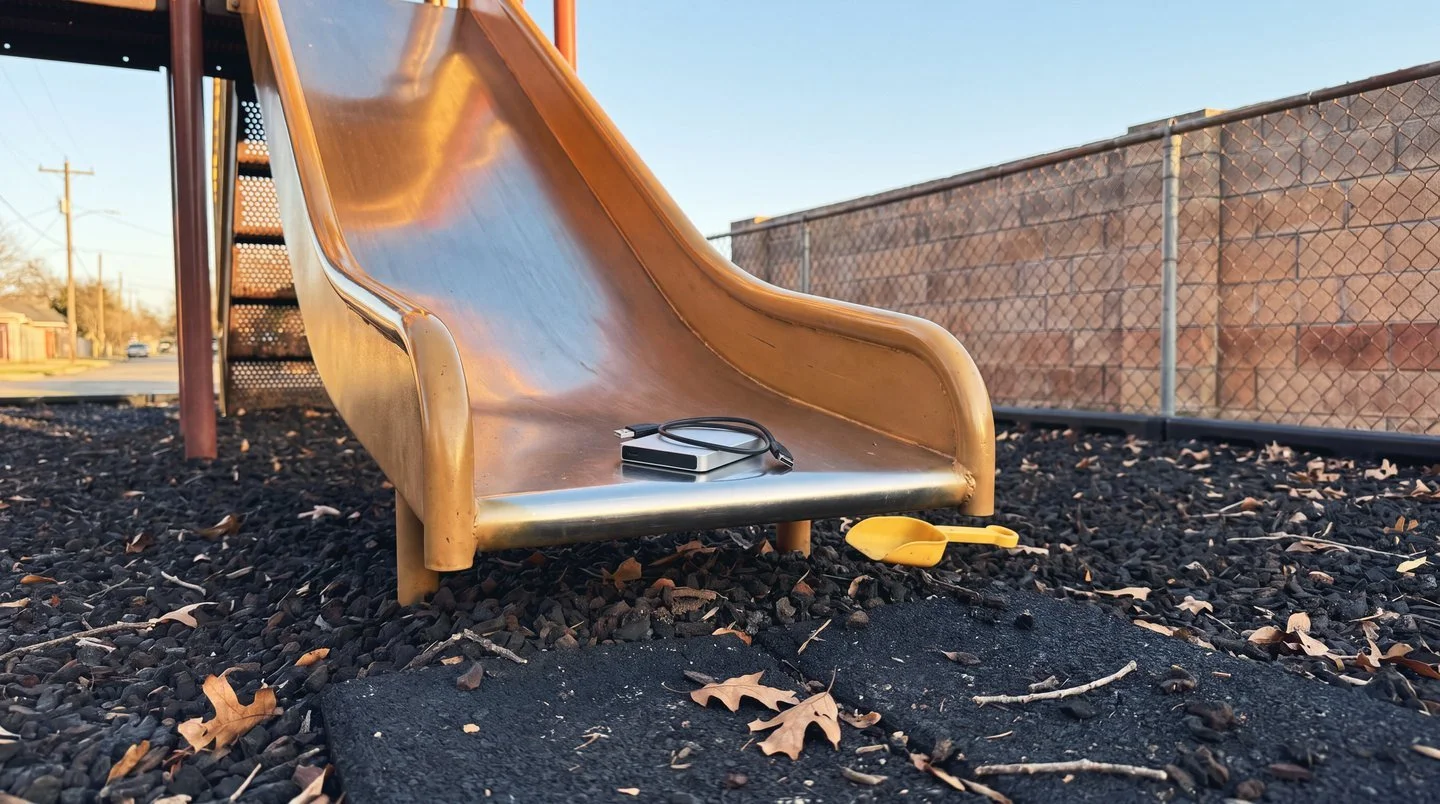
So I built a playground out of what they left on the table.
I came in as a 1099 contractor to build the U.S. launch strategy and social identity for a well-loved regional beverage brand. I wrote the strategy. I built the official channel from zero. I produced several phases of content, and a good chunk of it never went live.
Then the board picked a different direction and called for a clean break. No transition, no 30-day notice (as required by our agreement), no transition fee.
Their call. I've got no beef with it.
But nobody ever signed a master services agreement. There was no “work-for-hire” clause. The SOW we were working under never came back countersigned.
Under U.S. copyright law, an independent contractor owns what they create unless a signed writing transfers it. No writing, no transfer. Every visual and every production framework I built stayed mine.
If you hire contractors, go check your paperwork tonight.
I wasn't going to let a finished pipeline sit on a hard drive. I turned the unreleased work into an independent, non-commercial fan account.
Then I handed the mic to Frida.
Frida is a fictional virtual influencer from the gNET Studio cast. Mid-20s, grew up in Monterrey, found her water in Puebla, lives in Texas now and keeps agency hours. Every caption got rewritten from scratch in her voice. A dry corporate feed turned into a person posting about Austin heat, her abuela, the drive out to Marfa, and the third bottle of the afternoon.
The bio does the legal and platform work before anyone has to ask: "Unofficial fan account... Cast-member of gNET Studio. My life is fan fiction. AI-assisted."
Nobody scrolling past has to guess what they're looking at, and neither does Instagram's review system.
What CPG teams should take from this:
Own the produced work outright, if you can. A traditional influencer deal is a stack of usage windows, renewals, and licensing fees that expire the week before your launch. When a studio builds virtual talent with generative AI, the studio owns everything its people wrote: the character bible, the voice guide, and the world she lives in. Raw AI output can't be copyrighted on its own, so the human-written parts are the asset.
Fans sell better than ad copy. Nobody forwards a product feature to their sister. They forward a person they like who happens to love the product. Treat brand loyalty like a world with characters in it and you stop running out of things to post.
Label it and move on. Disclosure costs you nothing. Getting caught hiding it can cost you the account. Saying AI-assisted and naming the studio in the bio takes the gotcha off the table and keeps you on the right side of platform rules.
Meet the rest of the roster at The Cast at gNET Studio: https://gallucci.net/the-cast
For the CPG folks still writing creator contracts.
If you can own the character, build the community, and do it for less than one of those deals, what are you still paying the human influencer to do?
adage, emmy, telly & webby award-winning digital marketing consultant for purpose-driven food & beverage brands.