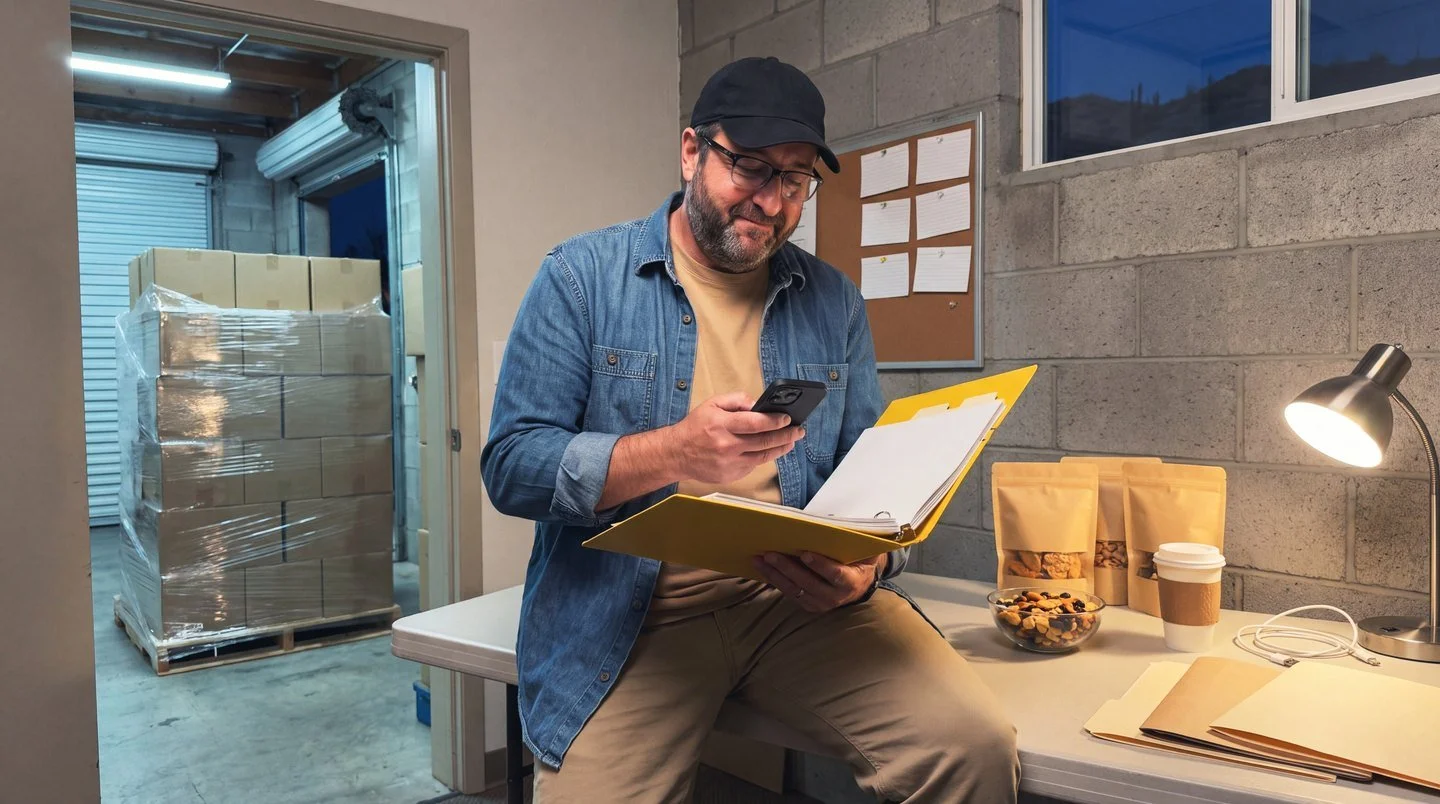
AI strategy for clean-label food and beverage brands: read it like an ingredient panel
An AI strategy for clean-label food and beverage brands is a written list of every place AI touches your marketing. You sort it the same way you sort an ingredient panel. Some uses are processing aids. Nobody needs to see those. Some get declared. A few never go in the bag. They break the promise your label makes.
Key takeaways:
Your shopper already reads your back panel. Assume they'll read your AI use the same way, because the platforms are starting to print it for them.
Most AI work in a food brand is a processing aid: research, review mining, transcription, scheduling, first drafts a person rewrites.
AI-generated imagery and synthetic presenters are declared ingredients. Use them, label them, and never let them make the product look better than what's in the bag.
Fake reviews, invented founders, and unchecked health claims are banned ingredients. The FTC already says so about the reviews.
Mentioning AI as a selling point costs you trust. Put it in your process, not on your pack.
Why a clean-label brand can't copy a generic AI playbook
A clean-label brand sells one thing before it sells flavor: the shopper's belief that nothing's hiding in the bag. Generic AI playbooks are built for brands that sell convenience or price, where nobody cares how the sausage got made. Your shopper cares. That's the whole category.
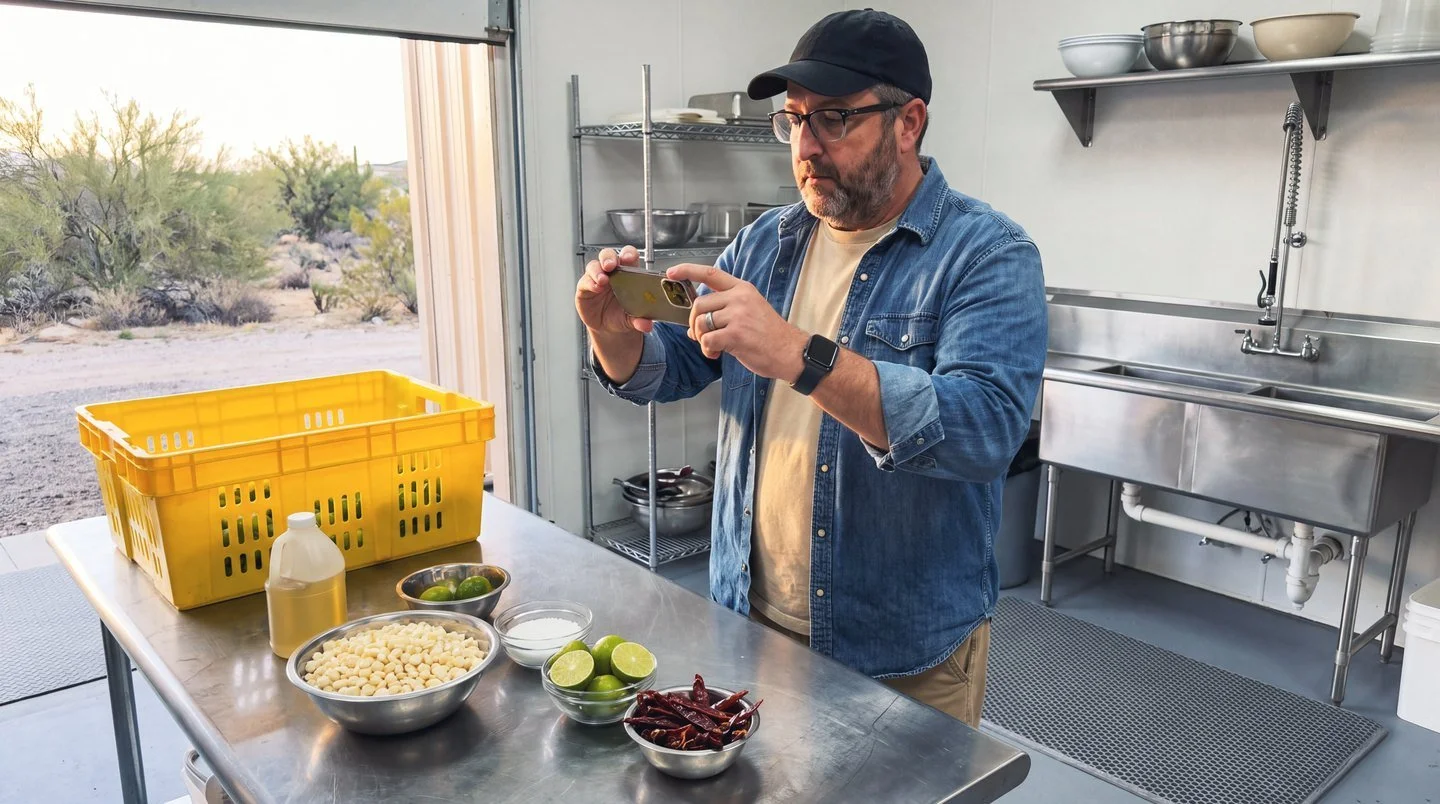
I've watched this from both sides. I've spent 20 years on food and beverage CPG brands, and I run an AI-heavy content operation out of Marfa, Texas. I build synthetic people. I render scenes. I shoot real product on a rigged iPhone 14 Pro Max. So when a founder asks me whether AI belongs in a clean-label brand, my answer is yes, with a panel attached.
There's also no legal floor to stand on. Neither FDA nor USDA has an official definition of clean label, and FDA has never formally defined "natural" either. The term lives in the shopper's head. That means the shopper sets the rules, and the shopper is the one deciding whether your AI use feels like a shortcut or a lie.
The data backs the caution. A Washington State University team ran experiments with more than 1,000 U.S. adults and found that putting the words "artificial intelligence" in a product description lowered purchase intent across eight product and service categories. The drop came from lower emotional trust. Emotional trust is the only currency a clean-label brand has.
What should an AI strategy for clean-label food and beverage brands cover?
Map every AI touchpoint from your farm or co-packer to the shopper's phone. Label each one hidden, declared, or banned. That's the ingredient panel. Write it once. Every vendor, freelancer, and new hire works off the same page.
I'd want a founder to sign this before anybody on the team opens an image generator. I've written about this phrase twice before. The first piece argued for scaling authenticity instead of noise. The second pushed AI upstream into supplier and claim verification. Both still hold. This one's narrower and more practical.
The panel has three columns.
Processing aids. AI work that shapes the output but never shows up in it. Research, review mining, transcribing a founder interview, scheduling, resizing, a first draft a human rewrites. Nobody needs a label for these, the same way nobody lists the stainless steel kettle.
Declared ingredients. AI work the shopper sees. A generated background scene, a synthetic presenter, an AI voiceover on an explainer. Use them. Label them where the platform asks and where a reasonable shopper would want to know.
Banned ingredients. AI work that breaks the label's promise. Generated reviews, an invented farmer, a rendered product that looks better than the real one, a health claim nobody checked. These don't go in the bag at any volume.
Where AI belongs in a clean-label brand's marketing
AI earns its keep behind the counter. The biggest wins I see are boring and invisible, and they free up hours for the work that has to stay human: the founder on camera, the real product on a real counter, the answer to a shopper's question.
Here's how I'd sort the common uses.
| AI use | Panel column | Why | Who signs off | |---|---|---|---| | Mining reviews and DMs for the questions shoppers actually ask | Processing aid | Never published, only shapes what you say | Marketing lead | | Transcribing and cutting a founder interview | Processing aid | The founder's words and face stay real | Founder | | First draft of a caption or blog post | Processing aid | A person rewrites it in the brand's voice | Marketing lead | | Generated background or lifestyle scene with no product in it | Declared ingredient | The shopper sees it, so label where asked | Marketing lead | | Synthetic presenter or AI persona | Declared ingredient | Instagram now requires the AI-generated profile label | Founder | | AI voiceover on an explainer | Declared ingredient | Disclose in the caption | Marketing lead | | Rendered product that looks better than the real bag | Banned ingredient | Misrepresents what the shopper buys | Nobody | | Generated reviews or testimonials | Banned ingredient | Illegal under the FTC rule | Nobody | | Health, sourcing, or ingredient claims written by AI and never checked | Banned ingredient | The claim is yours, not the model's | Nobody |
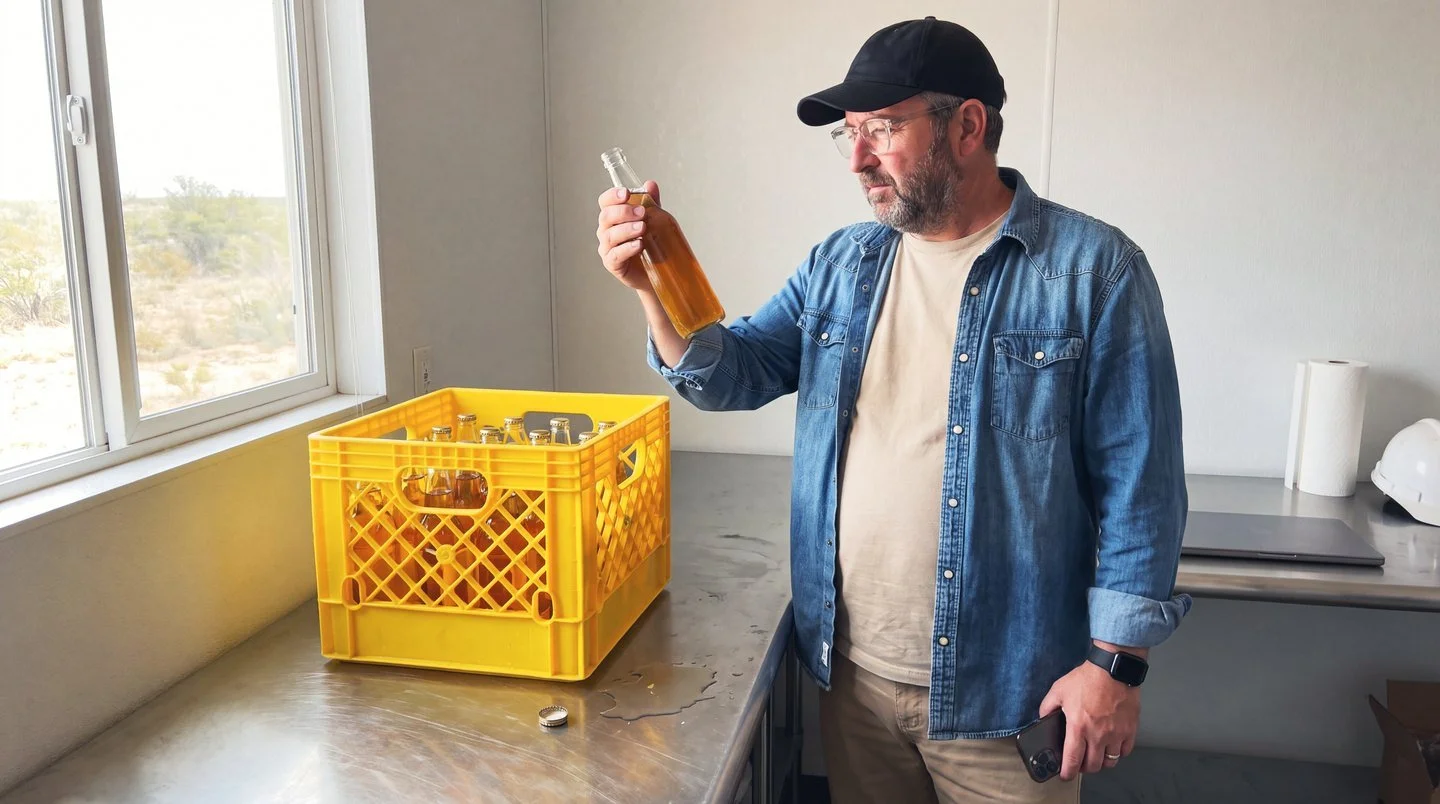
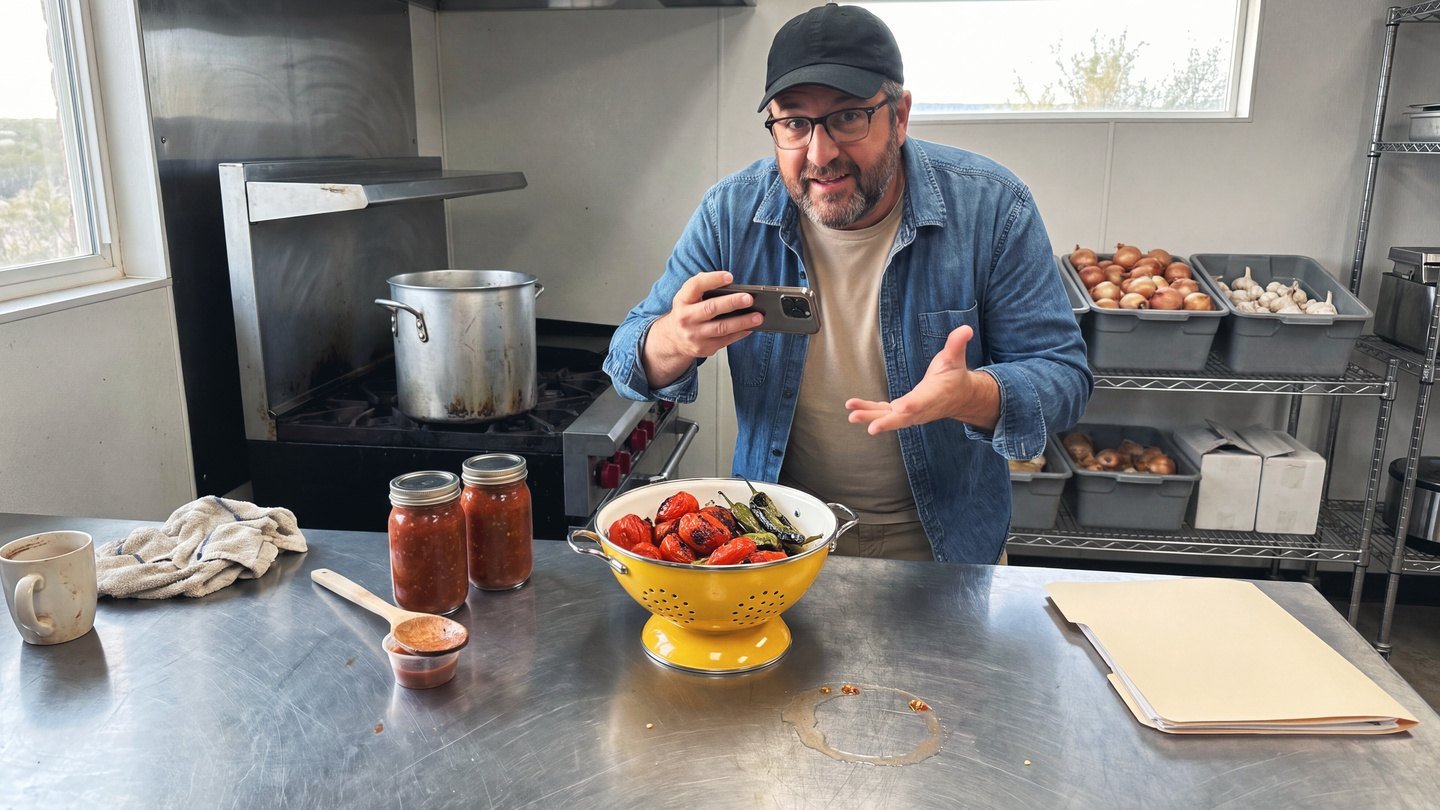
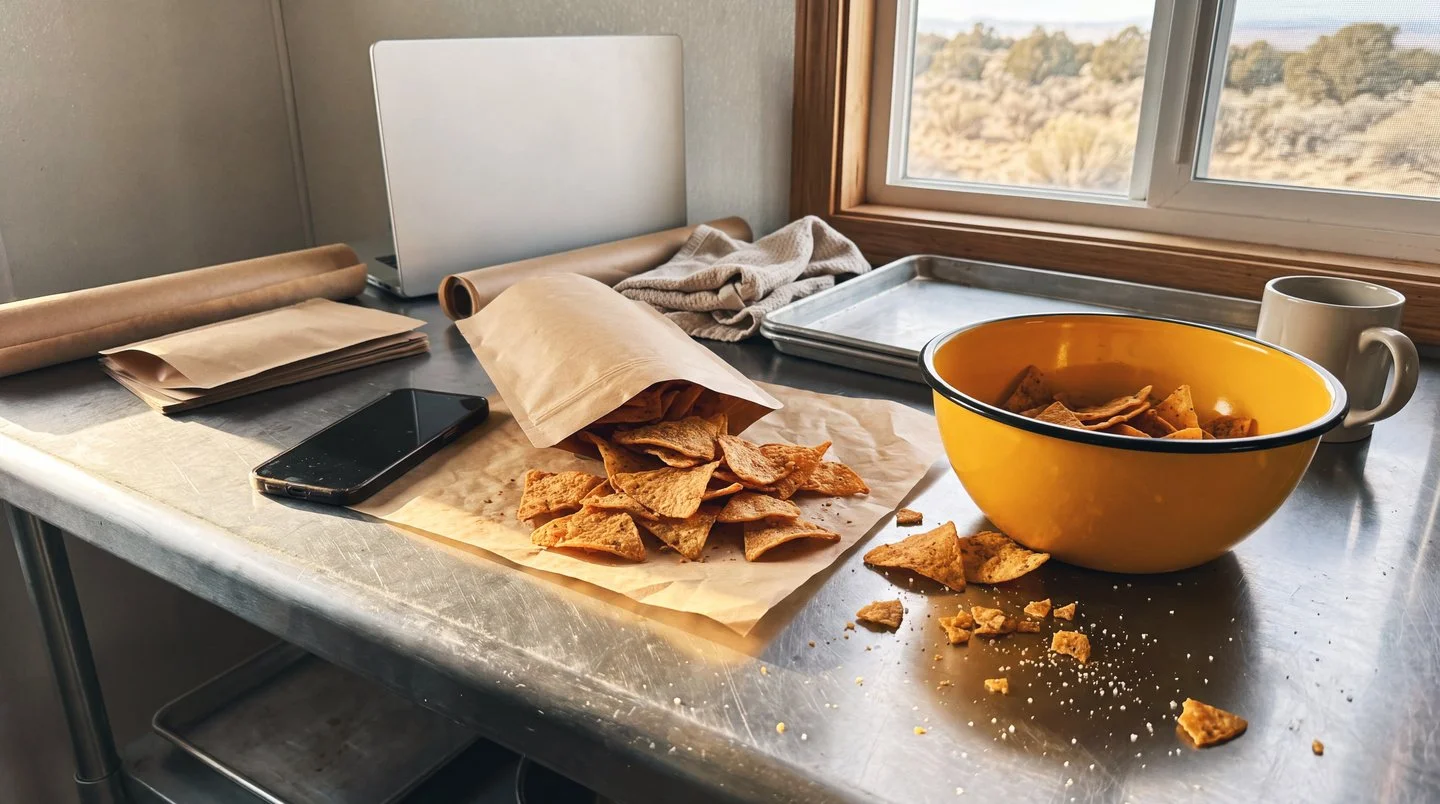
The product rule matters most for a food brand. When I build content, the product in frame is the real product, shot on a phone, crumbs and all. AI can build the room around it. AI doesn't get to build the chip.
Where AI breaks the promise on the bag
AI breaks the clean-label promise the second it makes something a shopper is supposed to take as real and it isn't. Every banned ingredient on the panel fits that test.
An AI testimonial from a happy mom who never existed is a federal problem before it's a brand problem. The FTC put that in writing on August 14, 2024. Its final rule on fake reviews and testimonials bans reviews and testimonials from someone who doesn't exist, and it names AI-generated fake reviews specifically. The rule took effect October 21, 2024. Violations can carry civil penalties of up to $51,744 each.
The platforms are drawing their own lines. On August 31, 2026, Instagram renamed its AI creator tag to "AI-generated profile" and said unlabeled profiles featuring an AI-generated person will stop getting recommended to non-followers in Reels and Explore. Creators who use AI tools while showing up as themselves don't need the label. I run nineteen synthetic persona files, sixteen of them published, so I wrote up what that label change meant for my own roster. Short version: I labeled all of them before anybody made me.
No regulator polices taste. Coca-Cola's AI-made Holidays Are Coming spots took a beating online in 2024 and again in 2025. Viewers called them soulless. Coke can absorb that. A clean-label brand with 4,000 followers and one co-packer can't. Those followers are only there because they believe you.
How to build the panel in 30 days
You can build a working AI policy for a small food or beverage brand in a month without hiring a data scientist. It takes one owner, one document, and the discipline to keep it current.
Inventory every AI tool anyone on the team, agency, or freelance bench uses. Ask in writing. People forget the caption tool and the background remover.
Sort each use into the three columns. When you're unsure, put it one column stricter and move it later.
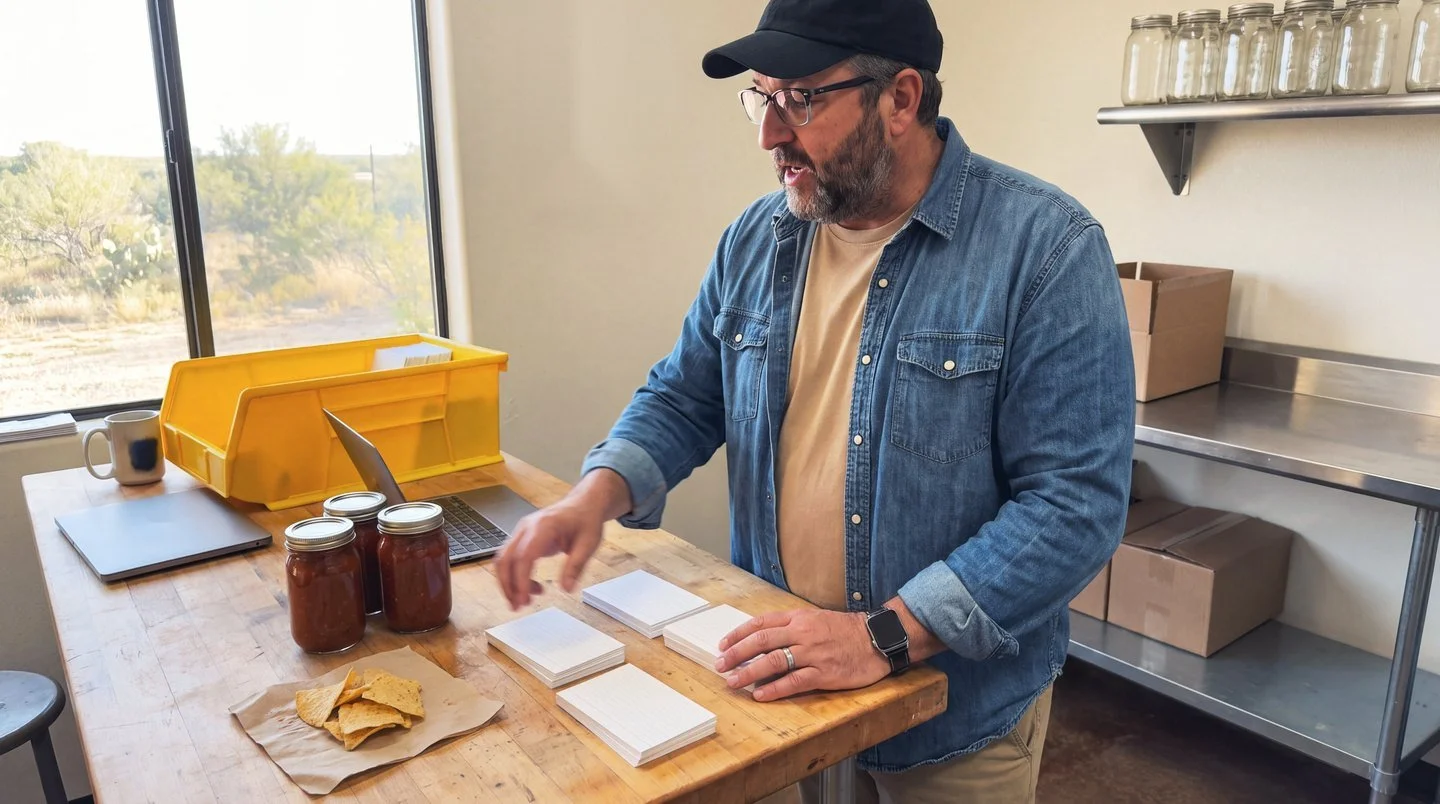
Write a public disclosure page. Mine has said since August 17 that my synthetic cast aren't real people and don't endorse anything. Yours can be three sentences.
Add one line to every creative brief: does AI generate anything the shopper will see, yes or no. Answer it before production, not after a comment thread.
Put a human review gate in front of publish, and give it a name. I've written about what that review gate actually costs, and it's less than one bad post.
Revisit the panel every quarter. Platforms change the rules without asking you, and a use that was a processing aid in March can become a declared ingredient by September.
What should you ask before you hire help with this?
Ask anyone you're about to hire to show you their own panel first. An agency or consultant that runs AI without a written disclosure policy will run yours the same way, and you'll find out in the comments.
Here's what I'd ask in the first call. Show me your disclosure page. Which parts of your output are AI-generated, and how do you label them? Who reviews before publish, and can I talk to that person? How do you shoot the actual product? What would you refuse to make for us?
That last question tells you the most. A partner who can't name something they'd turn down hasn't thought about your label at all.
The red flags are easy to spot. Watch for anyone who pitches AI as the selling point to your shoppers, any sample reel where the product looks suspiciously perfect, and any "testimonial package" priced per review. Somebody who has spent real time on food brands will talk about your shelf and your shopper before they talk about tools. That's who to hire as your food and beverage social media strategist.
FAQ
Do clean-label brands have to disclose AI use in marketing?
AI labels aren't for every use. Research, transcription, scheduling, drafts a person rewrites. None of that needs a sticker. Instagram makes you label a profile built around an AI-generated person. The FTC bans fake reviews outright, AI ones included. Beyond those lines, disclose what a reasonable shopper would want to know. A clean-label buyer already flips the bag.
Can a clean-label brand use AI-generated food photography?
Shoot the real product on a phone. Crumbs, condensation, the mess that actually ships. AI can build the kitchen, the table, the landscape behind it. Label that where the platform asks. It's a declared ingredient. A rendered chip, bar, or bottle that looks better than what leaves the plant is a misrepresentation. Don't ship that.
Does saying "made with AI" hurt sales?
It can. A Washington State University study of more than 1,000 U.S. adults found that adding the words "artificial intelligence" to a product description lowered purchase intent across eight categories, driven by lower emotional trust. So keep AI in your process and out of your pitch. Disclose it honestly where it shows, but don't sell it to shoppers as a reason to buy your food.
What's the biggest AI mistake clean-label food brands make?
Letting AI create something the shopper believes is real. Fake testimonials, an invented founder or farmer, and a too-perfect rendered product all fall into that bucket. Each one trades the only asset a clean-label brand has, the shopper's belief that nothing is hiding, for a bit of saved time. The FTC already penalizes the fake reviews. The shopper penalizes the rest.
How long does it take to set up an AI policy for a food brand?
About 30 days for a small team. Spend the first week inventorying every AI tool in use, the second sorting each use into processing aid, declared, or banned, and the last two writing a public disclosure page and adding a yes or no AI line to every creative brief. Then review the list every quarter, because platform rules keep moving.
What to do this week
Open a blank doc and title it AI ingredient panel. List every AI tool your team touched in the last 30 days, then put each one in a column. If anything lands in the banned column, pull it before a shopper or a regulator finds it. If your product shot isn't real, reshoot it on a phone this week. The big brands can afford to look synthetic. You can't, and you shouldn't want to, because the real bag on a real counter is the story they can't fake.
I build this panel for a handful of food brands a quarter. If yours is next, message me on LinkedIn.

adage, emmy, telly & webby award-winning digital marketing consultant for purpose-driven food & beverage brands.