Natural food marketing agency: what to hire when your shopper reads the back of the bag
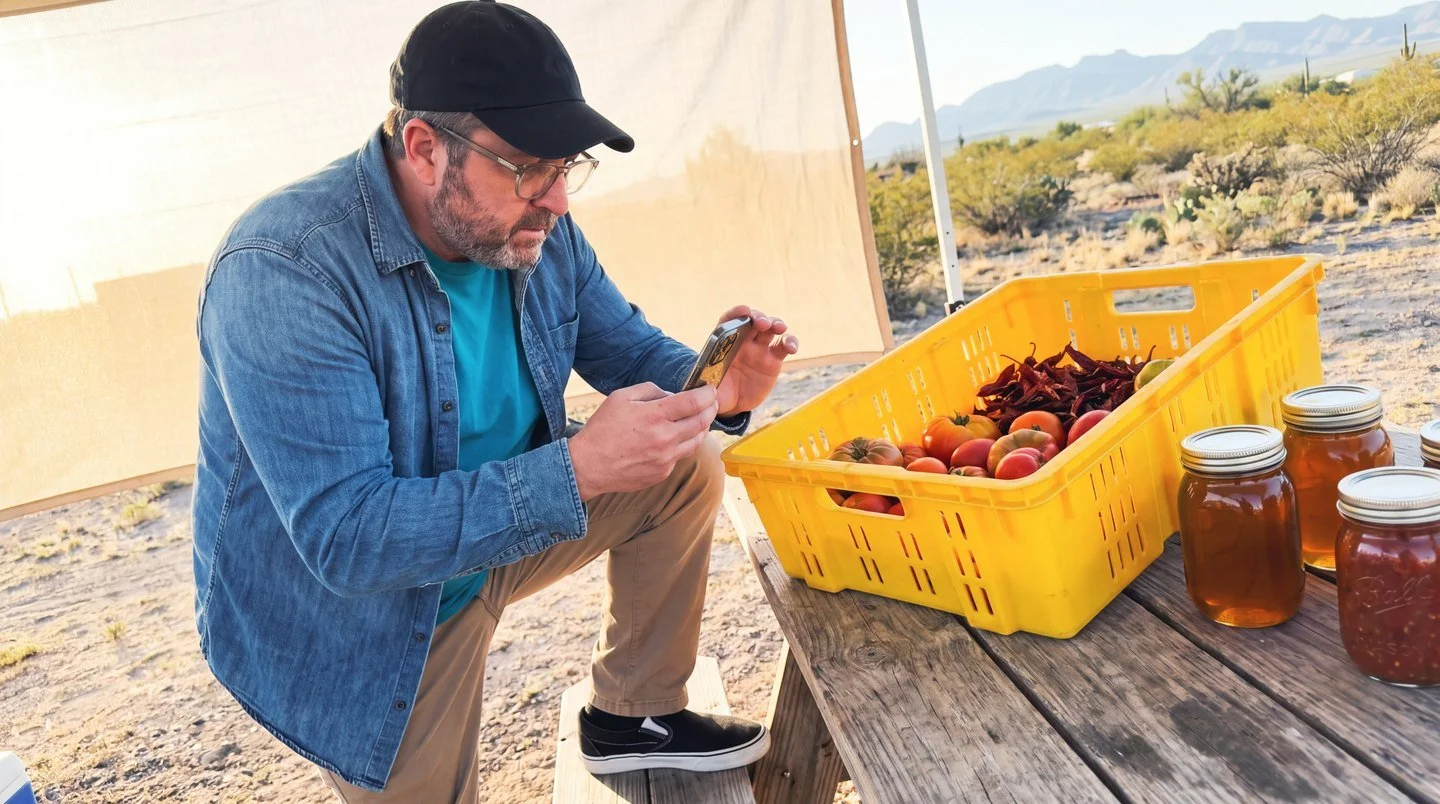
A natural food marketing agency helps brands that sell on ingredients, sourcing and certifications earn the trust of a shopper who reads the label before the logo. The good ones build the story from the ingredient panel outward and prove it in photos and founder video. The weak ones repaint a conventional playbook green.
Key takeaways
Hire a natural food marketing agency that can prove your claims on camera. Your shopper checks the ingredient panel and the certification seal before anything else.
Most agencies ranking for this phrase list natural foods as one practice area among many. Ask how many natural brands they've run in the last two years.
Published ranges run from $15,000 for a project to $75,000 or more a month for a full retainer at an emerging brand. Under $1 million in sales, buy a project or a sprint.
Judge the first 90 days by what shows up on your feed and at the shelf.
What does a natural food marketing agency do?
A natural food marketing agency markets food and drinks that sell on what's in them and how they're made: organic, non-GMO, gluten-free, regenerative, short ingredient lists. The work covers positioning, packaging copy, social content, PR and support for retail launches in natural and specialty grocery.
The category is bigger and more crowded than most founders assume when they write their first check. Sales of natural and organic products grew 5.7% in 2024, according to New Hope Network's Nutrition Business Journal, and SPINS data presented at the same Expo West keynote showed natural products leading sales growth in every channel it tracks. At Natural Products Expo West 2026, more than 3,200 brands exhibited and 66,000 attendees registered (New Hope Network). That's 3,200 booths full of founders who each believe their ingredient story is the one that breaks through.
So the job is narrower than the homepage copy suggests. Make one brand's proof easy to read for one skeptical shopper, fast, in a store or a feed where everybody else claims the same virtues.
Why does the top result for natural food marketing agency read like a general agency page?
Search the phrase today and the number one organic result is TOP Agency's food marketing page. It's a capable shop, with Del Monte, The J.M. Smucker Company and Harmless Harvest in its client history. Natural and organic food sits on that page as one of six focus areas, in a two-sentence paragraph, in a list with category leaders and foreign food companies launching in the U.S. There's no price, no timeline, and nothing about certifications, the natural channel or what a skeptical shopper needs to see.
Further down the page you find specialists like DePersico and Compass Natural, plus a couple of directory lists. That mix tells a founder something useful. Google can't decide whether a natural food marketing agency is a specialist or a generalist with a natural foods slide, so you'll have to decide for it. The test is easy to run. Ask how many natural or organic brands the team has run in the last two years, and ask to see the feeds.
How is marketing a natural food brand different from marketing conventional food?
The natural shopper turns the package over. Conventional food marketing sells a craving or a price. Natural food marketing has to back a claim the shopper will check. So every piece of content carries a burden of proof.
Certifications are the first thing that shopper looks for. Among more than 20,000 products exhibited at Expo West 2026 and tracked on New Hope Network's product discovery platform, USDA Organic was the most common certification, followed by Non-GMO and Gluten-free. The word natural carries less weight than founders think. The FDA has never set a formal definition, and its longstanding policy only means nothing artificial or synthetic was added that a shopper wouldn't expect to find in that food (FDA). A brand that leans on the word alone is leaning on a word anybody can print.
| Marketing decision | Conventional food brand | Natural food brand | |---|---|---| | What the shopper checks first | Price, flavor, the brand they already know | Ingredient panel, certification seals, where it's made | | What content has to prove | That it tastes good and it's a deal | That the claim on the front holds up on the back | | The most believable voice | A celebrity, a mascot, a jingle | The founder, the farmer, the co-packer, the person who wrote the recipe | | Where early sales happen | Mass grocery, club stores, convenience | Natural and specialty grocery, independents, co-ops, DTC | | What kills trust fastest | A price hike | A claim that doesn't match the panel |
Sprouts alone ran 483 stores in 25 states as of March 29, 2026. That's the natural and specialty grocery set, and it's where a lot of natural brands go looking for their first real velocity. A natural food marketing agency should know what a buyer in that set wants to see on the brand's social before they take the meeting.
What should a natural food marketing agency deliver in the first 90 days?
Content in the feed by day 30. A business result you can point to by day 90. The strategy document comes second.
Days 1 to 10: the agency reads your ingredient panel line by line, checks every claim against your certifications, and tastes the product. You get a one-page list of what you can say, what you can prove on camera, and what you need to stop saying.
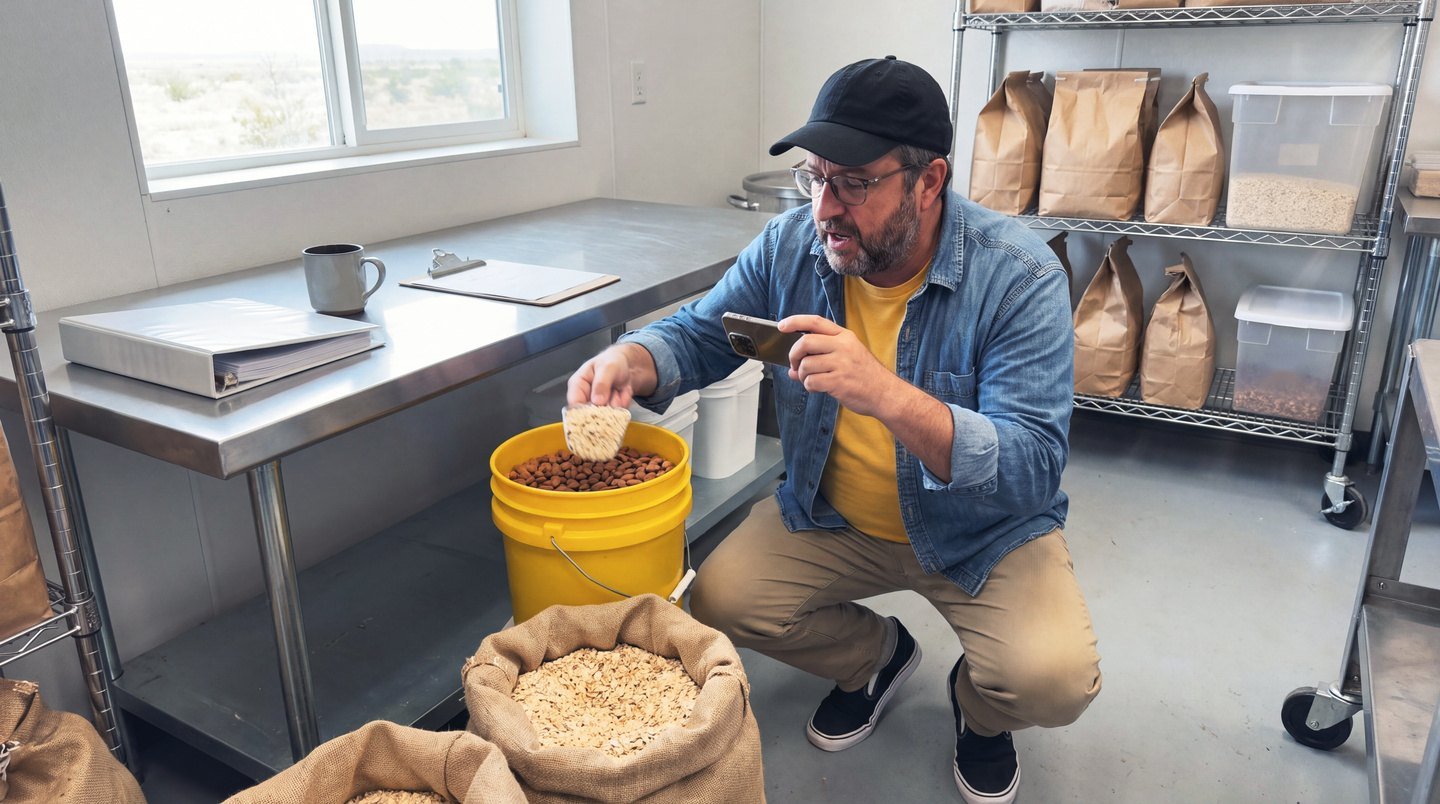
Days 11 to 30: proof content goes live. The farm or the supplier if they'll allow a phone in, the kitchen, the co-packer floor, the founder explaining one ingredient decision in under a minute. A lo-fi founder talking head beats a 4K production with this shopper almost every time.
Days 31 to 60: the agency cuts what isn't earning saves, shares and replies, and builds on what is. You see the numbers every two weeks.
Days 61 to 90: the content lines up behind a retail moment, like a new natural channel account, a demo weekend or a regional reset, and you can show the buyer what it did.
I've watched natural brands drop a quarter on a brand platform deck and ship zero posts to the feed. The deck was fine. The shopper never saw it.
How much does a natural food marketing agency cost?
Agencies in this lane publish the numbers themselves. A defined project starts at $15,000. Full-service retainer for an emerging brand can run $75,000 a month or more.
Cool Nerds Marketing's 2026 CPG agency guide puts project work at $15,000 to $150,000 or more. Full-service retainers for emerging brands run $8,000 to $75,000 a month or higher. Influencer and creator programs land at $5,000 to $50,000 or more monthly. Same guide calls a full-service retainer overkill under $1 million in annual revenue. It points smaller brands to project work and content sprints instead. I broke down what a CPG creative agency makes and what it costs in more detail.
Those rate ranges skip two things a natural brand actually lives with. Most of the spread between the cheap quote and the fat one is people you'll never sit across from: account leads, project managers, the whole layer that ferries the work between you and whoever makes the thing. A natural brand with three SKUs in regional distribution can't carry a retainer built for someone already in national grocery. Put the money where the shopper sees it.
Specialist agency, generalist agency or independent strategist?
Pick the one whose people will be making your content next month. Then check whether they've done it for a brand like yours.
A specialist natural products agency brings category relationships, trade show habits and PR contacts in natural trade media. A generalist agency brings scale and production capacity, and natural foods may be one slide in its credentials deck. An independent strategist who also makes the content brings one accountable person and speed, and runs out of hands on a multi-market campaign.
I've been that third option for a long time, so read this section knowing it. I've spent 20 years on food and beverage CPG brands, I've owned gallucci.net since 1996, and I shoot most client content on a rigged iPhone 14 Pro Max from Marfa, Texas. What I've learned about natural brands is simple. Small natural brands beat big food at the shelf with the one thing big food can't fake, which is a founder who can explain every line on the panel. No agency can invent that. It can only capture it or bury it under category-speak. I've written about what food marketing agencies get wrong about clean-label brands and why most CPG marketing companies misread natural brands.
What should you ask before you hire a natural food marketing agency?
Ask for the natural channel proof. The names of the people doing the work. What you'll see in the first 30 days.
How many natural or organic food brands have you run in the last two years, and can I see three months of one of their feeds, flops included?
Who reads my ingredient panel and certification paperwork before anything gets written?
Who writes, shoots and edits my content, and will I talk to them directly?
What will be live in the first 30 days?
How do you handle a claim we can't fully prove yet?
What do you report on, and what will you tell me to stop doing?
Who owns the files and the accounts if we part ways?
A deck that says clean and authentic a dozen times and never shows an ingredient panel. That's the first flag. Copy that leans on natural as the whole argument is the second. Reporting built around follower count is the third. And a pitch team you never see again after the contract is signed. I wrote about why social media marketing for natural and organic food brands isn't about followers if you want the longer version.
FAQ
What is natural food marketing?
Natural food marketing is the work of selling foods and drinks on their ingredients, sourcing and production methods, such as organic, non-GMO, gluten-free or minimally processed. It leans on proof a shopper can check: the ingredient panel, certification seals, the founder and the supply chain. It usually starts in natural and specialty grocery and on social media before a brand moves into mass retail.
Is natural a regulated claim on food labels?
Not the way organic is. The FDA has never set a formal definition of natural. Its longstanding policy treats the word as meaning nothing artificial or synthetic, including any color additive, was added that a shopper wouldn't normally expect in that food. USDA Organic is a certification with standards behind it, which is why natural brands that hold it tend to lead with the seal.
What are 5 examples of food marketing?
Five common examples are packaging and label design, social media content such as founder video and recipes, in-store demos and sampling, trade shows like Natural Products Expo West, and retail media ads on grocery websites and apps. For a natural food brand, the strongest of these show proof of the claim, so founder video and sampling usually earn more trust than polished ads.
Should a small natural food brand hire an agency or a consultant?
Under about $1 million in sales, skip the monthly retainer. A defined project or a 90-day content sprint usually does more, and even the agency pricing guides say so. Hire an agency when you need a team on packaging, PR, and paid media at the same time. Hire an independent strategist who makes the content when the real gap is a steady voice and a feed.
How long does natural food marketing take to show results?
You should see content live within 30 days and engagement trends within 60. Sales impact usually shows up around a retail moment, like a new account, a demo weekend or a reset, so plan the first 90 days around one of those. If an agency can't name the business moment its work supports, its timeline is open-ended by design.
What to do next if you're hiring a natural food marketing agency
Pull your ingredient panel and your certifications. Write down the one claim you most want a shopper to believe, then ask every natural food marketing agency you talk to how they'd prove it on camera in the first 30 days. Hire the one with the best answer and the names of the people who'll do it. If the gap is everyday social and content, an independent social media strategist who also makes the content can cover it without the layers.
I only take a handful of natural food brands a quarter. Social strategy and content creation. If yours is next, message me on LinkedIn.

adage, emmy, telly & webby award-winning digital marketing consultant for purpose-driven food & beverage brands.