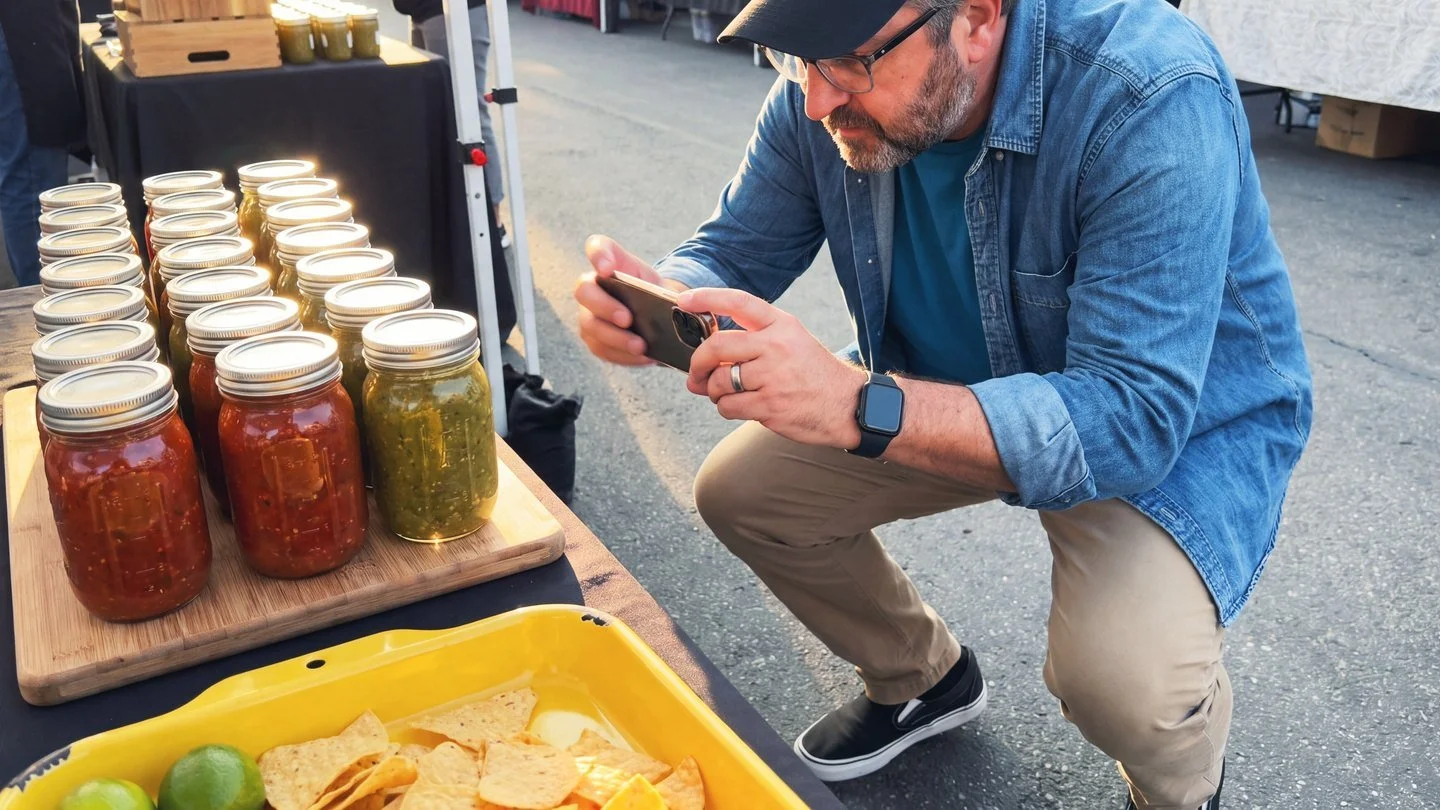

Content creation for clean-label food and beverage brands: film the texture
Content creation for clean-label food and beverage brands should sell the eating, because the shopper already read the label. An October 2025 Ingredion report says 88% of consumers would switch brands over texture. So film the pour, the snap, the stir and the settle, show what a short ingredient list does to the food, and say why.
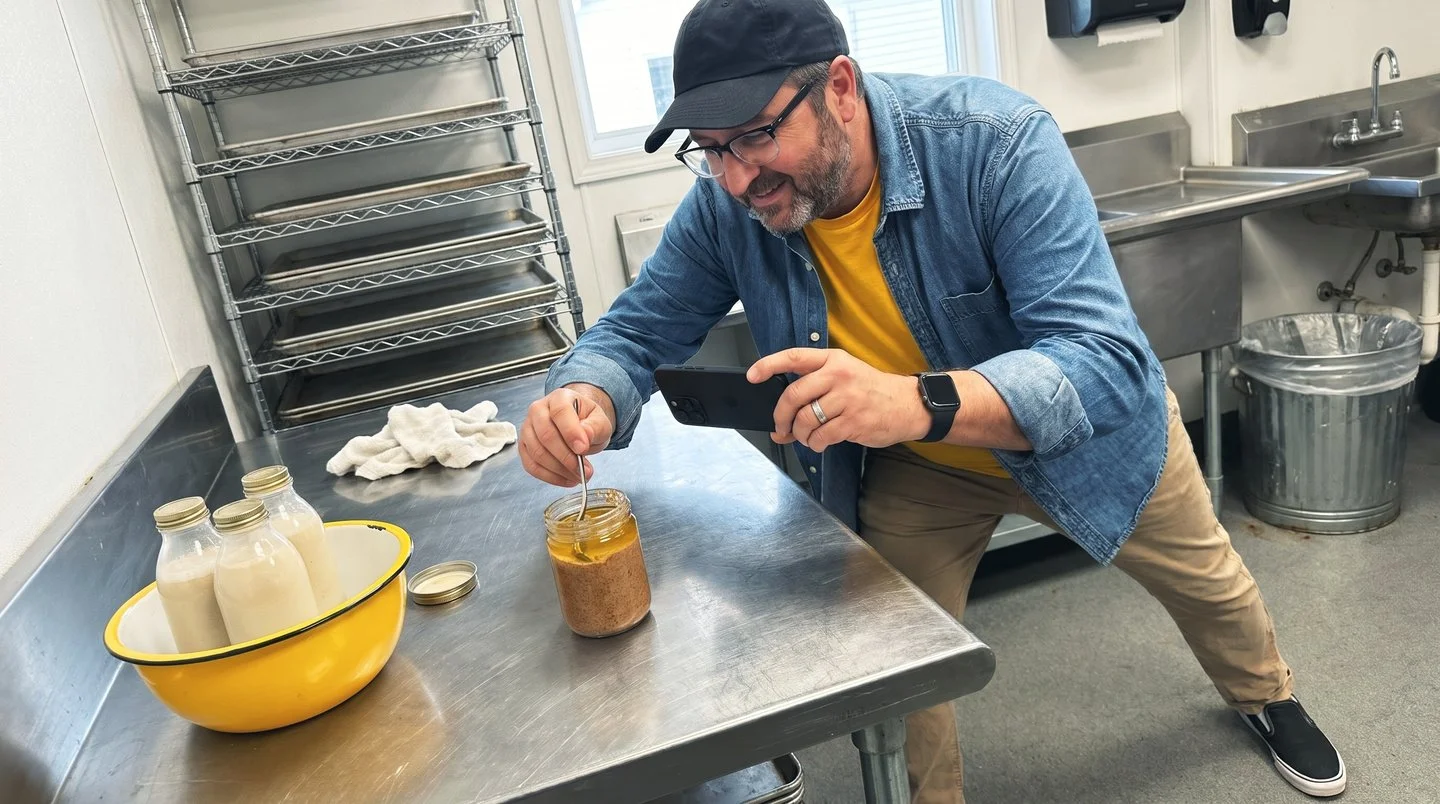
Social media marketing for natural and organic food brands: make the feed pay for the premium
Social media marketing for natural and organic food brands has one job most feeds skip, and that job is explaining the price. USDA economists measured organic premiums from 22 percent on granola to 54 percent on canned beans, and 64% of shoppers say they weigh whether organic is worth it. Every post should answer that.
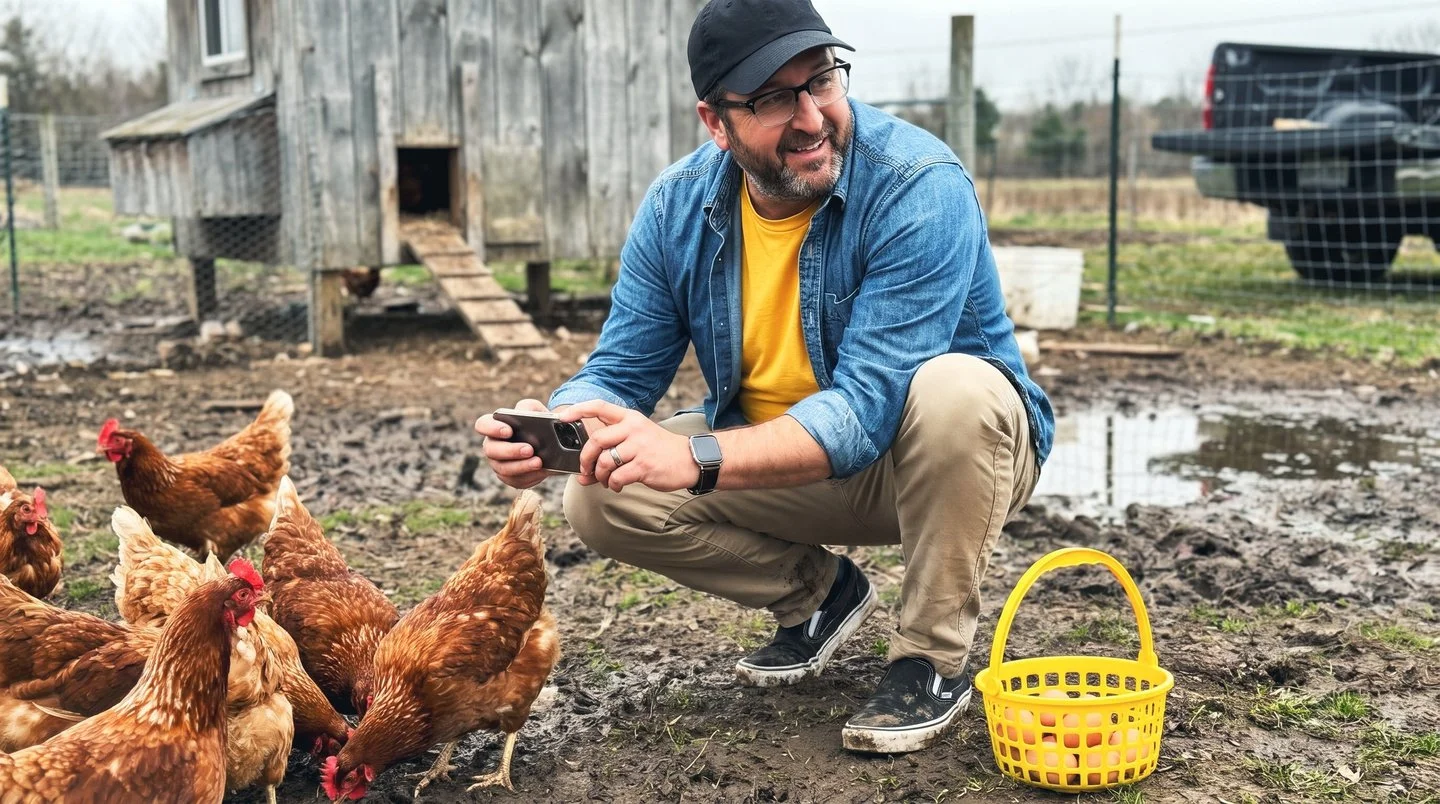
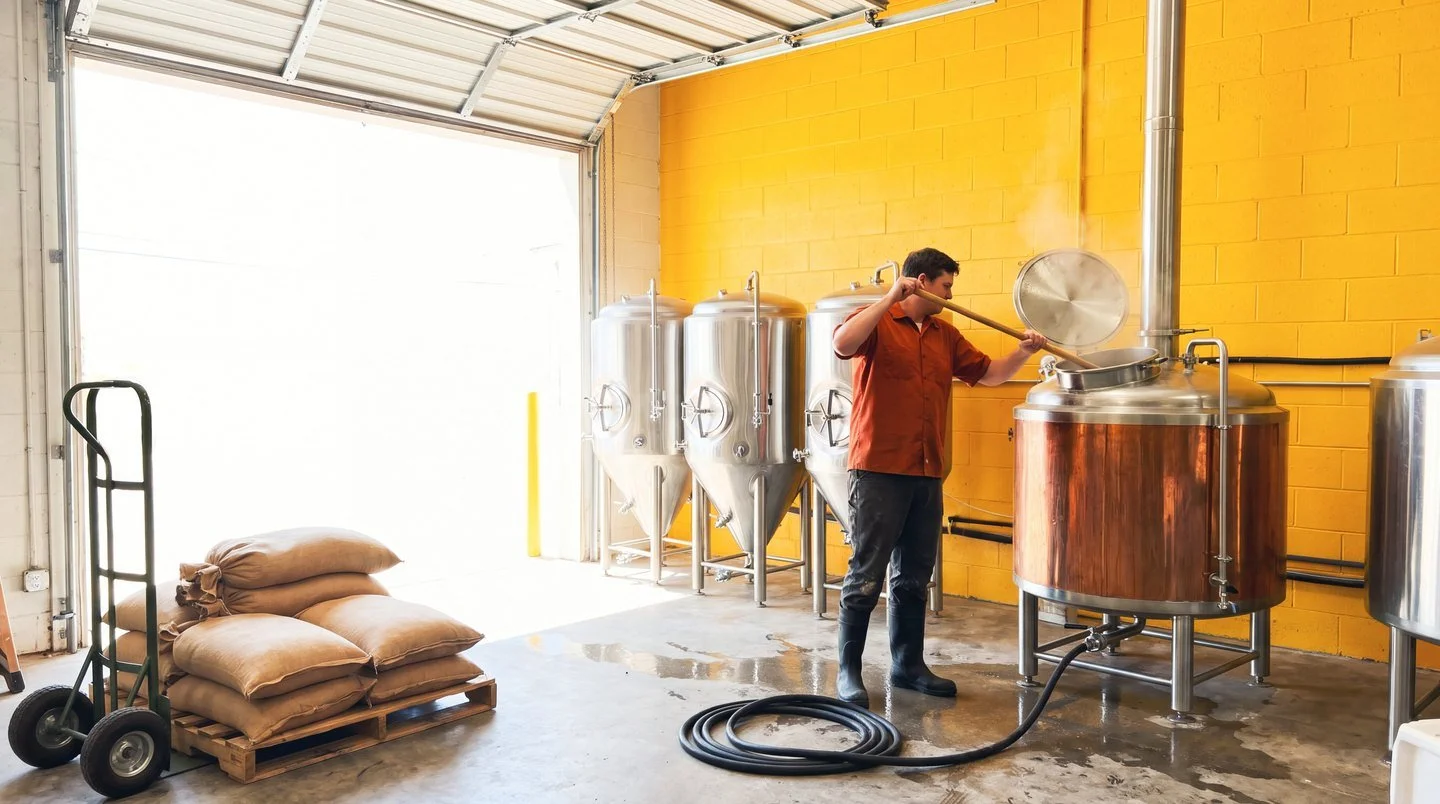

AI strategy for clean-label food and beverage brands: audit the answers before you buy the software
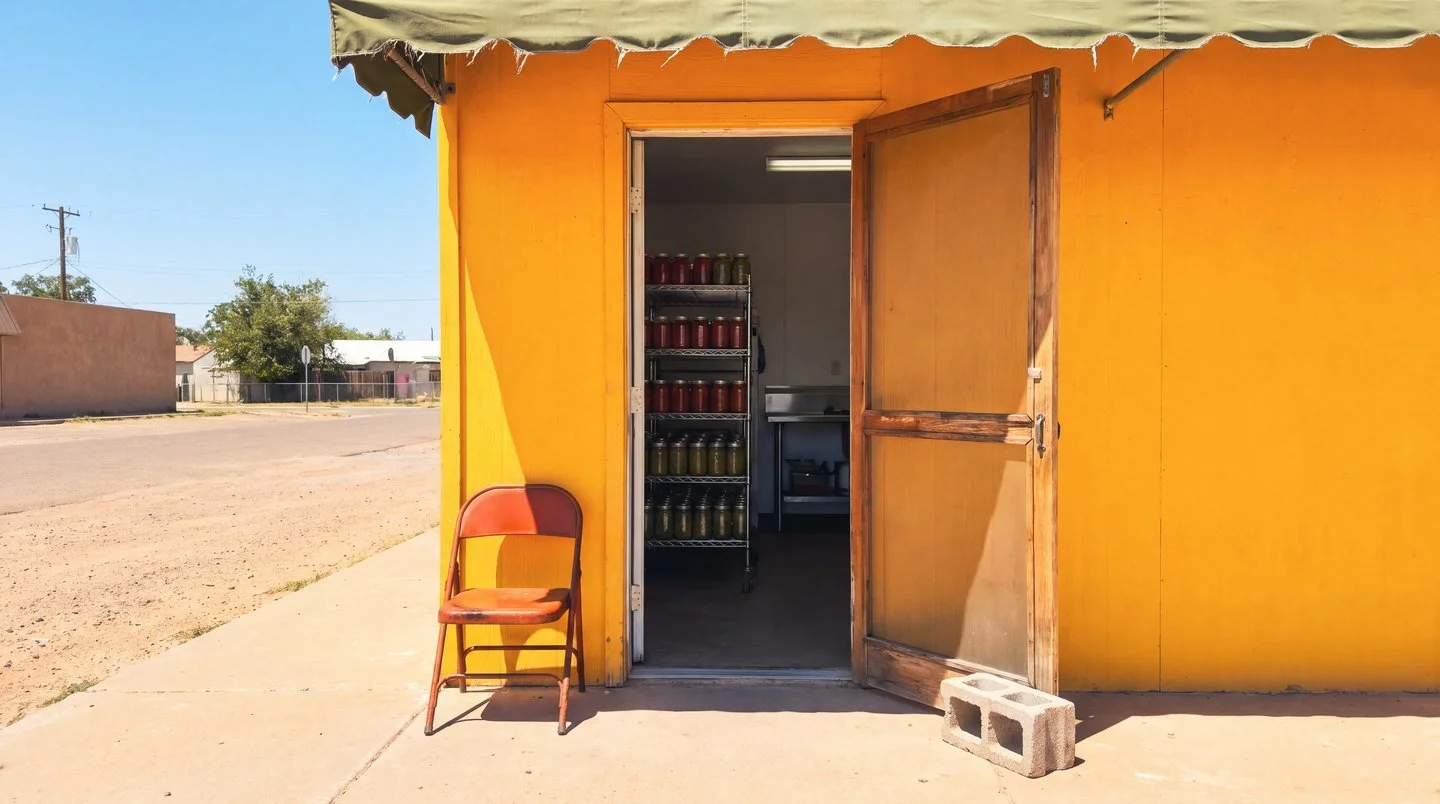
An AI strategy for clean-label food and beverage brands starts by checking what AI already tells shoppers about your label. I ran 26 test answers on November 1, 2026. Three of six ingredient lists didn't match the brand's own page word for word, and the buying picks kept changing. Fix that first.
Natural food marketing agency: judge it by what it does with your demo table
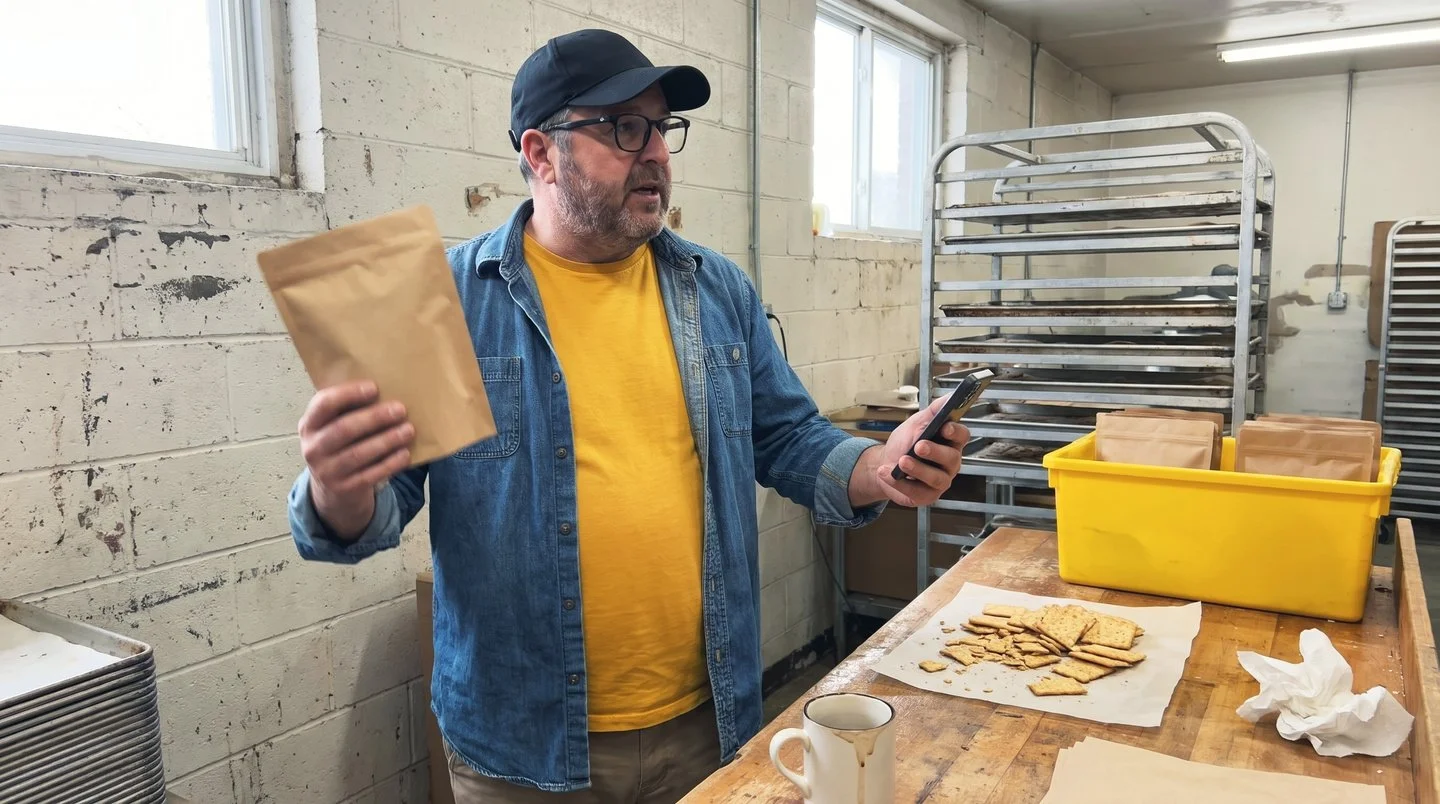
A natural food marketing agency should run your demo calendar and your feed as one plan, because the shopper tasting your product is the person your posts are chasing. Sunflower milk brand Lattini had 174 confirmed demos in 2023, on a recap form with no line for social. Hire the agency that asks for that calendar.
Social media for food brands that think their product is boring
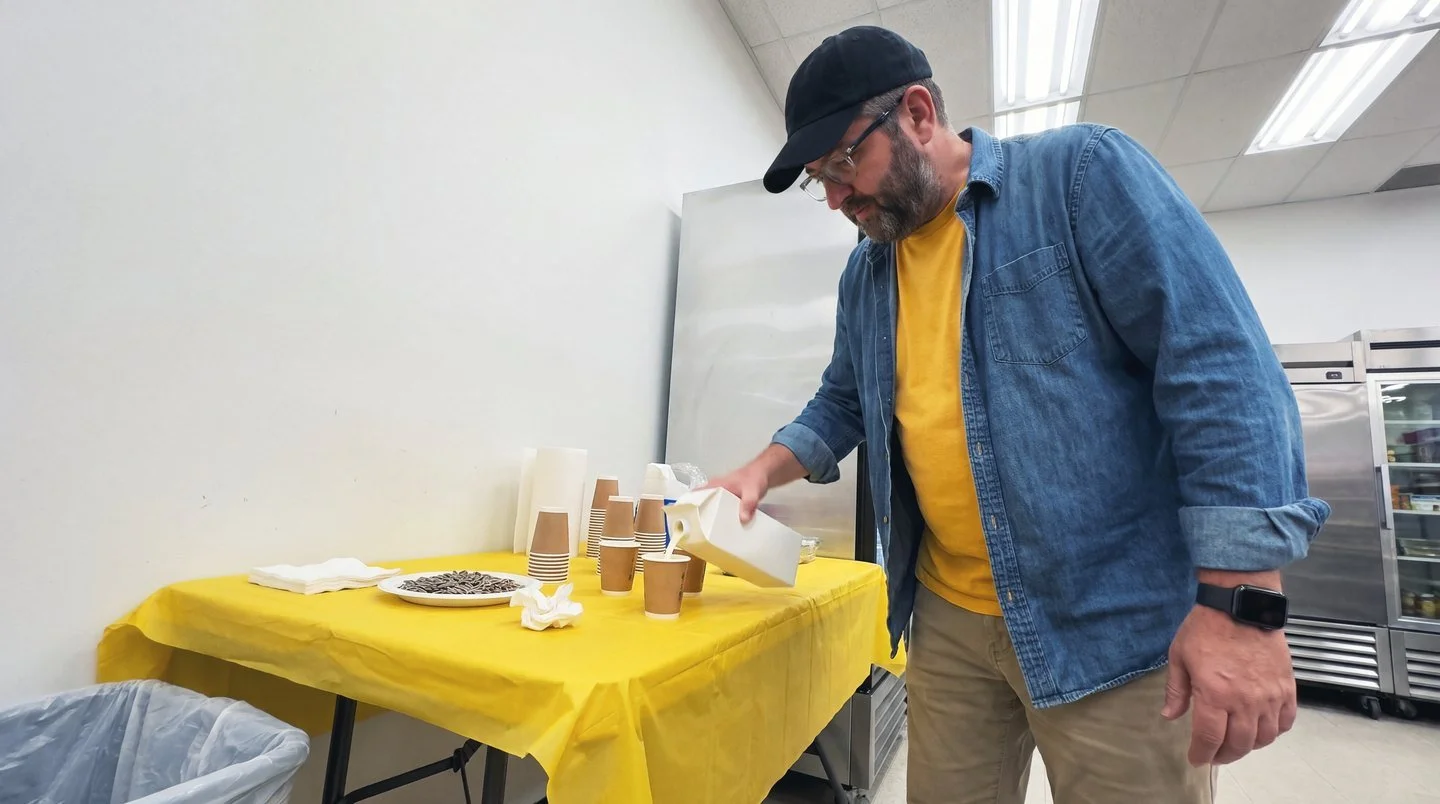
Social media for food brands goes flat when the package is the subject of every post. Shoppers already know what your bottle looks like. Post the hands, the place and the person using it instead. When I ran Topo Chico's US Instagram that way, it went from about 1,000 followers in September 2013 to 142,000.

Social media marketing for food brands: Google's top answer was written for a salsa stand
Social media marketing for food brands is the work of getting a stranger to recognize your product, trust the people who make it and pick it up on a shelf they're already walking past. Once you're in stores, every post has to do what a farmers market table does in person, without you standing behind it.

Food branding agency: ask what happens the week after the brand book ships
A food branding agency builds the identity your product sells under: the positioning, the name if you need one, the logo, the packaging system and the rules for using all of it. Hire the one that tests that identity on a phone screen and a crowded shelf before you approve a single logo file.
Food marketing agency: find out who works your account on a Tuesday
A food marketing agency plans, makes and places the marketing for a food brand: strategy, branding, content, social, PR and retail support. Before you hire one, find out who does your work every week, which service you're buying first, and what the retainer covers. The logo on the pitch deck doesn't post your content.
Content creation for better-for-you snack brands: sell the bite before the benefit
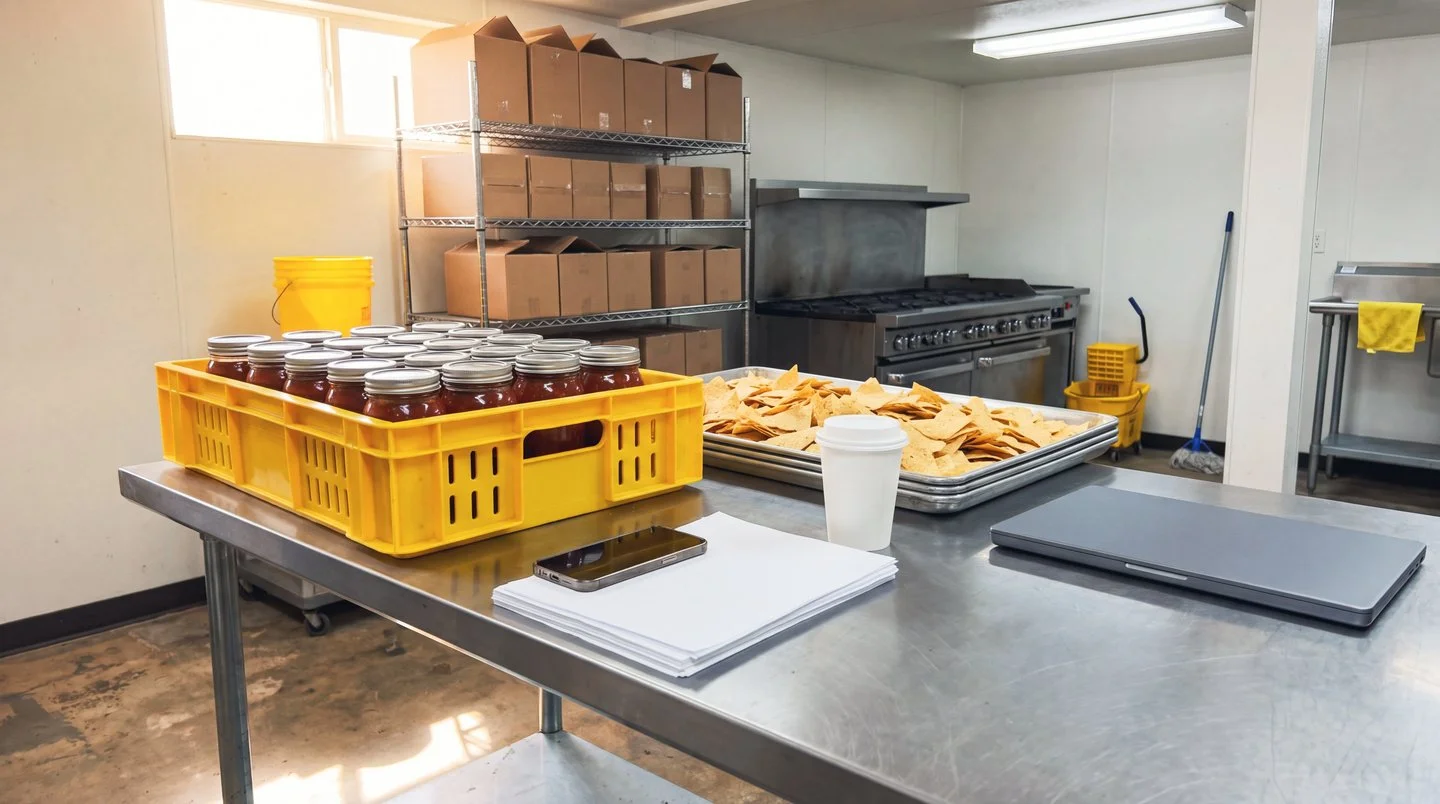
Content creation for better-for-you snack brands works when the first second of every post sells the bite. Show the crunch, the snap, the sour face, with the sound on. Put the protein, the fiber and the short ingredient list in the second beat, as the reason to buy again. Lead with the claim and shoppers file you under diet food.
Natural food marketing agency: what to hire when your shopper reads the back of the bag
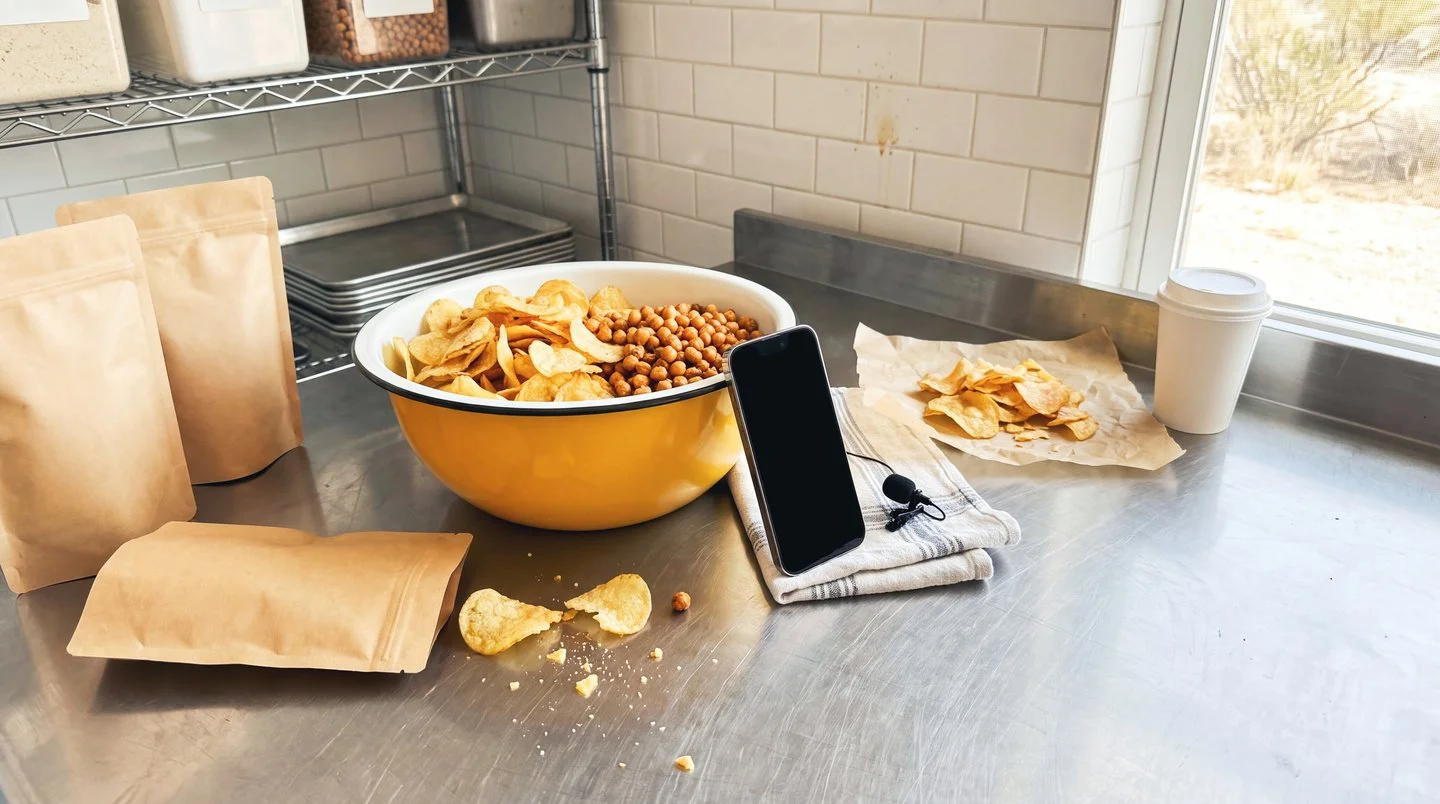
A natural food marketing agency helps brands that sell on ingredients, sourcing and certifications earn the trust of a shopper who reads the label before the logo. The good ones build the story from the ingredient panel outward and prove it in photos and founder video. The weak ones repaint a conventional playbook green.
Social media for food brands: grade your feed, not your follower count
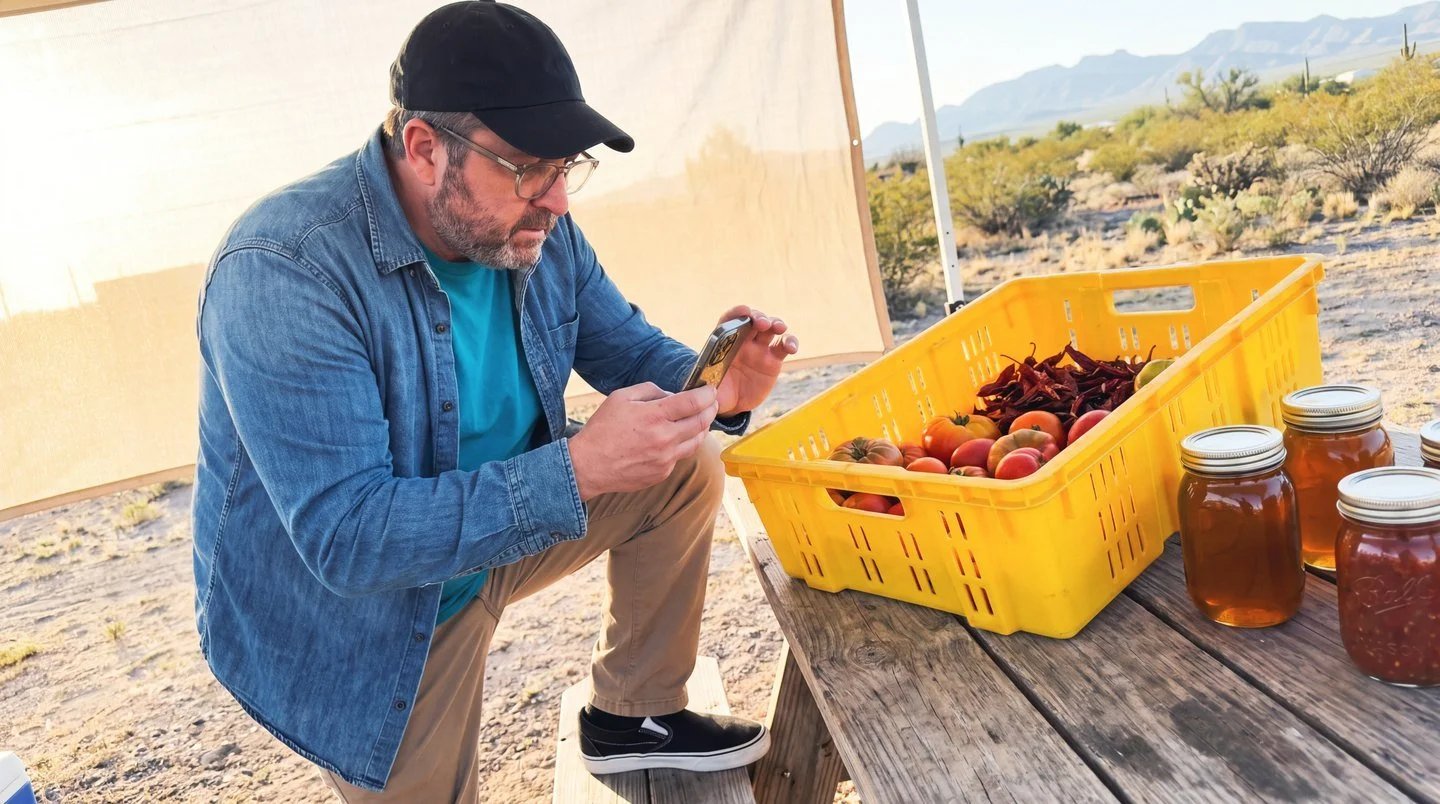
Social media for food brands works when a stranger can name your product from one post, see the person who makes it, and find it on a shelf later that week. Follower counts don’t measure any of that. The feeds worth copying put a real person, one clear product and a reason to buy in front of the shopper.