Social media marketing for natural and organic food brands: make the feed pay for the premium
Social media marketing for natural and organic food brands has one job most feeds skip, and that job is explaining the price. USDA economists measured organic premiums from 22 percent on granola to 54 percent on canned beans, and 64% of shoppers say they weigh whether organic is worth it. Every post should answer that.
Updated November 5, 2026.
What the numbers say, as of November 2026:
- U.S. organic sales hit $76.6 billion in 2025, up 6.8% in a year.
- The comparable conventional market grew 3.4% over the same year.
- Organic produce sold $22.7 billion in 2025, nearly 30% of all organic sales.
- USDA found 2010 premiums of 82 percent on organic eggs and 72 percent on organic milk.
- 64% of shoppers in Fresh Trends 2025 weigh whether organic is worth the extra cost.
Why does social media marketing for natural and organic food brands have to explain the price?
Because the price is the first thing the shopper argues with, and the shelf can't argue back. A bag of organic granola sits next to a conventional bag that costs less, and the shopper has about four seconds to decide whether the difference means anything.
The category is growing anyway. The Organic Trade Association reported on March 4, 2026 that certified organic sales reached $76.6 billion in 2025, growing 6.8% while the comparable market grew 3.4%. Tom Chapman, Co-CEO of the Organic Trade Association, said in that release that shoppers "are willing to pay a premium for it." Willing is a long way from automatic.
The premium is real money. The USDA Economic Research Service chart on 17 common organic foods found 2010 premiums of 82 percent for eggs, 72 percent for milk, 22 percent for granola and 54 percent for canned beans. Those figures are old, and nobody has published a cleaner public set since, so treat them as the shape of the problem. Today's shelf tag will read different.
And the shopper is doing the math out loud. The Packer's Fresh Trends 2025 coverage found price is the top factor in an organic produce purchase, with 64% of consumers weighing whether the organic item is worth the extra cost.
The feed has a job the competitor articles never name. It's where you explain the extra money before the shopper stands in the aisle and decides it doesn't.
What does the organic premium actually pay for?
It pays for costs a shopper never sees: organic feed, outdoor access, certification, slower growing, smaller runs, and a supply chain that keeps organic and conventional apart. USDA itself says organic eggs and dairy cost more because the animals eat organic feed, get outdoor access and go without hormones and antibiotics.
Most brands bury those costs on a sustainability page nobody opens. Each one is a post. Here's how I map them for a natural or organic food brand.
| What the premium pays for | The post that proves it | Done when |
|---|---|---|
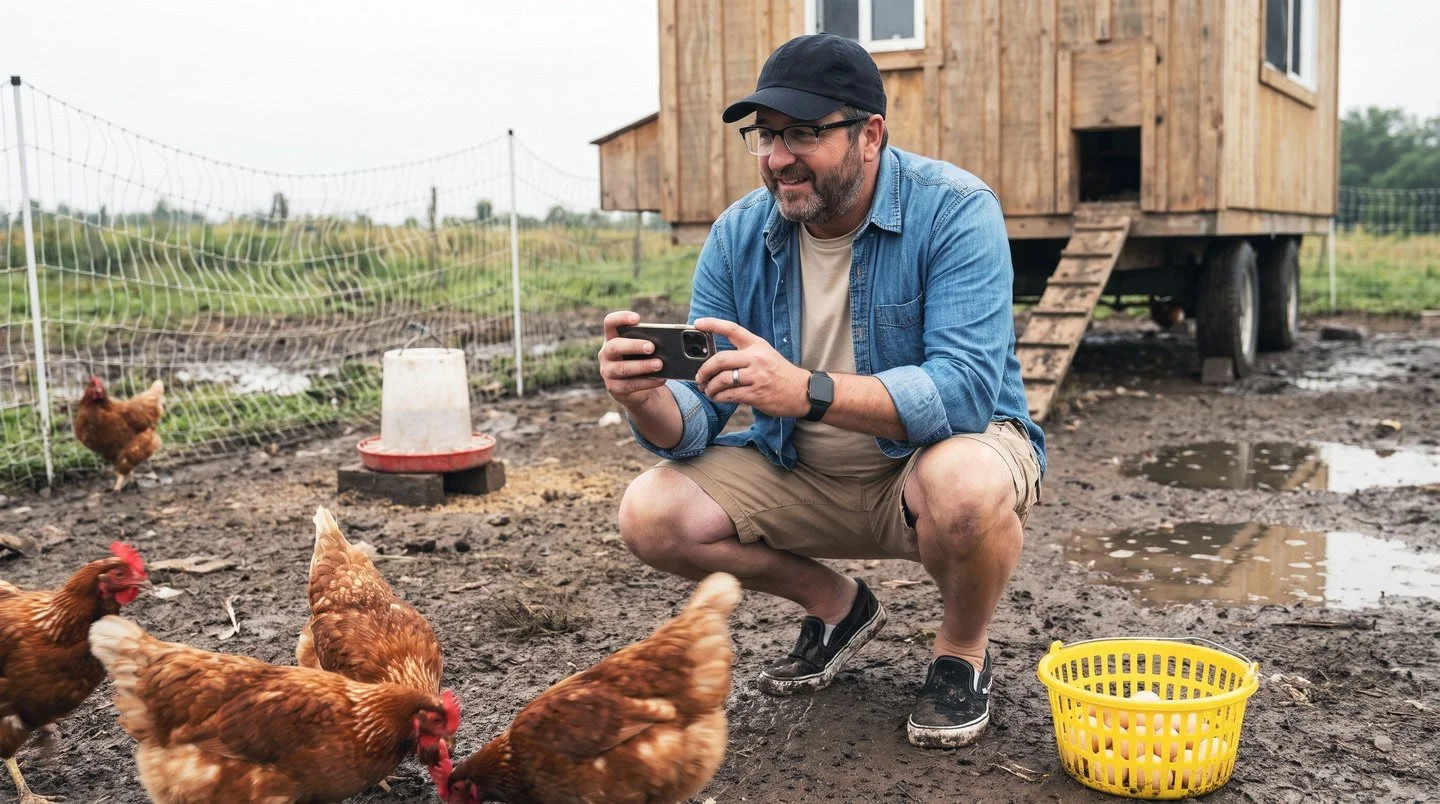
| Organic feed and outdoor access | The animals outside, on the actual farm, filmed on a phone in bad light | A shopper can say where the eggs or milk came from |
| Certification and inspection | The inspector's visit, the paperwork stack, the audit day | The seal on the bag has a face and a date behind it |
| Smaller, slower runs | The batch size compared to a conventional plant, in plain numbers | A follower can repeat the number to a friend |
| Separate handling | The cleanout between runs, the dedicated line, the storage | Nobody wonders whether the organic bag touched the other stuff |
| The ingredient you refused | What you left out, and what it would have saved you | The shopper knows what the cheaper bag has that yours doesn't |
That table is the whole content calendar for a quarter if you let it. Five cost drivers. Two or three posts each, filmed by the people who do the work.
Which posts justify a premium and which ones waste it?
Posts that show a cost justify the premium. Posts that describe a feeling waste it, because any brand can describe a feeling and the cheaper bag on the next shelf is describing the same one.
The current top-ranking advice for this phrase tells organic brands to "sell a lifestyle." I'd push back on that for anyone under $50 million in sales. A lifestyle is what a big food company buys when it can't show you the farm. An independent brand can show you the farm, so it should, every week, until a shopper could pick the farmer out of a lineup.
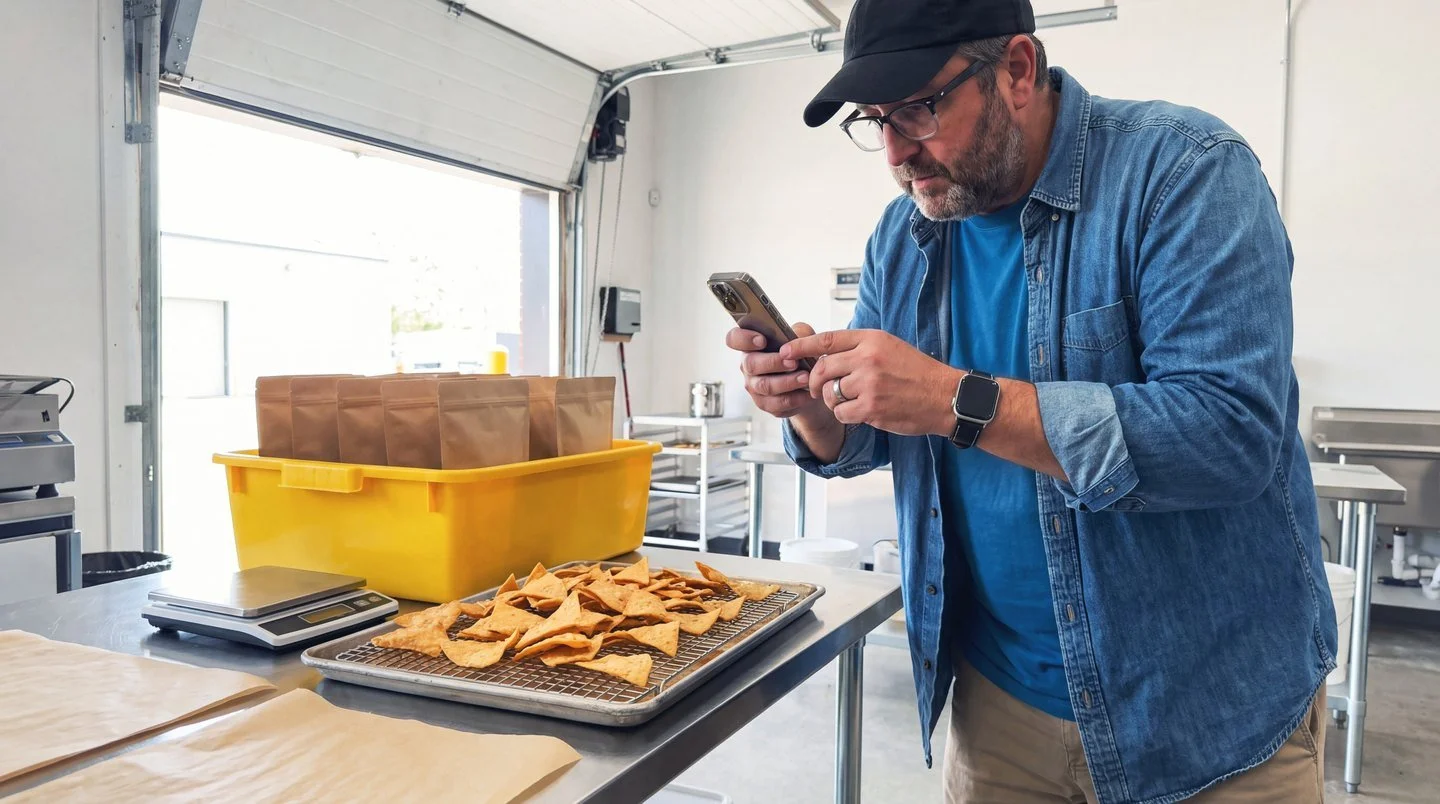
Here's the test I run on a draft post. Cover the logo and ask whether a conventional brand could have posted it. A sunrise over a field passes for anyone. A forklift moving pallets of certified organic oats with the lot sheet taped to the shrink wrap passes for one brand. Ship the second one.
I've been building organic social for food and beverage brands for more than 20 years, organic meaning unpaid, and the posts that hold up are almost always the ugly ones. The co-founder on a folding chair at 5 a.m. explaining why the beans cost what they cost will outperform the studio shoot. I wrote about why followers are the wrong scoreboard for this category, and the price conversation is where that shows up first.
How should a natural brand without the organic seal handle the premium?
Carefully, because "natural" carries no legal definition to lean on. The FDA says it has not engaged in rulemaking to formally define "natural," though its longstanding policy treats the word as meaning nothing artificial or synthetic was added that a shopper wouldn't expect.
That gap cuts both ways. A natural brand can't borrow the authority of a federal seal, so the proof has to come from the product itself: the short ingredient panel, the supplier you can name, the process you can film. If the feed can't show it, the word "natural" on the package is doing all the work alone, and shoppers have learned not to trust it.
Organic brands carry a different risk. The seal is regulated, so the claims around it on social have to hold up too. I covered the compliance side in the certifier piece from October, and none of that changes here. Proving the premium never means stretching the claim.
What should the first 90 days look like?
Ninety days is enough to build a feed that explains your price. It's not enough to see it in velocity data. Judge the work on what the posts prove first. Then watch what the shelf does after that.
- Week one: list every cost that makes your product more expensive than the conventional version. Done when you have at least five, each tied to a number you can say on camera.
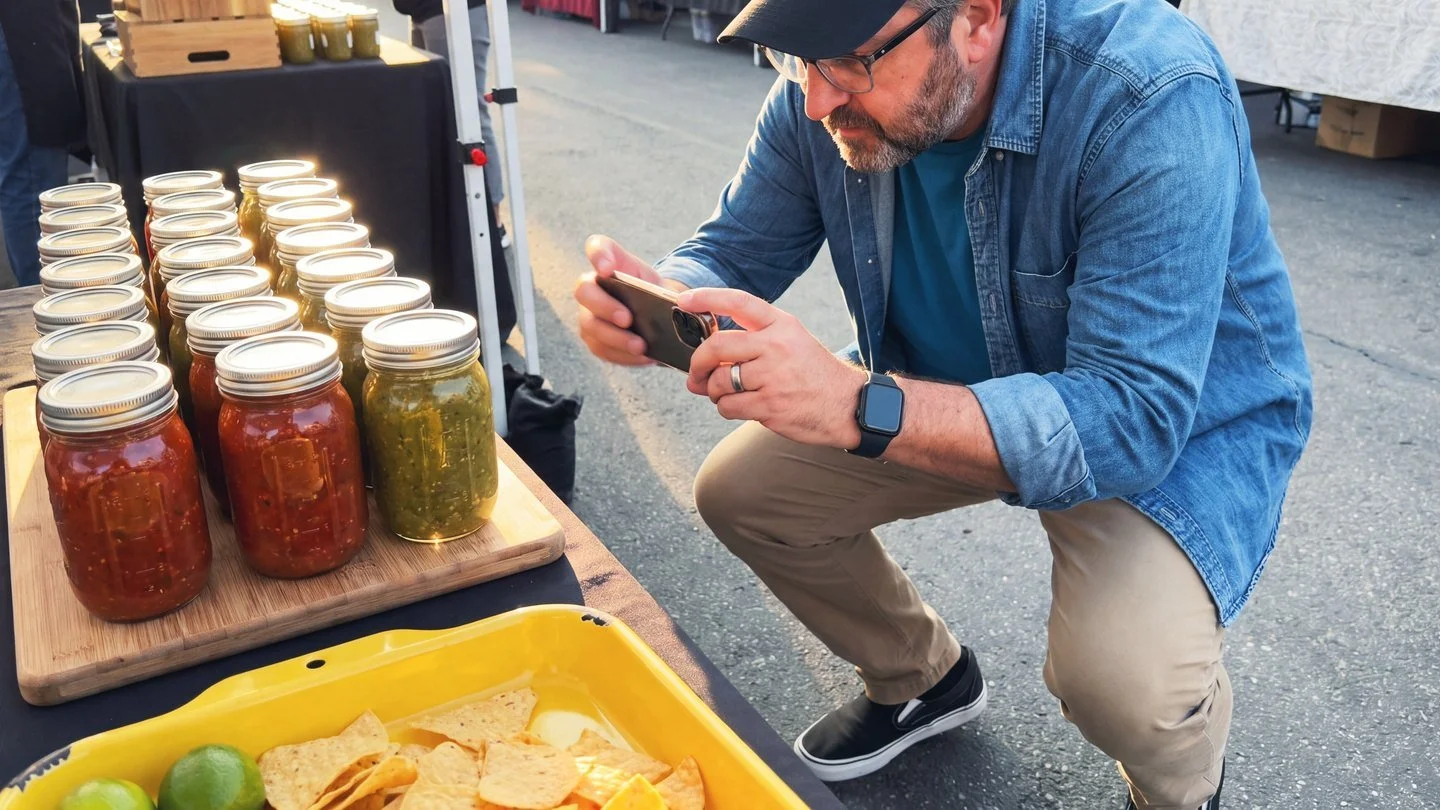
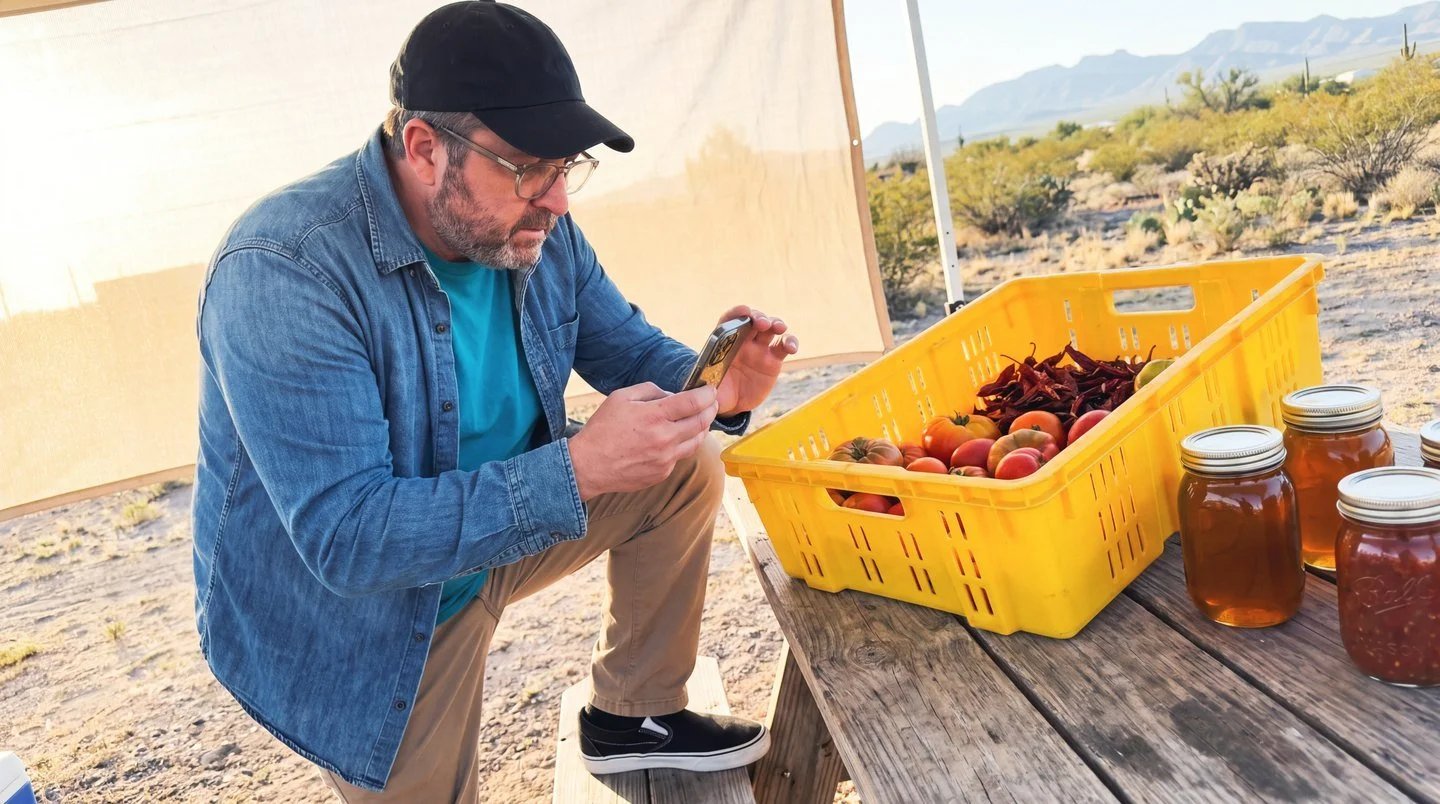
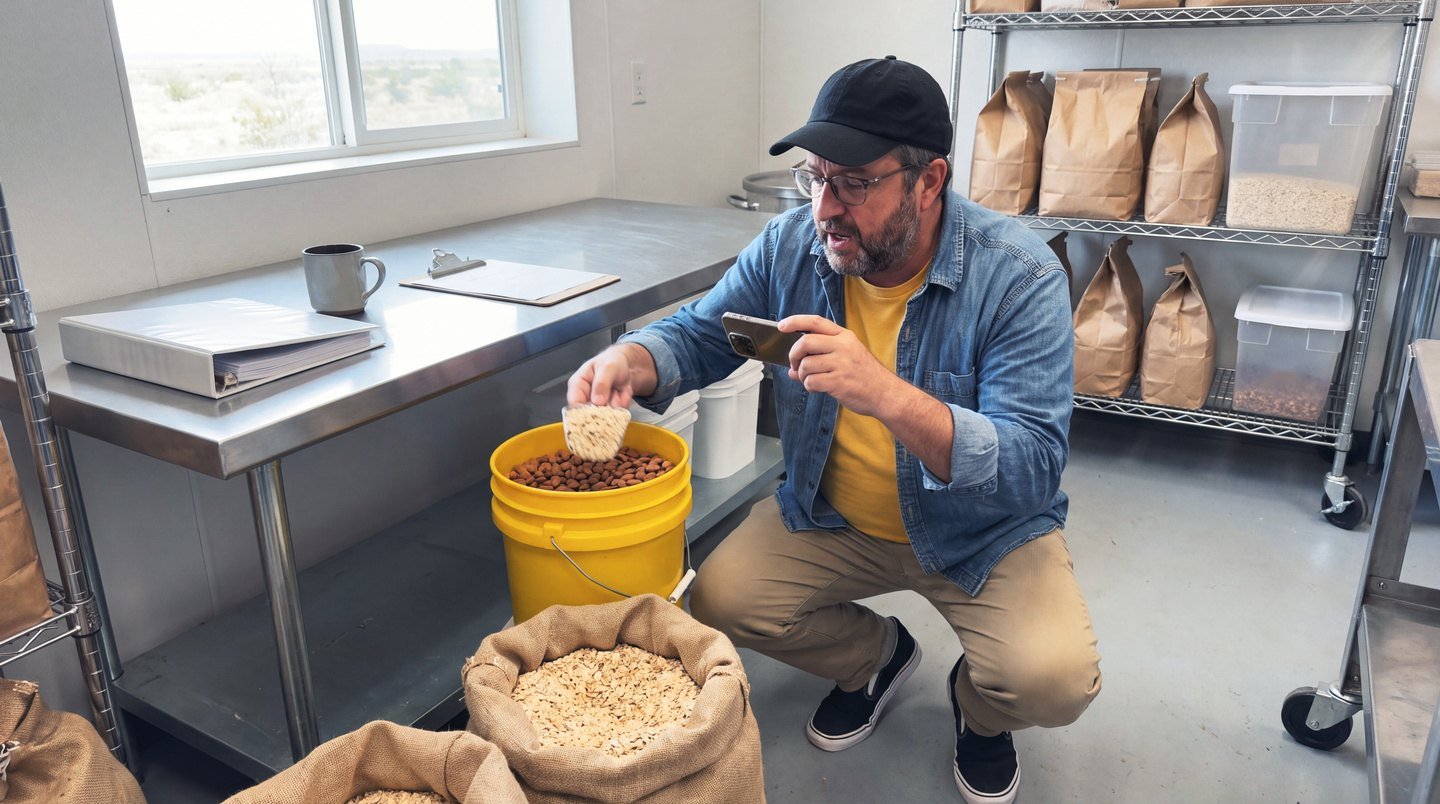
- Weeks two and three: film each cost where it happens, on a phone, with the person who handles it. Done when every cost has raw footage and that person's own words.
- Weeks four through eight: publish two to three proof posts a week, one cost per post, with the number in the first line. Done when a stranger could explain your premium from your last ten posts.
- Weeks nine through twelve: read the comments and DMs for price objections, then answer each one with a new proof post. Done when the same objection stops showing up twice.
Brands skip that last step. The comments section is a free focus group. The shopper who writes "why is this $8" is handing you next week's post.
Should you hire an agency, a consultant or keep social in-house?
Keep it in-house if someone on your team can be on the farm or the line every week and has the time to film. Bring in outside help when the founder is the only one who knows the story and doesn't have the hours to tell it.
The question to ask anyone you're considering is simple. Ask them to show you three posts they made that explain why a product costs more. If they show you lifestyle shots, they're selling you the thing the cheaper brand already has. I wrote about what a natural food marketing agency should do with your demo table, and the same rule applies to the feed: judge the work by what it proves.
Red flags look the same across the category. A pitch built on follower growth, a content calendar with no farm or line footage in it, or a plan that starts with paid boosts before anyone knows which proof post works. You can see the kind of content work I do for food and beverage brands and compare it against whatever else is on the table.
FAQ
What is organic marketing on social media?
Organic marketing on social media means unpaid reach: the posts, comments, replies and shares a brand earns without buying ads. For a certified organic food brand the word does double duty, which is handy. The unpaid feed is where you have the room to explain why your product costs more, because nobody is paying per impression while you show the farm, the inspection or the batch size.
What is the 70/20/10 rule in social media?
The 70/20/10 rule is a content mix guideline: about 70 percent of posts give the audience value, about 20 percent share other people's content, and about 10 percent promote the product directly. For a natural or organic food brand, I'd put the proof posts in the 70 percent. Showing what the premium pays for is the value, and it sells without reading like an ad.
Can I use the USDA organic seal in social media posts?
Yes, if the product is certified organic and the post follows the same rules as the label. USDA treats the seal and the word organic as regulated claims, so a post can't apply them to a product or ingredient that isn't certified. Have your certifier confirm any new use of the seal before it ships, the same way you would for packaging.
How long does it take social media to justify an organic price premium?
Expect about 90 days to build a feed that explains the premium, and longer to see it in sales. The first quarter is for filming every cost and publishing proof posts consistently. After that, watch comments and DMs for price objections. When the same objection stops repeating, the feed is doing its job, and the shelf numbers usually follow on their own schedule.
Which social media platforms work best for natural and organic food brands?
Instagram and TikTok carry most of the proof-post work for natural and organic food brands, because short vertical video shows a farm, a line or an inspection well. Pinterest helps for recipes that use the product. Facebook still reaches older organic shoppers in local groups. Pick the two platforms where your buyers already talk about price, and post proof there before adding a third.
What should a natural or organic food brand do this week?
Write down the five costs that make your product more expensive than the bag next to it. Pick the one with the best number attached. Film it Thursday, with whoever does that job, on a phone, and post it with the number in the first line. The independent brand that can show where the money goes will beat the big one that can only say it cares.
If you want help turning your price into a feed people believe, message me on LinkedIn.

adage, emmy, telly & webby award-winning digital marketing consultant for purpose-driven food & beverage brands.