Good Grains Is Going Into Target at a Lower Price. Build Your Feed for the Shopper Who Has Never Heard of You.
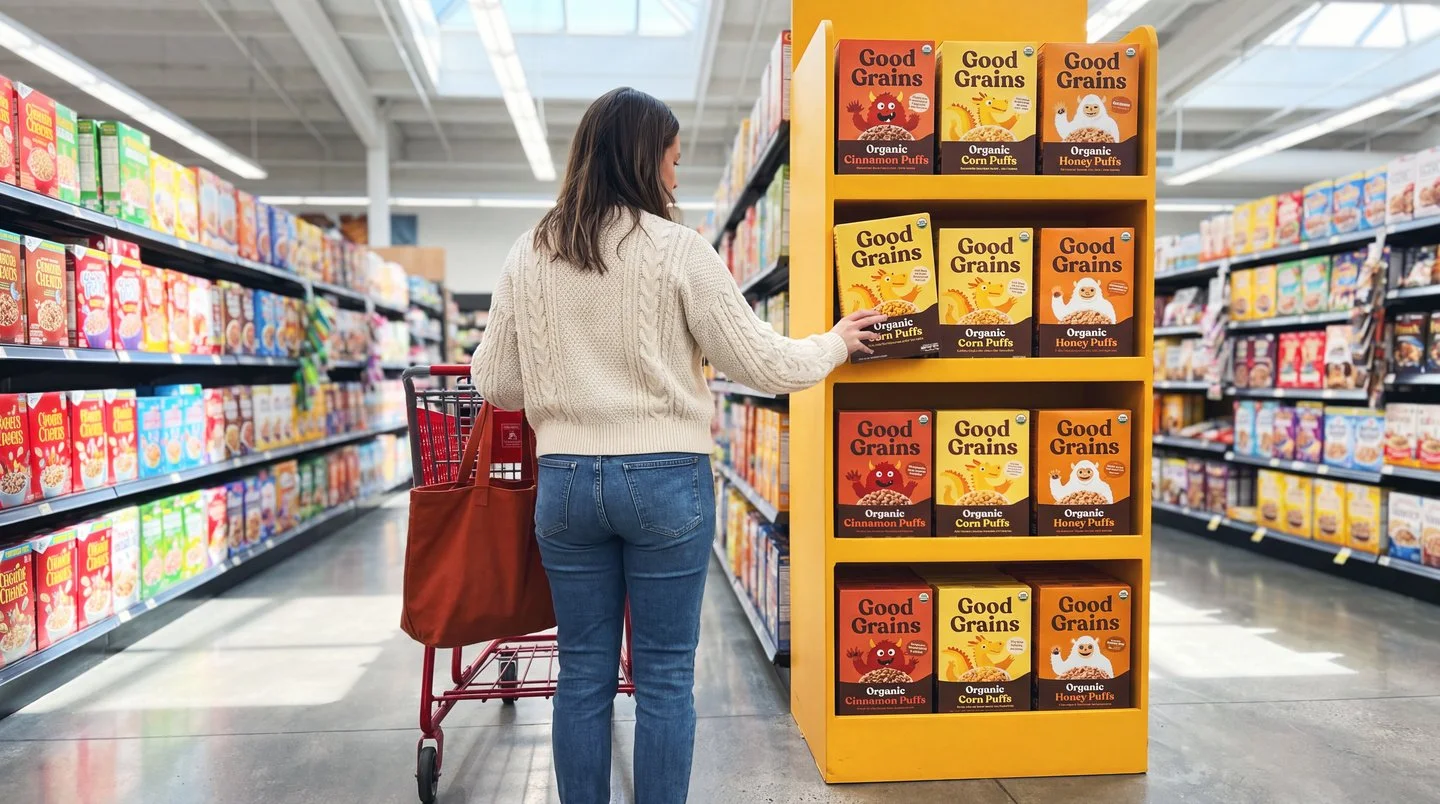
Good Grains is going from 630 stores to close to 2,000 in the first quarter of 2027, and it's cutting its box price to $5.99 to $6.99 on January 1. That's the right call. The harder job comes after the trucks unload: most of those new shoppers have never seen the brand, and the feed has to sell them.
Updated November 19, 2026
Who is Good Grains, and what did it just announce?
Good Grains is an organic puffed cereal company in Glendora, California, made from organic Khorasan wheat and organic corn, and it launched in March 2026. Food Business News reported on November 18 that starting in January it lands in 132 Whole Foods stores, 386 Target stores in 42 states, all 70 Fresh Thyme stores, all 252 Harris Teeter stores and 280 ShopRite stores. Right now it sells in about 500 Sprouts stores plus Gelson's and Erewhon.
The company says it's the first cereal to earn a Non-UPF Verified certification from WISEcode, and that its cereals were the No. 1, No. 5 and No. 6 SKUs in the category at Gelson's and Erewhon in October. Those rankings come from the company's own November 17 release, so read them as the brand's own pitch.
"This represents a robust growth arc for a brand that launched only eight months ago in March," founder and CEO Cory Olson said in that release.
Why would a clean-label brand cut its price on the way in?
Because the new shopper doesn't owe it anything. The Erewhon shopper already reads labels and already pays up. The Target shopper is standing in front of a family-size box with a cartoon on it that costs less, and that shopper has about two seconds.
The timing helps. Ricky Volpe, a professor of agribusiness at Cal Poly, told an FMI briefing that diesel and a strong El Niño are likely to push food-at-home prices up faster than average into early 2027, per Food Dive. He said it "would surprise me to see food prices go flat or trend down" over the next four or five months. A clean-label box that gets cheaper while everything around it gets more expensive has one easy sentence to say on camera.
Most clean-label brands go the other way. Slotting and trade spend eat the margin as the brand adds doors, the shelf price creeps up, and the product turns into a treat. Good Grains is buying velocity with price. I'd make the same bet.
What changes for the feed when the shelf gets bigger?
The audience flips. The followers who found you at Sprouts are already converted, and if you keep talking to them you'll get nice comments and a slow-moving SKU in Minnesota.
I've watched this happen from inside. In the fall of 2023 I took over social for a sunflower milk brand that was in Erewhon, Sprouts and Central Market and adding chains fast. On our October 9 call the founders told me Wegmans had just ordered product for 105 stores and wouldn't allow in-store demos. So no sampling table, no sample cup, no friendly person in an apron. The only way that shopper meets you before the shelf is a phone.
I came to that brand as the stranger, too. My wife brought a carton home from Sprouts, and I had no idea sunflower milk was a thing. I figured it would taste like dirt. It didn't, and I couldn't tell it from cow's milk. Every new store is full of people like me, and they don't read your About page.
Which posts did the work for a brand in that spot?
The plain ones. When I pulled that brand's top ten posts from the previous six months in January 2024, two of them were store availability announcements. A plain "we're in this store now" post beat most of what the brand had worked hardest on.
The plan I ran raised posting from the two or three a month the client had floated to 15, built on education first and selling second. By the January 5, 2024 report, Instagram impressions were up 267 percent and engagement was up 120 percent. Net followers were up 2.5 percent, and I put that number in the report with a note that it needed work. The store posts and the how-to-use posts carried the reach. Followers didn't move much, and the shelf didn't care.
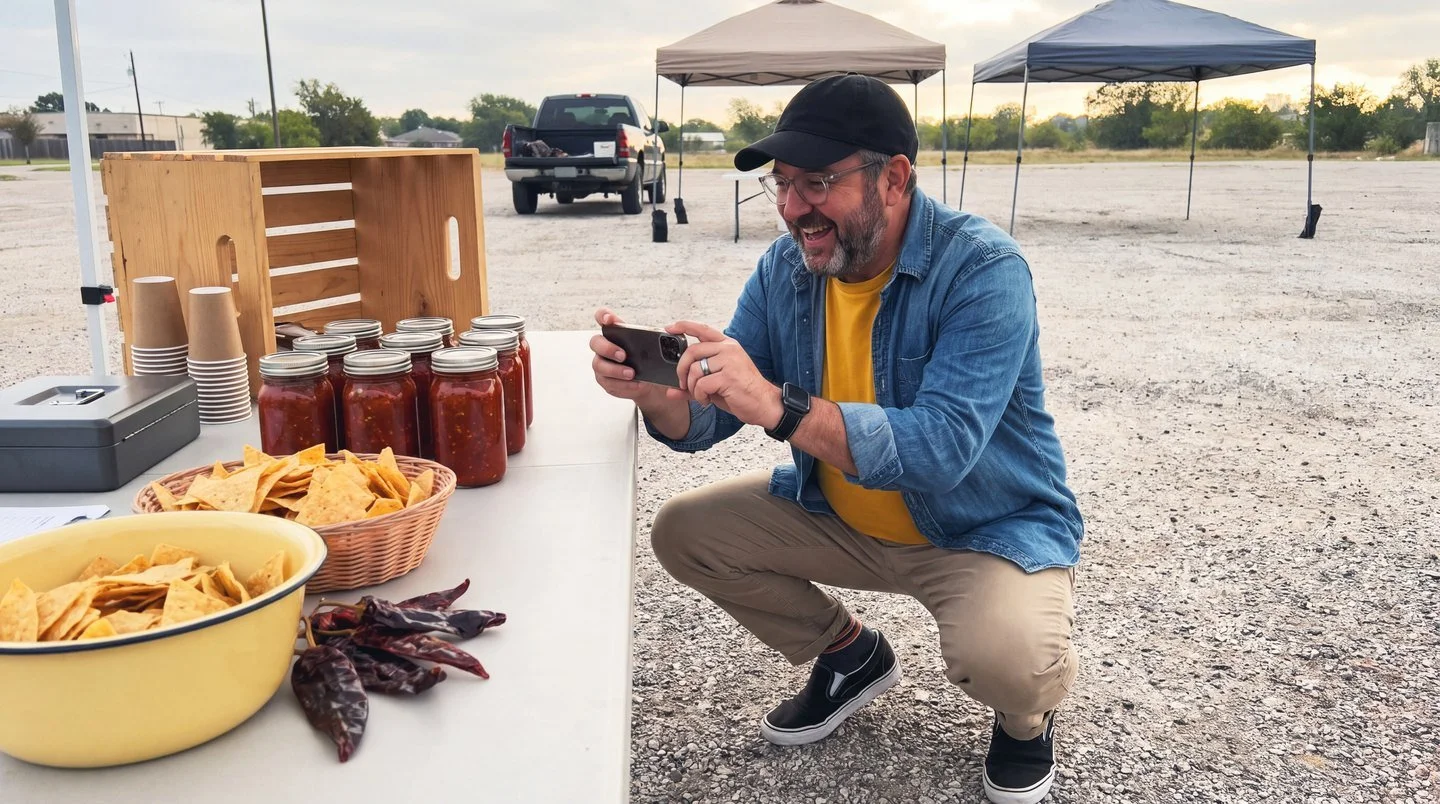
I wrote the store-by-store version when Guillermo's Salsa landed at H-E-B. The demo-table cut is in what a natural food marketing agency should do with your demo table. The lesson holds at 2,000 doors.
What should an emerging brand post in the 60 days after a big retail launch?
Most CPG social media gets written for the people who already bought. For the 60 days after a new chain goes live, write it for the shopper who hasn't. This is the order I'd run it in.
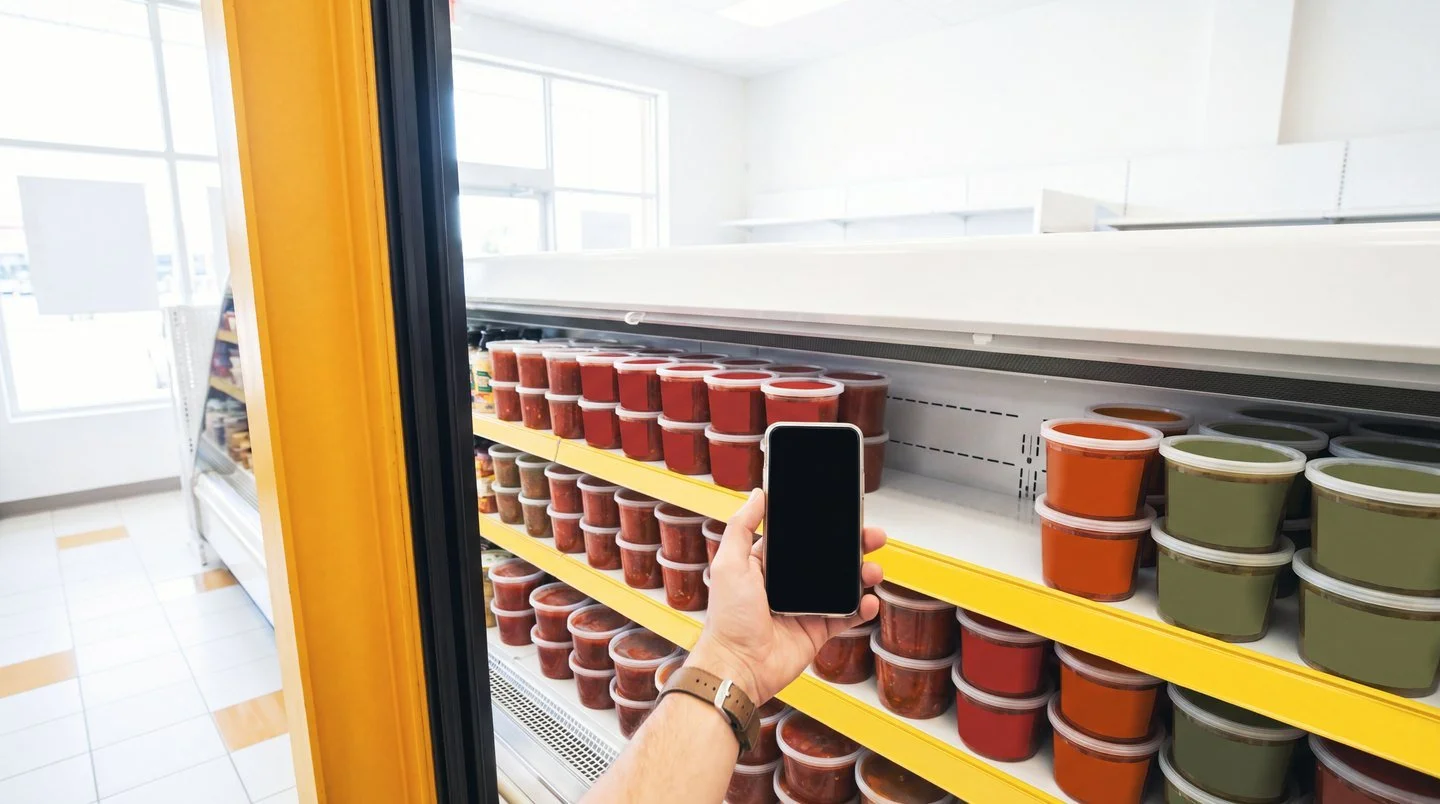
Announce every chain and every region as its own post, the week product lands, with the city names in the caption. Done when each new banner has its own post and its own pinned story highlight.
Put the price on camera. Say the shelf price out loud in the first five seconds of the launch video, next to the box. Done when a muted viewer can tell what it costs without opening the caption.
Show the back of the box. Hold the ingredient panel to the lens and read it, slowly, every ingredient. Done when the panel shows up in the first frame of at least one video a week.
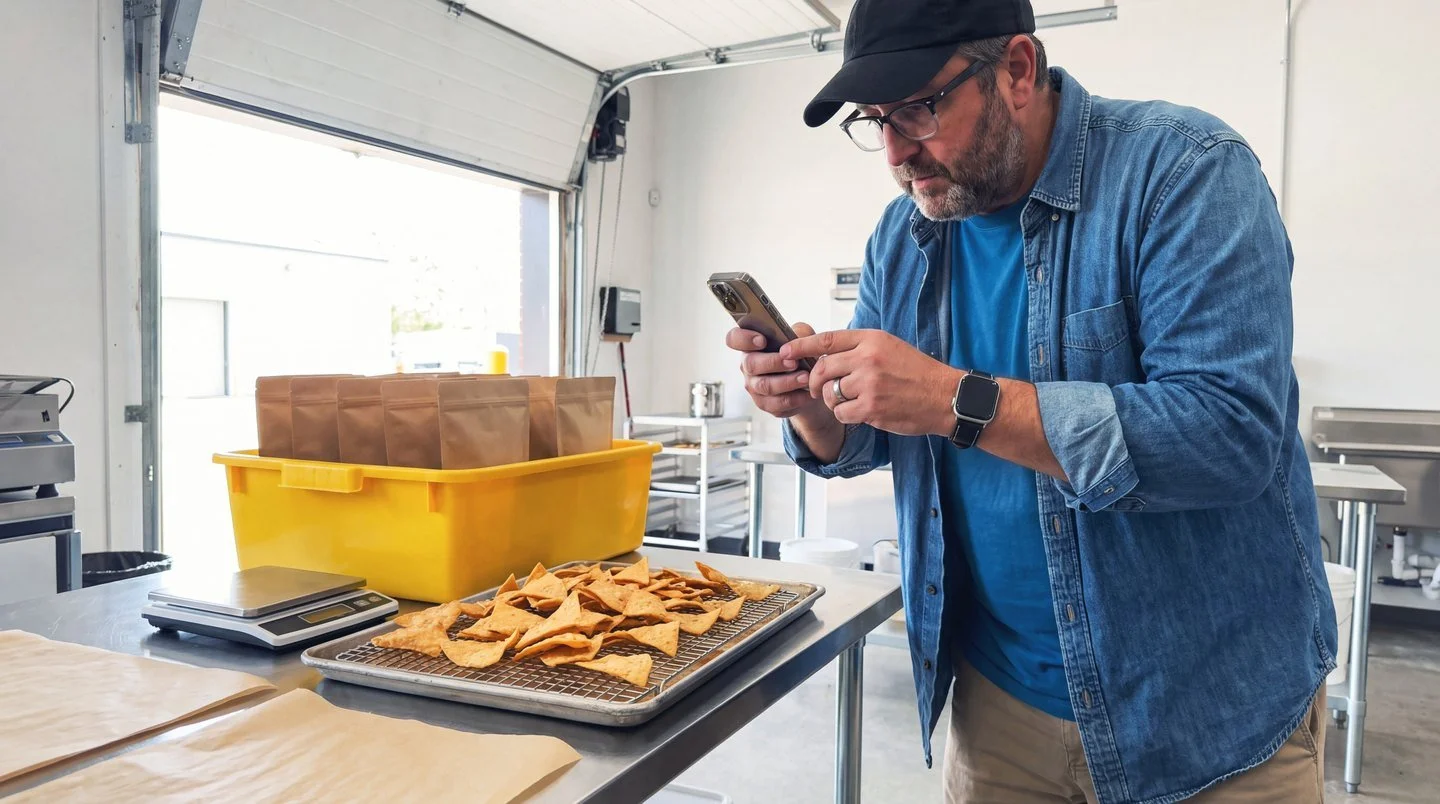
Answer "what is it and how do I use it" before you answer "why us." One how-to-use video per new region, shot on a real counter. Done when a shopper who has never heard of you can describe the product in one sentence after watching.
Where the chain bans demos, send product to five creators who live within driving distance of those stores and ask nothing in return. Done when every no-demo chain has local creators posting from local kitchens.
Report sell-through by store and by chain, not follower growth. Done when the monthly report names the three weakest stores and what the feed did for them.
Price is the step most brands skip, because a premium brand is scared of looking cheap. Good Grains just made the case that saying the number is the pitch. I made the case for making the feed pay for the premium a few weeks ago, and a lower price makes that job easier.
What if your brand is still a long way from 2,000 doors?
Run the same plan at your size. A brand going from 40 independent grocers to a 105-store regional chain has the same problem Good Grains has, with fewer trucks. If you'd rather hand the launch calendar to a food and beverage marketing agency, ask to see the store-announcement posts and the price-on-camera video in the first two weeks, before anyone talks about a content pillar.
Pick your next retailer go-live. Count back thirty days from that date. That's the hard stop for the store post, the price video, and the back-of-box video. All three shot and approved before the first case hits the shelf.
I build that 60-day launch calendar for a few food brands a quarter. If your next chain goes live soon, DM @gallucciNET.

adage, emmy, telly & webby award-winning digital marketing consultant for purpose-driven food & beverage brands.