Natural food marketing agency: judge it by what it does with your demo table
A natural food marketing agency should run your demo calendar and your feed as one plan, because the shopper tasting your product is the person your posts are chasing. Sunflower milk brand Lattini had 174 confirmed demos in 2023, on a recap form with no line for social. Hire the agency that asks for that calendar.
Updated October 30, 2026.
What to take from this
- Ask every natural food marketing agency what it would do with your demo calendar. That one answer beats its case studies.
- Lattini had 174 confirmed store demos in seven states in 2023. I searched every recap row for Instagram, Facebook, TikTok and QR, and found none.
- A study commissioned by sampling company PromoWorks, published in 2009, measured trial up 58% over 20 weeks and same-day sales up 475%. Read it knowing who paid for it.
- In 2026 published guides, agency projects start at $15,000 and a staffed demo runs $250 to $600 per store per day.
Why should a natural food marketing agency care about your demo table?
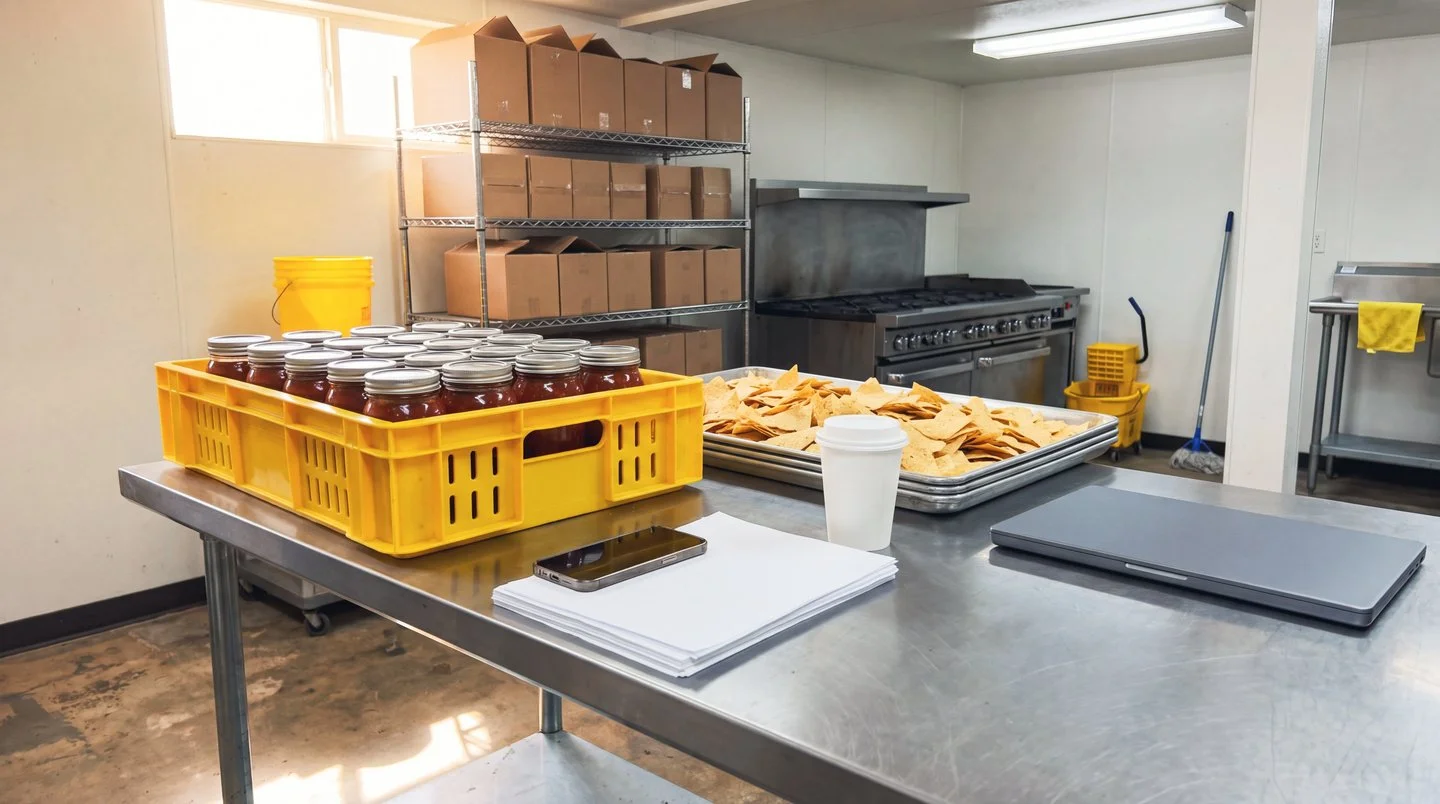
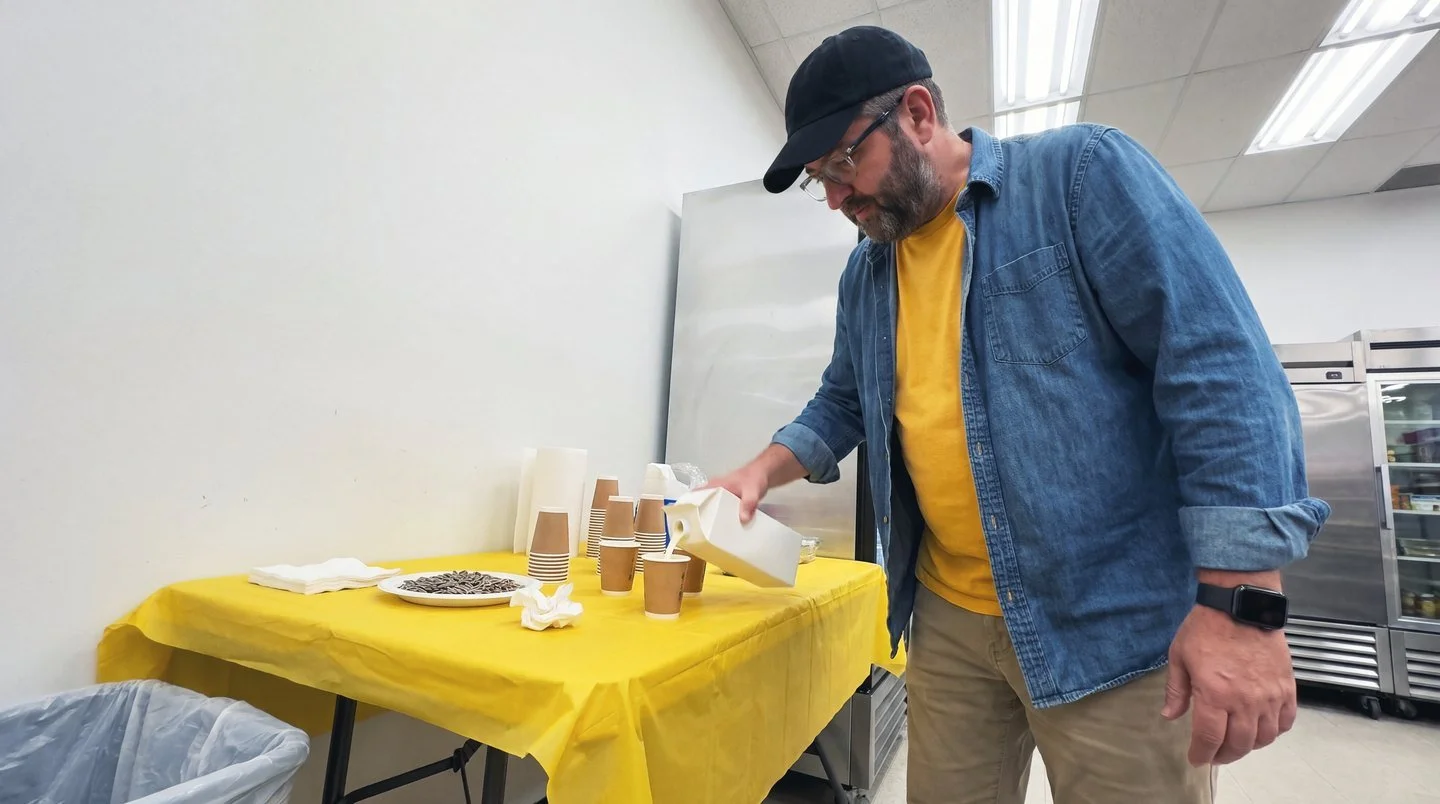
That folding table is where your brand meets a stranger who just tasted the product. Most agencies never ask where it sits. They want logo files, the brand book, and your Instagram login. The demo schedule usually stays with sales, in a spreadsheet marketing never opens.
Natural food has a harder trial problem than conventional food. Nobody needs a sample of a cola to know what it tastes like. A carton of sunflower seed milk asks a shopper to spend money on a guess, and that's where shoppers stand confused in the aisle and walk off with what they already know.
The best-known number on this comes from a report called R.I.S.E., commissioned by the sampling company PromoWorks and published in RetailTouchPoints in October 2009. It measured an average 475% sales lift on the day of the event, a 58% lift in trial over 20 weeks, and an 11% lift in first repeat purchase over the same stretch. A company that sells sampling paid for that study, and it's 17 years old, so treat it as a direction and not a forecast. I'd still take its 20-week view over the same-day number everybody quotes.
Founders have understood this for a long time. I wrote about why Kraft Heinz licensed Mike's Hot Honey after sixteen years of a founder doing the same demo in public. What a natural food marketing agency adds is the part after the sample cup hits the trash can.
What did 174 store demos teach me about natural food marketing?
Lattini's demos and social ran on separate tracks. I didn't see how far apart they were until I read the paperwork. Lattini is a sunflower seed milk sold in Sprouts, Erewhon, and Central Market. I started on its social in September 2023.
The kickoff was September 11, two days before the Erewhon grand opening in Pasadena. The plan on the page was 10 California stores on shelf, 225 gift bags at the party, and a guaranteed minimum of two influencers tagging the brand on Instagram Stories. The team had tried TikTok and told me they got "zero engagement" from it. They'd floated two or three posts a month. I came back with 15.
Then I read the 2023 demo file. It lists 174 confirmed demos between March and December, in seven states, most of them in Sprouts stores and some in Central Market. Whoever ran those tables filled out a good form: consumers sampled, coupons handed out, where the table sat in the store, what shoppers said, starting inventory, ending inventory, packages sold and packages sampled. It has 34 columns.
None of them asks about social. I searched every row for Instagram, Facebook, TikTok and QR, and the count came back zero. Nobody did anything wrong there. A demo form is built to count cartons, and it counted them. Those shoppers tasted the product, told a stranger what they thought, and went back to the produce section without the brand ever learning who they were.
On January 5, 2024, I gave the client my numbers: Instagram impressions up 267%, engagement up 120%, net followers up 2.5%. My note on that last one said "need to actively improve this number," and I'd write it the same way today. My agenda doesn't state the comparison window for those figures, so I won't give you one.
The top 10 posts from the previous six months told me more. Two were store availability announcements, one was a meme, two were educational, two were testimonials, one was a PR announcement and one was informational. Announcing that a carton had reached a store could make the top 10. Recaps of local events and conferences never did, and we had a calendar full of them.
So that same day I proposed QR codes at the demo tables for giveaway entries, a monthly variety pack for a shopper who posted and tagged the brand, Stories to push it, and 10-second founder clips every week. I also asked whether the store contracts allowed giveaways at all, which is the first question and the one a lot of agencies skip. My file stops before a QR result, so I don't have a number to hand you on that part.
Why does the demo table count for more at Sprouts, Erewhon and Central Market?
These chains sell the product to the shopper who wants a reason, and each one needs different support. Sprouts is a Phoenix-based natural and specialty grocer, Erewhon is an upscale organic grocer in Southern California, and Central Market is H-E-B's upscale chain in Texas. A retail launch plan that treats them as one account wastes the demo budget.
| Chain | Size | What the content has to do |
|---|---|---|
| Sprouts | 504 stores in 25 states as of September 27, 2026 | Name the region and the store, because a demo in Denver does nothing for a shopper in Austin |
| Erewhon | 15 locations as of its Thousand Oaks opening in 2026 | Seed Los Angeles creators around the store, since that's where the shoppers post from |
| Central Market | 10 stores in Texas as of 2026 | Show how to use it, because this shopper came to cook |
Sprouts gave brands a reason to pay attention this week. In its third-quarter 2026 results, comparable store sales fell 0.9% while the chain opened a record 15 stores. Jack Sinclair, Sprouts' chief executive, said "we recognize the need to improve our performance and are taking action to strengthen execution and drive traffic." My read is that a small brand able to show it sent people through the door in a specific store has a better story for its buyer than one with a bigger follower count.
How do you connect a demo calendar to your social content?
Stick both calendars in one document. Give each demo a job before it runs and a job after. This is the order I'd use, and every step has a check anyone can run.
- Merge the demo calendar and the content calendar. Done when every confirmed demo has a post scheduled before it and another after it.
- Get the store rules in writing, chain by chain. Done when you have a yes or no on giveaways, filming and signage for each retailer.
- Give the table one QR code with one job, like a giveaway entry or a recipe. Done when the code is unique to that store and date.
- Add three lines to the recap form: scans, shoppers who agreed to be on camera, and the question asked most. Done when your demo rep fills them out without a reminder.
- Turn the most-asked question into next week's post, using what USDA and FDA let you say as the limit on the claim. Done when one post per demo weekend comes from a shopper's own words.
- Compare demo stores with stores that had no demo, and bring it to the buyer. Done when you can show units per store per week for both groups over the following month.
Step 4 is the cheap one, and it's the one I'd fight for. Your rep already stands there for four hours writing down what people say. A shopper asking "what does it taste like in coffee?" just wrote your next post for free.
What does a natural food marketing agency cost compared with the demos?
Published 2026 ranges put a natural food marketing agency project at $15,000 and up. A staffed demo runs a few hundred dollars a day. Neither number means much until you set them next to each other.
| Line item | Published range | Source |
|---|---|---|
| Agency project work | $15,000 to $150,000 or more | Cool Nerds Marketing 2026 guide |
| Full-service retainer, emerging brand | $8,000 to $75,000 or more a month | Cool Nerds Marketing 2026 guide |
| Staffed demo through an agency | $250 to $600 per store per day, plus $50 to $200 in product | Street Teams Co |
| Multi-store weekend, 50 to 100 locations | $15,000 to $40,000 | Street Teams Co |
By my math, the bottom of that project range buys 25 to 60 staffed demo days before product. Both of those sources sell the thing they're pricing, so get your own quotes. The Cool Nerds guide also calls a full-service retainer overkill for a brand under $1 million in annual revenue, and I agree with it.
If you're spending on demos now, the first thing to buy is the connection between what you've already paid for and your feed. That's the natural food brand social and content work I do, and it doesn't take a big team to set up.
What should you ask before you hire a natural food marketing agency?
Ask what it would do with your demo calendar, then watch whether anyone in the room has seen one. The number one Google result for this phrase today, TOP Agency (a multi-sector marketing firm), says it has helped natural brands "get traction in specialty stores and then move beyond them for mainstream appeal." That's a fair goal. I want to hear how, store by store.
I covered definitions, the first 90 days and specialist versus generalist in my September piece on hiring a natural food marketing agency. These questions go after the store work.
- What would you do with our demo calendar in the first two weeks?
- Who talks to the demo rep, and how often?
- Have you ever changed a post because of something a shopper said at a table? Show me.
- How would you report one store against another for our buyer?
- What will you tell us to stop doing?
Watch for reporting built on follower counts. My own Lattini report shows net followers up 2.5% next to impressions up 267%, and followers were never the point for a natural brand. Watch too for a pitch full of the word clean with no store named in it.
FAQ
Do in-store demos increase sales?
Usually, on the day. The R.I.S.E. report commissioned by sampling company PromoWorks, published in 2009, measured an average 475% lift on event day and a 74% cumulative lift over 20 weeks. A company selling sampling paid for that research, so test it yourself. Compare demo stores with non-demo stores for a month afterward, and judge the program on the repeat buying that follows.
How much does an in-store food demo cost?
Street Teams Co, a demo staffing company, publishes $250 to $600 per store per day for a trained specialist working four to six hours, plus $50 to $200 in product per store. A weekend across 50 to 100 locations runs $15,000 to $40,000 on its numbers. Prices move by market and retailer, so get quotes for your own stores before you build the plan.
How do you sell your products to Sprouts?
Sprouts takes new items through a submission process on its corporate site. It asks for an ingredient statement, a nutrition facts panel and an allergen statement, and it wants retail-ready samples sent to its new items team. Sprouts also says it brings a large group to Natural Products Expo West in Anaheim each March, which makes that show a good place to meet.
How do you promote organic products?
Start with proof a shopper can check. Show the certification, the source of the ingredients and the person who made the decisions, then get the product in people's mouths through demos and sampling. Use social to tell shoppers which store has a demo this weekend and what the last group of shoppers said. Organic shoppers tend to read the label, so every post has to match it.
What is the best natural food marketing agency?
The best one for you is the one that can show you store-level work for a brand your size. Lists of top agencies rank by team size or reviews, and neither tells you who will read your demo recaps. Ask for three months of a natural brand's feed, the person who made it, and one example of a post that came from a store.
What should you do before your next demo?
Open the demo calendar and pick the next confirmed date. Write one post for the week before it that names the store, and one for the week after that uses a shopper's own question. Add scans, on-camera consent and the most-asked question to your recap form, then ask your rep to fill it out. Do that for one store and you'll know more than the agency pitching you, because big food can't stand at that table and explain why you left the gums out.
This is the first thing I'd fix in a 90-day sprint. DM me if your demo calendar and your feed have never met.

adage, emmy, telly & webby award-winning digital marketing consultant for purpose-driven food & beverage brands.