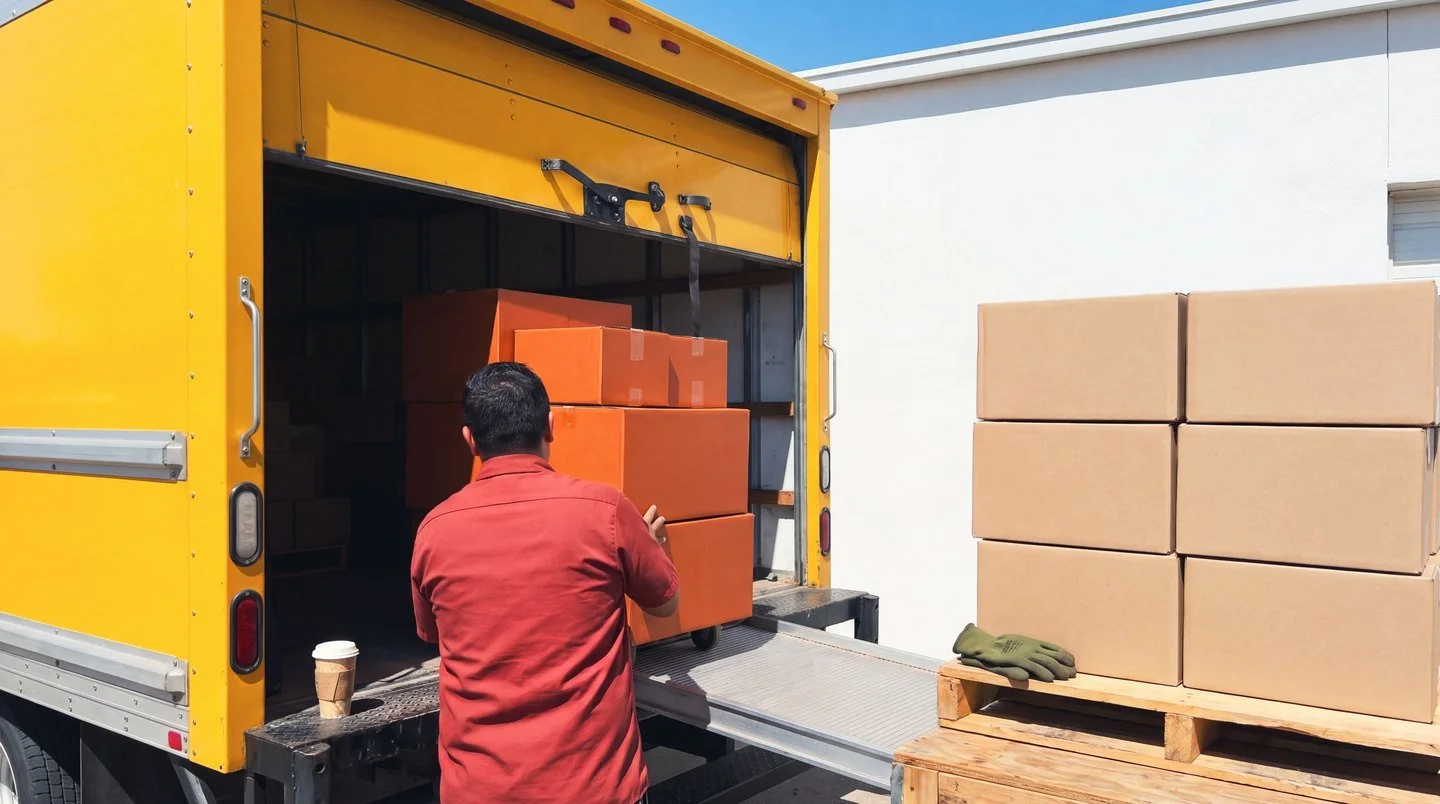
Hershey Says Candy Has a Trip Problem. Get on the Shopping List Before the Trip.
Hershey says U.S. candy, gum and mint sales fell nearly 5% in September, hit hardest at convenience stores, and its CFO calls it a channel and trip problem. A small snack brand can't win a trip the shopper never takes. It can win the decision before the trip, with an organic social media strategy that says where to buy.
Data current as of November 7, 2026.
What did Hershey actually say?
The Hershey Company is the Pennsylvania candy and snack maker behind Hershey's bars, Reese's cups, Jolly Rancher, SkinnyPop and Dot's Homestyle Pretzels. On its third-quarter call on November 6, CEO Kirk Tanner told analysts the convenience channel had turned into a hard place to sell candy.
"As September progressed, we saw consumers become more deliberate about spending, particularly in channels most exposed to higher gas prices like convenience stores," Tanner said, as Food Dive reported. CFO Dave Hulays said c-store sales were down while shoppers spent more at mass retailers and online. His read: "more of a channel and trip problem, not as much a category issue."
Hershey's own Q3 prepared remarks have the numbers. They tell the rest of it.
- Hershey's net sales rose 3% in the quarter that ended September 27, 2026.
- North America Confectionery net sales rose 1.6% on roughly 13% higher prices.
- Volume in that same segment fell about 11%.
- NACS data shows c-store in-store transactions down 4.5% year over year in the first half of 2026.
Read those together. People paid more. They bought fewer pieces. And fewer of them walked into the store at all.
What is a trip problem, in plain English?
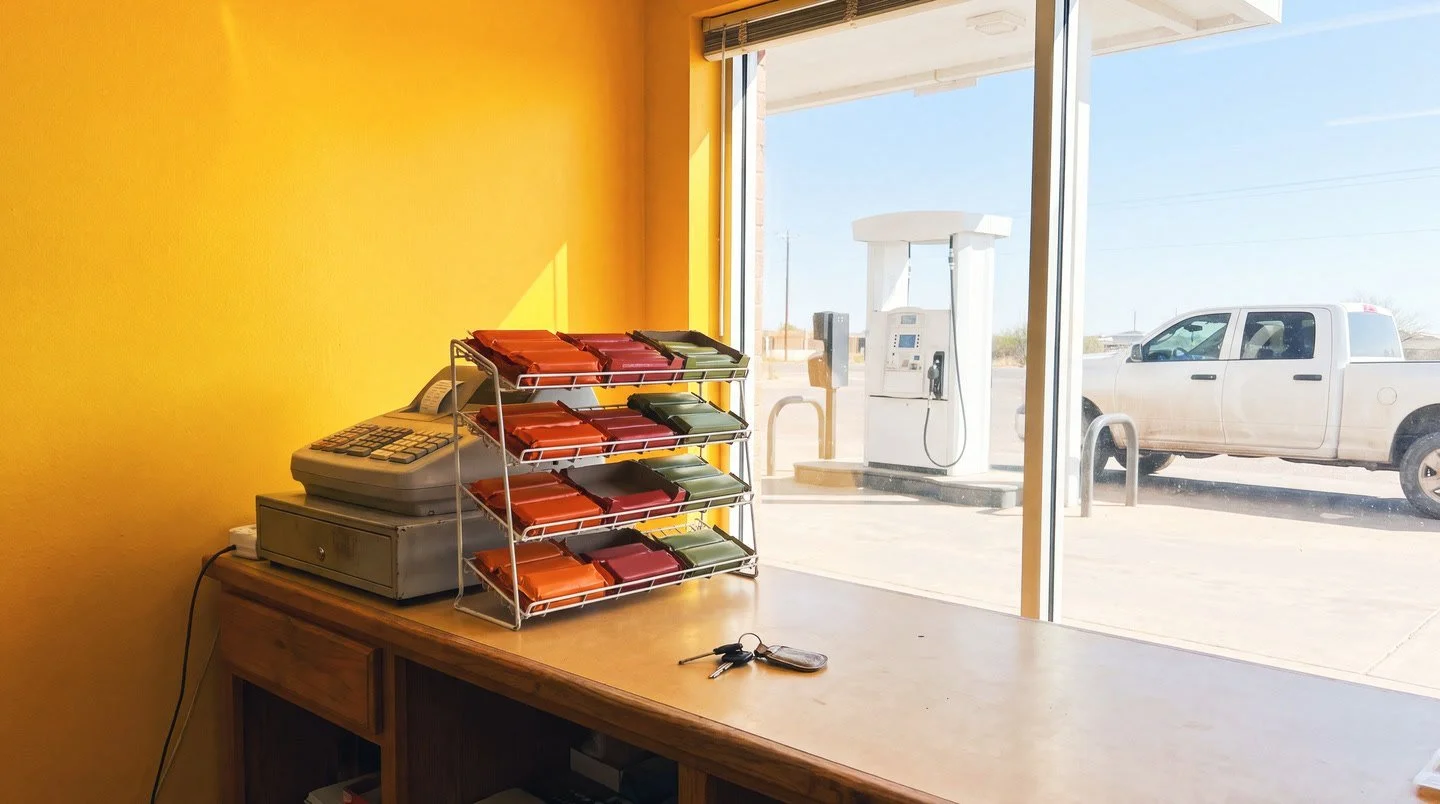
A trip problem means the sale was never about the candy. It was about the stop. Somebody pulls in for gas, walks inside to pay, and the rack by the register does the selling while they wait for the guy ahead of them to finish buying lottery tickets.
Take away the stop and the rack has nobody to sell to. When a tank of gas costs enough that people plan around it (and out here in Marfa, every tank is a plan), the shopper who does come inside came in for something specific. She grabs it, pays and leaves. The impulse buy needs somebody standing there with nothing else on their mind, and there are fewer of those people this fall.
Hershey's fix is the stuff a company that size can afford: "innovation, price pack architecture, surgical promotion," in Hulays' words. New pack sizes. Promo money. A sales force that resets racks in thousands of stores.
Why can't a small snack brand just fight for the rack?
Because the rack fight is a fight over pack prices and promotion dollars, and you will lose it to the company that just raised prices 13% and still grew net sales. If your plan for this winter is a better spot by the register, you're betting that the one channel Hershey calls its outlier turns around on your timeline.
The deliberate shopper is the better bet. She isn't wandering. She has a list, written or not, and she decided what's on it before she got in the car. That decision happens on her phone, in her feed, in a text from her sister. If your brand isn't in that decision, it isn't in the cart, no matter where the rack sits.
What did a livestream in Miami teach me about where to buy?
When I ran social for Topo Chico, my rule was that every question got an honest answer typed by hand in the app. No boilerplate. One afternoon I was watching a livestream from Kevin, who runs Fit Men Cook, on a hotel patio in Miami. In passing, he said he wished he knew where to find Topo Chico in Miami.
That's the whole problem in one sentence. A man with a big audience wanted to buy the product and had no idea where to get it. We had full-time field reps in twelve cities, so I texted ours in Miami and she had Topo Chico on ice in his room within a couple of hours. It turned into a relationship that put the brand in the background of his show for a year and a half.
A small snack brand doesn't have a rep in twelve cities. So the posts have to do the rep's job. Every one of them should answer the question Kevin asked, before anybody has to ask it.
What should a small snack or candy brand post this winter?
Start with where-to-buy and work outward. This is the organic social media strategy I'd run for an independent snack, candy or drink brand while the c-store rack goes soft.
- Name the store and the city in every product post. "On the shelf at Central Market in Austin" beats "available at fine retailers" every time, and tag the store when you can.
- Answer every "where can I get this" comment by hand, inside the hour, with a store name. A link to a store locator is the boilerplate answer. The store name is the real one.
- Keep your retailer listings and store locator correct. AI answer engines lean on retailer pages far more than brand sites, which I went through in why most food brands should leave the shared AI opt-out alone.
- Post the online path for the shopper who quit making the trip. Hulays said the spend moved to mass and online, so show the exact page and the exact pack.
- Give her the reason you belong on the list. The ingredient panel, the kitchen, the person who makes it. That's the story a rack reset can't buy.
None of this needs an ad budget. If that's your situation, here's how organic food and beverage social media works with no ad money.
What if you already pay for c-store placement?
Keep it, if the numbers still work. Just stop counting on the rack to create demand. Treat it as the pickup point for a decision your feed already made. A shopper who saw your bag three times this week will spot it by the register, and that sale is yours whether gas is cheap or not.
This is also the work I'd want any cpg marketing agency doing before it touches a promo calendar. Hershey has its own version of this problem on the salty side too, where demand for Dot's ran ahead of supply. Big companies get stuck in places independents don't.
Pull up your last ten posts tonight and count how many tell a shopper where to buy you. Fixing that number is the first week of every 90-day sprint I run for snack brands, so if yours comes up short, DM me.

adage, emmy, telly & webby award-winning digital marketing consultant for purpose-driven food & beverage brands.