Brand storytelling for clean-label food and beverage brands: write it in episodes
Brand storytelling for clean-label food and beverage brands works best as a series, with the same few people and places coming back every week. One launch video can't carry a six-ingredient label for a year. Twelve short episodes can, and they give a shopper a reason to trust every line on the back of the bag.
Updated November 7, 2026.
The short version
- A clean-label brand story is a series of small, true episodes, one label line at a time.
- Pick three to five recurring characters: the founder, a grower, the kitchen crew, an ingredient, a customer.
- Every episode backs up one specific line on the package, and you can say which line.
- A first season is 12 episodes over 12 weeks, filmed on a phone, finished on an AI production pipeline.
- Claims stay inside what your spec sheet and your certifications can prove.
Why does a clean-label brand story fall flat after the launch post?
Because most brands tell the whole story once, in one founder video, and then have nothing left to say. The ingredient list stays the same for years, so the story has to come from the people and decisions behind it, told in pieces.
I've watched this happen over and over. A brand spends a month on the origin video. The founder in the kitchen, the first farmers market, the jar that started it. It posts, the comments are kind, and then the feed goes back to product shots on a white sweep with a caption that reads like the back panel.
The shopper wanted the next chapter and never got it.
I've held gallucci.net since 1996 and put up more than 435 posts on it. Almost none of the ones that still pull traffic were the big statement pieces. The ones that work are the installments, the posts where you can tell I've been at this a while and I'm going to keep showing up.
Clean-label brands have a specific problem here. Your whole pitch is a short list, and a short list is a short story if you tell it all at once. Ingredion's own research says 71% of consumers find it important to recognize a product's ingredients. Recognizing an ingredient and believing your version of it are two different jobs. The second one takes repetition.
What does brand storytelling for clean-label food and beverage brands look like in episodes?
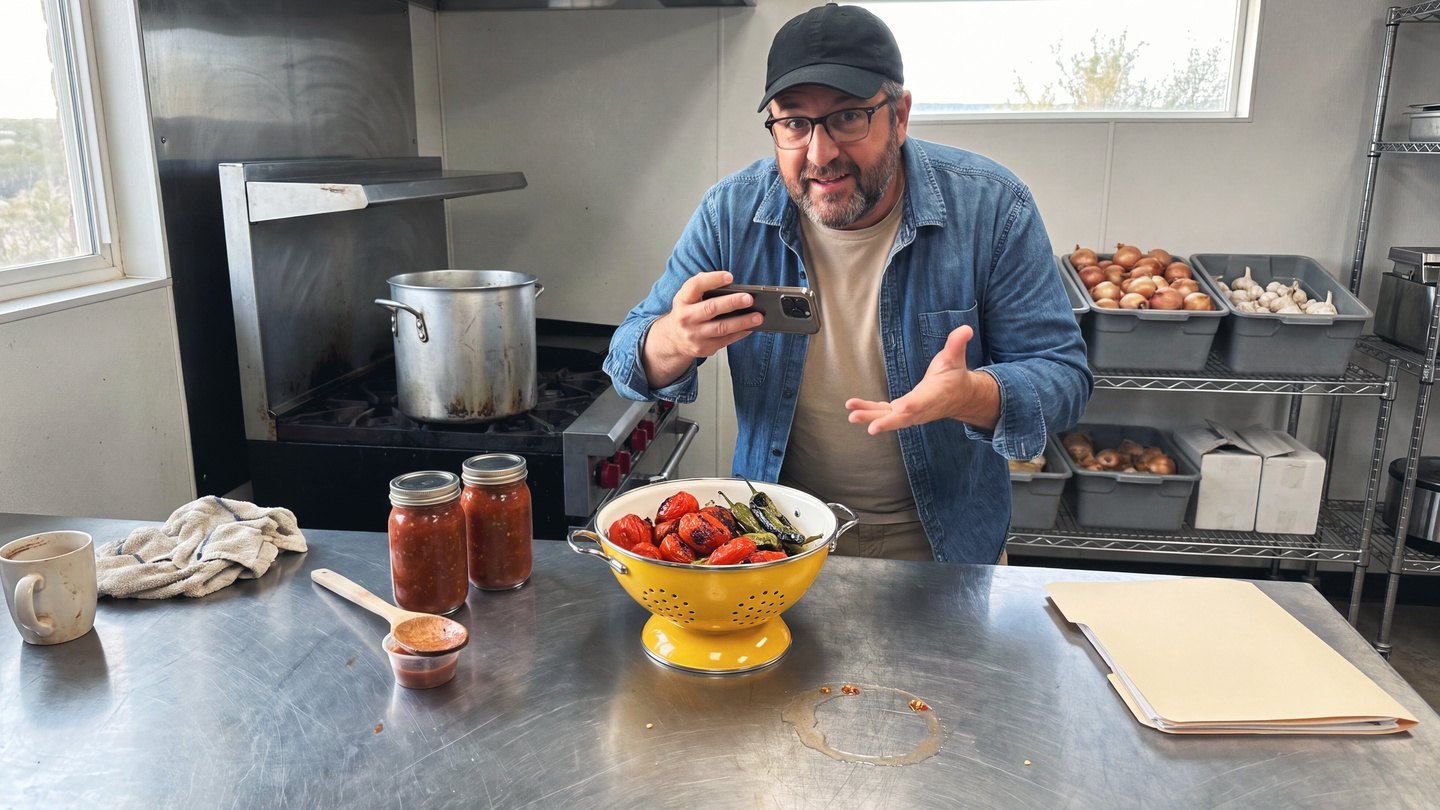
It looks like a short-season TV show with a small cast. Same characters keep coming back. Each episode runs one to three minutes, or it's one carousel, and it ends on a single fact a shopper can check against your label.
Think of the back of the bag as the script. Each line is an episode waiting to be filmed. "Sea salt" is an episode. "Cold-pressed" is an episode. "No added sugar" is an episode about the batch that tasted wrong when you tried to get there.
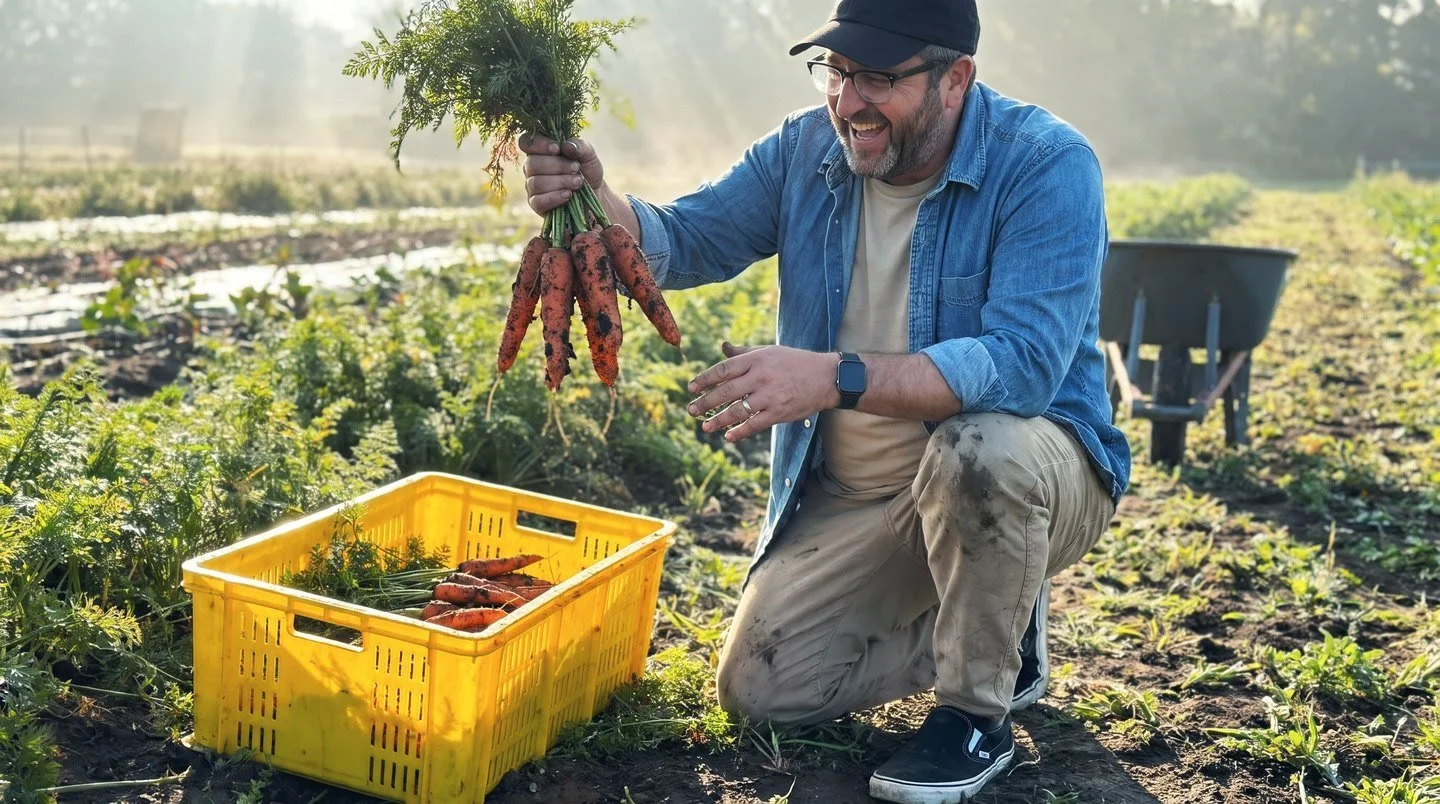
Episodes are small on purpose. A 40-second clip of a grower kicking dirt off a carrot and saying when it came out of the ground does more for a clean-label brand than a two-minute brand film with a string section. People come back for the carrot guy.
They don't come back for the string section.
Earlier I wrote about how to tell the story of what you said no to, the ingredients you cut and why. That's one strong season. Episodes are how you keep a season going without running out of material in week three.
Which recurring characters should carry a clean-label story?
Pick three to five and keep them. Recurring characters are what turn a pile of posts into a story a shopper follows, and on a clean label each one should be tied to something printed on the package.
| Character | What they show | Episode idea | Label line it backs up |
|---|---|---|---|
| The founder | Why the recipe exists and what got cut | The test batch that failed and what changed | The short ingredient list |
| The grower or supplier | Where the ingredient comes from | Harvest day, a bad-weather week, the price fight | A sourcing or origin claim |
| The kitchen or co-packer crew | How it gets made | First run of the season, a cleaning day, a recall drill | A processing claim like cold-pressed or small-batch |
| The ingredient | What it does in the food | Why the oil separates, why the color changes by batch | The ingredient the shopper doesn't recognize |
| The customer | Who eats it and when | A Tuesday lunch at a desk, a school-pickup snack | The use case on the front panel |
The ingredient as a character sounds odd until you try it. The jar that separates in the pantry is a running bit. Every time a customer asks why, that's an episode, and the answer is printed right there on the label.
Keep the customer honest. Film a real one who agreed to be on camera, or use an avatar and say so. Never invent a fan.
How do you plan the first season?
Plan 12 episodes over 12 weeks before you shoot anything. A season gives the team a finish line, and it forces you to match every episode to a label line before the camera comes out.
- List every line on your package, front and back. Done when you have a numbered list that matches the printed label exactly.
- Assign each line to one character from the table above. Done when every line has a name next to it and no character has more than four.
- Write one sentence per episode: who, what happens, which label line it proves. Done when you have 12 sentences and each one could be read out loud in under 10 seconds.
- Film the raw clips on a phone where the food is grown and made. Done when every episode has at least two minutes of usable footage with natural sound.
- Finish and schedule on your production pipeline, one episode a week on the same day. Done when all 12 are cut, captioned and loaded into the calendar before episode one goes live.
The AI production pipeline takes step 5 and does the heavy lifting. It cuts the versions for each platform, builds the carousels, and keeps the look locked week to week. Facts stay real. People stay real. That split is how a small team runs a season without a full-time video crew.
Week 13 is the review. Which characters got the comments, which episodes got saved, which label lines people asked about. Season two writes itself from that list.
What can a clean-label story claim, and what can't it?
It can claim what your spec sheet, your supplier paperwork and your certifications prove. Everything else gets cut, however good it sounds on camera.
"Natural" is the trap. The FDA has never set a formal definition for the term "natural" and works from a longstanding policy that nothing artificial or synthetic was added that wouldn't normally be in the food. That policy, last updated on the FDA page in October 2018, says nothing about farming methods or processing. If a founder says "all natural" in an episode and means "organic farming," that's a claim your paperwork may not support.
Shoppers check this stuff now. An FMI and Label Insight report from 2020, cited by IFT, found that 53% of shoppers count plain-English ingredient descriptions as a sign of transparency and 48% count certifications. Plain English and proof. That's the whole brief for an episode script.
The safest habit is a one-line check before every episode ships: which label line does this back up, and where's the document that proves it? If nobody can answer, the episode waits. I've written before about why you start content creation with the paperwork, and episodes make that easier because each one only needs one document.
Why do episodes pay off for a clean-label brand?
Clean label already has a business case, and episodes protect it. Ingredion's 2021 Global Clean Label Manufacturer Study found manufacturers who converted products to clean label self-reported average gains of 15% in revenue, 11% in margins and 18% in pricing, per the same Ingredion research page.
Pricing is the one I'd watch. An 18% premium on the shelf needs a reason a shopper can repeat to themselves in the aisle. A recurring grower, a kitchen crew they've seen sweat, an ingredient they've watched separate in a jar: that's the reason.
The story also outlasts the brand's current owner. When a brand gets sold, the name and the record are the parts that travel. A year of episodes is a record. And unlike a paid end cap, organic social is the one shelf nobody can reprice on you.
What does hiring help with brand storytelling look like?
Most independent food and beverage brands hire one of three ways: an in-house hire, a creative agency, or a consultant who runs strategy and production on a pipeline. Each fits a different stage.
An in-house hire knows the product cold but usually has to shoot, edit, post and answer comments alone, and the season stalls when they go on vacation. A big creative agency makes a beautiful launch film and then bills for a second one. A consultant with a production pipeline builds the season plan, writes the episode sheet, gets the clips from your team, and ships every week.
I'd ask anyone you're considering four questions. Can you show me a season you ran, start to finish? How do you check claims before an episode posts? Who films, and what do you need from my team each week? What do you measure at week 13?
Price depends on how many episodes, how many platforms and how much filming your team can do. Anyone quoting a flat number before they've seen your label is guessing. If you want to see how I scope brand storytelling and content production for food and beverage brands, the work page lays out what's in and what isn't.
FAQ: brand storytelling questions from operators
What are some examples of brand storytelling for a clean-label brand?
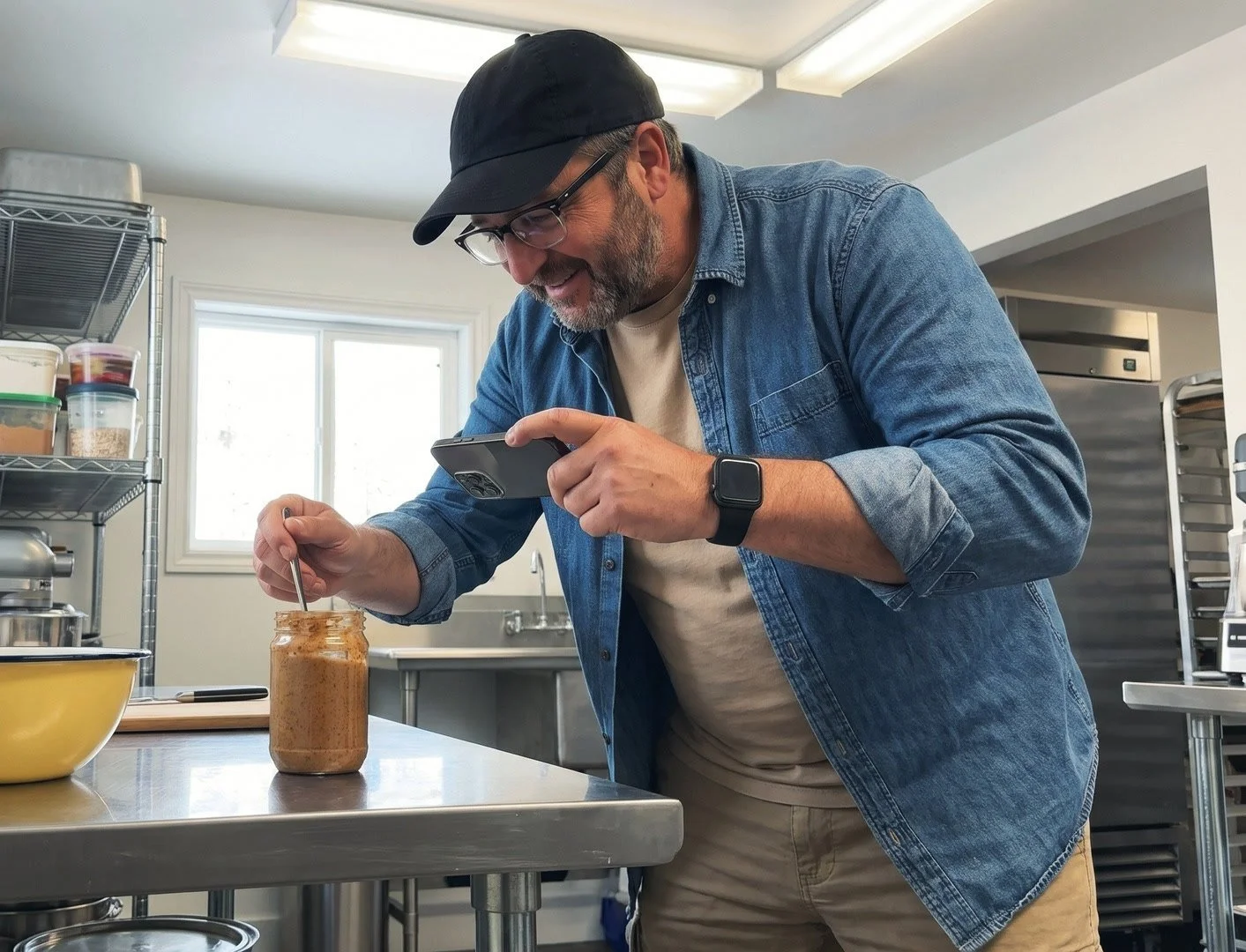
A grower showing harvest day for the one ingredient you source from them. A founder tasting the failed batch that led to the current recipe. A kitchen crew on the first production run of the season. A jar of nut butter separating on the counter while someone explains why that's the point. Each one backs up a single line on the label.
What are the four pillars of brand storytelling?
Lists of pillars vary, and nobody owns the official four. For a clean-label food or beverage brand I use these: a cast that comes back, a place the shopper can picture, one label line per episode, and a schedule the audience can count on. Miss any of the four and the story turns back into one-off posts.
How is storytelling used in branding for food and beverage companies?
It gives a shopper a reason to pick your product and pay more for it. Storytelling connects the ingredient list to people and decisions a buyer can remember in the aisle. For clean-label brands it also does proof work, showing where ingredients come from and how the food gets made, so the short label reads as earned instead of as a slogan.
How often should a clean-label brand post story episodes?
Once a week, on the same day, is the pace I'd start with for a first season of 12 episodes. It's enough for a shopper to notice a pattern and few enough that a small team can film it without falling behind. Fill the days between episodes with cut-downs, carousels and comments from the pipeline, and save new filming for the episode itself.
Who should be the main character in a food brand story?
Usually the founder for season one, because the founder can explain why the recipe exists. By season two the grower, the kitchen crew or the ingredient often pulls more interest, so let the comments decide. Use a real person who agreed to be filmed, or an avatar you're open about, and keep the same people coming back.
What should you shoot first?
Pull the bag out of the pantry and read the back panel out loud. Pick the one line a shopper is most likely to squint at, the ingredient with the long name or the claim that sounds too good, and make that episode one. Film it on a phone this week, in the place where that ingredient comes from or gets made.
Then write the other 11 sentences.
If you want a season like this built for your brand, message me on LinkedIn.

adage, emmy, telly & webby award-winning digital marketing consultant for purpose-driven food & beverage brands.