Brand storytelling for clean-label food and beverage brands: tell the story of what you said no to
Brand storytelling for clean-label food and beverage brands works when every story explains one decision behind one line on your label. Name the ingredient you refused, the supplier you paid more for, or the process you kept slow. Say what that choice cost you, show the proof, and put the person who made the call on camera.
Key takeaways
- A clean-label brand story is a decision story. Pick one line on the label and explain why it reads the way it does.
- The cost of the decision is the part a big brand can't copy, because a big brand rarely admits a choice cost it anything.
- Clean label now covers processing, packaging, sourcing and safety testing, so your stories need to reach past the ingredient deck.
- Every story needs a document behind it, because "natural" and "clean" are the two words most likely to get a food brand sued.
What is brand storytelling for clean-label food and beverage brands?
It's how a clean-label company explains why its label looks the way it does. The story connects a short ingredient list to the people, trade-offs and documents behind it, in posts, videos and captions a shopper can check.
Most of what ranks for this phrase talks about how the definition of clean label keeps widening. The FoodNavigator-USA piece near the top of Google is a solid summary of a 2025 industry webinar. Experts on that panel said shoppers now care about processing, sourcing and safety testing as much as the ingredient list. The advice ends at "start with one theme." It never gets to what a founder should film on Monday.
I've written about the strategy side (a proof post for every claim on the bag) and the production side (turning spec sheets and lab results into posts). This piece is the story layer that sits on top of both. Proof tells a shopper the label is true. A story tells them why somebody bothered.
Why do clean-label brands need more than a short ingredient list?
Five bars with seven ingredients sit on the same shelf now. The short list stopped being rare. It's the entry fee. The story is the tiebreaker.
The 2025 IFIC Food and Health Survey polled 3,000 Americans in March 2025. Forty-eight percent said they check the ingredients list on packaging, up from 40 percent in 2015. Twenty-eight percent put "minimal or no processing" in their definition of a healthy food. Only 6 percent said they already have full confidence in the safety of the U.S. food supply, and 42 percent said understanding how food companies keep food safe would raise their confidence.
Read those last two numbers again. That's your content brief. Most of your shoppers don't fully trust the food system. Close to half of them told a survey what would help: show them how you make it. That's a story request. A seven-ingredient list answers "what." Your shopper is asking "who decided, and why should I believe them?"
What makes a good clean-label brand story?
A decision, a cost, a proof and a person. If a story is missing any of the four, it reads like category copy.
- The decision. One line on the label and the choice behind it. "We use cane sugar" is a fact. "We tested four sweeteners and threw out three" is a decision.
- The cost. What the choice took from you: margin, shelf life, a co-packer that wouldn't run it, a retailer that passed. Shoppers believe a choice that cost something.
- The proof. The spec sheet, the supplier letter, the lab result or the footage that shows the choice is still true today.
- The person. The founder, the QA lead or the farmer who made the call, on camera, in their own words.
The cost is the step most brands skip, and it's the one that separates an independent brand from the big guys. A multinational's legal team won't let it say a reformulation hurt margins. You can. When a founder says "we lost our first co-packer over this oil," the shopper hears a person who chose the harder road on purpose.
Which clean-label stories should a food or beverage brand tell first?
The line on your label that cost you the most is where you start. Shoppers asking about clean label have already moved past the ingredient list. Work through the rest of what they're asking.
| Story type | What it answers | What to show | Proof behind it | Claims risk | |---|---|---|---|---| | The ingredient you refused | Why isn't X in here? | Founder holding both versions, explaining the swap | Spec sheet with the date | Low if the spec is current | | The supplier you pay more for | Where does this come from? | Supplier visit or call, the ingredient arriving | Supplier letter or contract terms you can share | Low | | The process you kept slow | How is it made? | The line, the kettle, the step that takes longest | Batch record or production log | Medium if you imply a health benefit | | The package you changed | What's it wrapped in? | Old and new package side by side | Supplier spec for the packaging | Medium on any recyclability claim | | The test you pay for | Is it safe? | Sample going to the lab, the result | Third-party lab report | High if you say "free of" anything | | The reformulation | What changed and why? | Founder on camera explaining what it cost | Old and new spec sheets | Medium |
You don't need all six this quarter. One story a month, told well, beats six told thin. If you only do one, shoot the ingredient you refused. Easiest to film. Hardest for a big brand to copy.
What can a clean-label brand not say in its story?
Anything the label and the paperwork can't back up. Two words carry most of the legal risk: "natural" and "clean."
FDA has never set a formal definition of "natural" through rulemaking. Its longstanding policy treats "natural" as nothing artificial or synthetic added that wouldn't normally be expected in the food, and that includes all color additives regardless of source. FDA says that policy doesn't cover farming methods like pesticide use or processing like pasteurization. So "natural" in a founder video can promise more than your label does.
Plaintiffs' lawyers read captions. Perkins Coie's 2024 litigation review flagged continued attention on "natural" claims. One suit argued "natural" bottled water is false because microplastics aren't naturally occurring. FoodNavigator-USA reported a July 2024 suit against Walmart alleging a "naturally flavored" cereal bar claim was misleading because the product contains malic acid. Those cases are about labels. Your story posts sit right next to the label in a shopper's head. And in a plaintiff's exhibit list.
"Clean" has no legal definition at all. It protects nobody. If a story uses the word, point at the document that proves what you mean by it.
Every caption I write for a claims-sensitive food client runs through a script before a person reads it. It flags "healthy," any stated ingredient count, and purity lines like "nothing you can't pronounce" when the label carries something you'd need to look up. Founder stories trip it more than anything else. Founders talk about their product the way parents talk about their kids. That's the charm. It's also the exposure.
Who should tell the story: the founder, the team or a creator?
The person who made the decision. Most weeks that's the founder, and the camera doesn't need to be good.
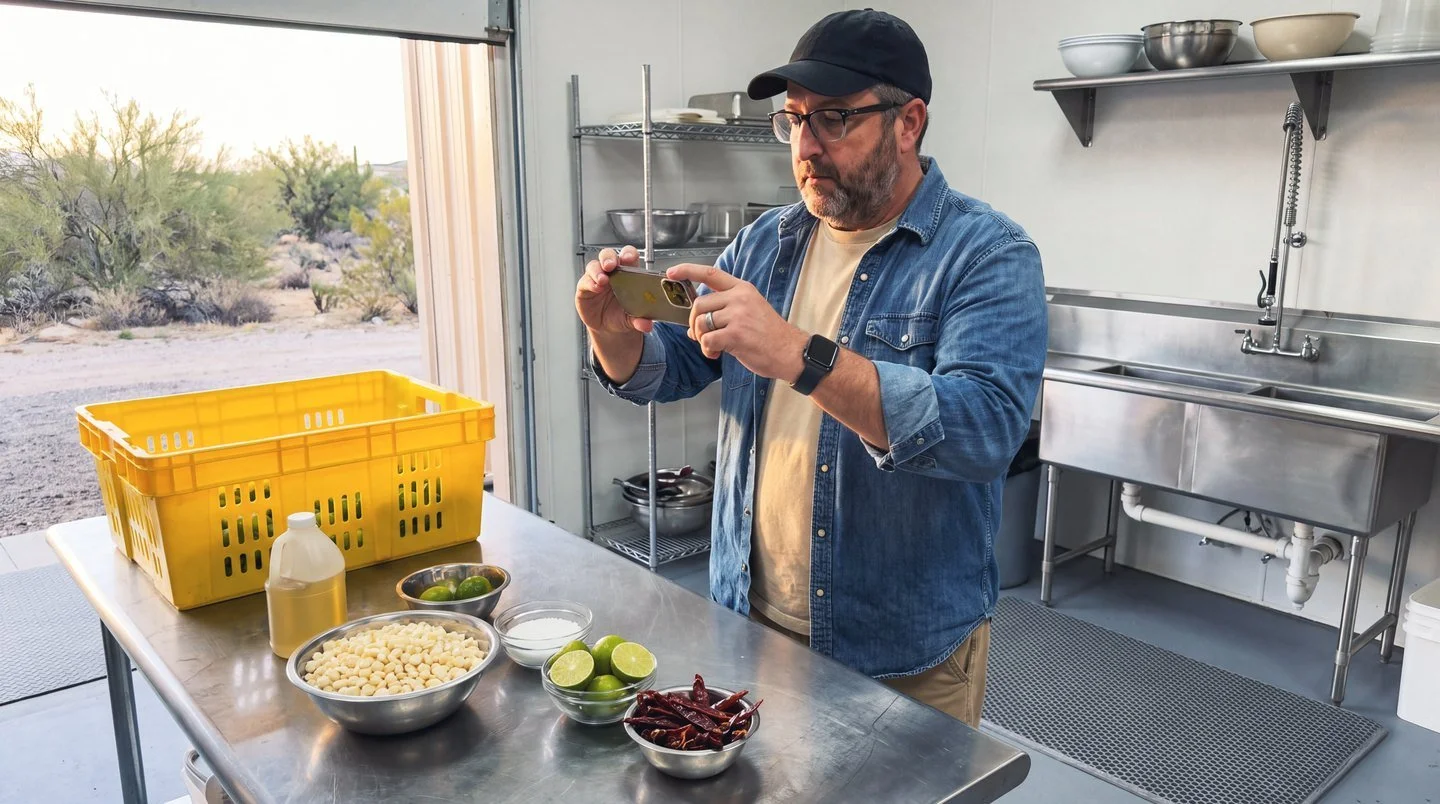
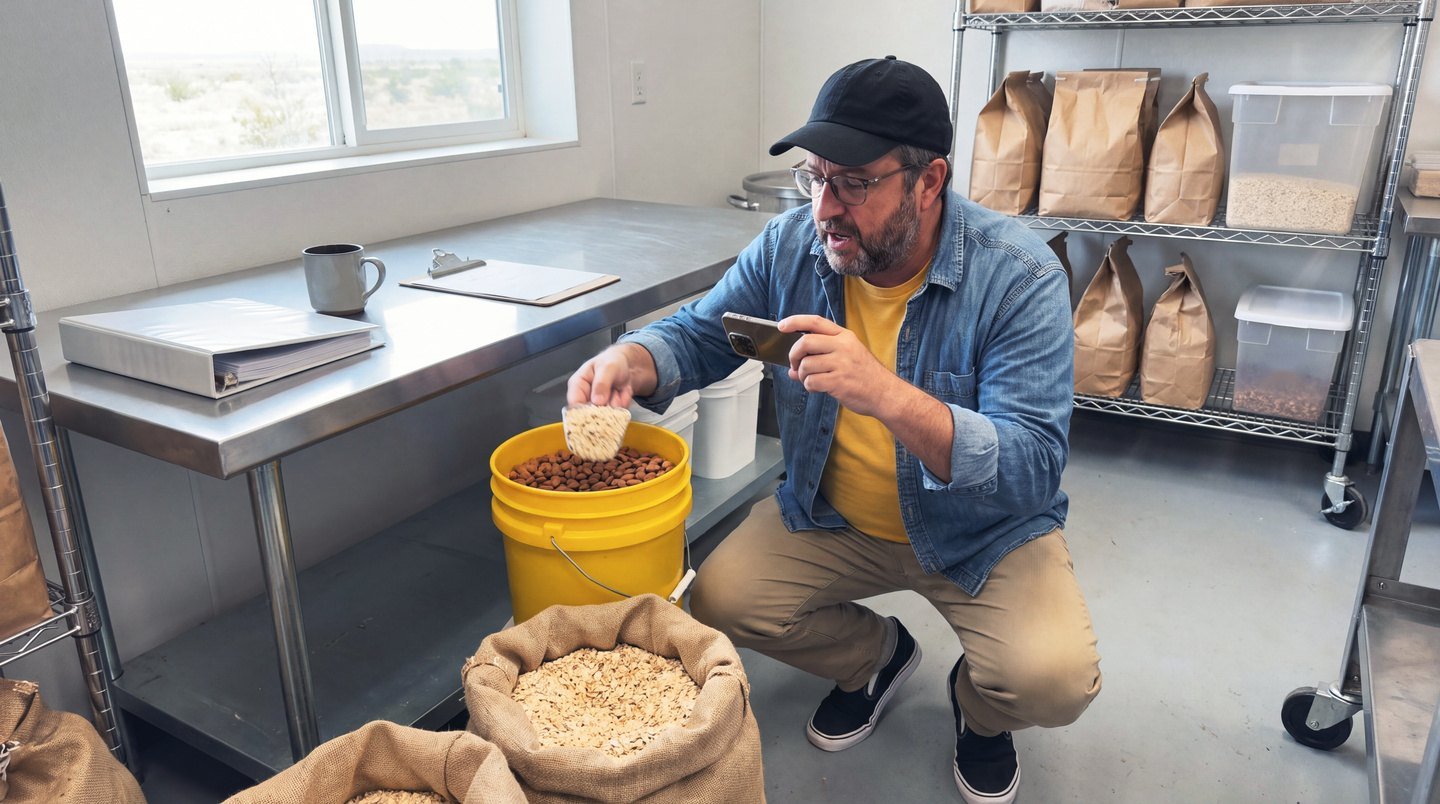
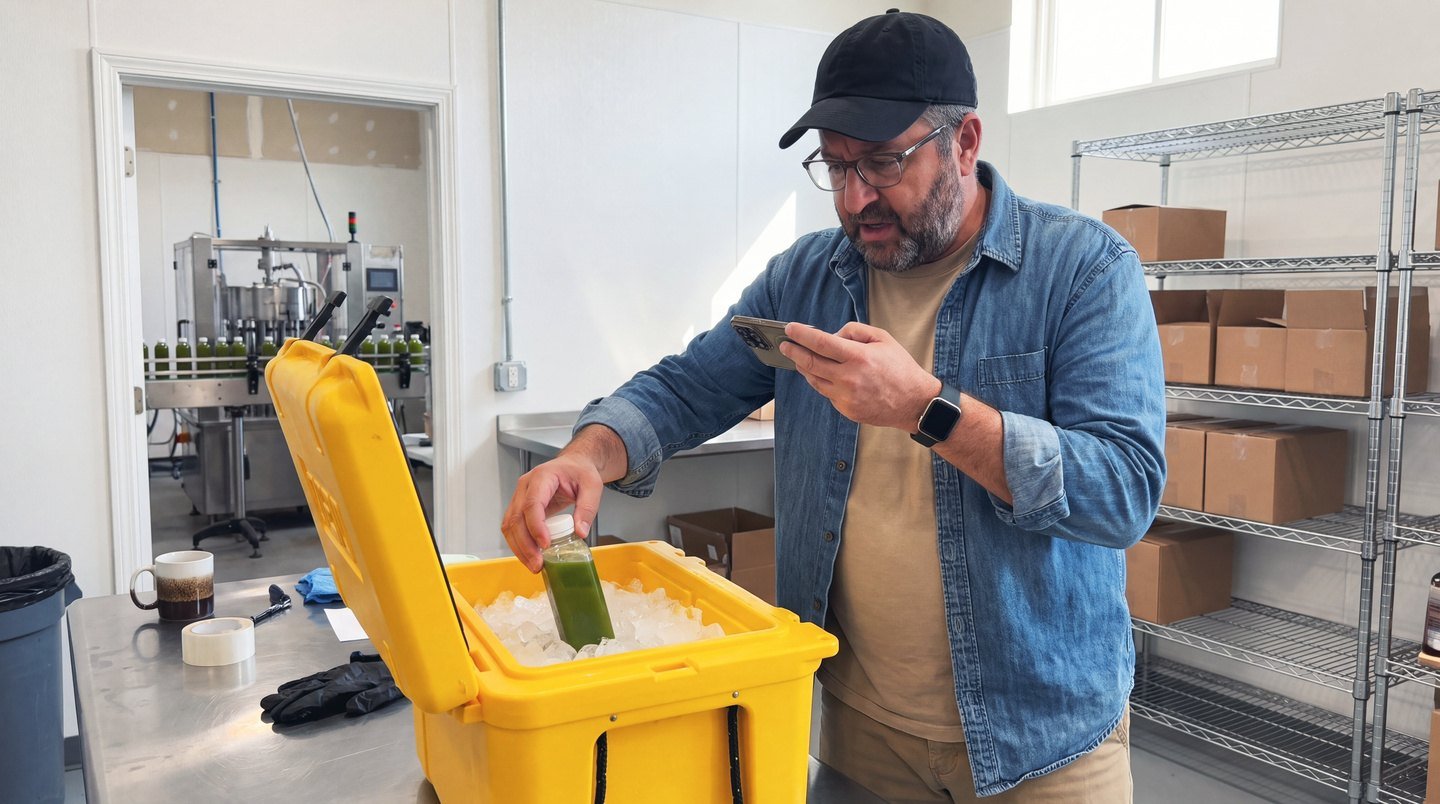
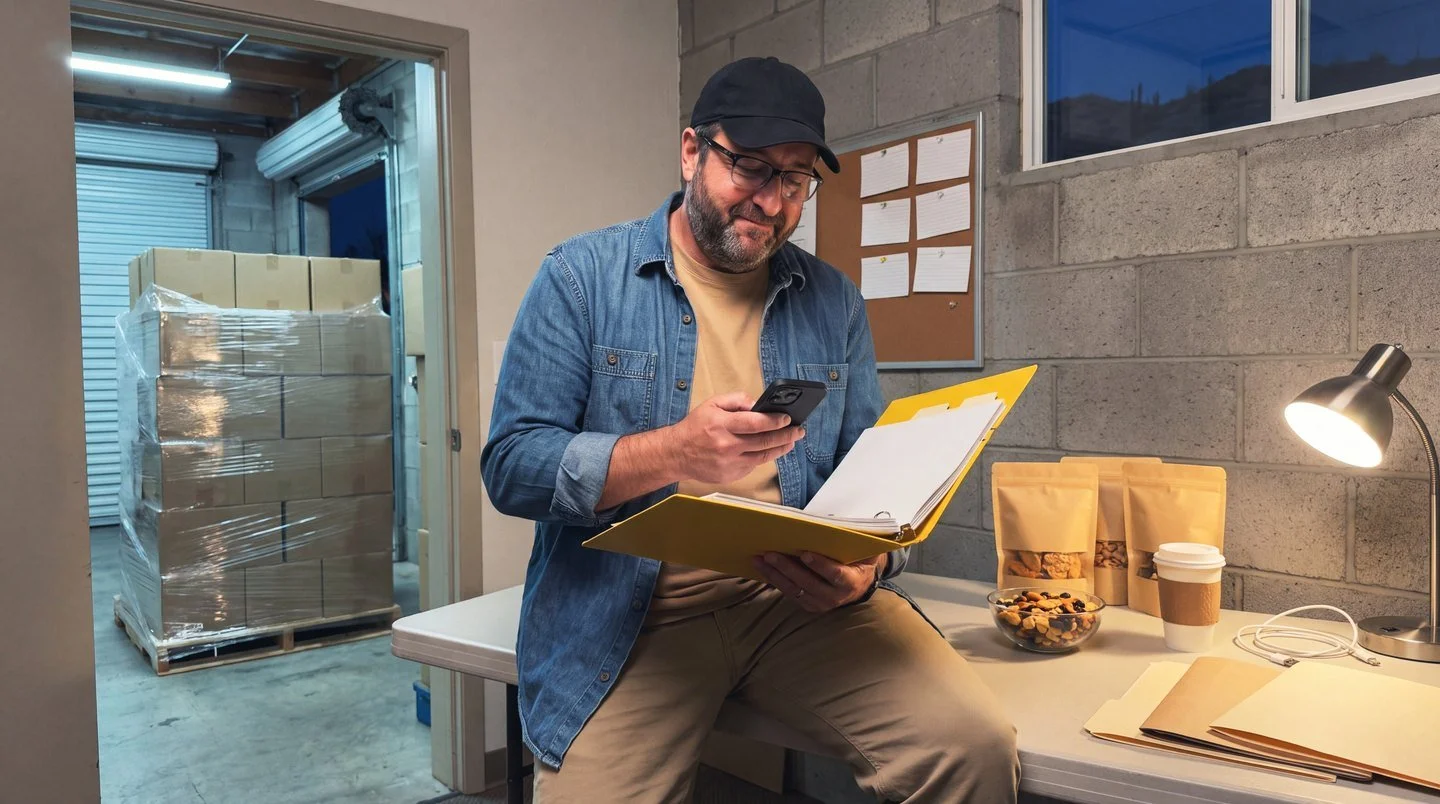
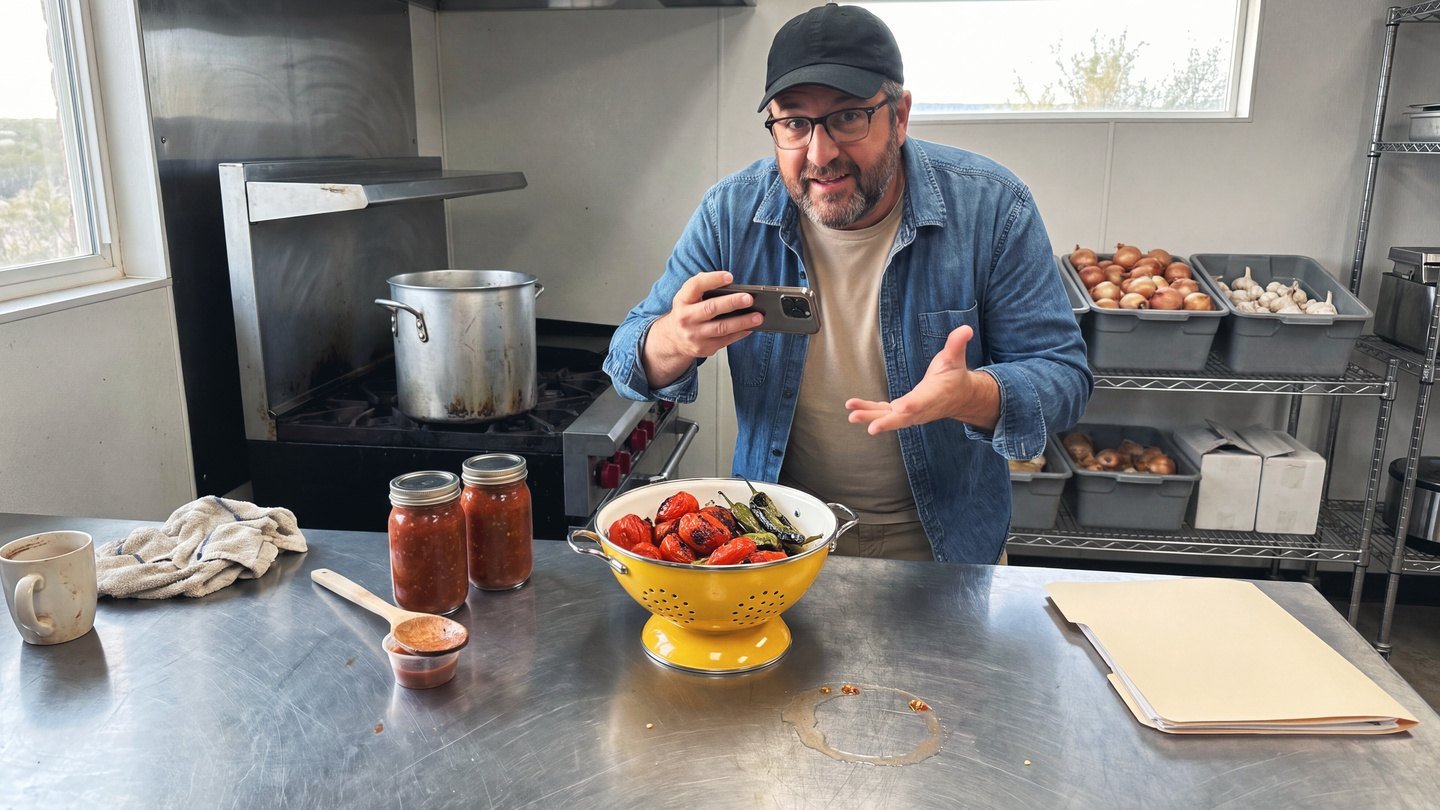
A founder with a phone in the kitchen beats a polished brand film for this kind of story. I've made the case before that a lo-fi founder talking head beats 4K production, and clean-label brands are where it's most true. A shopper who already distrusts the food system reads a high-gloss spot as one more ad. A founder squinting at a spec sheet under fluorescent light reads as a person.
| Storyteller | Best for | Where it usually breaks | |---|---|---| | Founder | Decision and cost stories | Runs out of time after the first month | | QA lead or plant manager | Process and testing stories | Needs coaching to talk to a camera | | Supplier or farmer | Sourcing stories | Hard to schedule, needs a visit | | Paid creator | Reach and recipes | Can't speak to why the label reads the way it does |
Creators are fine for reach. They can't tell your decision story, because they weren't there when you made it.
How do you find the stories inside your own company?
Interview the people who made the label, in order, and record everything. The stories are in the arguments you already had.
Sit down with the founder, the head of operations and whoever owns quality, one at a time, for 30 minutes each. Ask the same five questions:
- What's one ingredient we tested and didn't use, and why?
- What did a supplier or co-packer tell us we couldn't do?
- Which line on the label cost the most to keep?
- What do shoppers ask in DMs or at demos that we never answer in public?
- What would a big brand in our aisle never admit about how it makes this?
Three interviews usually fill a quarter of story ideas. Tag each answer to the label line it explains, then match it to the document that proves it. If an answer has no document behind it, it stays a draft.
I owned a personal domain for 25 years before I published a word on it, and I wrote about what those empty years cost me. Most founders I meet are sitting on the same pile. The stories exist. Nobody has asked the questions out loud.
What does hiring help with clean-label storytelling look like?
Find the person who reads your spec sheets before they write a caption. Storytelling skill shows up everywhere. Patience for the paperwork almost never does.
Big shops write the same category copy for every clean-label brand they touch. Sunlight, linen, a hand on a wheat stalk. If you want social media strategy and content creation for a food or beverage brand built around your own decisions, ask any provider these questions:
- Which line on our label would you build the first story around, and why?
- What document would you want in hand before you post it?
- How do you handle a founder who says "natural" on camera?
- Show me a story you made where the cost of a decision was the point.
- Who films on our floor, and how often?
I won't print a price range I can't source. Have every provider scope one full month in deliverables: interviews, shoot days, videos, posts. Price that package. Never the hours.
What happens in the first 90 days of clean-label storytelling?
I'd run brand storytelling for clean-label food and beverage brands in this order every time. Interviews first. Then one story a month. Then a buyer version. Size of the brand doesn't change it.
- Days 1 to 30: run the three interviews, map every answer to a label line and a document, and pull any old post that uses "natural" or "clean" without proof.
- Days 31 to 60: publish the ingredient-you-refused story as a founder video, a carousel and a long caption, then track saves, shares and DMs that ask about ingredients.
- Days 61 to 90: publish the second story, then cut both into a one-page version for retail buyers and your LinkedIn.
FAQ
What is a clean-label brand story?
A clean-label brand story explains why one line on a food or beverage label reads the way it does. It names the decision, the cost of that decision, the document that proves it is still true, and the person who made the call. The format can be a founder video, a carousel or a long caption. The goal is a reason to believe the label that a shopper can check.
What makes food brand storytelling believable?
Name the ingredient you tested and threw out. Big brands won't. Same with the supplier who charges you more, or the co-packer who refused your formula. Put the person who made that call on camera. Link the document behind it. Shoppers believe the story when the choice cost you something and you say so out loud.
Can a clean-label brand say "natural" in its brand story?
Carefully. FDA has no formal rulemaking definition of natural, and its longstanding policy only covers added artificial or synthetic ingredients, including all color additives. It doesn't cover farming or processing methods. Natural claims keep drawing class action suits, so keep the word out of founder videos unless your label and spec sheets back the exact meaning you intend.
Should the founder be on camera for clean-label storytelling?
For decision stories, yes. The founder usually made the call and can explain what it cost, which no creator or agency can do convincingly. The camera can be a phone in the kitchen. If the founder runs out of time, the QA lead or plant manager can take process and testing stories, while the founder keeps one decision story a month.
How long does brand storytelling take to show results?
Plan on a full quarter before judging it. Early signals are saves, shares and DMs that ask about ingredients, sourcing or testing, and those usually show up before sales do. Retail buyers often respond to the one-page version of your stories sooner than shoppers respond to the posts. If nothing moves after 90 days, try a different story before you buy a better camera.
What should you do this week?
Pull up your ingredient panel and circle the one line that cost you the most to keep. Book 30 minutes with whoever made that call, ask them why, and record the answer on a phone before anybody writes a script.
If you can't pick which line to circle, send me your label on LinkedIn and I'll tell you which story I'd film first.

adage, emmy, telly & webby award-winning digital marketing consultant for purpose-driven food & beverage brands.