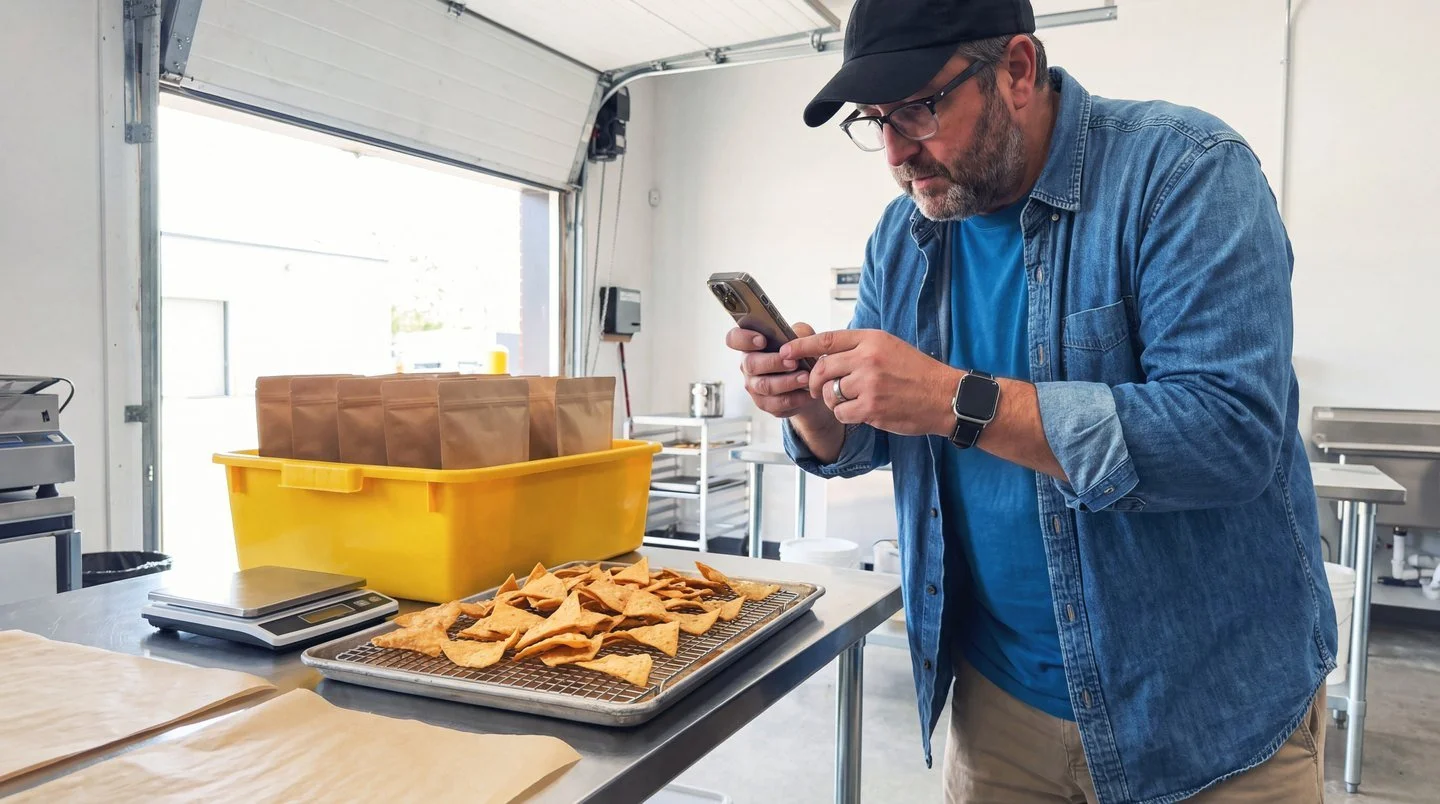
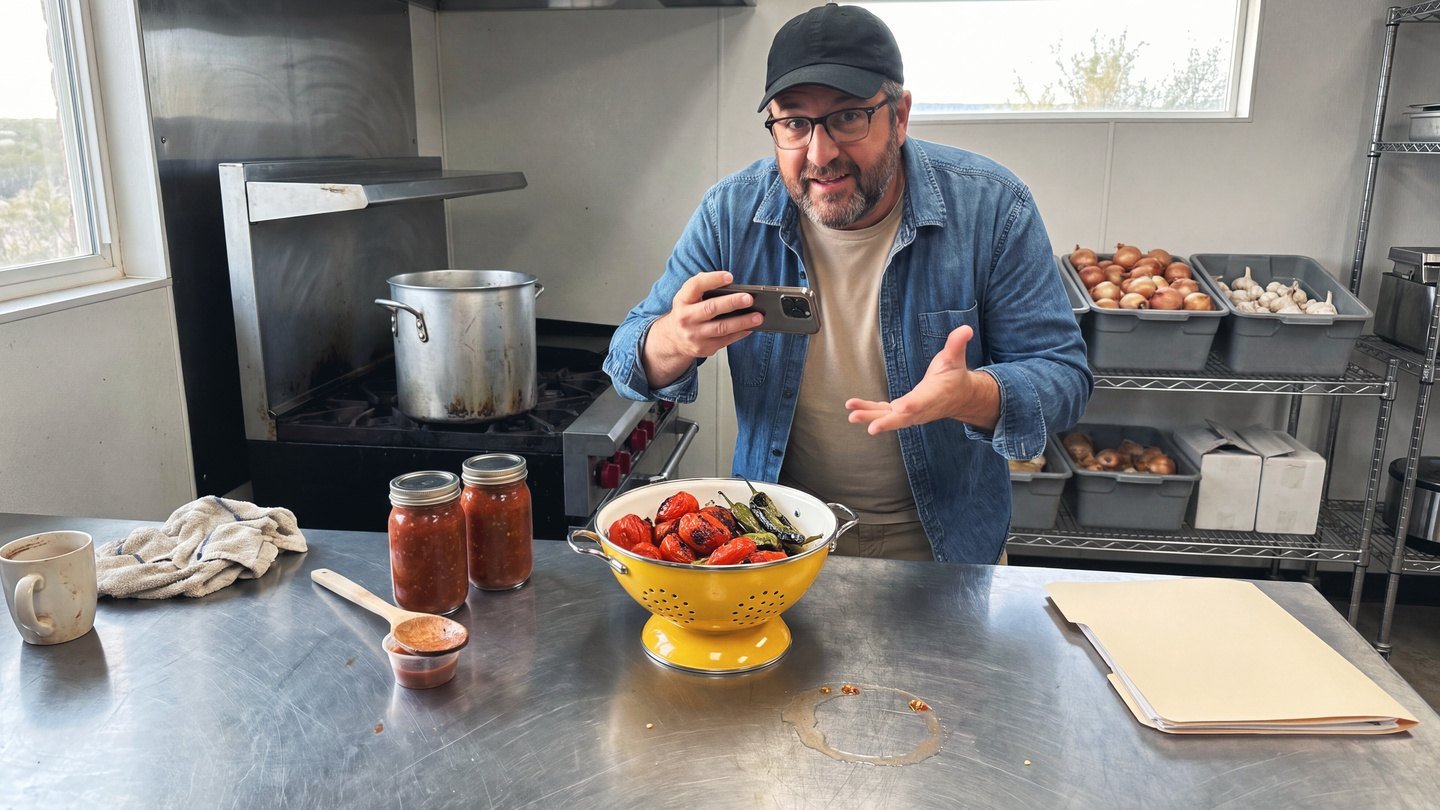
Social media for clean-label food and beverage brands: your comment section is the new back panel
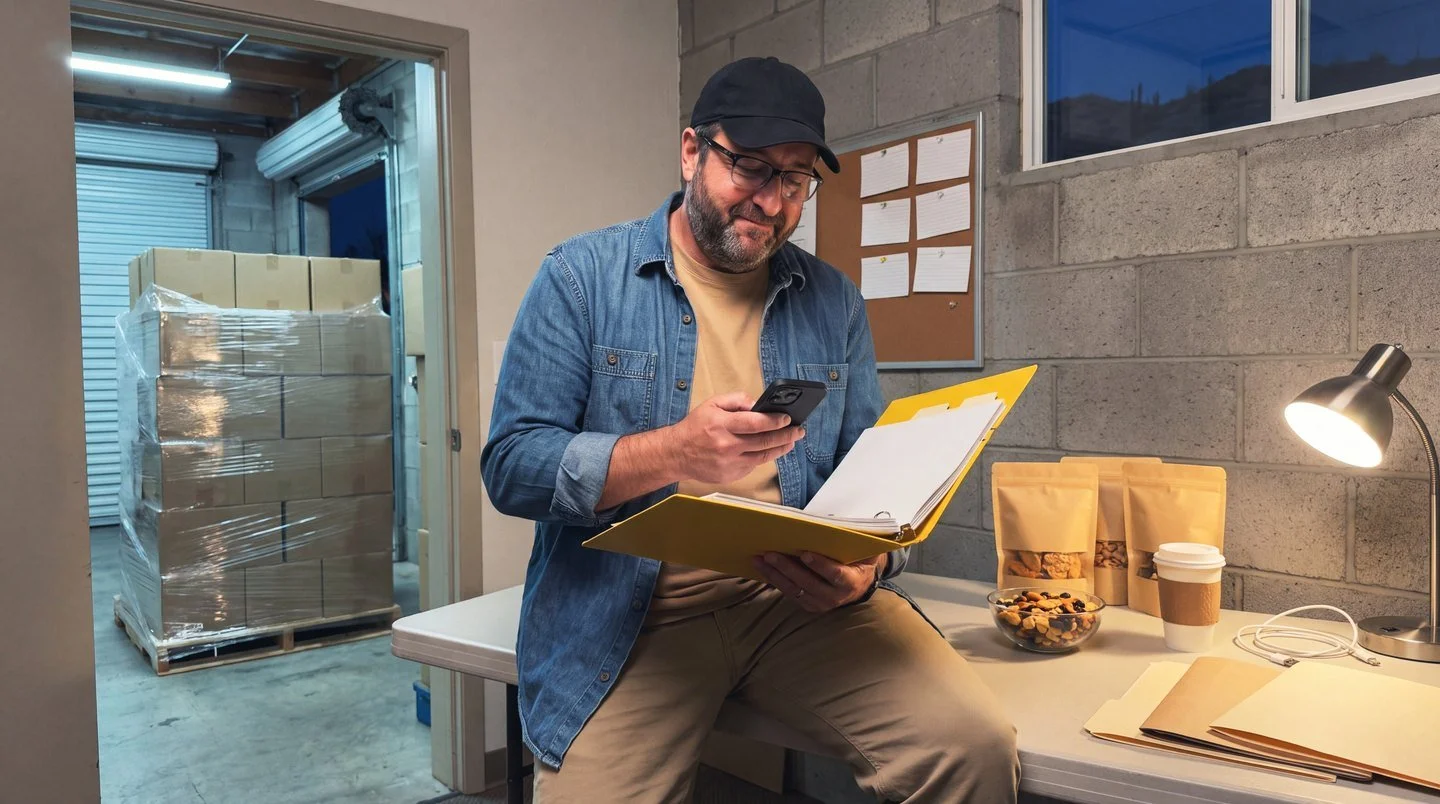
Social media for clean-label food and beverage brands is a customer service job dressed up as marketing. Your shopper shows up already holding a testing list, a screenshot or a question about heavy metals, and your public reply is the proof they pass around. Answer fast, answer in public, show the paperwork.
Search that phrase this week and Google's top result isn't a marketing guide. It's the homepage of Clean Label Project, a nonprofit that tests products for heavy metals, pesticides and plasticizers. The related searches under it are "Is Clean Label Project trustworthy" and "Clean Label Project vs NSF." That's your shopper. The question moved past the ingredient list and into the lab report, and it lands in your comments at 10:40 on a Tuesday night.
Key takeaways:
- The clean-label shopper audits your claims in the comments, so every reply is published content.
- 73% of social media users expect a brand to respond within 24 hours, per the 2025 Sprout Social Index.
- Build a proof library (test results, supplier letters, approved claim language) before anybody asks.
- Acknowledge in public first, move to DMs second, and replace the product when someone had a bad experience.
What does social media for clean-label food and beverage brands look like now?
Comment threads with receipts. That's the game now. Posts still matter. A skeptical shopper decides whether to believe your bag when they read the reply you left under somebody else's question.
I wrote earlier this year that credibility beats follower counts for clean-label brands. Still holds. What changed is where that credibility gets tested. A few years ago the hard question was "what's in it?" You could clear it with a pretty ingredient graphic. Now it's "what did you test for, and can I see it?" A pretty graphic doesn't answer that. A shopper who's watched three videos about contaminants in protein powder can tell the difference.
Most clean-label brands I look at still run social like a catalog. Beautiful product shots. A recipe on Thursday. A founder quote on Monday. A mom asks about lead in the comments. The question sits there four days with eleven likes on it. Those eleven likes are other shoppers who wanted the answer too.
Why is the comment section the new back panel?
The shopper reads the fine print in public now. Your bag's back panel tells them what you put in. Your comment section tells them how you act when somebody pushes on it.
The numbers back this up. The 2025 Sprout Social Index found 73% of social media users expect a brand to respond within 24 hours, and Sprout's Q4 2025 Pulse Survey found 51% of people who reach out publicly expect a public acknowledgment before the brand moves them to a DM. Half your askers want to see you answer where everyone else can see it too.
I built Topo Chico's online brand for more than a decade. Most of it got built in the comment section. One night I caught a guy on a livestream at a Miami hotel complaining he couldn't find Topo Chico anywhere near him. I jumped into his chat and told him I'd see what I could do. A few hours later one of our field marketing people had a bucket of cold bottles and some swag waiting in his room. He turned out to be a fitness influencer with over a million followers. I wrote up the lesson I still carry from that Topo Chico work. Short version: a twenty dollar bucket did more than a paid post would have.
Legal stripped the email and the invitation out of a reply to a customer who said the product made them sick. What shipped was a polite dead end. A while back a longtime buyer of a newer client sent a DM. I drafted a careful, human reply with an email address and an invite to keep talking. It came back hollow. That customer had bought the product many times. We gave them no reason to buy it again. I wrote about how a missed social media opportunity costs more than a complaint because of this exact thing.
What questions will clean-label shoppers ask, and how should you answer them?
They come at you with testing, flavorings, sourcing, sickness, and change. Each one needs different proof. The reply that feels right is usually the one that makes it worse.
| The question in the comments | What they want to know | Answer with | Never reply with | |---|---|---|---| | "Is this tested for heavy metals?" | Whether you know your own numbers | What you test for, how often, and where to see results | "We meet all FDA requirements" | | "What's in the natural flavors?" | Whether you're hiding something | What the flavor is made from, in plain words, as far as your supplier letter allows | "Proprietary blend" with nothing after it | | "Why aren't you on that testing list?" | Whether you were tested and failed | Whether you've submitted, and your own lab data if you have it | Silence, or a jab at the list | | "This made me sick" | Whether you care | A named person, two questions about where and when they bought it, and a replacement offer | A link to a contact form | | "Did you change the recipe?" | Whether you cut corners | What changed, why, and what didn't | "Same great taste!" |
Look at the right column on that table. Every bad answer is what a committee signed off on because it was safe. Every good one needs a person who knows the product and has permission to say so.
How do you build a reply system for a clean-label brand?
You build the reply system before the first hard question shows up. It's a short list of approved facts, a response clock, and one person with the authority to use both.
- Build a proof library. Lab results, certificates of analysis, supplier letters, your farm or co-packer details, and the exact claim language your lawyer has signed off on. If you've been making a proof post for every claim on the bag, most of this already exists.
- Set a response clock. Same day is the goal. Twenty-four hours is the outer limit, since that's what 73% of users expect.
- Acknowledge in public first. Answer the part you can answer under the comment, then move personal details to a DM. The public reply is for the next forty people who read the thread.
- Put a name on it. "Hey, I'm Dana, I run social here" lands differently than a reply from the logo.
- Replace the product when someone had a bad experience. A twelve dollar swap is cheap insurance on a customer who already liked you enough to buy.
- Turn the best question of the week into next week's post. If three people asked about your oat sourcing, that's your Tuesday carousel.
Step six. That's where community management turns into content strategy. Shoppers are telling you what to post. Most brands just aren't reading.
What should a brand do when a testing list or a viral video names it?
Don't delete, don't argue, and don't go quiet. Post what you know, show your own numbers if you have them, and say plainly what you're doing next.
The direction of travel here isn't subtle. California's AB 899 already requires baby food makers selling in the state to test at least monthly for lead, arsenic, cadmium and mercury, and since the start of 2025 they've had to publish those results on their websites and through QR codes on the label, as Consumer Reports laid out. That law covers baby food. Your shopper doesn't care about the scope of a California bill. Once they've scanned a QR code that shows them a lab result, they start expecting one from everybody.
That's the same pattern I wrote about in natural and organic brands posting like the certifier follows them. Somebody with a clipboard is always reading. On social, that somebody is also a shopper with a phone and a group chat.
If you get named, a short video from the founder at the plant, holding the actual test report, does more than any statement the agency can write. If you don't have test data, say what you're doing to get it and when. Shoppers forgive "we're testing and we'll post it in thirty days." They don't forgive a deleted comment, because somebody already screenshotted it.
What social platforms should a clean-label food brand focus on?
Wherever your shoppers ask questions out loud. For most clean-label food and beverage brands I'd start with Instagram and TikTok, because that's where the ingredient and testing videos travel, then add Facebook if your buyer is a parent in a local group.
The platform choice is less important than the reply habit. A brand that posts three times a week on Instagram and answers every question within a day will beat a brand posting daily on four platforms and answering nothing. I'd rather see one platform run well than four run like a billboard.
Should a clean-label brand hire help or keep social in-house?
Keep it in-house if you have someone who knows the product cold and has permission to talk. Hire help if your replies are getting stuck in approval, or nobody owns the comment section at all.
When you talk to an agency or a consultant, ask these before you talk price. Who answers the comments, by name? How fast? What can they say without sending it to you first? What happens when someone says your product made them sick? If the answer to that last one is "we'll escalate it," ask how long escalation takes, because the shopper is counting.
That last question is the one I fix first in any engagement, and it's the core of the social media strategy and community management I do for food and beverage brands. The posting calendar is the easy part.
FAQ
Which food brands are doing well on social media?
The ones answering their comments with specifics. Follower count tells you less than you'd think. I ran Topo Chico's online community for years. The reply habit built more of the brand than any single campaign did. Look for the food brands where the founder or a named team member replies to ingredient and testing questions within a day. They link real documents. They turn repeated questions into posts.
What are the best social media platforms for a food business?
Instagram and TikTok first for most clean-label food and beverage brands. That's where ingredient videos and product questions spread. Facebook still works when your buyer is a parent in local or allergy groups. Pick the one or two platforms where your shoppers already ask questions. Answer every comment there within 24 hours before you add another channel.
How should a clean-label brand respond to a third-party testing list?
Share your own lab numbers. That's the whole move. If you've been tested, post the results and how often you run them. If you haven't, say whether you're submitting and when those numbers go up on the feed. Don't swing at the list or the people passing it around. The shopper asking is usually a fan looking for one clean reason to keep buying from you.
How fast should a food brand reply to comments on social media?
Same day if you can, and within 24 hours at the outside. The 2025 Sprout Social Index found 73% of social media users expect a response within 24 hours. For questions about safety, testing or someone getting sick, treat it as urgent. Acknowledge in public quickly, then move personal details to a DM so the rest of your shoppers can see you showed up.
Should a food brand delete negative comments?
Almost never. Delete spam, slurs and personal information, and leave the hard questions up. A deleted comment about an ingredient or a bad batch usually comes back as a screenshot with a worse caption. A public, specific answer with a replacement offer often turns the angriest person in the thread into the one defending you a week later.
What to do this week
Open the last thirty days of comments and DMs. Count the questions on testing, ingredients, or sourcing that never got a specific answer. Write those answers down. Pull the documents that back them. Decide who on your team posts the replies without a meeting. That's a proof library and a reply habit. Costs you an afternoon.
If you want a second set of eyes on your comment section, message me on LinkedIn.

adage, emmy, telly & webby award-winning digital marketing consultant for purpose-driven food & beverage brands.