Pinterest Will Let You Boost Your Customers' Pins. Pay Them Before You Press Promote.
Pinterest Will Let You Boost Your Customers' Pins. Pay Them Before You Press Promote.
As of this week, a brand on Pinterest can find a creator's Pin about its product and put ad money behind it with no partnership in place. Social Media Today reported the change on October 7. Pinterest's help page for creators says it in one line: "Brands can promote eligible Pins that you create on Pinterest." The creator gets an email after the brand decides to promote. Social Media Today says creators can allow or decline each promotion, and Pinterest gives them one account-level switch, "Let advertisers promote your content," under Settings and Content permissions. Turning it off doesn't stop a campaign that's already running.
That help page doesn't say a word about paying the creator.
For a food or beverage brand, every Pin a home cook made of your salsa on a Tuesday night is now ad inventory you can buy. That's a gift. It's also the fastest way I know to look cheap in public, and which one you get comes down to what you do before you click.
What Pinterest changed
Until now, brand money behind a creator's Pin ran through a paid partnership. Pinterest defines that as content a creator makes with a brand they have a material connection to. The creator tags the brand, the brand approves the tag, and only the brand can run the Pin as an ad with a paid partnership label. The deal came first and the ad came second.
The new option flips the order. The brand shops first. It can pick content from creators it has never worked with, and the creator finds out by email. Pinterest even coaches creators on how to get picked (mention brands in Pin titles and descriptions, make shoppable content, keep it brand safe), which tells you which side of the table Pinterest expects to have the money.
Why the customer's Pin beats your shoot
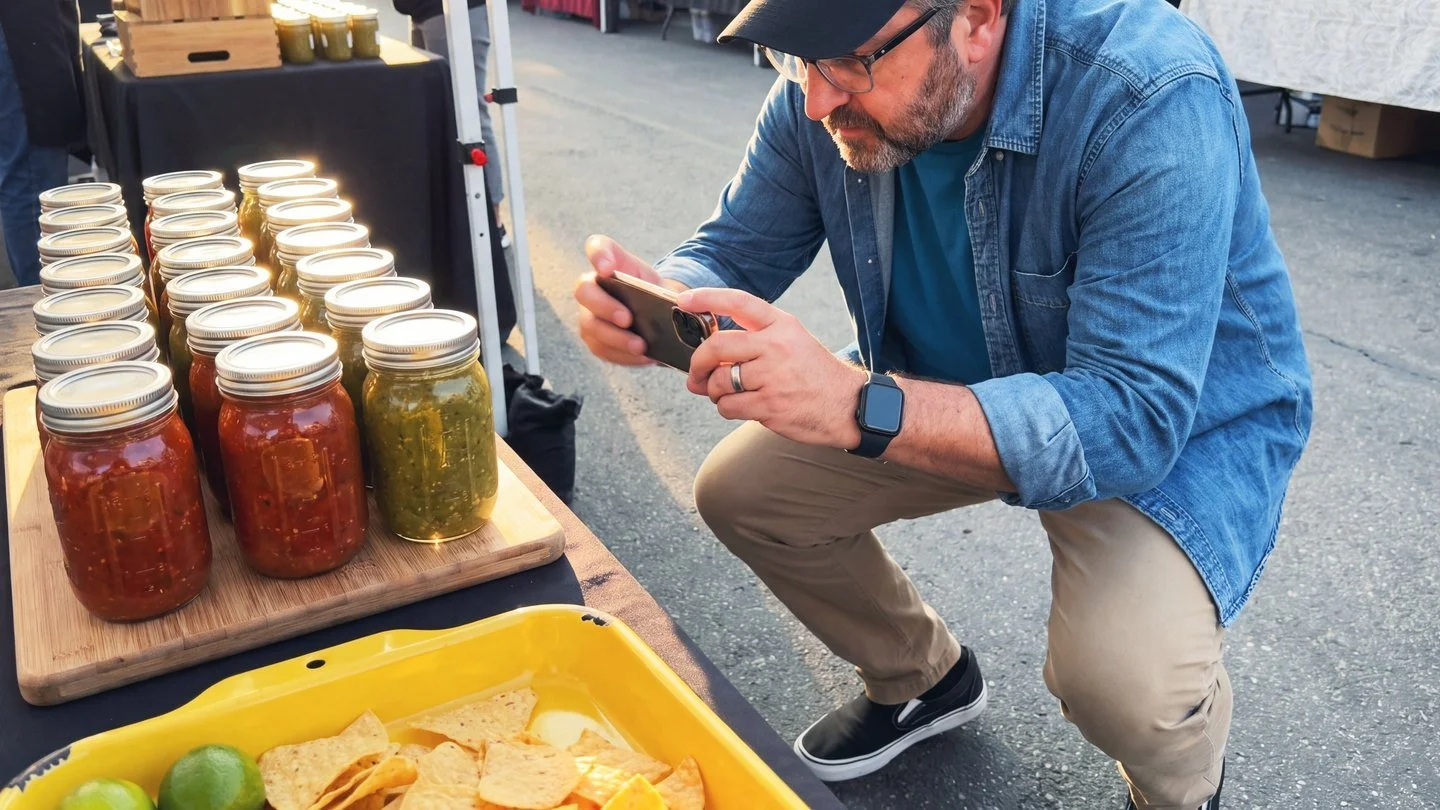
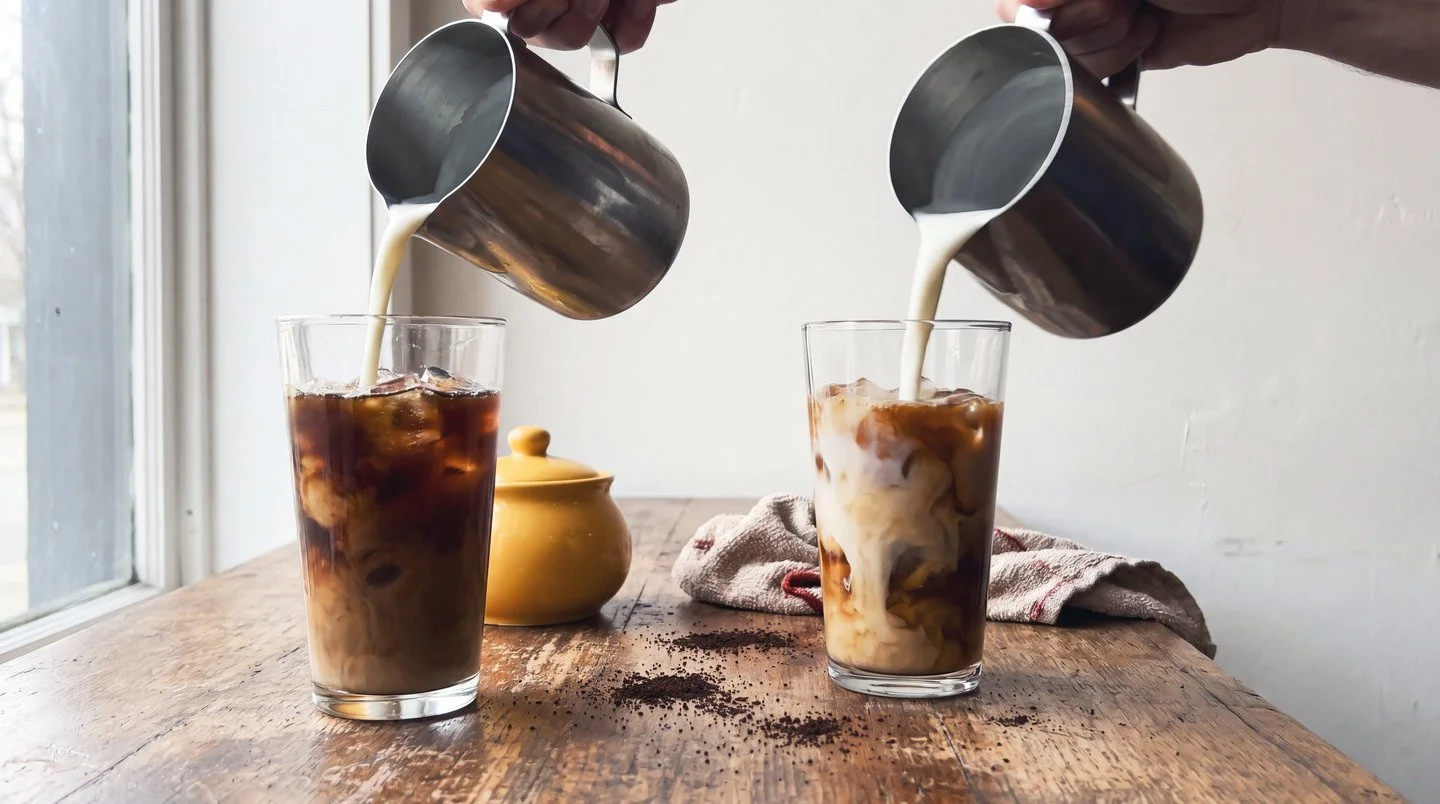
I've been shooting for more than 30 years, Canon first, now an iPhone 14 Pro Max with a rig bolted to it. Every image on this site gets spec'd to look like it came off that phone: documentary, natural light, nothing that reads like a render. I made that call on purpose. A photo that looks like somebody's kitchen gets believed. A photo that looks like a studio gets scrolled past.
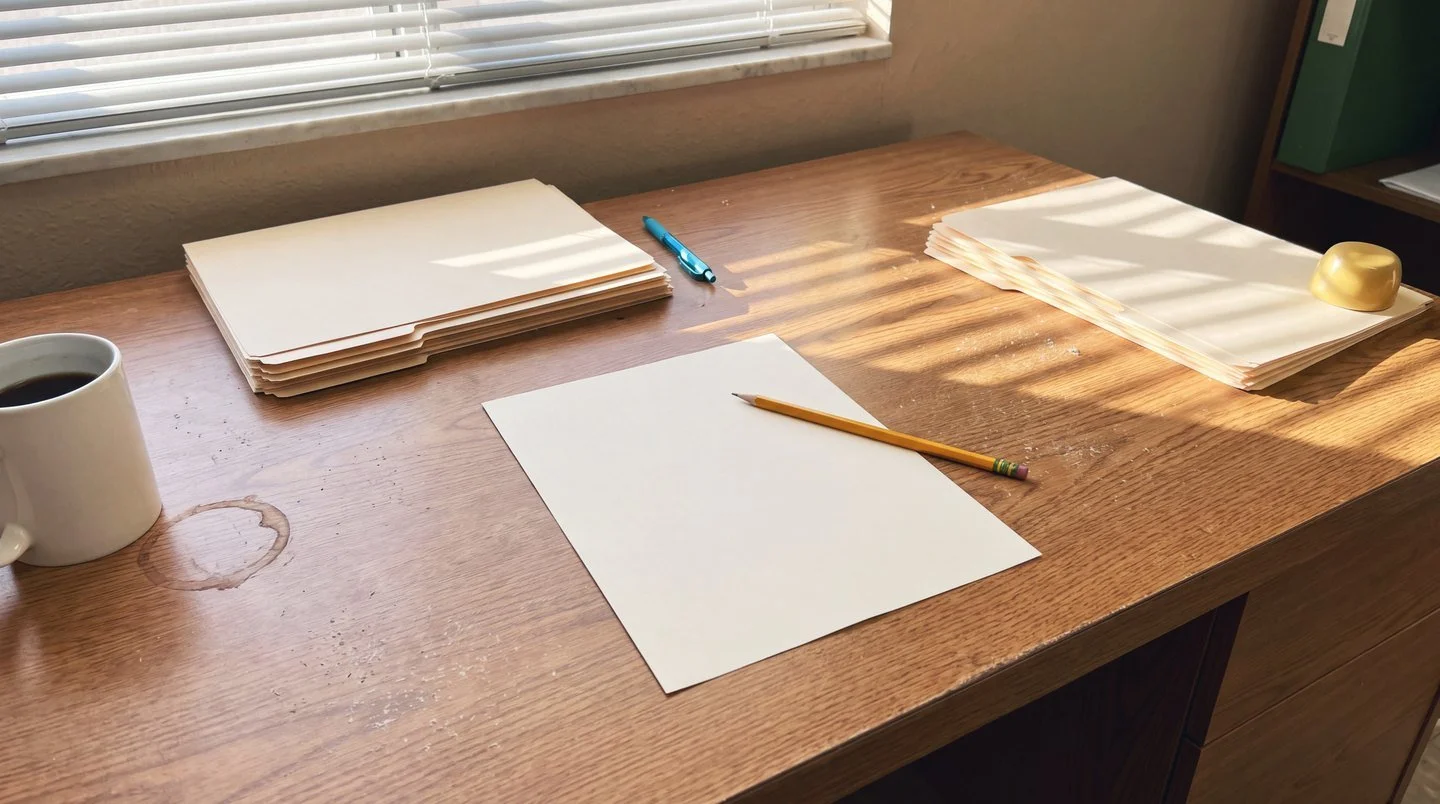
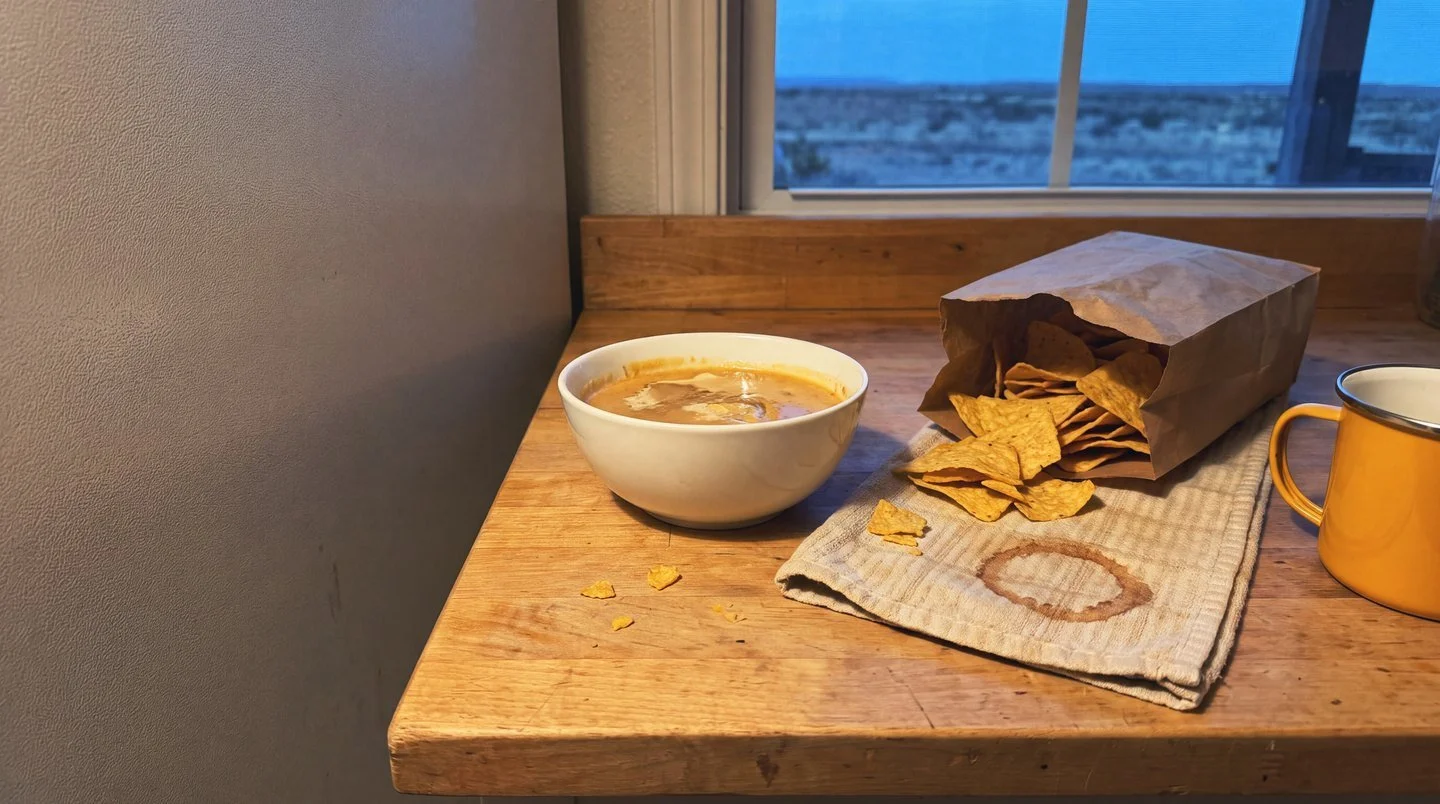
Customers already shoot it that way. They don't know another way. That Pin of your chips next to a bowl of queso, sitting on a dish towel with a coffee ring on it, is the ad. Your agency keeps trying to fake the same shot with a stylist, a light kit, and a full day of setup.
A small brand can't outspend a big one on production. Now it doesn't have to. The proof that a stranger likes your product already exists, shot on a phone in bad light. Pinterest just sold you a way to put money behind it.
Where brands blow this
The mechanism lets you skip the human. Don't.
A creator who opens an email to find a brand running their Pin as an ad, with no hello and no check, now has a post to write about you. On their own feed. With your bag in the photo. You bought reach and got a complaint with better distribution than your ad.
And if they hit decline, or flip that account-level switch, you lose the Pin and the goodwill in the same afternoon.
What to do this week
Pull up Pinterest at 5:40 on a weeknight and type what the shopper types. Your product name. Your brand name. The dish they make with it. Those are the words that hit the bar when dinner's late.
Sort for the Pins shot in somebody's actual kitchen. A tailgate outside Kyle Field. A picnic table with the paint coming off. Skip anything that looks staged. You already own plenty of staged.
Message the creator before you promote anything. Say what you liked about the Pin, say you want to put budget behind it, and offer to pay them for it. If you'd pay a stranger to make content, pay the person who already made it for free.
Boost the one Pin that's already winning. Small budget. Watch the saves and outbound clicks before you scale a dollar more.
Then go back to the creator with the result. A home cook whose Pin sold your product is the start of an ambassador roster, and you found them for the price of a search. Treat your organic social media content, yours and your customers', as the casting call for your paid budget.
Meta already put a search bar between the creator and the brand for discovery. Pinterest just did the same thing for the ad budget. And since nobody can price a creator post with any confidence, the brand that offers money first gets to set the terms. That's the same reason I tell food brands to grade the feed, not the follower count. The work your customers do for free is the number worth watching.
Big Food can buy a better studio. It can't buy the Pin your customer shot in their own kitchen unless it asks. Ask first, pay fair, and the best ad in your category might already be sitting on somebody's board. If your food and beverage marketing agency hasn't searched Pinterest for your product yet, start there before you book the next shoot.
If you want help finding and signing the customers already making your ads, message me on LinkedIn.
adage, emmy, telly & webby award-winning digital marketing consultant for purpose-driven food & beverage brands.