Victoria's Secret Paid Its Fans in Front-Row Seats. Your Food Brand Can Pay Yours in Cases.
Victoria's Secret put on its fashion show in Los Angeles on Sunday night, October 18. It streamed on YouTube and the brand's own social channels, and for the first time the brand followed it with a TikTok Live. The theme was "Fandemonium." Fans could win seats through the Weekly Ticket Drop, a contest the brand ran every Thursday across its social accounts.
Most coverage treated that part like decoration. It's the whole story.
The program under the runway
Glossy laid out the machinery back in June. Victoria's Secret runs the VS and PINK Creator Program through an advocacy platform called Duel. It has grown past 16,000 members since it launched in October 2023, and it's built to find and reward people who already love the brand, rather than recruit creators for one paid campaign at a time.
The rewards climb with the tier. Higher affiliate commissions, gift cards, features on the brand's social channels, invitations to events. Top advocates got seats at the 2025 show. This year the brand turned the whole run-up into a content series: a nationwide search for a new Angel, castings staged in malls in Los Angeles, Miami, Houston and the Chicago area, and the ticket drops.
Duel's CEO, Paul Archer, told Glossy that the people with a few thousand followers are often the biggest drivers of income for big brands, and "they're never the ones that the brands pick." I've watched that happen for twenty years. The influencer a brand would pay for and the customer who actually sells the product are usually two different people.
Where it went sideways
The mall castings were built to be filmed. Runways in the atrium, judges at floor level, shoppers watching from the balconies. Applicants walked away with footage to post. Then a critical TikTok about it drew about half a million views, and the commenters asked the obvious question: was this a real path to the runway, or a marketing activation wearing a casting call's clothes?
That's the line every fan program walks. Reward the people who already show up and they'll keep showing up. Dress a content grab up as an opportunity and those same people call it out in the comments, where everybody else can read it.
I ran this play on a mineral water
In September 2013 I was running social for Topo Chico, which was then a Mexican mineral water just turning its attention to the wider U.S. market. On September 24 the client's marketing manager emailed me. The Instagram had hit 1,000 followers, and he asked whether we should celebrate. I told him I'd make a graphic for it.
The plan was already on paper. One network at a time. Post like a fan, not a marketer. My 2015 deck said it clean: "Encourage fans to create content and reward them for it." We reposted fans, answered every message by hand, and stuck their photos wherever they'd fit.
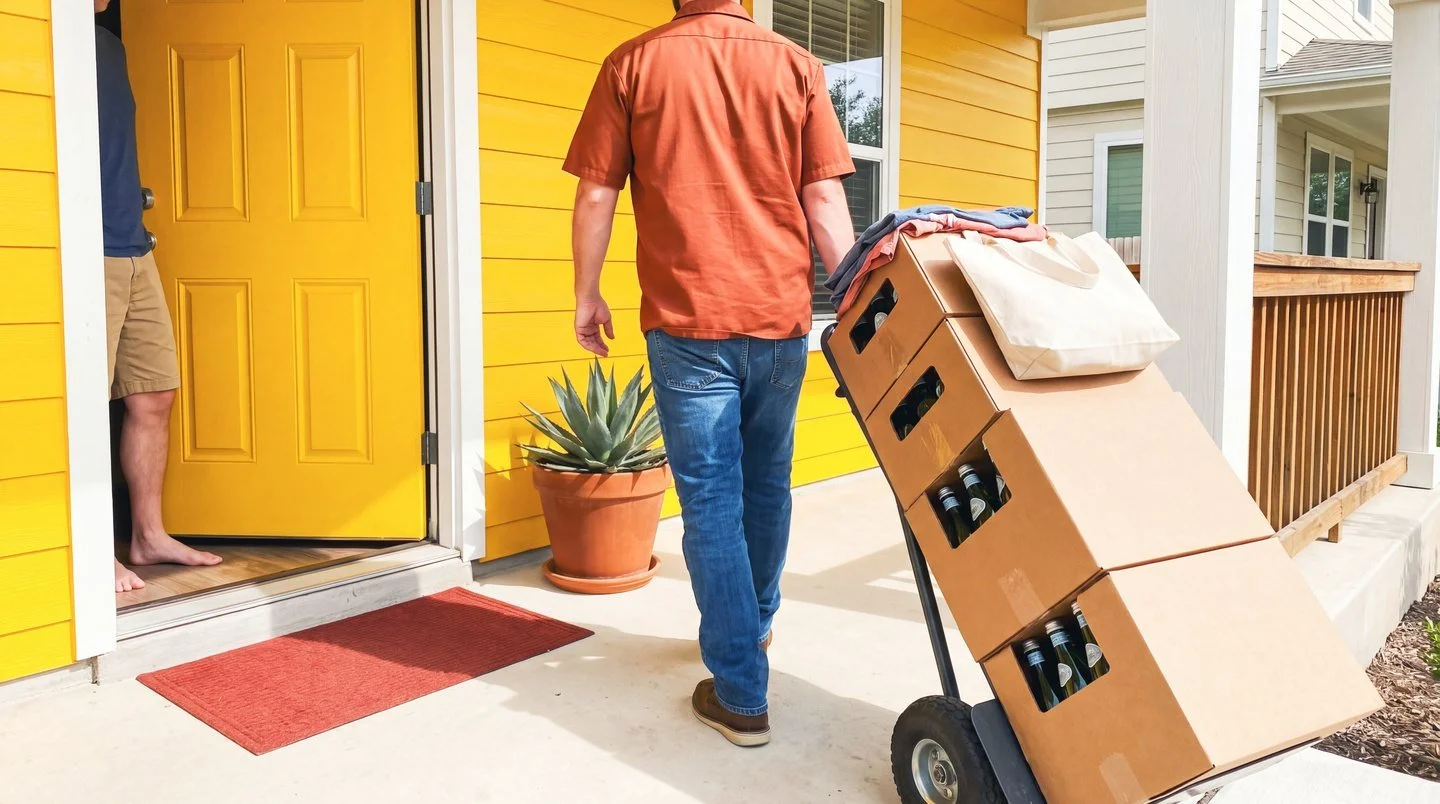
On November 20, 2020, we hit 100,000 followers on Instagram. We picked that follower, a guy in Southern California, and had the brand's field marketing manager in San Diego set up a delivery of 10 cases of Topo Chico and some swag. By May 2023 the account was at 142,000.
That was the whole budget line. Product we'd already made. A rep we'd already paid. One follower who chose to be there.
What a food brand should copy, and what it shouldn't
Victoria's Secret has a fashion show to give away. You don't. You have something better for this job: a product people put in their mouths, a kitchen or a plant they've never seen, and a founder who answers the phone. That's the story big food can't fake, and organic social media marketing is mostly the work of handing it to the people who already like you.
Start with the list. Pull every tagged post, every mention and every review from the last six months, and write down who posts about you without being asked. That list is your creator program. Most small brands have never looked at it.
Pay in what only you can give. A case of product delivered by somebody from the brand. First pour of a new flavor. A seat at the production run. Their name on a batch. Cash and affiliate codes still have a place, and if you want a clean way to think about that, pay customers before you promote their posts. The rewards people talk about are the ones money can't buy at the store.
Put the winners on your feed by name. With permission. A reward nobody sees only works once.
Victoria's Secret castings got picked apart because people couldn't tell if the opportunity was even real. Run a contest and you name the prize, who won it, and when it shipped. Keep the prize real. Don't leave room for the question.
Then measure it the way Victoria's Secret says it does, on sales and loyalty, not likes. Track the codes, the repeat orders and who keeps posting after the reward lands.
If you're vetting a food and beverage marketing agency for next year, ask who on your current customer list they'd reward first. If they answer with a rate card for influencers you've never heard of, keep looking.
I build fan programs like this for a handful of food and beverage brands. If yours has customers posting for free and nobody thanking them, DM me.

adage, emmy, telly & webby award-winning digital marketing consultant for purpose-driven food & beverage brands.