Uncle Matt's Turned Its Orlando Magic Deal Into a Lemonade. Make Your Next Sponsorship Something Fans Can Hold.
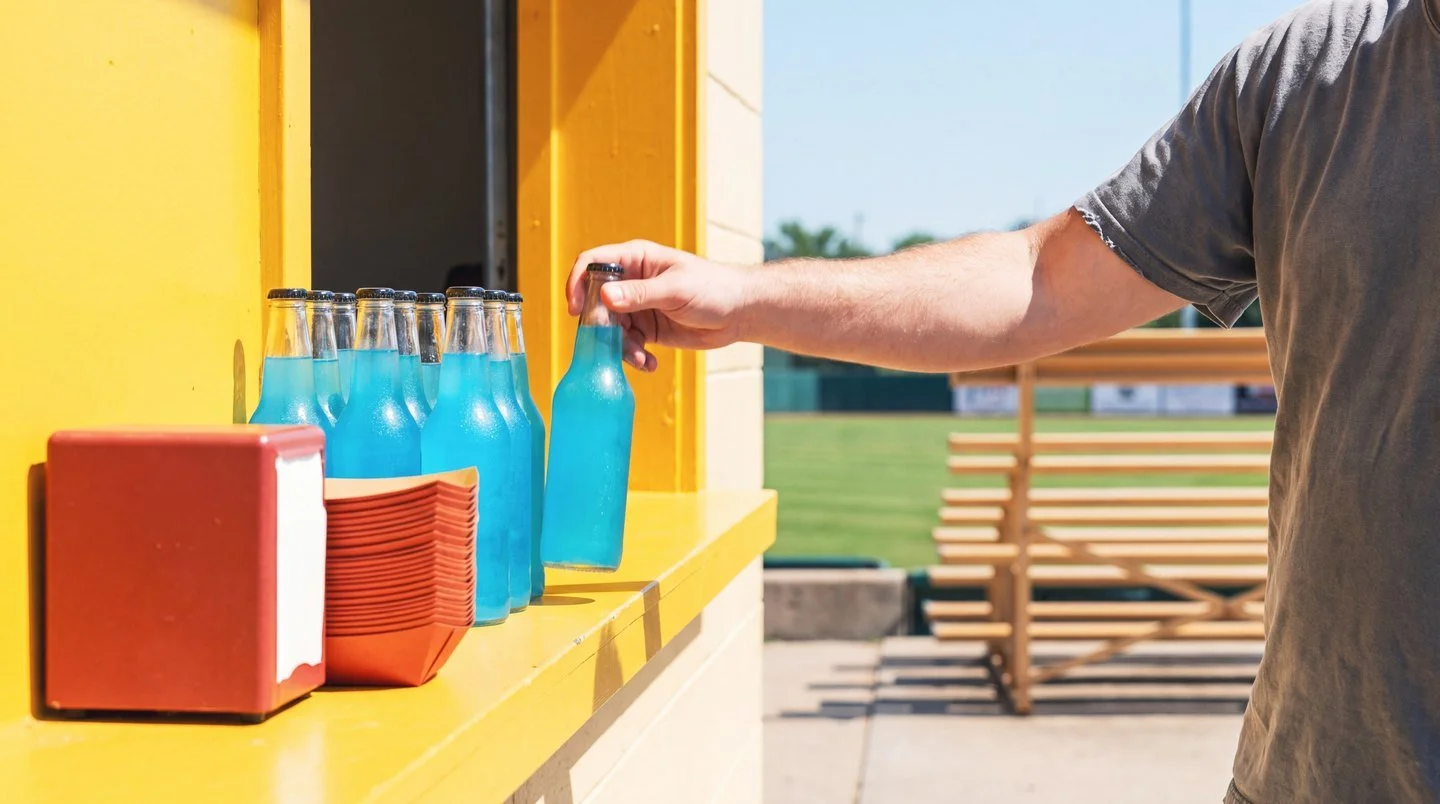
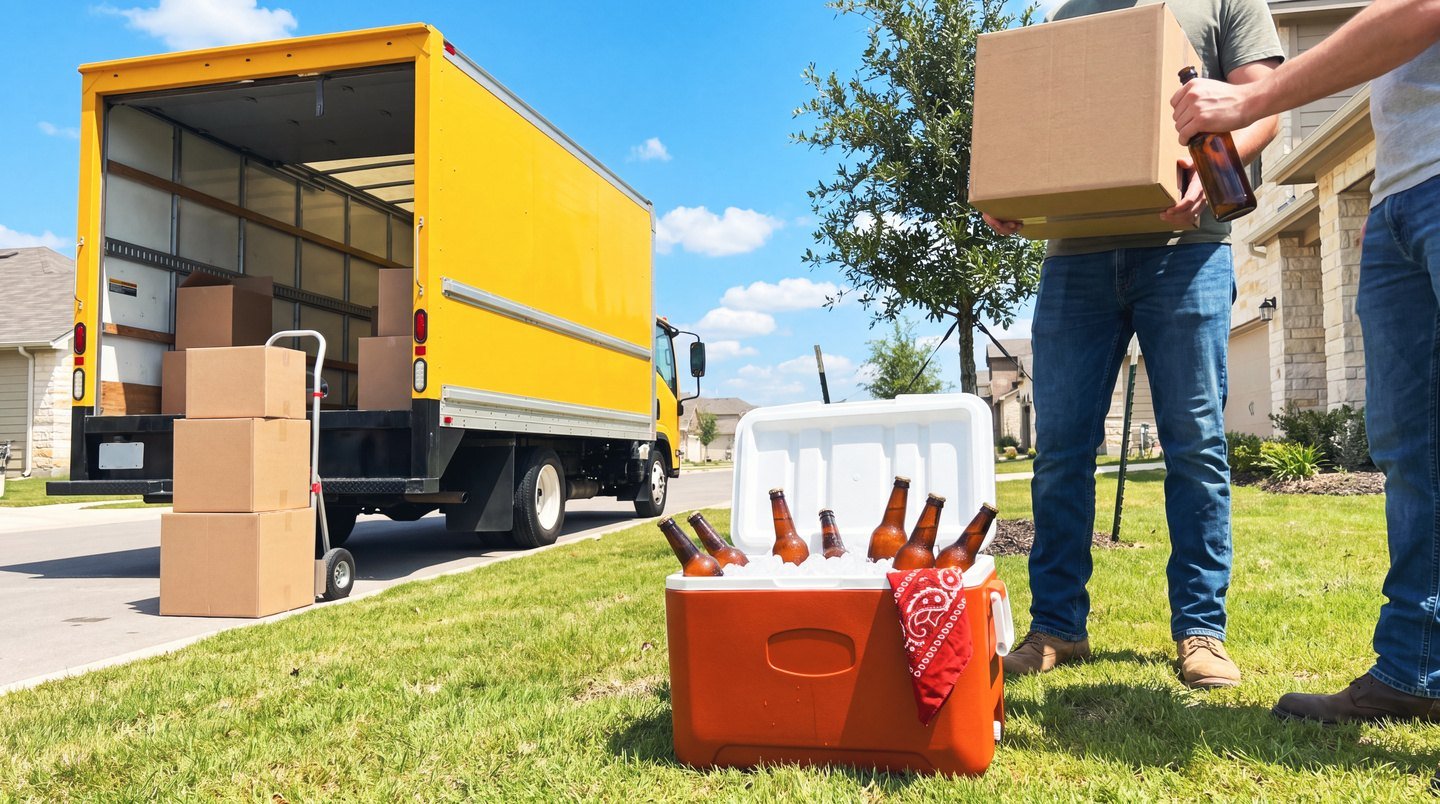
Uncle Matt's Organic pours the orange juice at Orlando Magic games. On October 28 it turned that deal into a product, a 12-ounce Magic Lemonade dyed blue with spirulina, sold in the arena and at select Florida Publix stores. That's the smartest way a small food or beverage brand can spend sponsorship money: on something fans buy, hold and photograph.
Data current as of October 29, 2026
What did Uncle Matt's actually launch?
Uncle Matt's Organic is a Clermont, Florida juice company started by Matt McLean, a fourth-generation Florida citrus grower, and it sells organic juices and lemonades in grocery stores nationwide. In September 2025 it signed a multi-year partnership with the Orlando Magic that put its juice on sale inside the Kia Center, its name on the basket stanchion signage and LEDs, and made it the presenting partner of Stuff's Magic Castle, named for the team mascot.
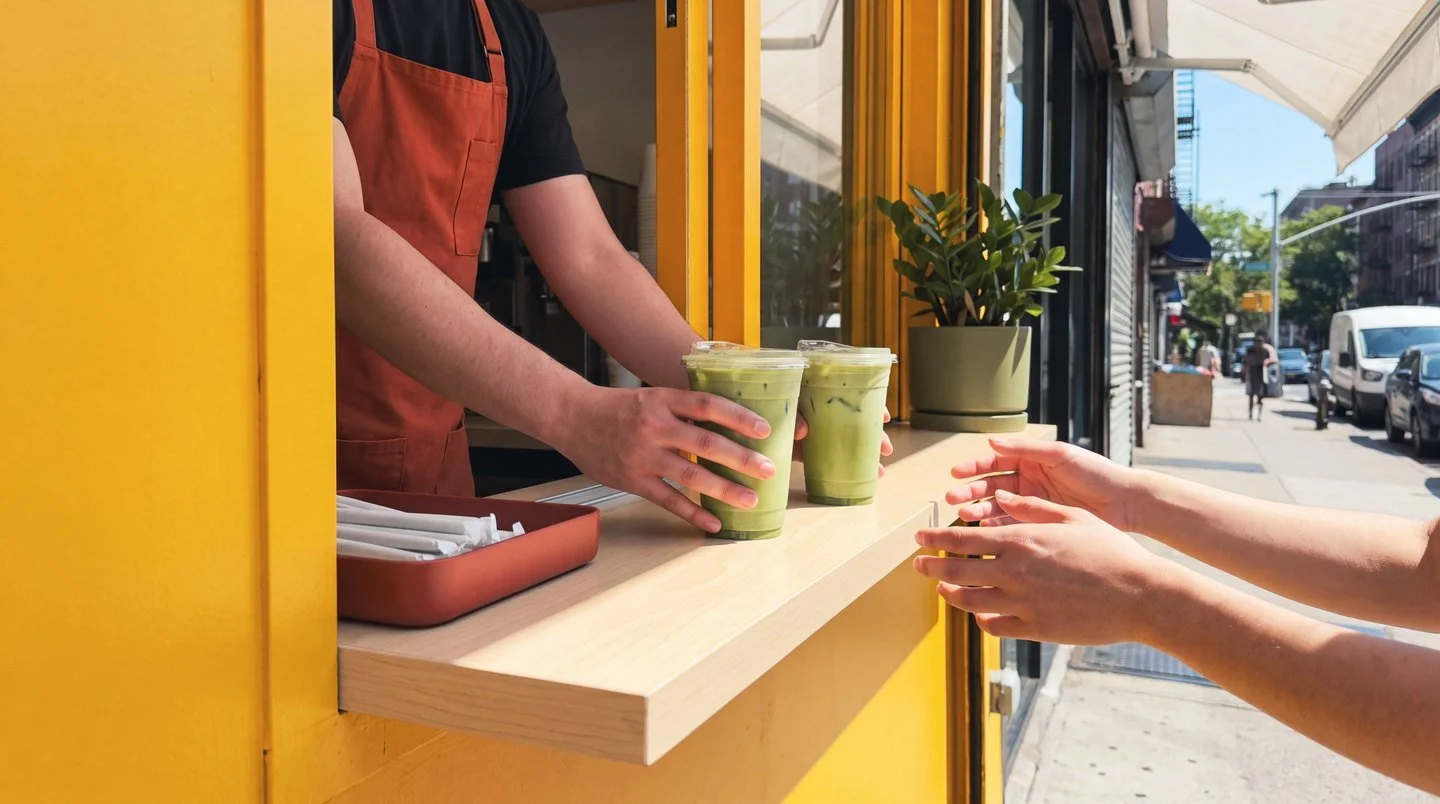
That was the standard package. The new part landed this week. Beverage Industry reported on October 28 that Uncle Matt's Organic now sells Magic Lemonade, its organic lemonade turned Magic blue with spirulina instead of artificial dye. It's 40 calories and 8 grams of sugar a bottle, USDA certified organic, non-GMO and certified Glyphosate Residue Free by The Detox Project. You can buy it at the Kia Center and in select Publix stores throughout Florida.
"We've been proud to be the Official Orange Juice of the Orlando Magic, and Magic Lemonade felt like the natural next step," Susan McLean, vice president of marketing and innovation at Uncle Matt's Organic, said in the company's statement.
The deal in numbers
- The Magic partnership was announced in September 2025 and runs multiple years.
- The deal took about six months to negotiate, Susan McLean told FOX 35 Orlando.
- Magic Lemonade comes in a 12-ounce bottle with 40 calories and 8 grams of sugar.
- It sells in two places as of October 2026: the Kia Center and select Florida Publix stores.
Why is a bottle worth more than a stanchion sign?
Because a sign gets seen for a few seconds and a bottle gets carried around for an hour. Nobody posts the stanchion. Somebody might post a bright blue drink held up in front of the court, and when they do, the Uncle Matt's label rides along into a feed the brand never paid for.
The bottle also keeps working after the game. A parent who bought one at the arena sees the same blue in the Publix cooler on Tuesday, flips it over, and finds no artificial dye on the label. That's a sale the sponsorship made, at a shelf, days later. A scoreboard ad can't do that.
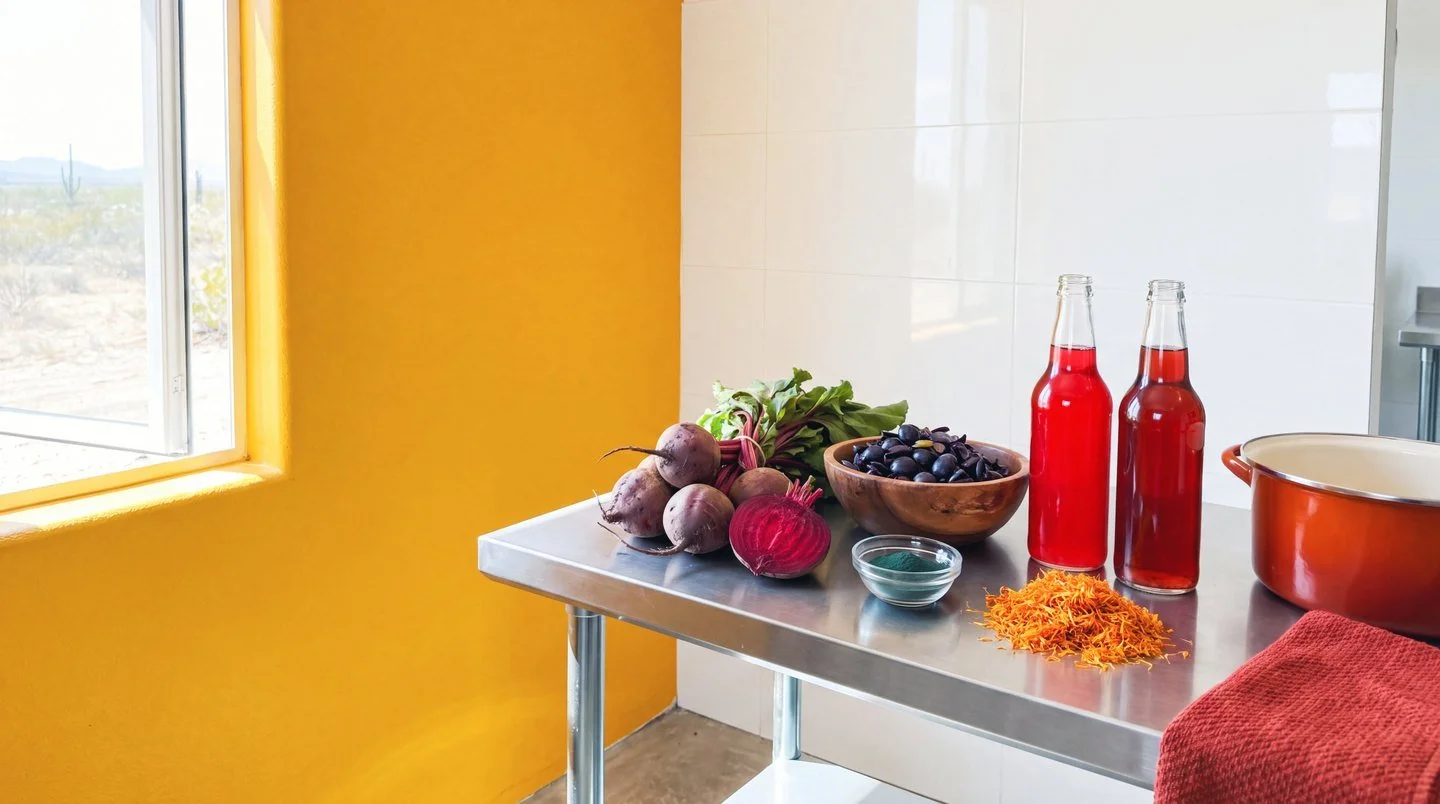
The color's doing double duty. Shoppers are walking away from synthetic dyes, and Beverage Industry noted it in the launch story. I wrote about that squeeze when natural color supply got tight for food brands. A team color made from spirulina answers the question before anyone asks.
What did I learn running sponsorships for a beverage brand?
I spent years running social for Topo Chico while it worked the festival circuit, Lollapalooza, SXSW, ACL and a long list of smaller stages. At Lollapalooza 2015 I walked the grounds and ordered the product by name at every bar and concession stand. About 40 percent of the people selling it didn't recognize the name. The brand was paying to be there and the people pouring it couldn't sell it.
The program that worked best never had a banner. The Yellow Guitar was a bright yellow instrument loaned to working musicians who posted what they made with it. By the time we wrote it up, it had gone out on 62 loans, produced just over 100 posts, and had artists on a 14-month waiting list to borrow it. We'd figured it would last a year. A physical thing in the hands of people who already liked the brand outperformed every logo we bought.
Later, during one season between December 2020 and June 2021, 287 regional partnership requests came through the brand's sponsorship form. I read them with one question in mind: what would people at this thing hold, drink and post? The requests that couldn't answer it were asking for a banner.
What should a small food or beverage brand do with a local team?
Skip the NBA. Uncle Matt's spent six months on its deal, and you don't need a pro franchise to copy it. Start with the minor league ballpark, the college program, or the Friday night high school game that empties the whole town.
Ask the team what you could make together. A limited flavor in team colors. A seasonal snack sold at the concession stand and at the one regional grocer everybody in town shops. Uncle Matt's picked one arena and one grocery chain. Two doors is enough if they're the right two.
Make it easy to photograph. One bright color, a simple label, the team colors doing the shouting. Shoot it yourself in the stands on game night so you have your own organic social media content before fans post theirs, and plan that capture before the gates open.
Count the posts. Count the bottles that left the stand. Check if the grocery store reordered. If you can't put a number on it, you bought a banner. A food and beverage marketing agency selling you one should have to explain why.
The fans you want aren't strangers. They're the people who already show up, which is the same reason I'd pay your existing fans in product and access before buying an influencer. An independent brand that makes real food can put its story in somebody's hand at a ballgame. Big food buys the sign.
I build the capture plan before every sponsorship I touch. If you're about to sign one, message me on LinkedIn first.
adage, emmy, telly & webby award-winning digital marketing consultant for purpose-driven food & beverage brands.