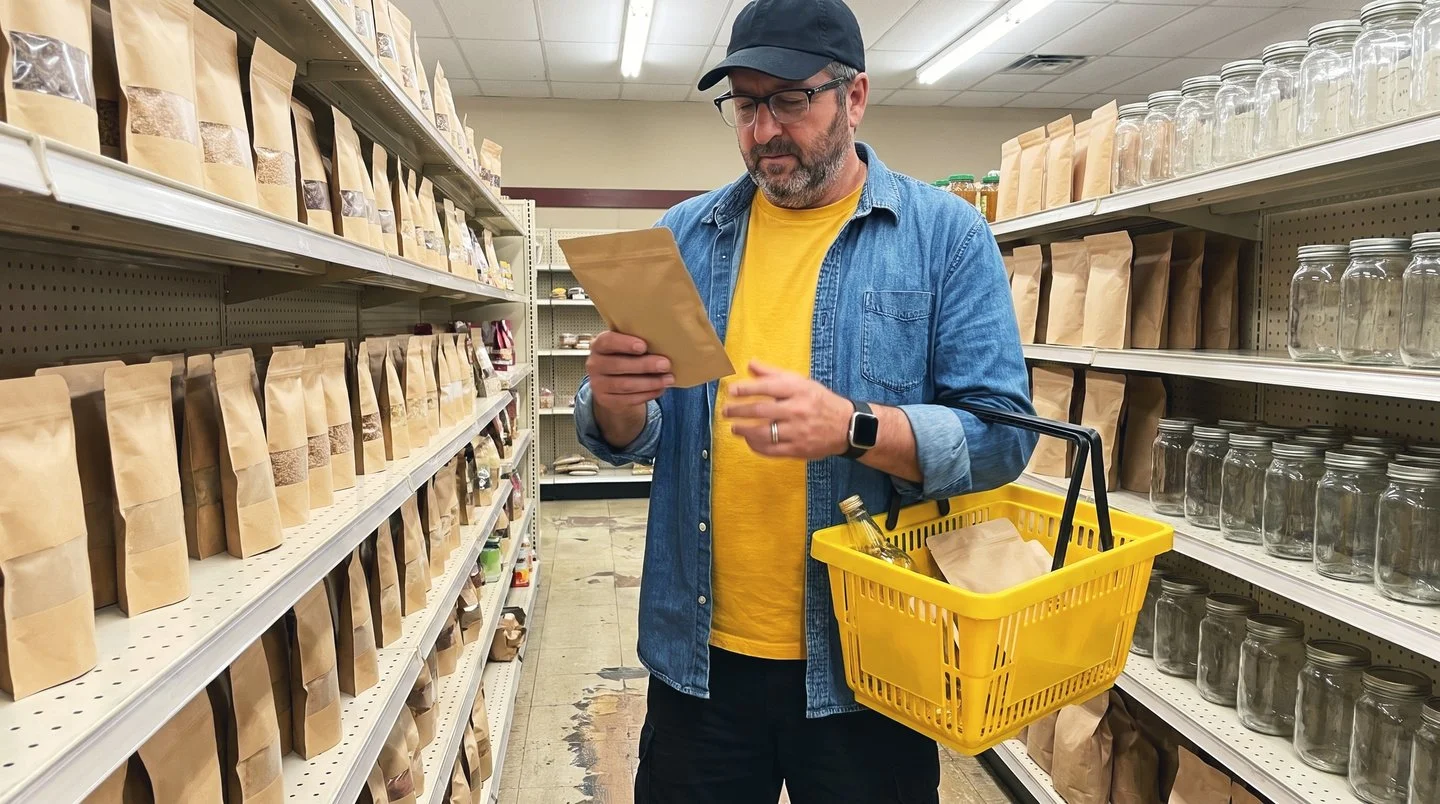
Social media for clean-label food and beverage brands: answer the label readers first
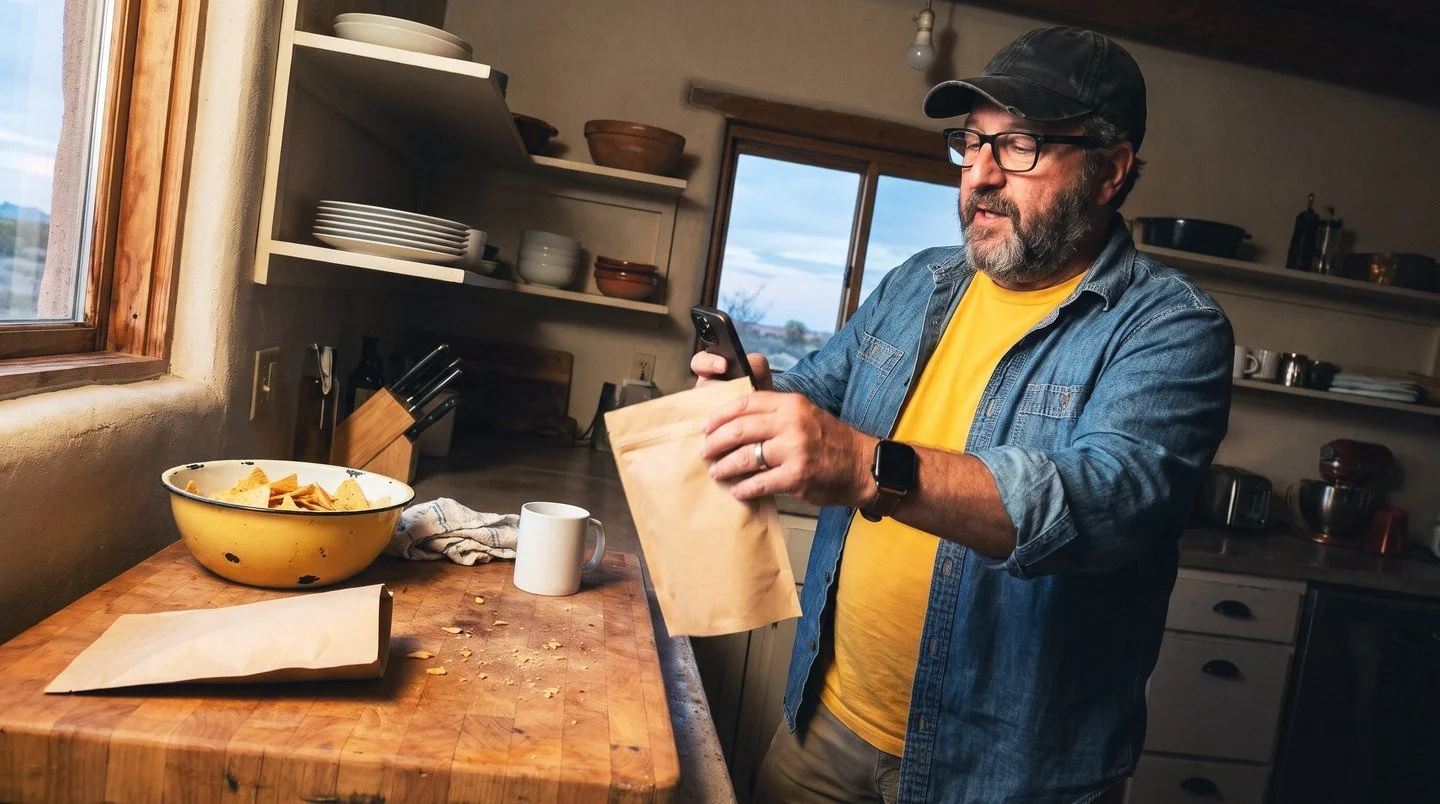
Social media for clean-label food and beverage brands works when the brand answers the label readers before they film the package. In 2025, 48 percent of Americans told IFIC they check the ingredients list, and on Instagram the people turning that habit into reels are mostly creators with no product to sell. Write the feed for them first.
Updated November 9, 2026
What to take from this
- On November 9, 2026, Google ranked an Instagram grid of label-reading reels second for this exact search, and no caption on it read like a food brand talking about its own product.
- The 2025 IFIC Food and Health Survey found 48 percent of Americans check the ingredients list, up from 40 percent in 2015.
- A label reader will film your package whether you show up or not. The brands that win already have the answer posted.
- Your first 90 days should go to an answer library, a short list of label readers who already buy you, and a response plan for the day one of them gets it wrong.
Who is running the clean-label conversation on social right now?
Label-reading creators run it, and brand accounts are mostly missing. I pulled the Google results for "social media for clean-label food and beverage brands" on November 9, 2026. My own posts hold the first and third spots. The second spot belongs to an Instagram "popular" page that collects reels about clean-label brands.
That page is worth ten minutes of any founder's time, because it is the shelf talk your shopper hears before she ever gets to the store. Twelve reels sat on the grid when I read it. A creator walking through what she checks on a package, marketing claims against the ingredient list and sugar hiding under other names. A reel comparing long ingredient lists to short ones with a count of 3,067. Recall update accounts. A Texas warning label debate. A creator at Natural Products Expo talking about the Clean Label Project booth. The biggest tile carried a 317K count and made a claim about sourcing changing after big companies buy small health brands.
Not one caption sounded like a food brand talking about its own product. The category conversation is already live in public, it ranks on Google, and the people with the most to gain from it still aren't in the room.
Why do label-reader creators beat brand accounts on social media for clean-label food and beverage brands?
They win because they hold the one thing a brand account can't hand itself. A reputation for having no reason to lie. A shopper watches a mom read a label in her pantry and trusts that mom more than she trusts the bag.
The numbers say that habit keeps growing. The 2025 IFIC Food and Health Survey found 48 percent of Americans check the ingredients list, up from 40 percent in 2015. The same survey asked people who knew the term "ultraprocessed food" how they'd decide if a product fit it. Fifty-three percent said they'd read the ingredients list. Only 11 percent said they'd use a food app.
So the label is the test, and the label reader is the proctor. Most clean-label brands I see on Instagram post the bag on a marble counter, a smoothie bowl, and a sale graphic. None of that answers a question a label reader asks. The feed looks fine and does nothing when a creator with 40,000 followers holds your package up to her camera and squints at line six.
I've written before about why credibility beats follower counts for clean-label brands and about treating your comment section as the new back panel. This piece goes one step earlier, to the people who start those comment threads.
What does a label reader check before filming your package?
A label reader checks the gap between what the front of the package promises and what the back of the package says. That gap is the whole genre. Most of the food reels on that grid are some version of "the front says one thing, the list says another."
Here's what they're looking for. Have the post up before anyone asks.
| What the label reader checks | What she says on camera | The post you should already have up |
|---|---|---|
| Sugar hiding under another name | "Three kinds of sugar in a health snack" | Every sweetener on your panel, named, with why it's there and how much |
| Natural flavors | "Nobody can tell you what that means" | What your natural flavor is made from, as far as your supplier will let you say |
| Oils and fats | "Why is this oil in here?" | The oil you use, where it comes from, and what you tried before it |
| Gums, starches and thickeners | "I can't pronounce line seven" | A 30-second video of what the product does without it |
| Front-of-pack claims | "Clean is not a regulated word" | Each claim on the front, with the certificate or test behind it |
| Ownership and sourcing | "Did they change it after the buyout?" | Who owns you, who makes it, and what has changed since launch, with dates |
That last row is the one most founders want to skip. It's also the one getting the 317K count on the grid. If you sold a stake, switched co-packers, or changed a supplier, say so on your own feed with the date, before a stranger says it for you.
How should a clean-label brand work with label-reading creators?
Find the label readers who already buy you, send them the paperwork, and never write their script. That's the whole method, and the order is the point.
- Search your brand name plus "ingredients" on Instagram and TikTok, and save every video where someone has filmed your package. Done when you have a list with the creator, the date, the view count and whether they liked what they read.
- Sort the list by who already buys you without being paid. Those are your first calls. Done when you have five names or fewer, each with a reason they'd say yes.
- Send each one the spec sheet, the certificates and a sample, with a note saying they can say whatever they find. Done when every package left your office without talking points in it.
- Pay for usage rights on the videos that work, with the deal disclosed the way each platform requires. Done when the reel runs on your account with the creator credited and the paid relationship labeled.
- Post your own answer library alongside it, one claim per post, with the paperwork on screen. Done when every row in the table above has a post you can link in a reply.
Step 3 is the one that scares brand teams. Letting a creator say anything she finds feels like handing over the keys. It's the only version that works with this audience, because label readers spot a scripted review in about two seconds and their followers spot it faster. I covered why nobody can price a creator post in another piece. The short version for clean-label brands: the creator worth paying is the one who'd have filmed you anyway.
The same thinking shows up in picking creators who already drink you. Fans who already buy your product make better partners than strangers with bigger numbers, and in clean label that goes double, because the audience is checking whether the creator means it.
What do you post when a label reader gets your product wrong?
Post the paperwork, in public, within a day, and thank them for reading the label. A label reader who gets your sweetener wrong is doing you a favor. She found the one place your packaging failed to explain itself.
Reply under her video with a short clip: you, the panel, the certificate, and one sentence on what the ingredient does. Don't ask her to take it down. Don't send a lawyer. The other label readers watching that thread are deciding whether you're the kind of brand that hides or the kind that shows its work, and that decision travels.
The rules around your label keep moving, which makes this harder to fake. Texas passed SB 25 in June 2025, requiring a warning on foods with any of 44 listed ingredients for labels developed on or after January 1, 2027. On February 11, 2026, a federal judge in the Western District of Texas blocked enforcement of the warning requirement for members of the four trade associations that sued, and the case is still going. Label readers made reels about that ruling within weeks. If your product has one of those ingredients, your shoppers in Texas already know, and your feed should say so first.
Who should run this for a clean-label brand, and what does it take?
Someone who can read a spec sheet and talk to a creator like a person should run it, whether that's an employee, an agency or a consultant. The title counts for less than whether they can do both.
The first 90 days look different depending on who's running it.
| Who runs it | What they're good at | Where it breaks |
|---|---|---|
| In-house coordinator | Knows the product, answers fast | Usually can't get the certificates out of operations without the founder pushing |
| Big agency | Polished production, media buying | Writes scripts for creators, which label readers can smell |
| Independent consultant | Builds the answer library and the creator list, works direct with the founder | Needs someone inside to post replies daily |
Any of those can work. The founder has to be in it either way, because the founder is the one who can say "yes, we changed suppliers in March, here's why" on camera without a three-week approval loop.
I won't put a dollar figure on it here, because the honest range depends on how many SKUs you have and how much paperwork already exists. Ask anyone you're thinking of hiring three things. Can they read your panel and tell you which line a label reader will film first? Have they worked with creators without writing their script? And what will they post the day someone gets your product wrong? If they can't answer those, keep looking. Building that answer library and that creator list is the first thing I do in a clean-label social media program.
Is the label-reader approach worth it for a small brand?
Yes, and small brands have the advantage. A brand with one co-packer and a founder who answers DMs can post the paperwork today. A brand that sits inside a big company needs legal to sign off on a reply.
The Good Food Collective, a nonprofit coalition of food brands that launched in July 2025 with GoodPop, LesserEvil and Quinn among its members, built its whole pitch on label transparency. GoodPop founder and CEO Daniel Goetz put it on the coalition's site: the food industry "should be working to help, not hinder." You don't have to join a coalition to act on that. You have to post the answers before you're asked.
When a clean-label claim goes generic on the shelf, the label reader is who decides which brands still mean it. Give her something to film besides the front of the bag.
FAQ
What is social media for clean-label food and beverage brands?
It's a social program built around proving what's on the label, aimed at shoppers who read ingredient lists before they buy. The core is an answer library, one post per claim or ingredient with the paperwork on screen, plus a small group of label-reading creators who already buy the product. Polished lifestyle posts can sit on top, but the proof posts do the selling with this audience.
Is clean label legit, or is it a marketing term?
Clean label has no single legal definition in the United States, so the word on its own proves nothing. What makes it legit for a brand is the evidence behind each claim: certificates, third-party tests, supplier documents and a short ingredient list you can explain line by line. Label readers know the word isn't regulated, which is exactly why they check the back of the package before they believe the front.
Should a clean-label brand pay label-reading creators?
Pay for usage rights on videos that already work, and disclose every paid relationship the way each platform requires. Don't pay for a review you've scripted. Label-reading audiences follow those creators because they say what they find, so a scripted review hurts both the creator and your brand. Start with creators who already buy your product, send them the paperwork, and let them decide what to say.
How do you respond when a creator criticizes your ingredients?
Respond within a day, in public, under their video, with the paperwork on screen. Thank them for reading the label, show the panel and the certificate, and explain in one sentence what the ingredient does and why you use it. Never ask them to take it down and never threaten them. Other shoppers are reading that thread to see whether your brand hides or shows its work.
Which platform should a clean-label brand start on?
Start on Instagram, then add TikTok once your answer library has a format that repeats. Google ranked an Instagram page of label-reading reels second for this search on November 9, 2026, so Instagram reels already show up where buyers search. Both platforms reward a phone video of someone reading a package. Pick one, post the proof for every claim on your label, and expand after 90 days.
What to do this week
Search your brand name plus "ingredients" on Instagram tonight and watch every video that comes up. Write down the line on your panel each one stopped on. That list is your first month of posts.
Want that list turned into a feed label readers trust? DM me on LinkedIn.

adage, emmy, telly & webby award-winning digital marketing consultant for purpose-driven food & beverage brands.