cleanlabelbrands

Social media for clean-label food and beverage brands: answer the label readers first

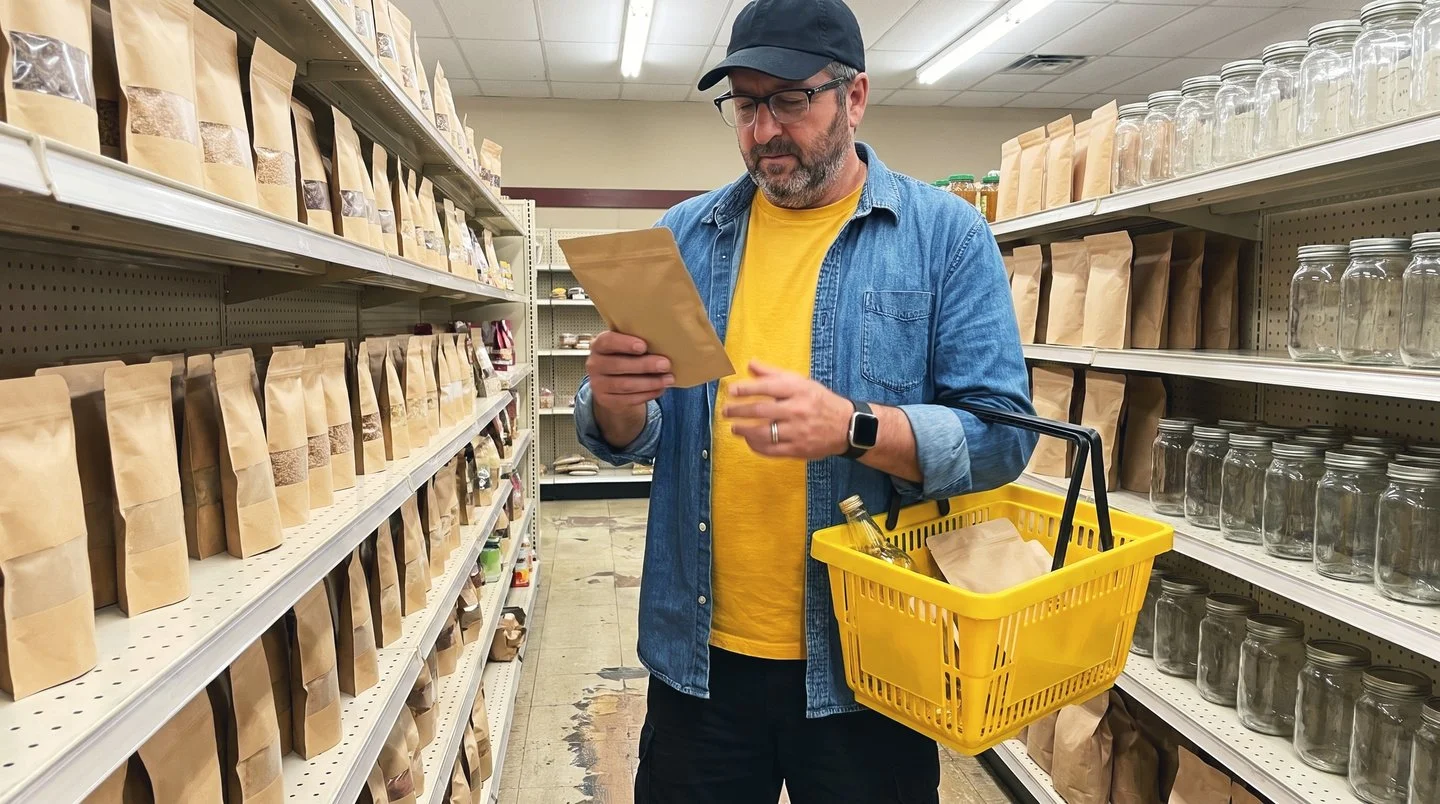
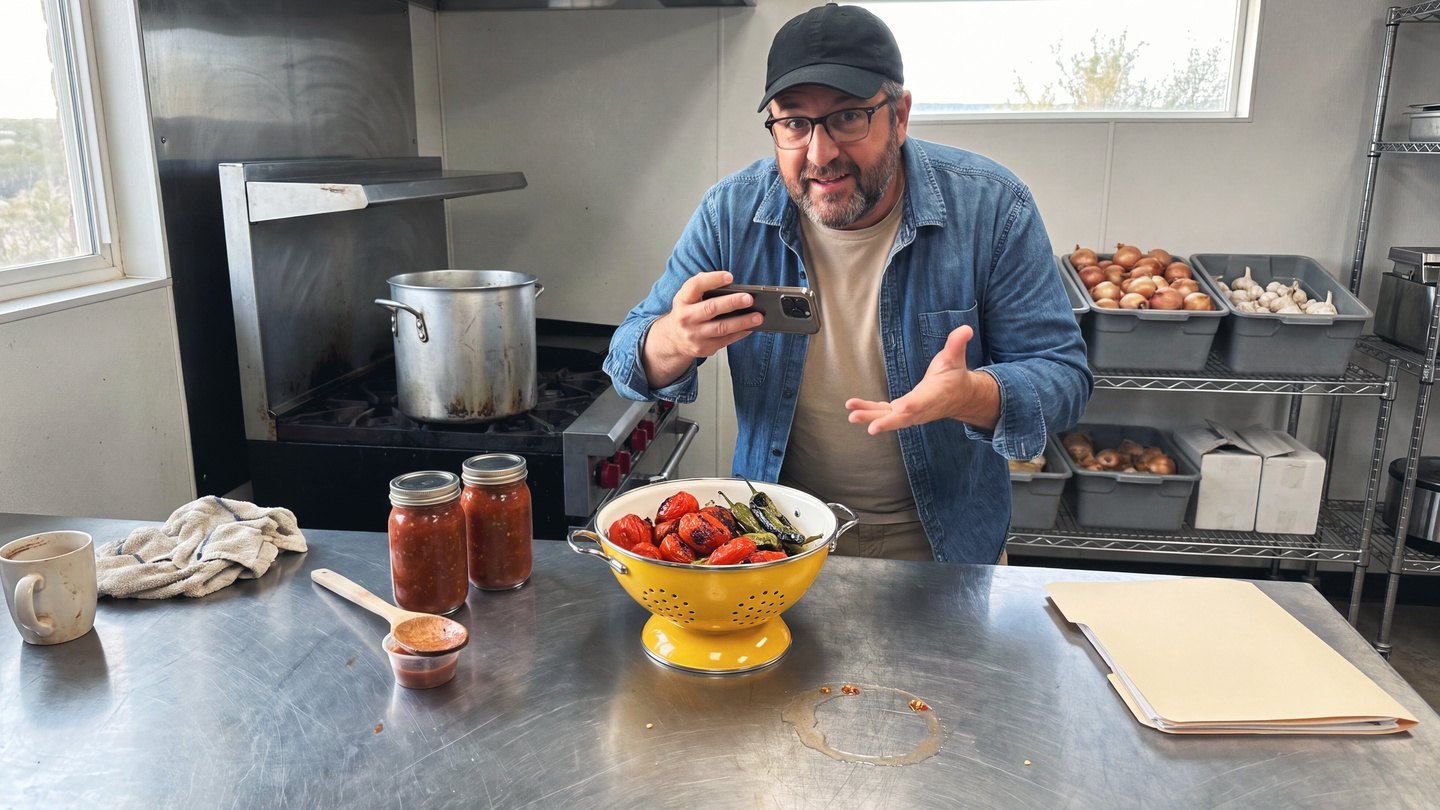
Social media for clean-label food and beverage brands works when the brand answers the label readers before they film the package. In 2025, 48 percent of Americans told IFIC they check the ingredients list, and on Instagram the people turning that habit into reels are mostly creators with no product to sell. Write the feed for them first.
Social media for clean-label food and beverage brands: answer the label readers first

Brand storytelling for clean-label food and beverage brands: write it in episodes

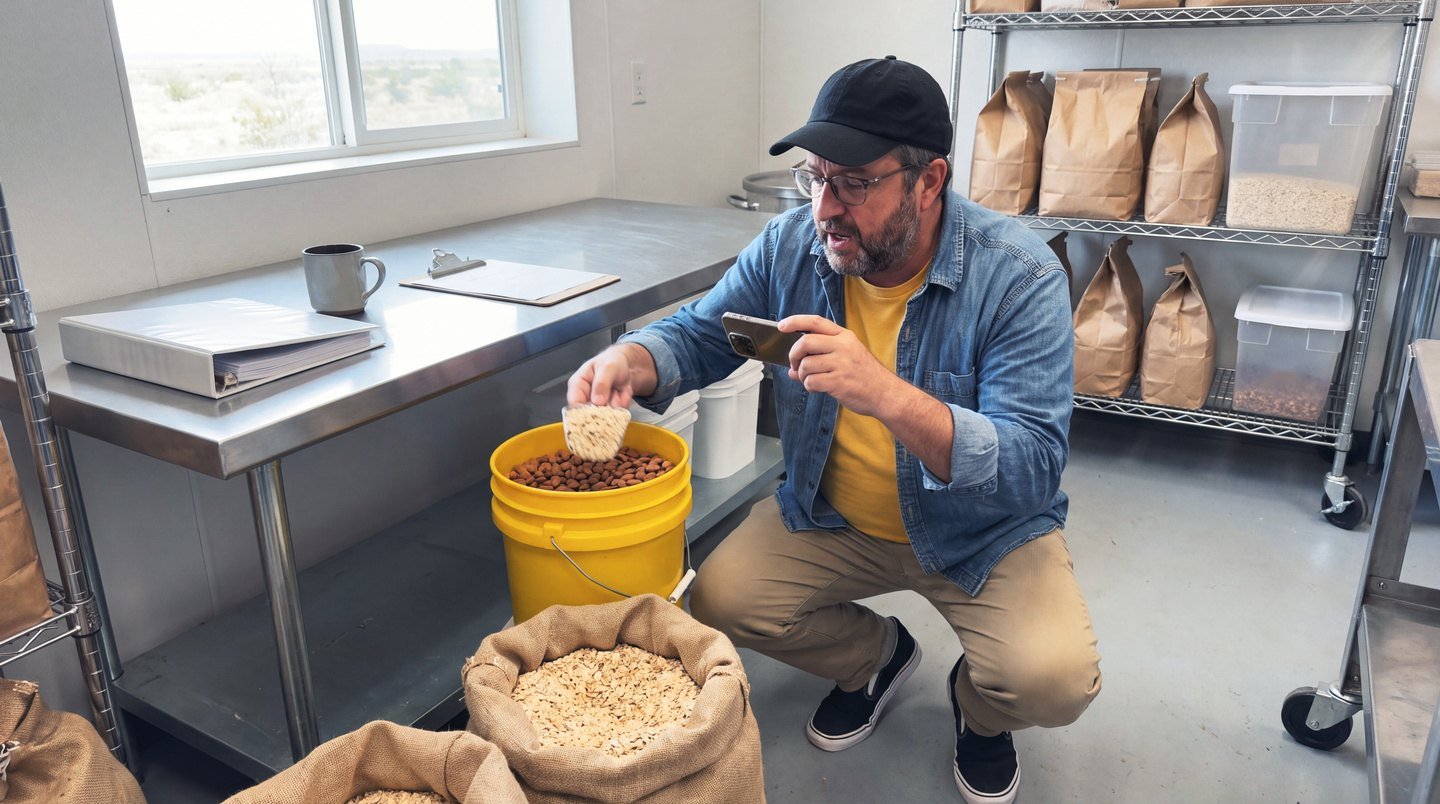
Brand storytelling for clean-label food and beverage brands works best as a series, with the same few people and places coming back every week. One launch video can't carry a six-ingredient label for a year. Twelve short episodes can, and they give a shopper a reason to trust every line on the back of the bag.

Brand storytelling for clean-label food and beverage brands: write it in episodes

Content creation for clean-label food and beverage brands: film the texture

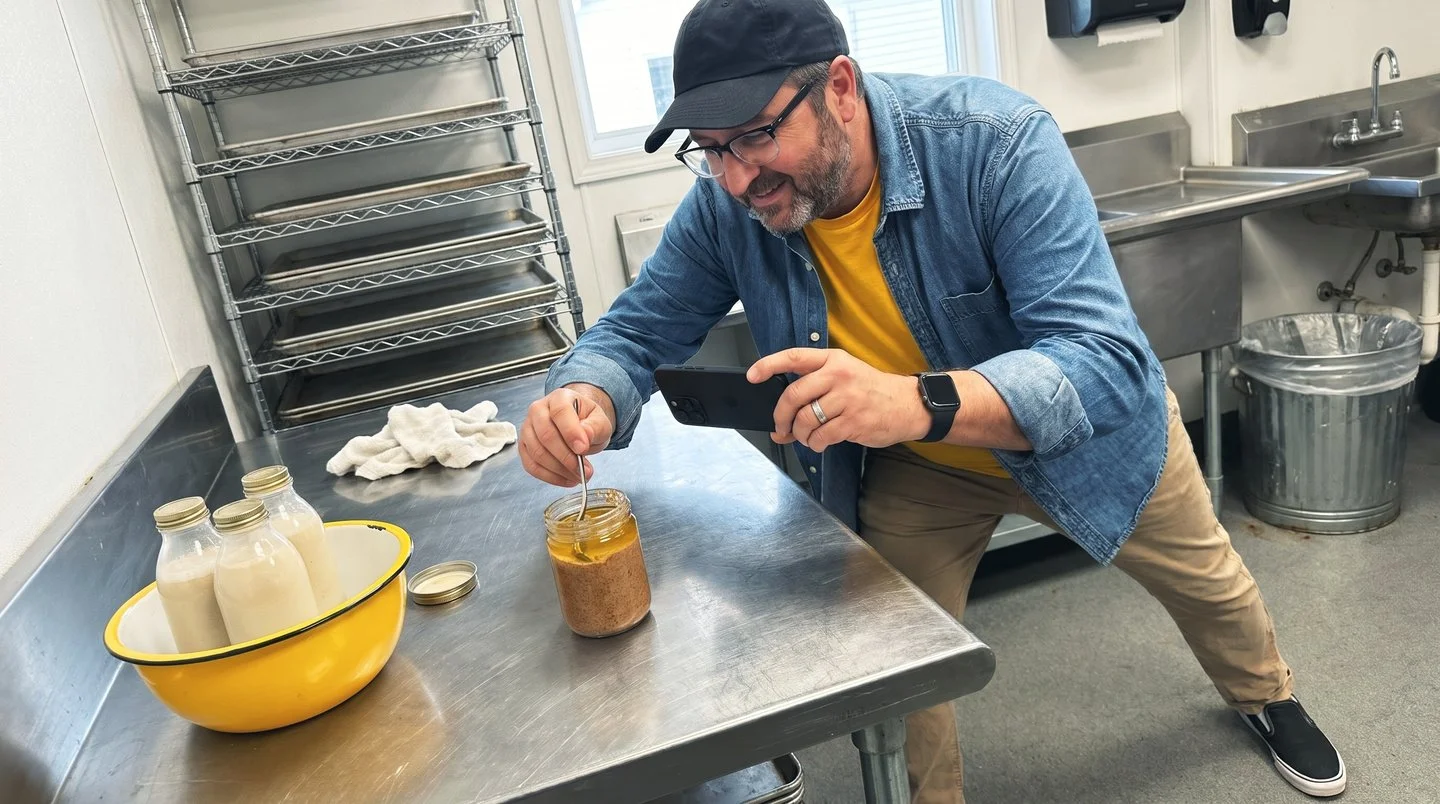
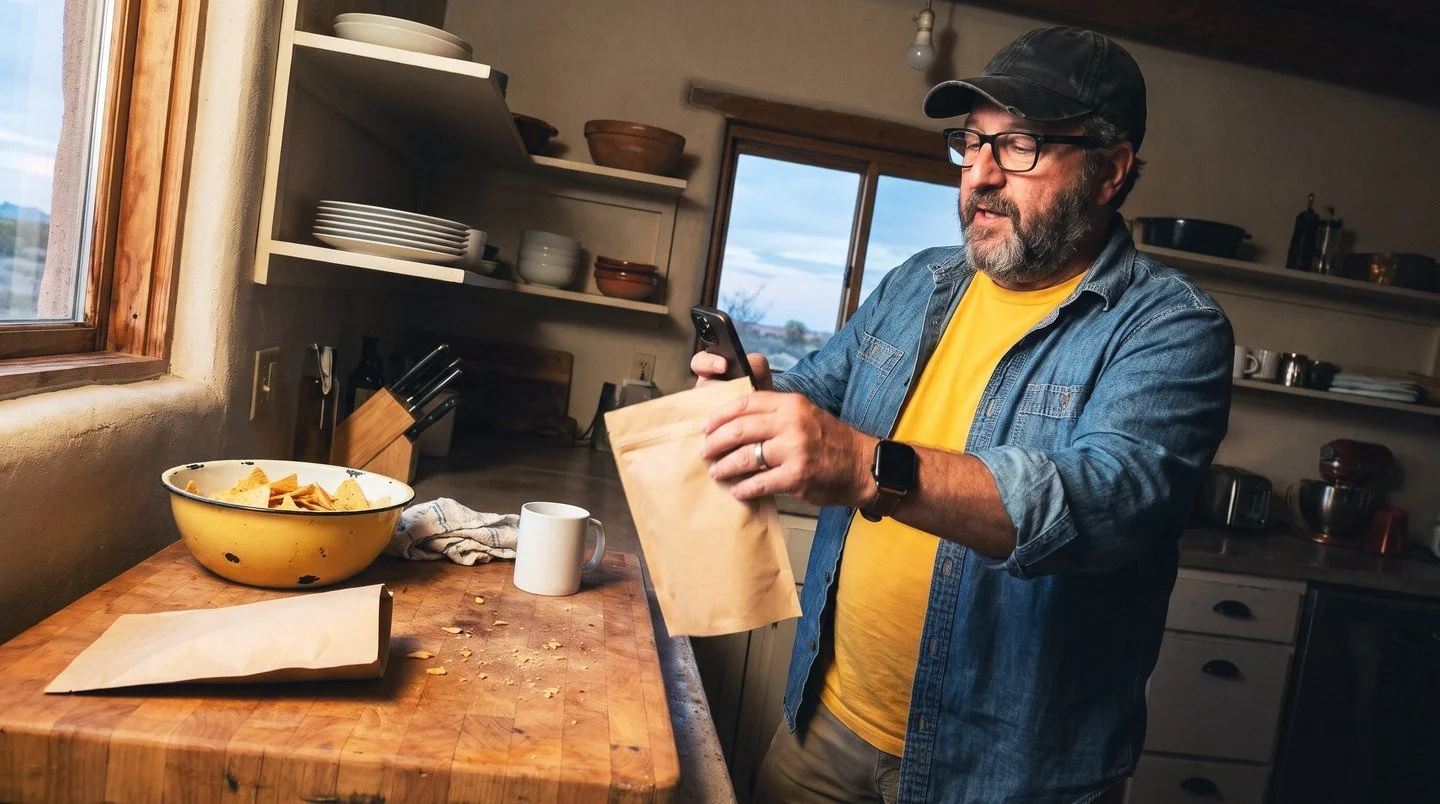
Content creation for clean-label food and beverage brands should sell the eating, because the shopper already read the label. An October 2025 Ingredion report says 88% of consumers would switch brands over texture. So film the pour, the snap, the stir and the settle, show what a short ingredient list does to the food, and say why.

Content creation for clean-label food and beverage brands: film the texture

Social media strategy for clean-label food and beverage brands after the claim goes generic

A social media strategy for clean-label food and beverage brands has to work after the claim stops being yours. In February 2026 the FDA let any product without petroleum dyes say "no artificial colors." Big food is reformulating to match. So the feed has to prove who makes it, where it comes from and why.

Social media strategy for clean-label food and beverage brands after the claim goes generic

AI strategy for clean-label food and beverage brands: audit the answers before you buy the software

An AI strategy for clean-label food and beverage brands starts by checking what AI already tells shoppers about your label. I ran 26 test answers on November 1, 2026. Three of six ingredient lists didn't match the brand's own page word for word, and the buying picks kept changing. Fix that first.

AI strategy for clean-label food and beverage brands: audit the answers before you buy the software

Social media for clean-label food and beverage brands: your comment section is the new back panel

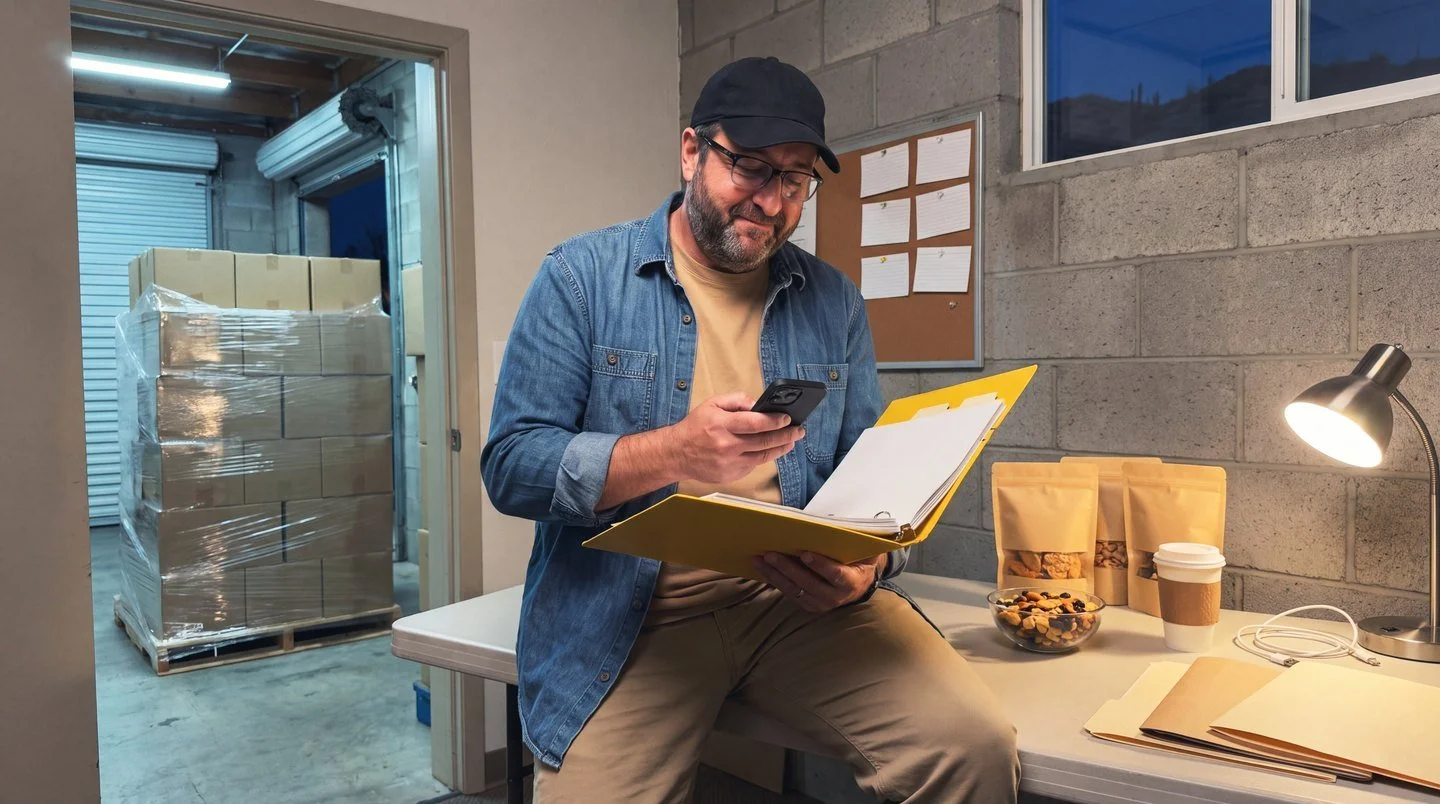
Social media for clean-label food and beverage brands is a customer service job dressed up as marketing. Your shopper shows up already holding a testing list, a screenshot or a question about heavy metals, and your public reply is the proof they pass around. Answer fast, answer in public, show the paperwork.

Social media for clean-label food and beverage brands: your comment section is the new back panel

Brand storytelling for clean-label food and beverage brands: tell the story of what you said no to

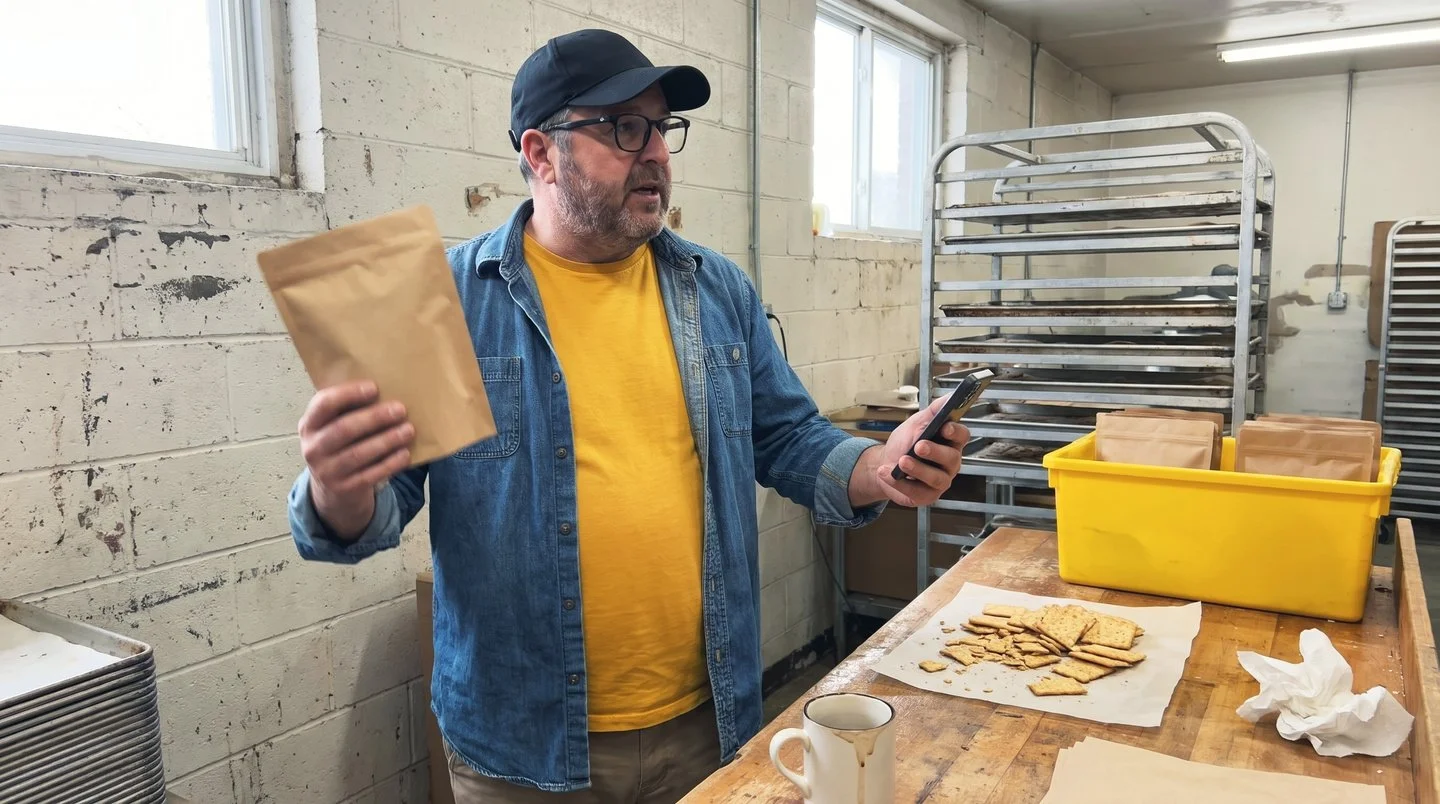
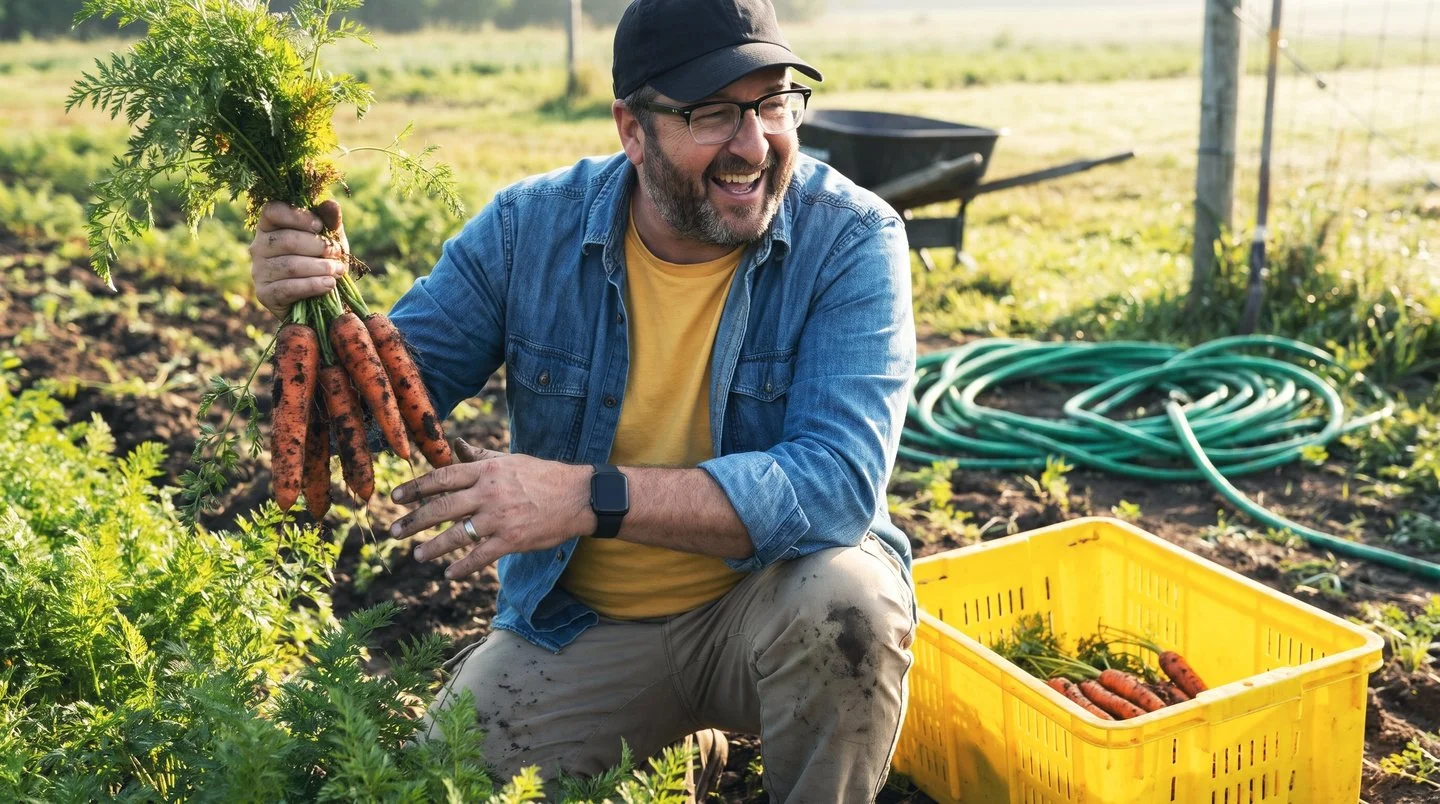
Brand storytelling for clean-label food and beverage brands works when every story explains one decision behind one line on your label. Name the ingredient you refused, the supplier you paid more for, or the process you kept slow. Say what that choice cost you, show the proof, and put the person who made the call on camera.

Brand storytelling for clean-label food and beverage brands: tell the story of what you said no to

Social media marketing for natural and organic food brands: post like your certifier follows you

Social media marketing for natural and organic food brands: what USDA and FDA let you say, how to film your inspection, and how to brief creators.

Social media marketing for natural and organic food brands: post like your certifier follows you