Social media strategy for clean-label food and beverage brands: a proof post for every claim on the bag
A social media strategy for clean-label food and beverage brands is a plan to prove, in public and on a schedule, every claim printed on your package. The bag makes the promise. Your feed shows the farm, the batch sheet, the co-packer and the people behind it, until a skeptical shopper believes the bag.
The short version:
"Clean label" has no legal definition at FDA, so the words on your bag carry no proof on their own. Your feed has to supply it.
Build a claim-to-proof map. Every front-panel claim gets a recurring post that shows the evidence, shot where the evidence lives.
The people who grow, cook and pack your food should be on camera more often than the product sits on a counter.
The FTC's fake review rule and its Endorsement Guides reach your comments, your creators and your reposts. Proof content keeps you clear of both.
What is a social media strategy for clean-label food and beverage brands?
It's the plan that turns your ingredient panel into a content calendar. Every claim you print gets a proof post, a recurring slot, a person on camera and a way to measure whether shoppers believed it.
Most clean-label brands run social like they just scaled down a big food brand. Pretty product on marble. Recipe. Holiday post. Giveaway. That feed could belong to anyone. That's the problem. Your shopper turns the bag over in the aisle and reads the back. She'll do the same to your feed. A styled flat lay doesn't answer her question.
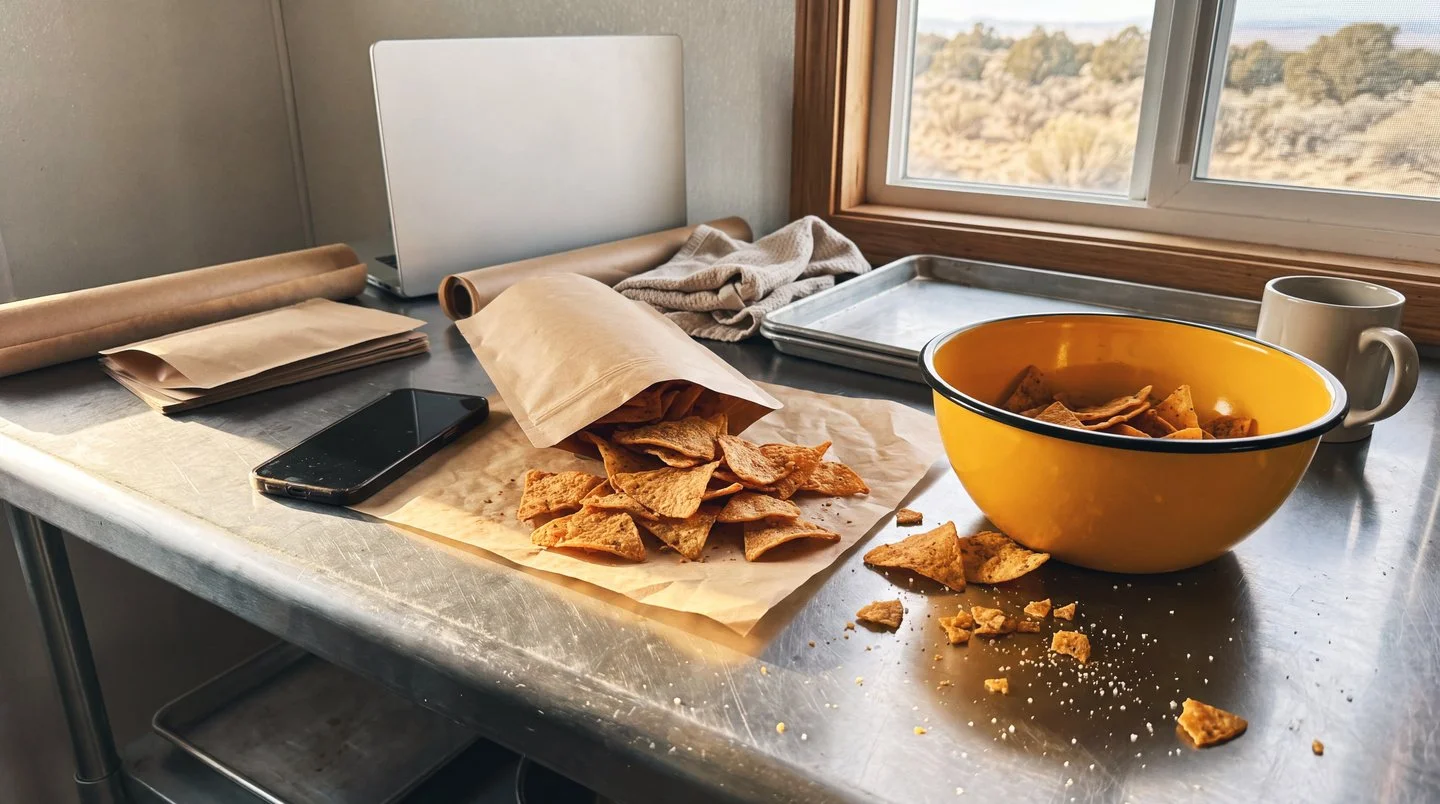
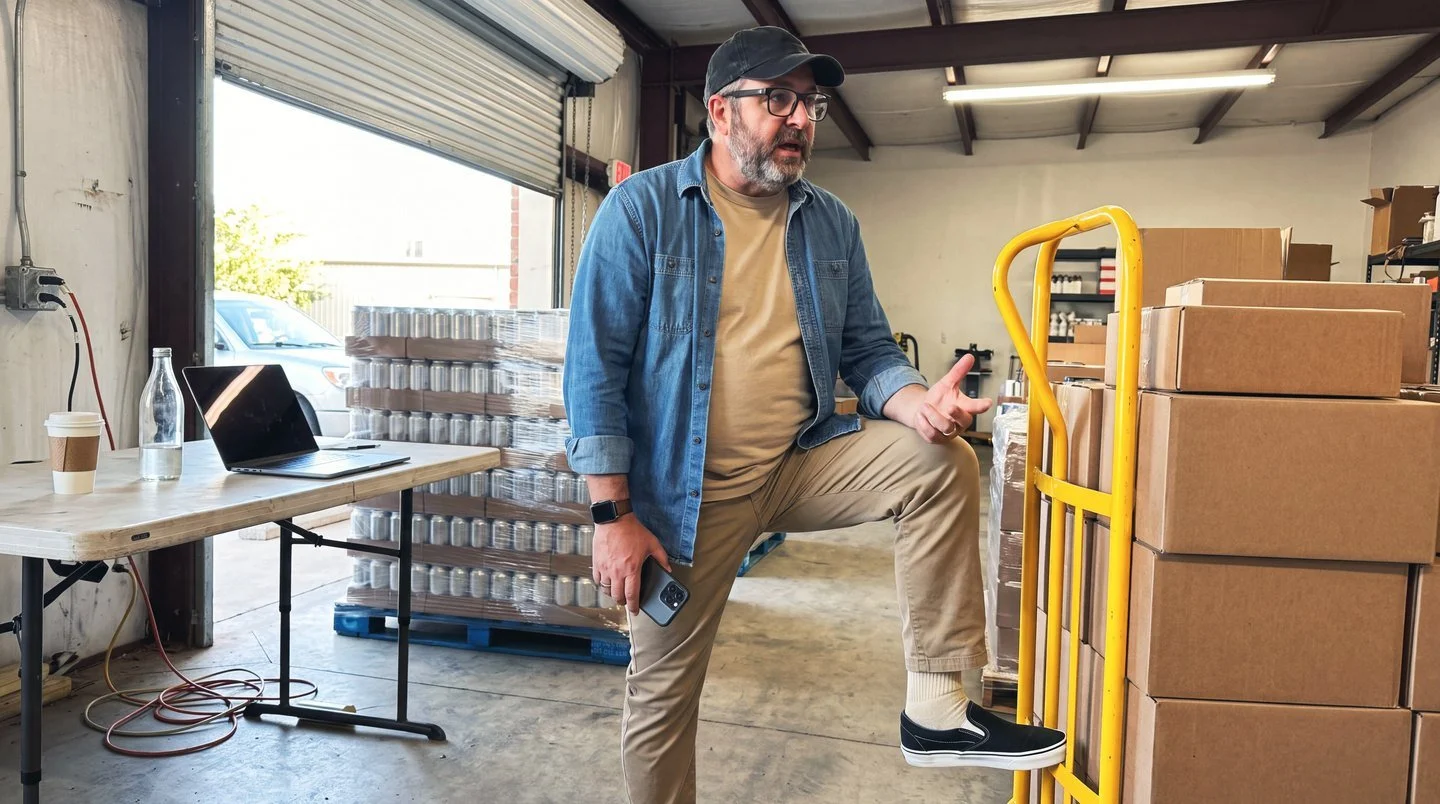
When a founder hands me a feed, I put the bag on the desk next to the laptop and match each claim on the front panel to a post that proves it. Most feeds can't match half of them. I've worked food and beverage CPG for more than 20 years. I've written about this phrase before in the social media strategy for clean-label brands that works and in why credibility beats follower counts. This piece is the working method underneath both.
Why won't the clean label on your bag sell the product by itself?
Because anybody can print it. FDA has no regulatory definition of "clean label," and it has never finished rulemaking on "natural" either. Its long-standing policy only says the agency hasn't objected to "natural" when a food contains no added color, artificial flavors or synthetic substances.
That leaves your shopper with a word and no referee. Ingredion, which sells clean-label ingredients to manufacturers, reports that 71 percent of consumers find it important to recognize a product's ingredients. The demand is there. The trust isn't automatic.
General Mills is selling clean label now. Big food just walked in with the claim you built a company on, headed for national campaigns and a media budget you'll never see. A national brand can buy the words. It has a much harder time showing the farmer who grew the corn, the founder who still tastes every batch, or the co-packer floor at 6 a.m. That footage is where an independent brand wins.
How do you build a claim-to-proof map?
Start with the package. Here's the order I run it in.
Pull every claim off the bag. Front panel, back panel, the carton, the shipper case, the sell sheet. "Organic," "no seed oils," "five ingredients," "small batch," "regeneratively grown," "non-GMO," all of it.
Write the skeptic's question for each one. "Five ingredients" invites "which five, and where do they come from?" "Small batch" invites "how small?"
Find where the proof physically lives. A certificate, a farm, a kettle, a batch log, a lab result, a supplier's field. If you can't find proof for a claim, fix the package before you post about it.
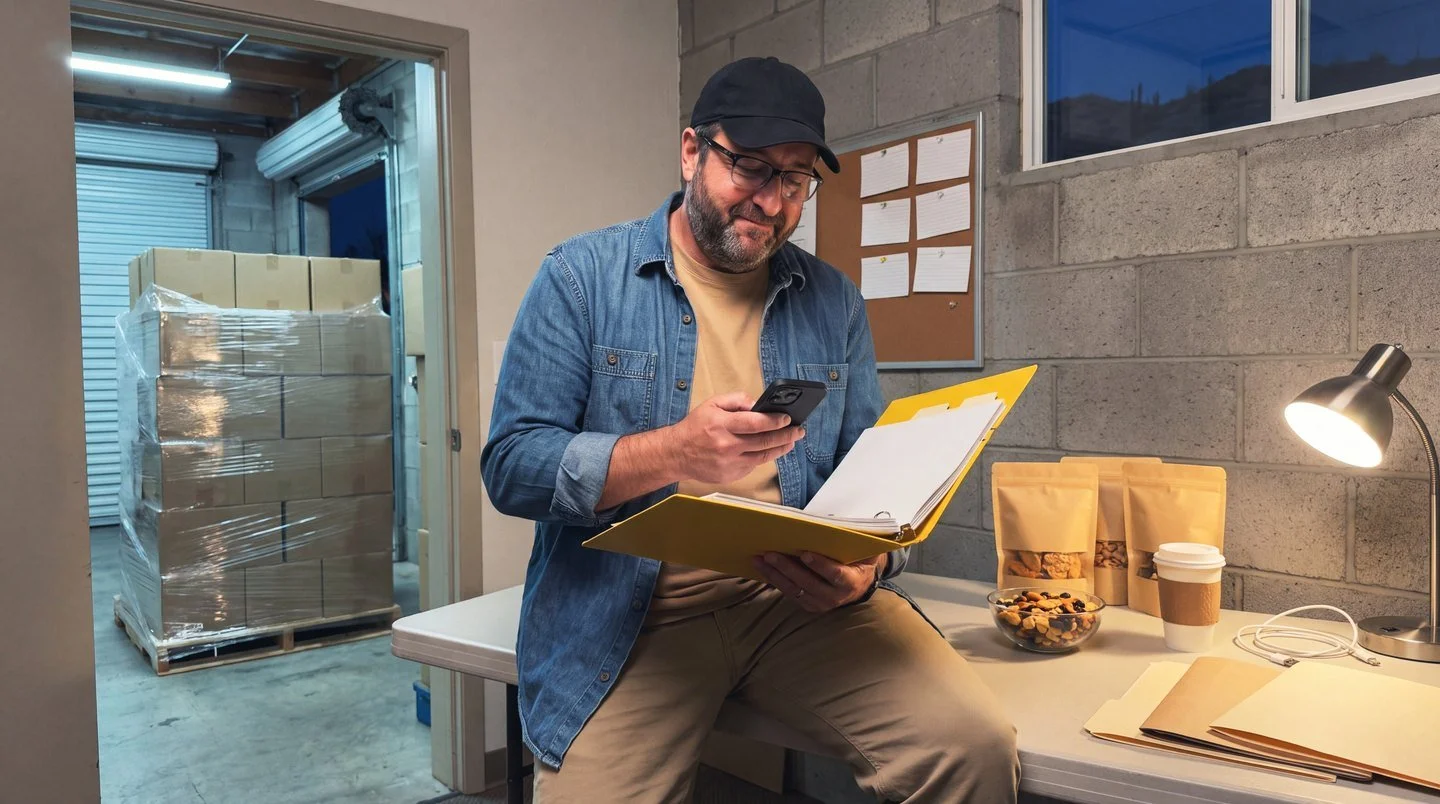
Assign a proof format and a person. Who can show it on camera without a script? Usually it's the founder, the farmer, the head of production or the person who signs the certificate of analysis.
Give each claim a recurring slot. Monthly for the claims that sell the product, quarterly for the rest. Proof that shows up once gets forgotten. Proof that shows up every month becomes the brand.
Run it once. You've got a year of content ideas no other brand can copy. They don't own your farm. They don't own your kettle.
What proof content works for each clean-label claim?
The shopper who doubts organic wants a certificate and a field. The one who doubts small batch wants to see the batch. Match the format to the doubt.
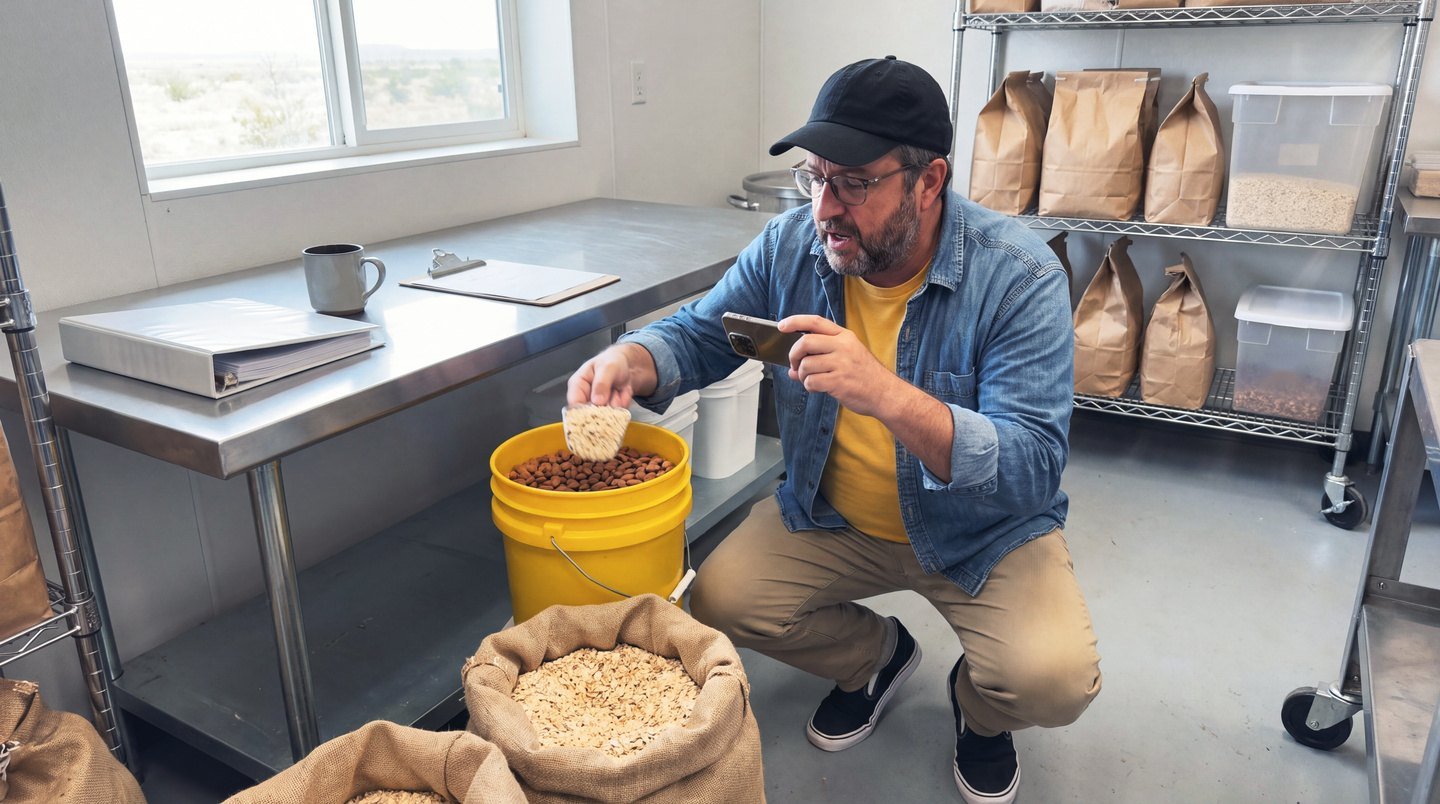
| Claim on the bag | What the skeptic asks | Proof post that answers it | Who belongs on camera | |---|---|---|---| | Certified organic | Says who? | The certificate on the office wall, then the field it covers | Founder or the grower | | Five ingredients | Which five, from where? | All five raw ingredients on a steel table before they go in | Head of production | | No seed oils | What do you cook it in instead? | The oil arriving at the dock, then going into the fryer | Line lead | | Small batch | How small is small? | One full batch start to finish, timed, with the count | Founder | | Regeneratively grown | What does that look like on the ground? | A walk of the field with the farmer, soil in hand | The farmer | | Non-GMO | Verified by whom? | The verification paperwork and the supplier it covers | Whoever manages sourcing |
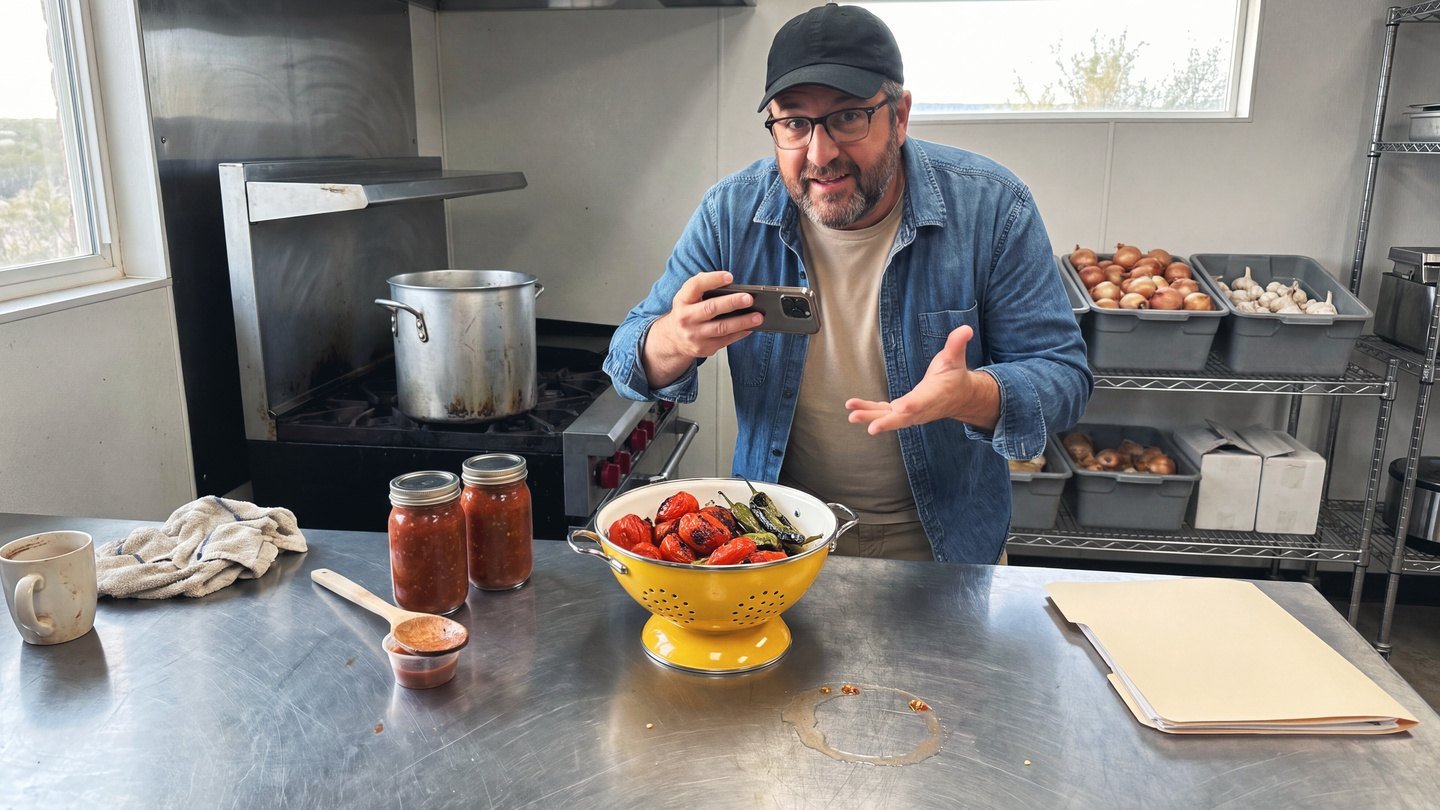
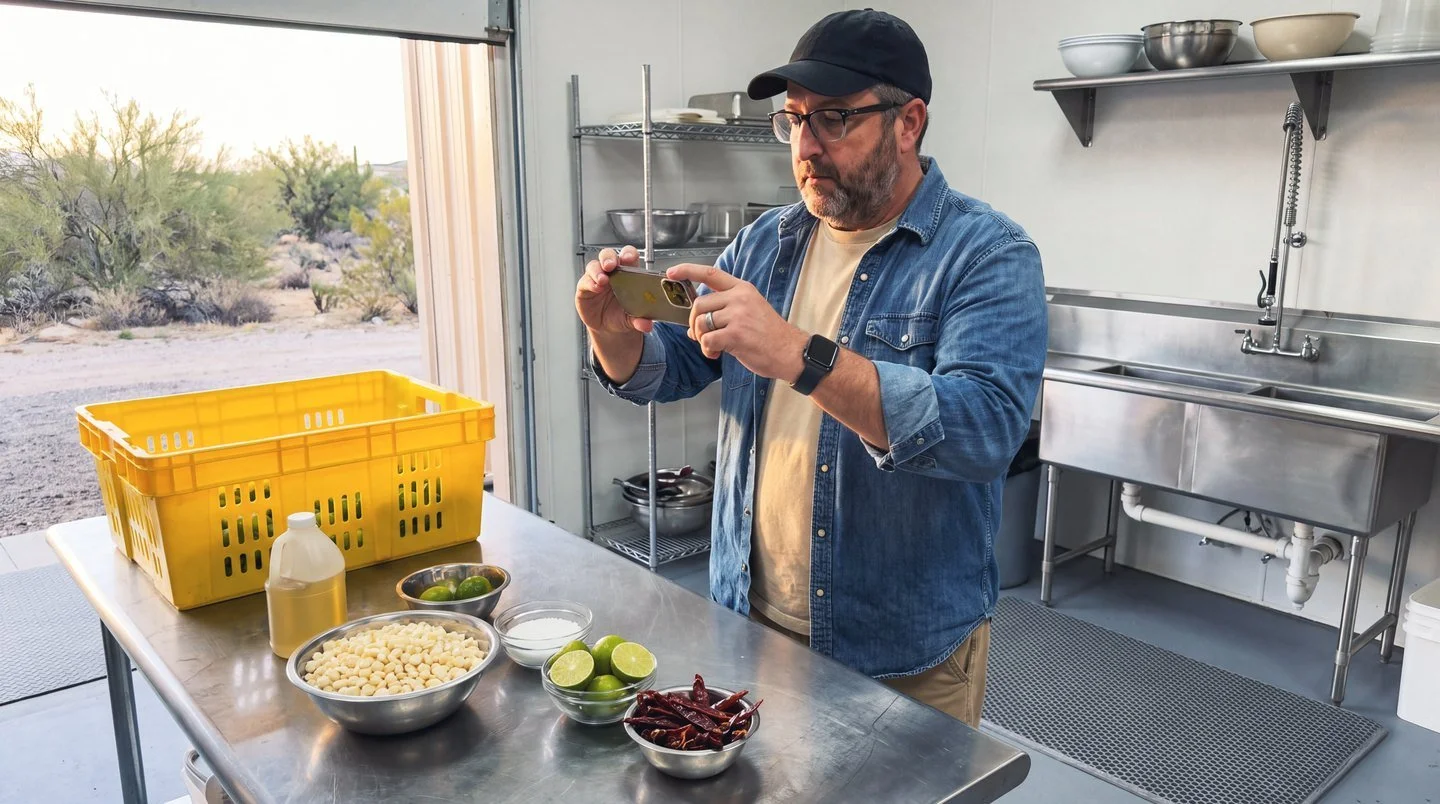
I shoot most of my own food work on an iPhone 14 Pro Max. The footage looks like somebody was standing there, and that's the whole point. Shoot it where it happens. On a phone. In the light that's there. A proof post that looks like a commercial reads like a commercial. Your shopper's seen enough of those.
A bag on a marble counter proves nothing. Same bag sitting at the edge of the field it came out of proves plenty. Keep the product in the frame. Let the evidence be the subject.
How often should a clean-label brand post, and do the 5:3:2 or 70/20/10 rules apply?
You post as often as you can keep the proof honest. For most small clean-label brands that's three to five times a week on the main platform. Proof posts carry the weight. Build everything else around them.
The ratio rules are fine as training wheels. The 5:3:2 rule says that out of ten posts, five come from other sources, three are your own and two are personal. The 70/20/10 rule, depending on who's teaching it, says most of your posts give value, a slice shares or educates, and a sliver sells. The 5-5-5 rule changes meaning depending on who's selling it.
None of them was written for a brand whose whole pitch sits in the ingredient list. I'd swap the ratio for a simpler test. In any given month, could a stranger scroll your feed and verify every claim on your bag? If yes, post whatever else you like around it. If no, you've got a proof gap, and more recipes won't close it.
What can a clean-label brand get in trouble for on social media?
What lands you in trouble on the package lands you in trouble online too. A few risks only show up in the feed. I'm not a lawyer. Hand them to yours. They still need a line in the plan.
The FTC finalized a rule banning fake reviews and testimonials in August 2024, effective that October. It covers fake reviews, AI-generated ones included, undisclosed insider reviews and fake social media indicators like bought followers, and the FTC can seek civil penalties for each violation. The FTC's revised Endorsement Guides, issued in June 2023, say influencers have to clearly disclose their connection to a brand, and they treat tags and virtual influencers as endorsements. A brand that reposts a glowing third-party review can end up owning that review.
If you use "healthy" anywhere, FDA updated the definition of the "healthy" claim in a final rule published in December 2024, with a compliance date of February 25, 2028. A caption that calls a product healthy is still a claim.
Proof content is the safest content you can make. Film a batch start to finish and you don't need a disclaimer. A farmer holding dirt doesn't need a disclosure. The risk sits in invented praise and paid praise that hides the payment.
What should you expect in the first 90 days?
Expect the map, the first proof posts and a clearer read on which claims your shoppers doubt. Don't expect a follower spike.
In the first 30 days, you build the claim-to-proof map, shoot the first round of proof posts and set the recurring slots. In days 31 to 60, you publish on the calendar and watch the comments and DMs for the questions people keep asking, because those are the claims they doubt. In days 61 to 90, you double the proof on the claims that draw the most questions and cut whatever isn't moving saves, shares or where-to-buy questions.
Watch what a buyer would watch. Saves and shares on proof posts, questions in the comments, DMs that ask where to buy, and what your retail and DTC partners hear from shoppers. Follower count comes last.
Should you hire an agency, a consultant, or keep social in-house?
The right partner asks for your farm address and your spec sheet before they ask for brand guidelines. Hire that person.
An in-house coordinator knows the product and is close to the floor, which is a real advantage, but often has nobody setting strategy above the calendar. A big agency brings polish and process, and the risk is that it turns your farmer into a stock photo. A senior consultant sits between the two and builds the system your team runs.
Before you hire anyone, ask these:
Show me a feed you built where every claim on the package had a proof post.
Who on my team will you put on camera, and how will you get them comfortable?
How do you handle creator disclosure and reviews under the FTC rules?
What will you measure in the first 90 days besides followers?
If they can't answer the first one with an example, keep looking. The claim-to-proof map is the first thing I build when a brand hires me for social media strategy and content creation for food and beverage brands. If you're also using AI in your marketing, sort it the same way you sort the panel, as I laid out in reading your AI use like an ingredient panel. The transparency playbook covers the content creation side in more depth.
FAQ
What is the best social media platform for a clean-label food brand?
Instagram is usually the home base. Shoppers expect a visual feed of the product and the people behind it. TikTok and YouTube Shorts carry the proof videos. A full batch. A farm walk. LinkedIn matters if you sell to retail buyers and distributors. Pick one main platform. Prove every claim there first. Expand once the proof slots run on schedule.
How do you show clean-label ingredients on social media?
Show them before they become the product. Lay the raw ingredients out on the table where you make the food, name where each one comes from, and film them going in. Then show the certificate or supplier behind any claim you print. A shopper who sees five ingredients go into a kettle believes "five ingredients" far more than one who reads it on a graphic.
Do clean-label brands need influencers?
Don't start with a paid creator. A founder, a farmer, or a head of production on camera usually beats them for trust, and they cost nothing extra. If you pay creators anyway, the FTC's Endorsement Guides require a clear disclosure of the connection. Use creators to carry your proof to new audiences. Keep the proof itself in your own hands.
What is the 5:3:2 rule for social media posts?
Out of every ten posts, five share other people's content, three are yours, and two show the people behind the brand. That's the usual mix. For a clean-label brand, I'd keep the spirit and change the math. Your original posts need a proof post for every claim on the bag each month.
How long does it take for social media to work for a clean-label brand?
Give it 90 days for the system and six months or more for results you can see at retail. The first month builds the claim-to-proof map and the first shoots. The second shows which claims shoppers doubt. By the third, you know which proof posts drive saves, shares and where-to-buy questions. Brands that quit at week six usually quit before the proof stacked up.
What should a clean-label brand do this week?
Put your bag on the desk next to your laptop. Write down every claim on it, front and back. Next to each one, write the last time your feed proved it. Any claim with a blank next to it is your content plan for the month.
I build claim-to-proof maps for a handful of food and beverage brands a quarter. If yours needs one, message me on LinkedIn.

adage, emmy, telly & webby award-winning digital marketing consultant for purpose-driven food & beverage brands.