Walgreens Just Put Your Founder Story on a Rate Card
Walgreens Just Put Your Founder Story on a Rate Card
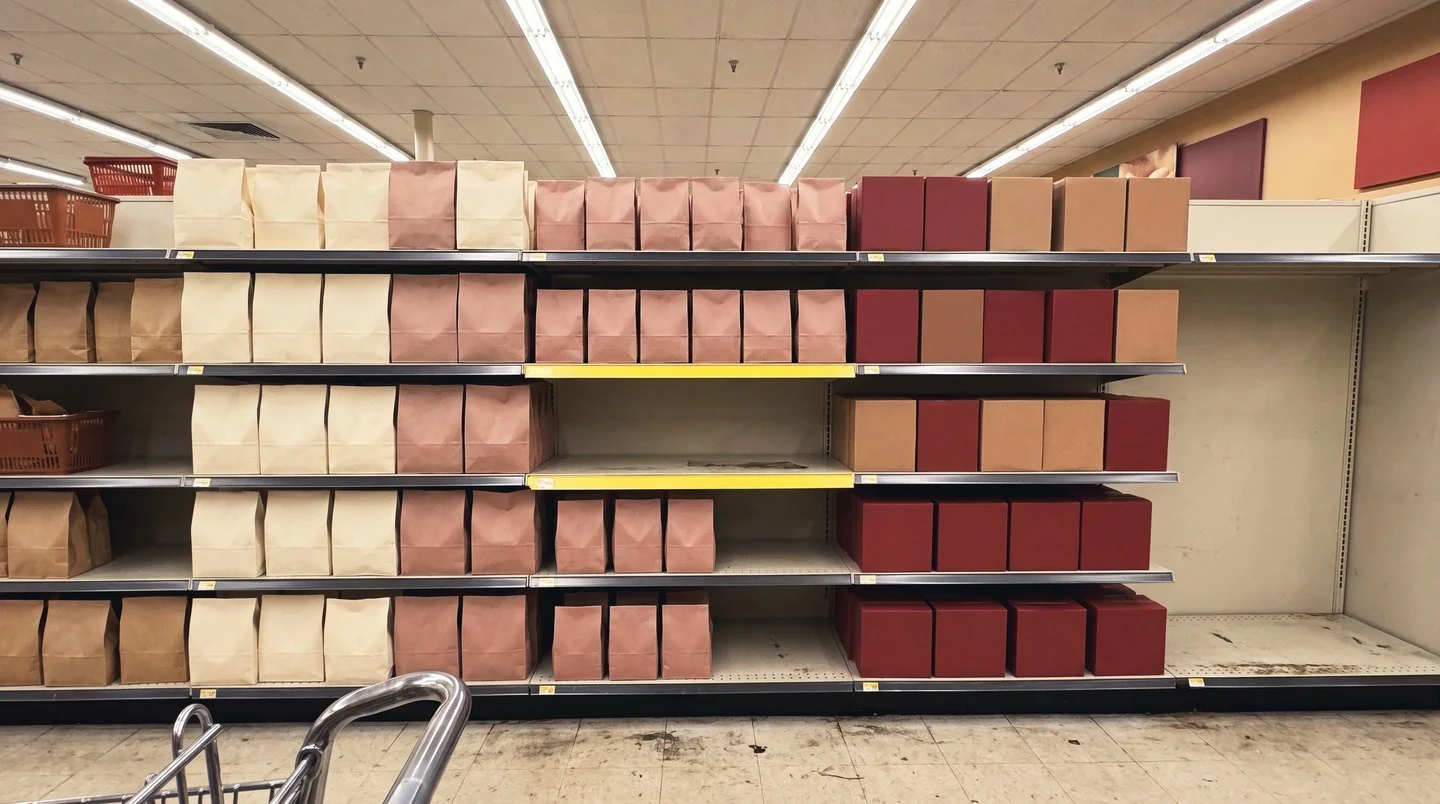
Independent food brands had one real edge on the nationals: the story, told when somebody's standing at the shelf deciding. Starting in October, Walgreens sells that.
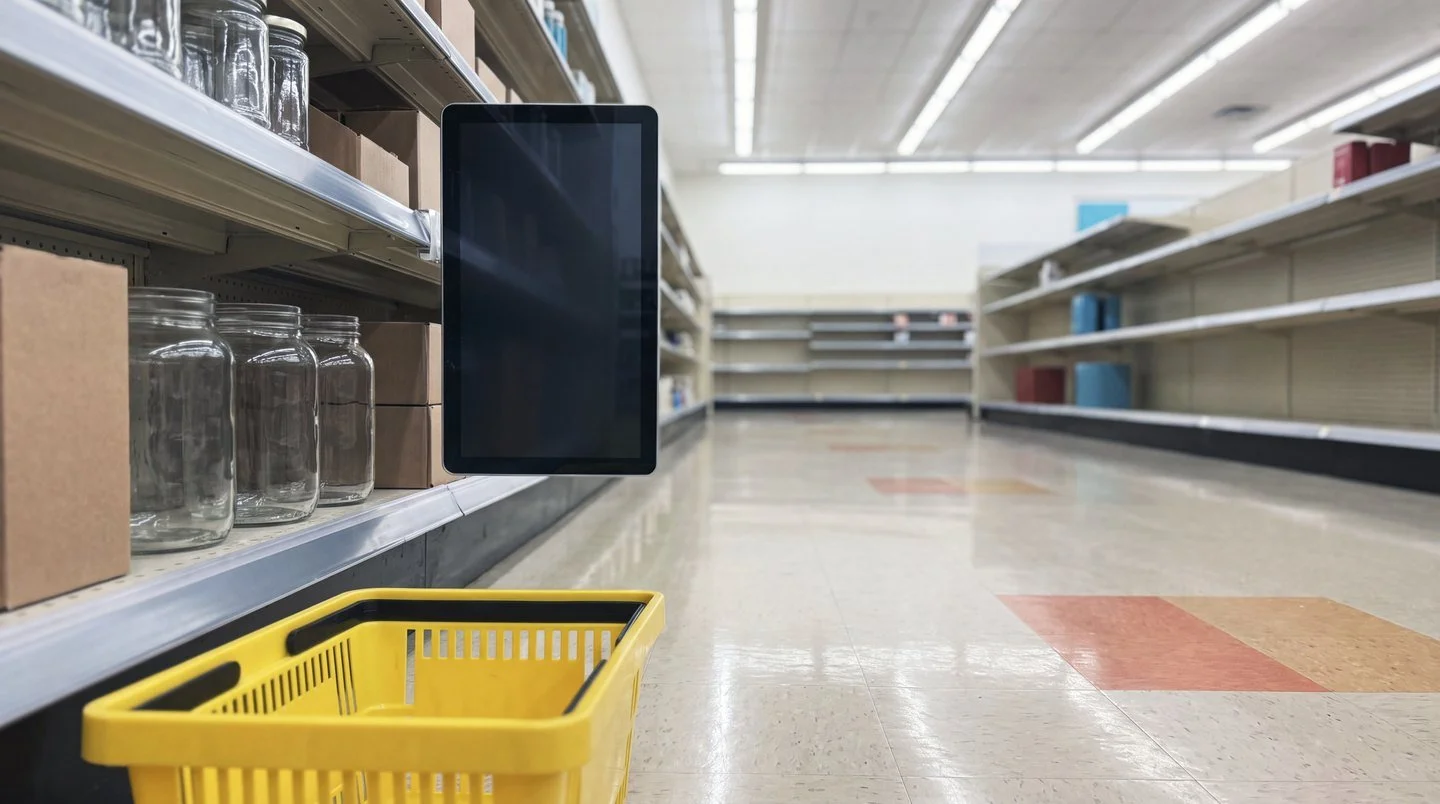
The chain is putting digital screens into 1,200 stores with Looma. Screens sit right next to the products they support. That's the detail worth a second look. Walgreens says the content is "designed to educate rather than interrupt shoppers."
Educate. That was your word. The whole pitch for why a founder-led brand could win a listing it had no business winning.
What actually happened
Each participating store gets two large screens, one near the front and one in the pharmacy waiting area, plus digital end caps that can lock on a single brand or run Looma-produced content with several.
The content pulls experts and creators across beauty, personal care, grocery, pharmacy, and wellness. Looma already runs more than 7,000 screens across 10 banners and hits 13 million unique shoppers a month at retailers including Kroger, H-E-B, Harris Teeter, and BJ's Wholesale. Walgreens adding 1,200 doors is an extension of an existing network, not a pilot.
John Storms has been running digital and retail media at Walgreens about six months. He built Lowe's Media Network before that and spent more than twenty years at Target.
"We are focusing on better placements, higher-performing placements, not only online, but in-store," he said at a retail media upfront in New York last week.
He also pointed at the pharmacy waiting area. Tremendous dwell-time exposure, he called it. That's a polite way of saying people stuck waiting on a prescription will watch anything.
He's right about that, unfortunately. Grocery TV and Andrew Lipsman surveyed more than a thousand shoppers in March 2026 and found people take pharmacy ads better than the ones on the shelf in the aisle or stuck on cooler doors. Nobody minds a screen when they've got nothing else to look at.
Kroger told investors the same week that Precision Marketing grew profit 24 percent in the second quarter. Best retail media profit growth they've posted since 2021. Media monetization climbed 88 basis points on the year.
Greg Foran put e-commerce and retail media in the first few sentences of the earnings call, ahead of merchandising. He ran Walmart U.S. for six years until 2019 and helped stand up Walmart Connect. He did not wander into the ad business by accident.
CVS is already in it too. Digital end caps in more than 600 stores and roughly 11,000 screens nationwide.
Read the two stories side by side and the shape jumps out. The shelf grew a second toll booth. You pay to get listed, then you pay again just to get seen.
Who this actually costs
A brand doing four hundred thousand in revenue is not buying into a 1,200-store screen network.
Skip the reassuring paragraph about how this creates opportunity for everybody. It doesn't.
It creates opportunity for whoever can write the check.
In-store storytelling mattered to small producers for one reason. A good package and a real founder could compete with a national ad budget without spending like one.
Walgreens has been here before. It went badly.
Cooler Screens panels went on the fridge doors starting in 2018. Bloomberg reported the things flickered, crashed, showed products that weren't in the case, and in some instances caught fire.
Cooler Screens sued in 2023 over Walgreens exiting the deal. Bloomberg put the dispute at $200 million, and it still looks like it's in court.
The technology may stumble again. Building your business on the hope that your retailer's ad vendor catches fire a second time is a prayer with a spreadsheet attached.
What I'd tell you to do instead, and why I'm not a good example
I learned it late. Build the surface you own before somebody puts a meter on the one you're borrowing. That's the whole lesson, and I can tell you exactly what it costs.
I checked the whois this morning. gallucci.com still shows July 15, 1996. That's the day I registered it.
gallucci.net came in October 1998.
I sell marketing advice. Holding both extensions of my own name since the Clinton administration is about as clean a starting position as exists.
The archive sits at 438 posts. Oldest one goes back to July 3, 2021.
I owned the best address in my category for twenty-five years and left the lot empty.
There was always a platform that felt faster. Forums, then blogs, then Twitter, then Facebook pages, then LinkedIn.
Every one of them handed me reach I didn't build. Then they decided what that reach was worth and priced it.
Retail media is the same trade. Just with a shopping cart in it.
The first post I ever put up was called "Mix Up Your Marketing: A Cocktail of Social Media Strategies for the Modern Business," which is exactly the kind of thing you write when you're filling a page instead of answering a question.
The volume chart since then reads 20, 77, 92, 133, 66, 50 by year. Peak was 2024.
I got busy in 2025 and the number fell by half. The owned channel isn't self-sustaining. It's a pasture. You stop working it, it goes back to brush.
Calendar-fill posts from 2021 and 2022 do nothing for me today.
The ones written to answer a specific question a food and beverage buyer actually has still bring people in with no distribution spend behind them at all.
That's the only durable difference I've found.
Organic social media only works as an asset when the individual pieces are worth something on their own, unpushed.
A feed post that needs the algorithm to carry it is rented, same as a Walgreens end cap.
A post that answers a real question is inventory.
The practical version, this quarter
Know your buyer's velocity threshold before you cut retail media anywhere it's actually gating your renewal. Abandon it to make a point about ownership and you lose the listing.
Don't buy the screen network. Take that spend and put it two places.
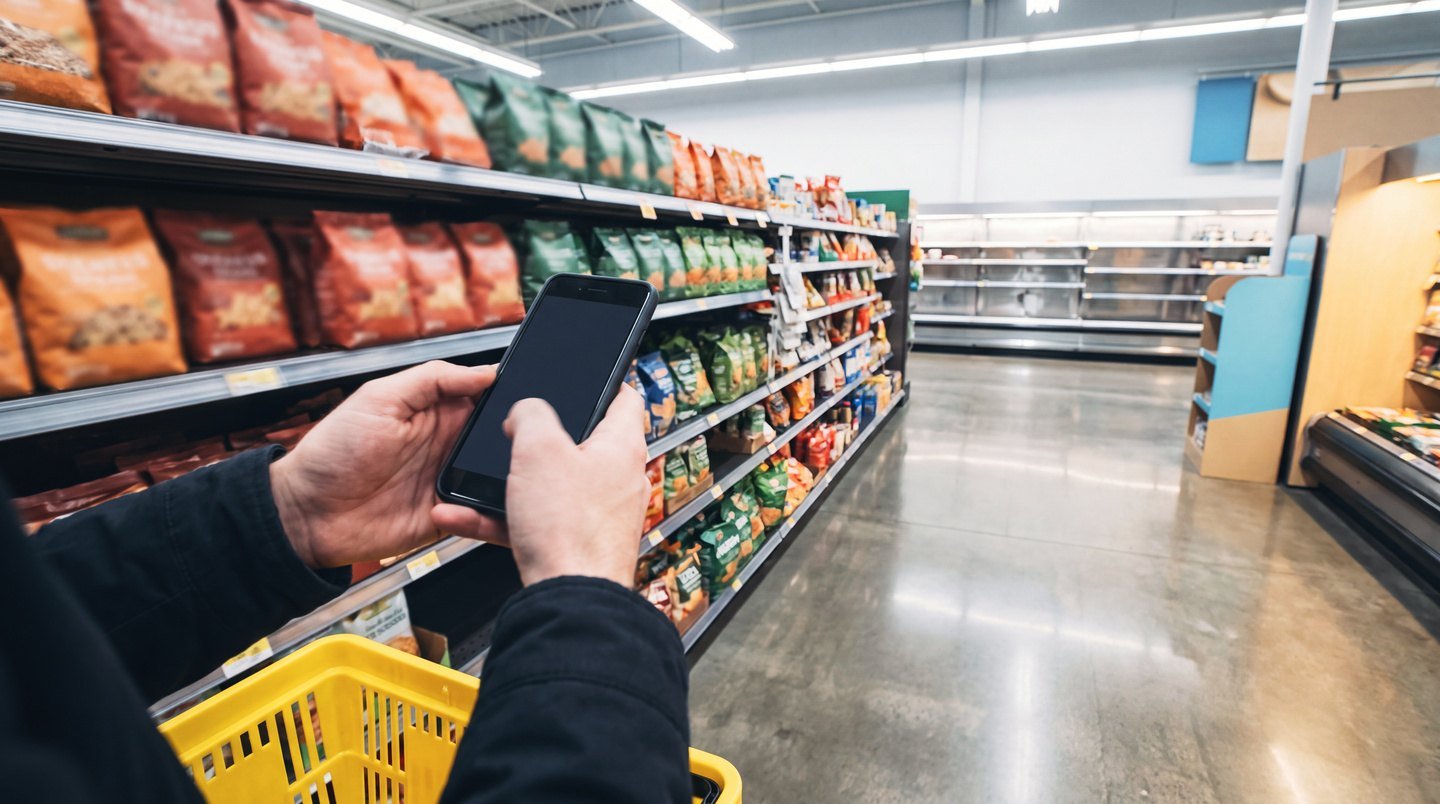
Build the content that sits under your own domain and answers what your shoppers ask in the aisle. I've argued this before. It's a social media problem more than a packaging one.
Then fund the direct line to people who already bought. An email list and a following you built are the only distribution nobody can reprice on you in a press release.
Walgreens is going to sell somebody the three feet in front of your product. You can't stop that.
Get to the shopper first. By the time they walk that aisle, they already know who you are because they found you somewhere you own.
If you want help working out which half of your content is doing that and which half is just filling a calendar, that's what my food and beverage marketing agency does, and the audit is the same one I just ran on myself.
Related reading: https://gallucci.net/blog/half-your-buyers-are-confused-in-the-aisle-thats-a-social-media-problem https://gallucci.net/blog/social-media-marketing-for-natural-and-organic-food-brands-isnt-about-followers https://gallucci.net/blog/why-googles-new-query-fan-out-is-wrecking-organic-reach-and-how-to-beat-it https://gallucci.net/blog/how-to-actually-increase-post-visibility-on-x-without-playing-the-algorithms-game https://gallucci.net/work

adage, emmy, telly & webby award-winning digital marketing consultant for purpose-driven food & beverage brands.