Perfect Snacks Is Arguing With The Algorithm. Your Shopper Already Put The Bag Down.
Cara Liebrock put it in Food Dive on September 24. The Perfect Snacks CEO says food rating apps are getting her category wrong.
They run one universal model over every packaged food on the shelf. Organic honey and maple syrup get filed under added sugars right next to refined sugar. The word processed drags plain yogurt and whole grain bread down with everything else.
She wants the scores to carry context. What shoppers are missing, she says, is food fluency.
She's right on the merits. She's still going to lose.
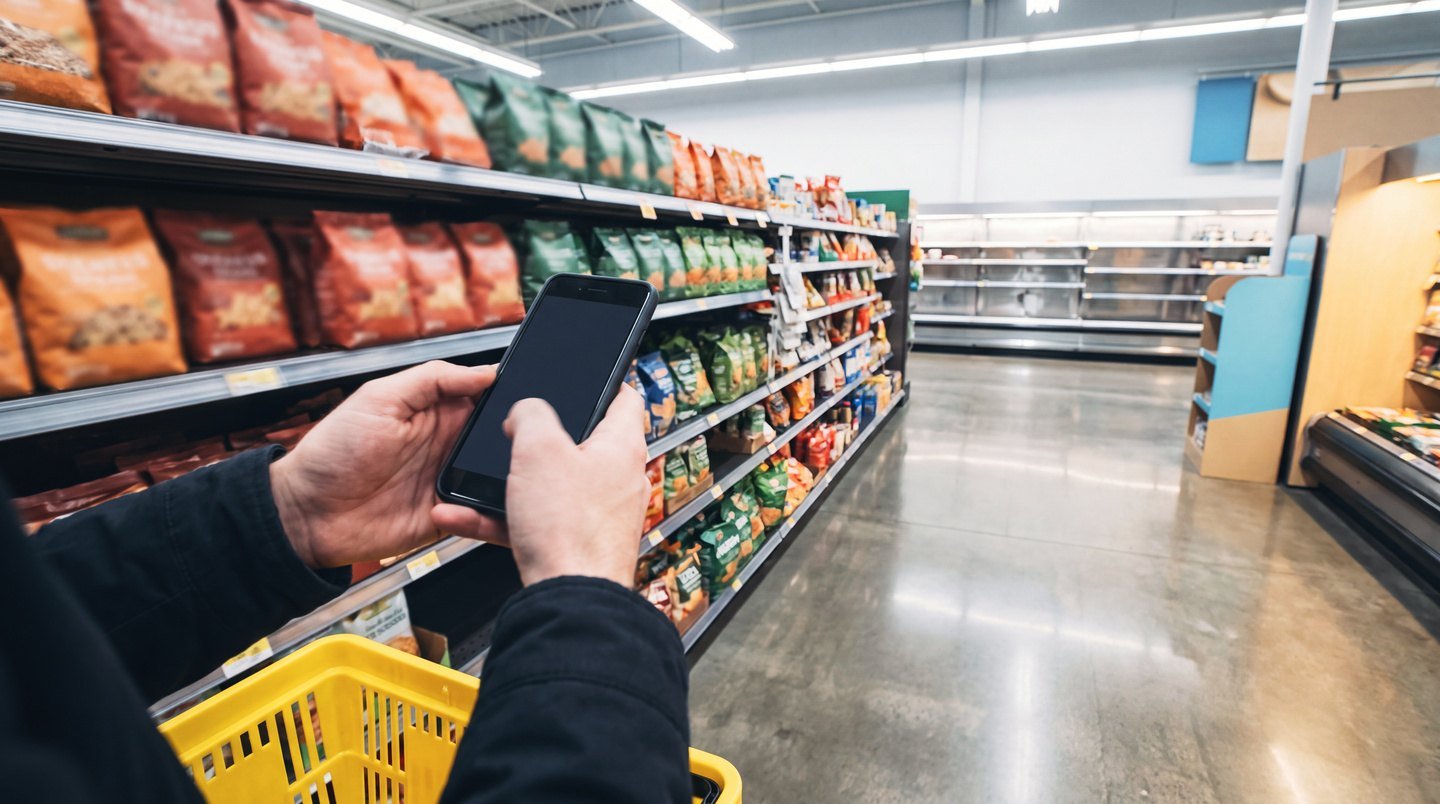
The person she needs is standing in an aisle with a phone in one hand and somebody's bag in the other. That person doesn't read rebuttals.
The score got there first
Food Dive dropped the count three days before that op-ed ran. The Non-GMO Project's Non-UPF Verified seal hit 300 products across 23 brands in nine months, spread over 15 food and beverage categories.
Simple Mills, Chomps, Blue Diamond, Amy's Kitchen, and Spindrift are already in.
Another 41 brands are lined up behind them.
And the Non-GMO Project is shipping its own barcode app so a shopper can point a phone at your package and find out whether you paid.
The second part is the one that matters.
The scoring layer isn't waiting for the industry to agree on methodology.
It's adding a camera.
Cornell researchers found more than 60 percent of surveyed consumers believe ultraprocessed foods are addictive and a major cause of obesity, Type 2 diabetes and heart disease.
58 percent of Americans have heard the term. Only about a third say they could explain what it actually means.
Strong opinion. Thin understanding. A number on a screen feels like an answer. Reading a back panel still feels like homework.
A Harris Poll for Perfect Bar put it plainer. 63 percent of Americans say they avoid food with ingredients they don't recognize.
They're already hunting for a reason to set the bag down. The app hands them one in under a second.
The fight is real. The room is wrong.
Liebrock is arguing methodology in a trade pub. The trade press isn't who scans your barcode.
Nobody in the aisle knows what the scoring model weights. Nobody's going to learn.
A score lands the way a one-star review lands. It shows up finished. It feels like a verdict. The brand's response gets read by the brand and almost no one else.
When a score bothers them and they're still a little curious, they look you up. They type your name plus the word that just spooked them. Is this brand ultraprocessed. What's the added sugar in this. Where does this come from.
Then they read whatever is sitting there. Nothing there and the score stands alone. It's the only account of your product that exists. The shopper fills the rest from whatever they already believed about packaged food.
The actual exposure isn't the algorithm's math. It's the empty page behind it.
The twenty seconds after the scan
A small food brand can still do something here. Costs a fraction of a certification.
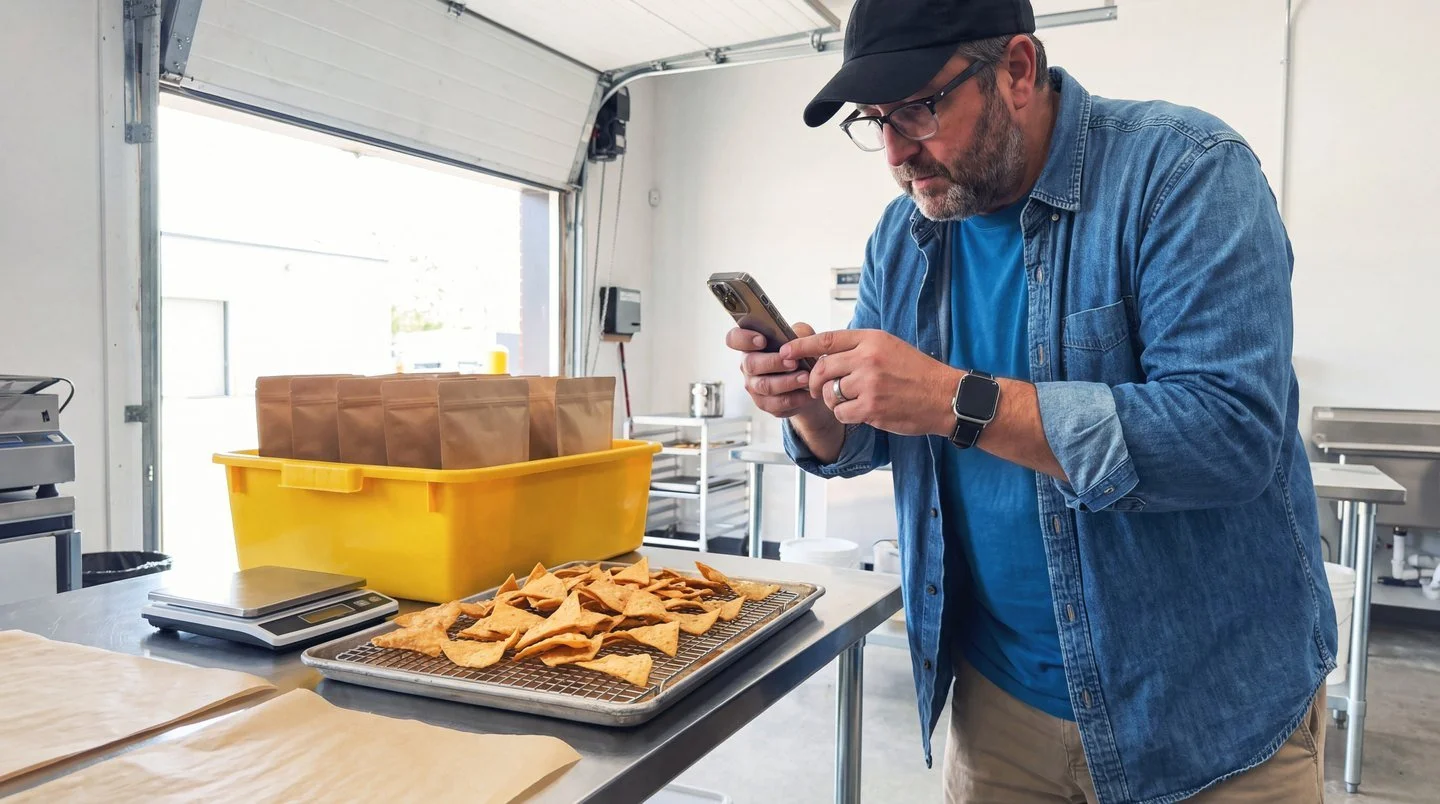
Scan your own SKUs first. Every one of them, in the two or three apps your shoppers actually open. Write down exactly what comes back. Skip the ones you already like. The worst result is the one that matters. You can't answer a question you haven't read.
If an app flags your honey as added sugar, write the page that answers it in the shopper's own words, on a domain you own.
Call it something close to why there's honey in this and what it does. Short. Plain. The real reason, including the part that isn't flattering.
A page that admits a tradeoff gets believed. A page that argues gets skimmed.
I've made the transparency case for clean-label brands before. This is the same move with a barcode pointed at it.
Show the process instead of the finished product. The reason a score can flatten you is that a bag on a white background contains no information a machine can weigh against a number. Forty seconds of somebody actually making the thing does. When Conagra put tallow on the front of the bag it proved that any printable claim gets copied by somebody with a bigger plant inside a quarter. Footage of your own kitchen doesn't copy.
Put a number in the headline. Name the real date. Call the ingredient what it is. A machine can lift that, and a shopper will quote it back.
The page that hides the answer gets passed over.
Same discipline that makes credibility beat follower counts on every platform worth being on.
You don't need a food and beverage marketing agency to run the first version of this. You need somebody to sit down for an afternoon with the scanner results and write four honest pages.
What the ratio looks like when you check
I counted my own this morning. gallucci.net has 1,008 published posts on a domain I've owned since 1996. 584 of them carry a specific figure right in the URL.
A little better than half of what I've put out is concrete enough for a machine to quote back to somebody. The rest is just present. That ratio is the argument in one number.
Volume is not a record. Specificity is.
Organic social media does this in small daily increments. A website holds it permanently. The brands that come out ahead run both instead of picking one.
Certification is the other road and it's a legitimate one. Kettle & Fire got its seal in under a month while California's own program sits out at 2029. A seal buys you a symbol on a package. It does not buy you the sentence a shopper reads after the scan, and there's no seal for that.
Do this before the next app ships
Pull your three worst-scoring SKUs.
Scan them tonight on your own phone, in the apps your buyer's shoppers already have.
Write the page that answers what each score implies, in the language a real person would type. Put it on a URL you control. A caption scrolls away by Tuesday.
Then send those pages to your retail buyer. That buyer's fielding the same questions from the same shoppers, and nobody's handed them an answer either.
The scoring layer's going to keep getting cameras. Arguing with it is a full-time job that pays nothing.
Be the brand that already published the answer. That's a weekend of work that keeps paying.
I take on a handful of food brands a quarter. If yours is next, message me on LinkedIn.

adage, emmy, telly & webby award-winning digital marketing consultant for purpose-driven food & beverage brands.