Conagra Put Tallow on the Front of the Bag. The Claim Expires. Your Record Doesn't.
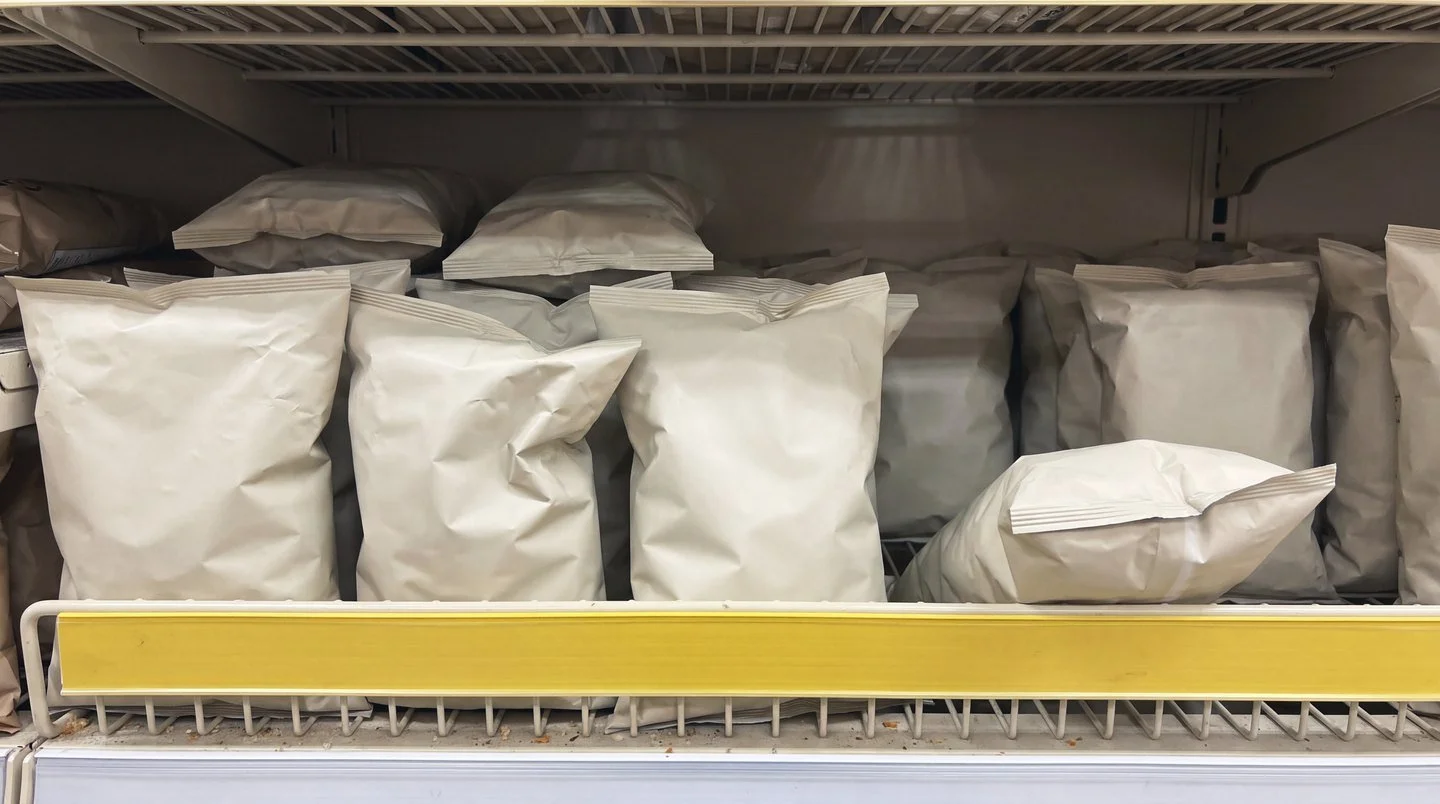
Conagra twice-cooks its Rebel Roots fries in beef tallow and runs the ingredient in type big enough to read from the next aisle. Utz put a Boulder Canyon Classic Sea Salt chip cooked in tallow into select retailers the same way. Christopher Doering had both for Food Dive on June 22, and the detail worth your attention is the font size.
A dozen small brands spent years putting the fat on the front panel. Type a shopper can read from three feet down the aisle. That was before anyone at a public company would sit through the meeting.
Now the public company is making it too, and making it louder. It's got the shelf space and the print budget.
Sean Connolly, Conagra's CEO at the time, told Food Dive exactly why. Shoppers are on a treasure hunt, he said, and "it requires a signature ingredient like tallow in order to get their attention because we're competing with 50 other new snacks."
Read that again if you run a clean label brand. You are one of the 50.
What actually happened
Beef tallow in food products hit $1.1 billion in sales for the 52 weeks ended March 22. That's up 275 percent from the same stretch three years earlier. Spins ran the numbers for Food Dive.
Whole Foods named tallow its top food trend prediction for 2026. An old-school fat having a moment on social media, they said.
In January the FDA's updated dietary guidelines listed beef tallow next to butter and olive oil as a fat worth cooking with. That's the single biggest reason a Conagra product manager can get the SKU approved now.
None of this started at a big company. Ancient Crunch built Masa chips on three ingredients: organic corn, one hundred percent grass-fed beef tallow, and sea salt.
They put the missing seed oil on the outside of the bag. Didn't bury it in the ingredient panel.
Andrew Watman reported in Forbes in February that Masa had become the top-selling tortilla chip at Sprouts Farmers Market. The brand was in roughly 2,000 doors. Whole Foods placement was coming in April.
Beefy's Own and Rosie's run the same play on kettle chips. Both print seed oil free on the front. Rosie's is down to three ingredients.
These are small operators who took the cost hit on the fat, the shorter shelf life, and the buyer meeting where somebody asked why the bag was talking about oil.
The pitch deck leaves this part out.
Innova Market Insights told Food Dive that close to 70 percent of consumers haven't changed their seed oil use at all. Fifteen percent cut back.
Of the people actually swapping, 46 percent went to olive oil and 10 percent went to tallow.
Erin Lash at Morningstar thinks tallow stays niche and would fall flat at Walmart, where a shopper does not know what tallow is and is being asked to pay more for it. She is probably right about the mass channel.
Being right about Walmart doesn't save you. Conagra and Utz aren't coming for you there. They're walking into the natural channel you built.
A claim has a shelf life. A record doesn't.
Anything you can print can be copied. Tallow, grass-fed, no seed oil, three ingredients, 25 grams of protein. None of it holds.
The second that claim hits scan data, a company with better freight, better slotting, and a household habit older than your founder runs the same words in a bigger font. Yours turns into a category feature. Shoppers figure everybody already has it.
Conagra can match your ingredient in one production run. It can't go back to 2022 and post about it.
What they can't copy is the dated public record of you saying it first. Specific terms. Over and over. Before it was safe.
That record isn't a brand asset for the pitch deck. It's a searchable, timestamped, quotable body of work. A reporter, a buyer, a podcast producer, or a language model can find it and cite it.
Your claim buys you about eighteen months of attention. I mean that straight.
Spend those months publishing the thing under the claim. Where the fat comes from. Which renderer. What you tried that failed. Why 600 degrees is a gentle fry temperature, and what the flavor does when you push past it.
Ancient Crunch's founder talks about learning tallow from frites in Belgium. A reformulation can't take that off him.
I ran my own archive through the same test
This morning I pulled my own sitemap and counted. I've owned gallucci.net since October 1998.
Giving this advice is easy. Passing it is not.
Went through the archive. 436 posts.
Fifty-one carry a number in the title. A dozen of those, it's just the year.
Ninety-three lead with a word like best, ultimate, essential, proven, boost, or mastering.
Adjectives beat digits on my own site by almost two to one.
That is a bad score. "12 Proven SEO Tips to Elevate Your Website's Traffic" and "The Ultimate SEO Playbook for Outdoor Adventure Brands" are exactly the kind of headline I would circle in a client audit, and I wrote both of them. The posts of mine that still get found and cited are the ones with something checkable in them, a real number, a real client situation, a thing I did and got wrong. The adjective posts sit there and rank for nothing in particular. They were written to sound authoritative rather than to be verifiable, which is the same mistake as putting "made with simple ingredients" on a bag.
Three named ingredients. A stranger verifies the count in about two seconds without flipping the package.
"Simple ingredients" asks them to trust an adjective from a company they've never heard of.
One of those survives a competitor showing up.
What to do this month
Go count. Pull your last thirty posts and sort them into two piles.
One pile carries a specific verifiable fact. The other runs on a qualifier.
If the qualifier pile is bigger, you've been buying attention rather than building a record.
Attention is the thing Conagra can simply outbid you for.
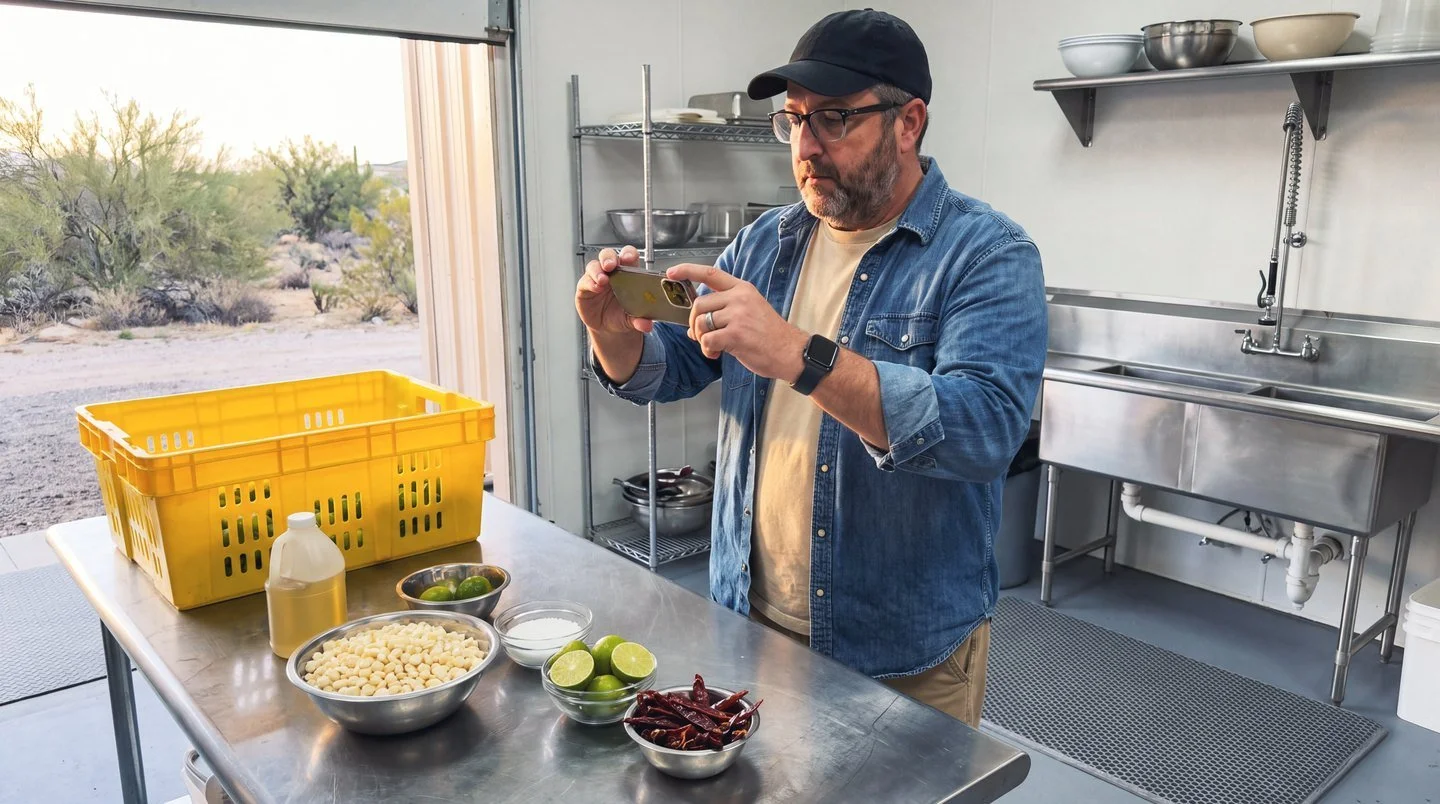
Film the part they can't buy. The renderer. The co-op. The founder in the plant with the machines running and the audio slightly ruined.
Date it. Put it somewhere you own. Keep shooting every week while your claim is still doing the selling for you.
Mass version lands next to yours on the shelf. That archive is the one thing they never got to copy.
If you want somebody to run that with you, that is the whole job at my food and beverage marketing agency. If you would rather not hire anybody, fine. Start counting anyway. The counting is free, it takes an afternoon, and it is the step almost everybody skips.
Related reading: the real social media marketing strategy for clean label brands, why your better-for-you snack brand's content isn't converting, and why most food branding agencies miss the real problem.

adage, emmy, telly & webby award-winning digital marketing consultant for purpose-driven food & beverage brands.