Tilray Closed the Breweries It Bought. Put Your Brewhouse in Every Post.
Tilray Brands has cut its U.S. brewing footprint from 10 facilities to six and its SKUs by about 28 percent since early 2025, chasing $20 million in savings. Every closure hands an independent brewer an opening. The brewer who puts the brewhouse, the town and the person running it into their organic social media gets there first.
Updated November 4, 2026.
What did Tilray actually close?
Tilray Brands is the Canadian cannabis and beverage company that owns Shock Top, Redhook, SweetWater and a stack of regional craft labels it bought from Anheuser-Busch InBev and Molson Coors. On November 3, Food Dive reported that Tilray consolidated from 10 U.S. brewing facilities to six, trimmed its distributor network by 9 percent and is aiming to cut $20 million in costs during the next two years.
The list reads like a roll call at a reunion nobody wanted. Tilray shuttered the breweries for Hop Valley, Redhook and Revolver. It moved Terrapin's brewing out of the brand's Georgia brewery, a 100,000-square-foot plant in Athens, according to VinePair's Hop Take column. It sold the Atwater brand back to its owners less than two years after buying it.
CEO Irwin Simon put it this way in the company's statement: "With a more efficient cost structure and additional volume opportunities ahead, we expect these actions to drive margin expansion and stronger earnings across our U.S. beverage operations." The money is moving to nonalcoholic drinks, functional energy drinks and a Carlsberg import deal that starts in January.
Tilray beer isn't moving either. VinePair pulled Circana data showing the portfolio down 13.7 percent in dollars across multi-outlet grocery, mass, and convenience year-to-date through July 12, 2026.
What does a buyer keep when it buys a craft brewery?
The label. The distribution. The shelf slot, for a while. The building, the brewers and the recipe that only tasted right on that one system are line items, and line items get consolidated.
Revolver Brewing is the Texas version of this story. Grant Wood, Rhett Keisler and Ron Keisler started it in Granbury in 2012 and sold it to Molson Coors four years later. It peaked at 41,455 barrels in 2018, per Brewers Association figures Brewbound reported. Tilray stopped large-scale production there. The taproom stayed open. So you can still sit in Granbury and drink a Revolver, and the beer in your glass came from somewhere else. "It's a huge loss for Granbury," Wood told the Dallas Observer.
That's the part a buyer can't move without the drinker noticing. I've seen what happens when the place gets protected instead. I ran social for Topo Chico for about a decade, and I was on the account when Coca-Cola bought the brand from Arca Continental in 2017 for $220 million. One line in the deal coverage mattered more to me than the price. Arca Continental would keep bottling Topo Chico at the original plant in Monterrey, where it had been made for more than 120 years. Monterrey was the brand. Every post I made leaned on it.
When B&G sold B&M beans, I wrote that a food brand's name and record travel with the sale. The building usually doesn't, unless somebody writes it in.
Why is this good news for the independent brewer down the road?
Every closed brewhouse leaves a bar with an empty tap handle. The drinkers who picked that beer picked it because it felt local. They don't want a press release about margin expansion. They want the next one brewed in their county by someone they could actually meet.
If you brew in Eugene, Seattle, North Texas or Athens, the accounts that poured Hop Valley, Redhook, Revolver or Terrapin are looking at a hole in their lineup right now. A roll-up can't fake the thing they're missing. You can show it every day for the price of a phone.
What should an independent brewery post this month?
This is the organic social media plan I'd run for a craft brewery or a small drink brand in a market a roll-up just left. Nothing here needs an ad budget.
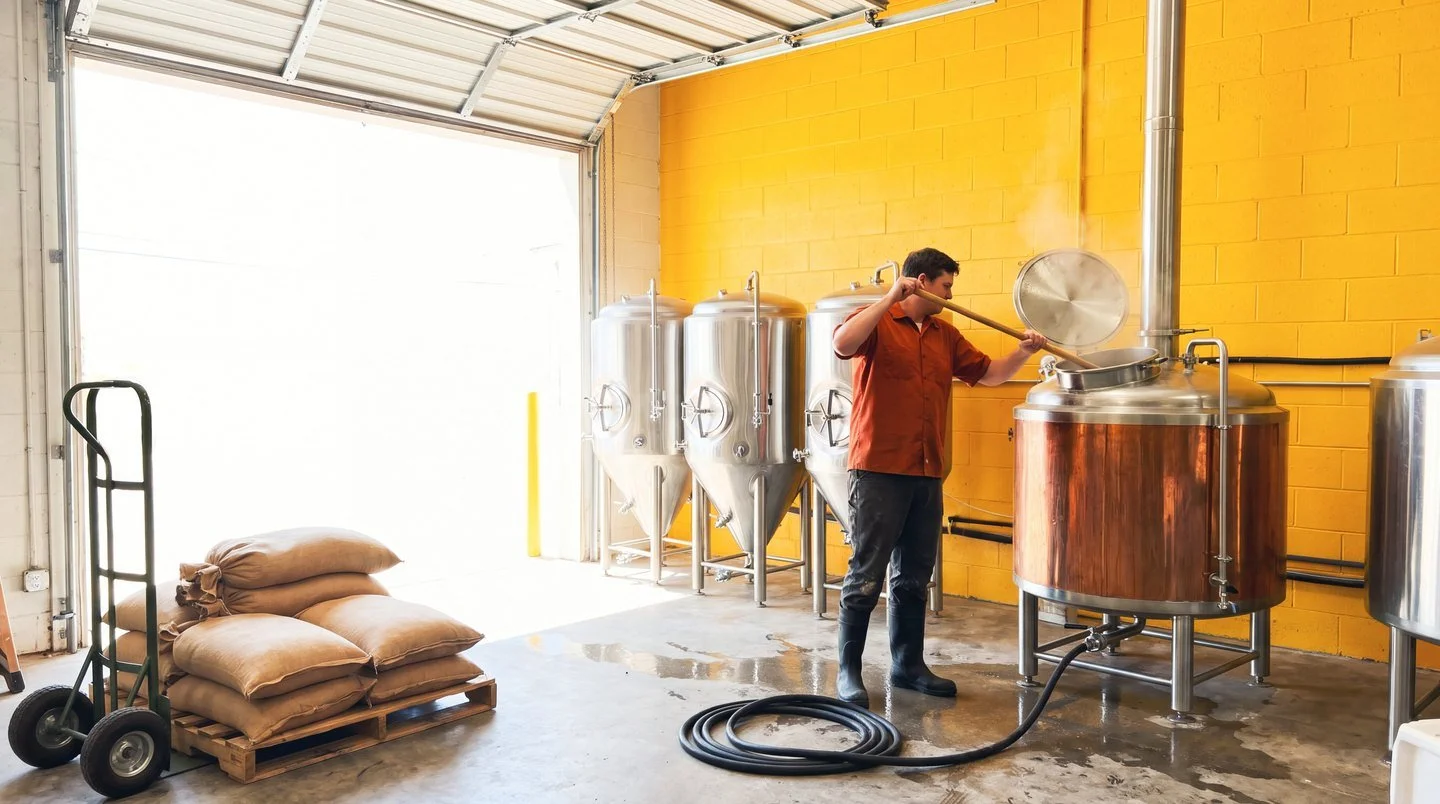
- Shoot the brewhouse every week. The kettle, the brewer, the grain delivery, the hose on the floor. Done when your last ten posts include at least four that could only have been filmed in your building.
- Name the town in the caption and on screen. Granbury, Eugene, Athens, wherever you are. Done when someone who has never heard of you can tell where you brew from one post.
- Put the owner or head brewer on camera, talking, unscripted, about one batch. Done when you've posted three of these and the person in them is the same one a bartender would meet if they walked in.
- Announce every new tap handle with the bar's name and city. Tag the bar. Done when each new account gets its own post within a week of the first keg.
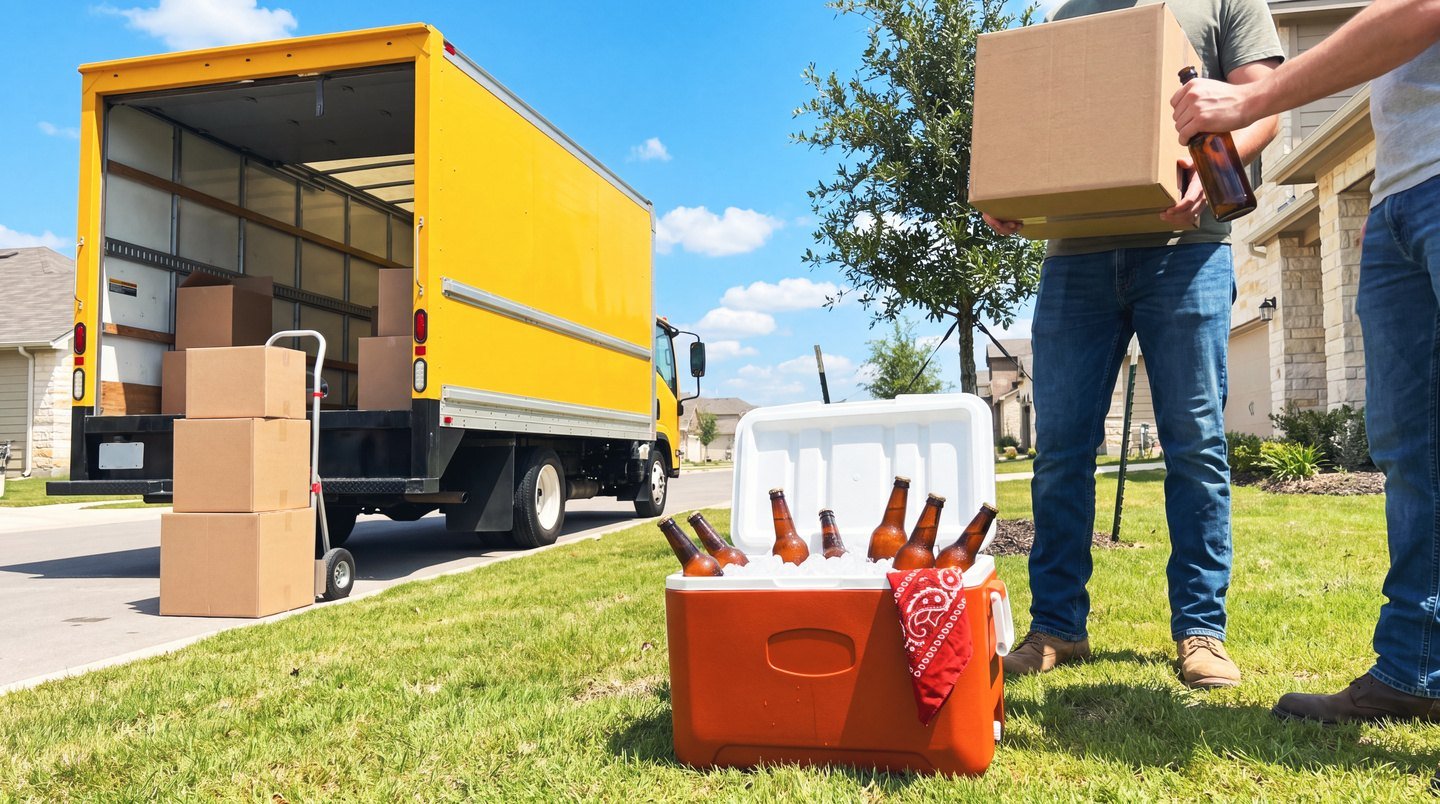
- Load a case in the truck and visit the bars that lost a handle. Film the drive if you want. Done when you've walked into five of them this month.
You don't need a food and beverage marketing agency to do step five. You need gas money and an afternoon. The posts are what make the visit stick after you leave.
If you want a model for how far one recurring face can carry a beer brand, look at how Girl Beer built a series around an 80-year-old intern. And if you're tempted to rebrand so you look as big as the brand that left, first ask whether your drink needs a rebrand at all.
What if you're the founder with an offer on the table?
Read the Tilray list before you sign. If the brewhouse, the staff or the recipe matter to you, they belong in the contract with a date attached. "We love what you've built" is a compliment, and nobody can enforce a compliment.
Topo Chico's buyer kept Monterrey. The seller said it on day one. Put where your beer gets made in the deal, in writing.
Start this week with the brewhouse post, the town in the caption and five bars that just lost a handle. I build exactly this kind of plan for independent food and drink brands. If yours is next, message me on LinkedIn.

adage, emmy, telly & webby award-winning digital marketing consultant for purpose-driven food & beverage brands.