Instagram Put Reels on the Living Room TV. Shoot Your Food Brand's Next One for the Couch.
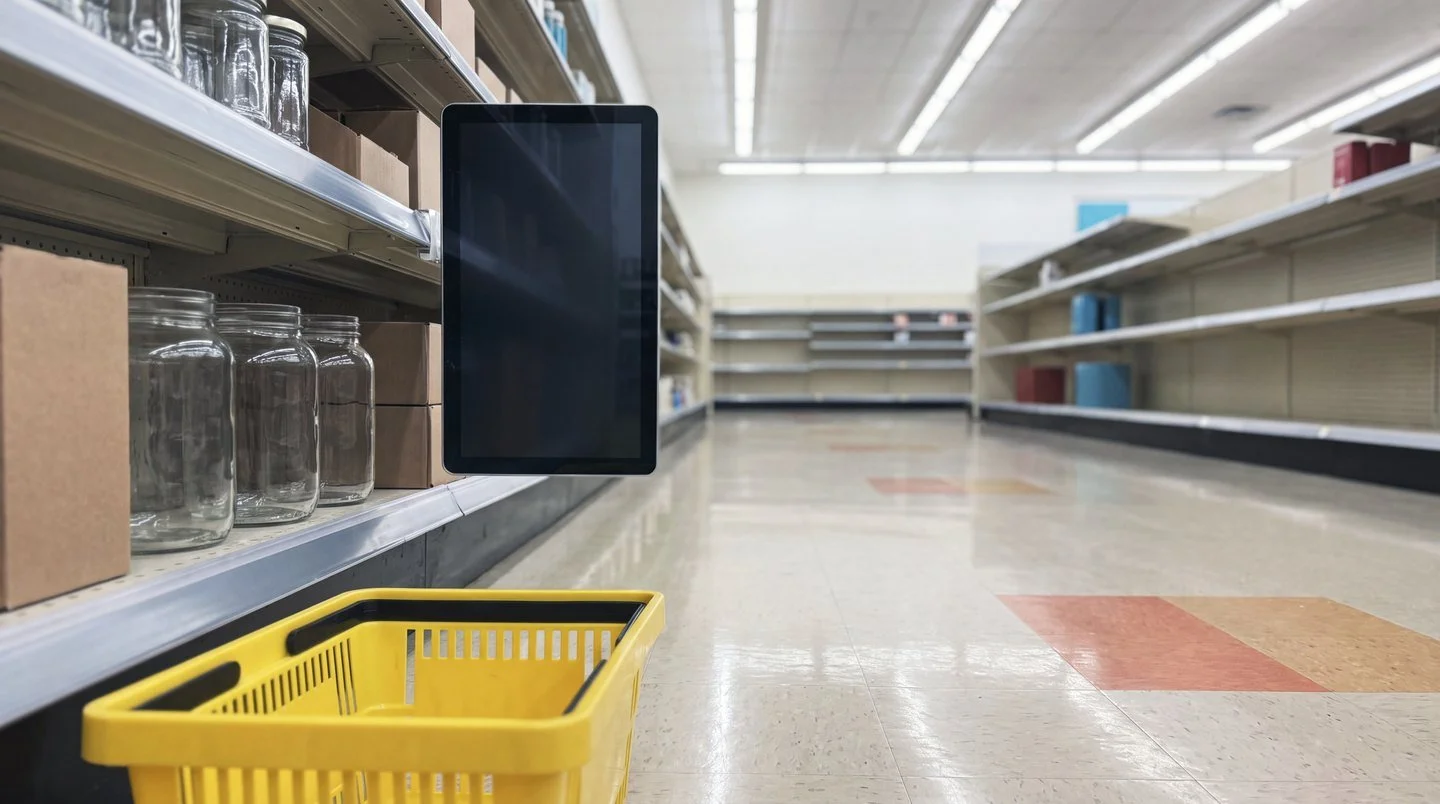
Instagram's Apple TV app went live on October 23, 2026, and it puts Reels on the big screen in front of a whole room. That's good news for a small food brand, but only if its Reels work with the sound up and nobody holding the phone. Most of the food Reels I see wouldn't.
Updated October 25, 2026
What did Instagram actually launch?
Instagram, Meta's photo and video app, now runs on Apple TV. MacRumors reported that Apple's release metadata dates version 66.0 to October 23 and that the app needs tvOS 26.0 or later. It plays Reels, longer videos and live shows, and you can pick up on the TV where you left off on your phone. Instagram's own pitch for it is "watch together with friends and family."
Apple TV is the fourth TV platform for it. Instagram started testing a TV app on Amazon Fire TV in the U.S. in December 2025, added Google TV in February 2026 and Samsung smart TVs in June, per the same MacRumors report. On a TV, Reels get sorted into channels by interest and play back to back without anyone picking the next one. MediaPost reported that a household can link up to five Instagram accounts to one TV.
Adam Mosseri, the head of Instagram, said at Bloomberg's Screentime event in October 2025, "We'd like to figure out how to make sure that we show up in a compelling way on all the relevant devices." A year later the living room TV is one of them.
Why does a couch change how a food Reel works?
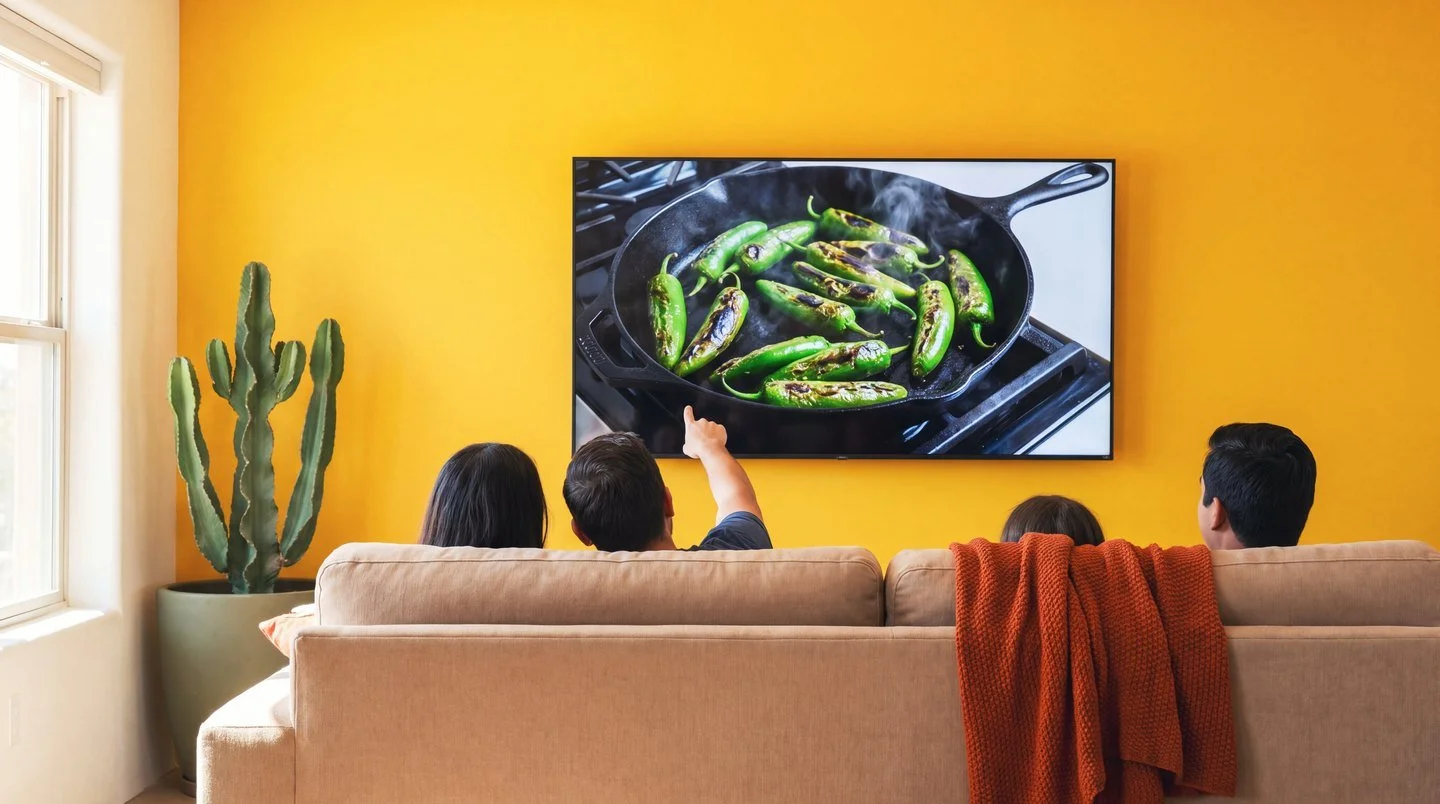
Nobody on the couch is holding the phone. On a phone, one person watches with a thumb ready to flick, often with the sound off, reading along. On a TV, three people watch from across the room with the sound on, and nobody can scroll back to catch a caption that flashed by.
A lot of food Reels are built for the thumb. Tiny caption text tucked in the bottom corner. A whole recipe typed out in a font made for a screen six inches from your face. A voiceover that only makes sense if you're reading the words at the same time. Put that on a living room TV and it's a muted slideshow of somebody's skillet.
The same day the Apple TV news broke, Voice of Emirates reported that WhatsApp is testing a button to share Reels straight into chats. It's a test, and tests get pulled. But it points the same way. Reels are leaving the feed, onto the TV and into the family group thread, and neither place rewards a clip that needs one person squinting at it.
What did a yellow guitar teach me about sound?
I launched Topo Chico's U.S. social in 2013, and from the start I built that feed around music. In October 2019 we started the Yellow Guitar program with Ernie Ball Music Man, loaning a yellow instrument to working artists who played it and posted what they made. By July 2023 I could account for 62 loan-outs and just over 100 posts, with a 14-month waiting list of artists who wanted a turn. We had figured the program would last 12 months.
Nobody had to read a word to get those posts. A musician, a yellow guitar, a song. The sound carried the whole thing, and that's the kind of clip that holds up on a TV across a room. I didn't plan any of it for television. I planned it so a fan would stop and listen, and that turns out to be the same job.
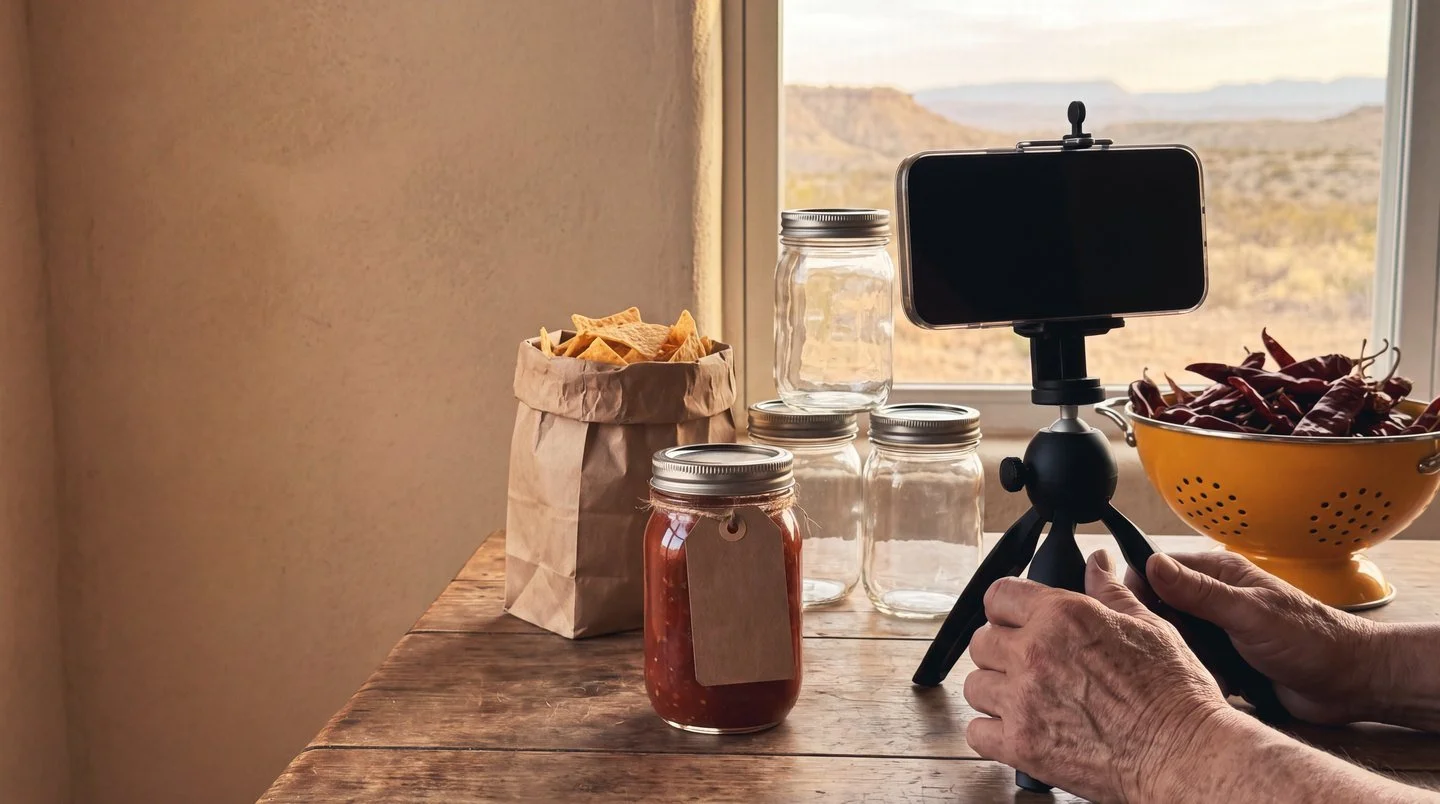
Food makes its own noise. Chicharrones cracking. Oil hitting a hot comal. The cap coming off a cold bottle. Most food brands shoot those moments and then bury them under a stock music bed and a wall of caption text. That's the cheapest win in organic social media, sitting right there in your own kitchen, and it's one a big brand's studio spot can't fake.
What should a small food or beverage brand do with its next Reels?
Pick three Reels from this month's plan and build them for the couch. Leave the rest alone. Instagram hasn't said how many people watch on a TV, and nobody should tear up a content plan for an audience it can't measure yet. Post them the week you shoot them, too. Meta's Q3 numbers, reported by Social Media Today, say almost 45% of recommended Reels are less than a day old, up more than 11 points from Q2.
- Let the sound tell the story. Record the real audio of the food: the sear, the pour, the crunch, the person who made it talking. Done when someone can follow the Reel with their eyes closed.
- Make any words big enough to read from eight feet away. One short line on screen at a time, large, in the middle of the frame. Done when you can read it on your own TV from your own couch.
- Hold the shot longer. A room watches slower than a thumb scrolls. Done when the product stays on screen long enough for somebody to ask "what is that" out loud.
- Make one Reel worth forwarding. A recipe, a holiday deal, where to find you this weekend. Done when you'd send it to your own sister without a note explaining it.
- Count shares next to views. A Reel that gets sent to a group chat or watched by a room is doing more work than its view count says. Done when your monthly report puts shares in the column beside views.
Girl Beer's 80-year-old intern still works because viewers come back for a person. That person plays on any screen. When the forwards turn into comments, answer them fast.
If you're paying a food and beverage marketing agency for Reels, ask them to play the next one on a TV in the conference room before it posts.
Every content plan I write for a food or beverage brand starts with the sound of the food. If you want yours built for the couch, DM me.

adage, emmy, telly & webby award-winning digital marketing consultant for purpose-driven food & beverage brands.