Meta Cuts Threads Loose From Instagram On Friday. Nobody Ever Granted That Access.
Meta drops the Instagram account requirement for Threads ads on September 26. Brands running both can finally put different names on each app. That's the headline, and it's the half that doesn't help you much.
The useful half is one sentence Meta buried in its business help documentation, and I am going to quote it exactly because the wording matters: "Existing Threads profiles in your portfolio will initially retain access settings inherited from their previously associated Instagram account, though moving forward, you can customize and manage access levels for your Threads profile."
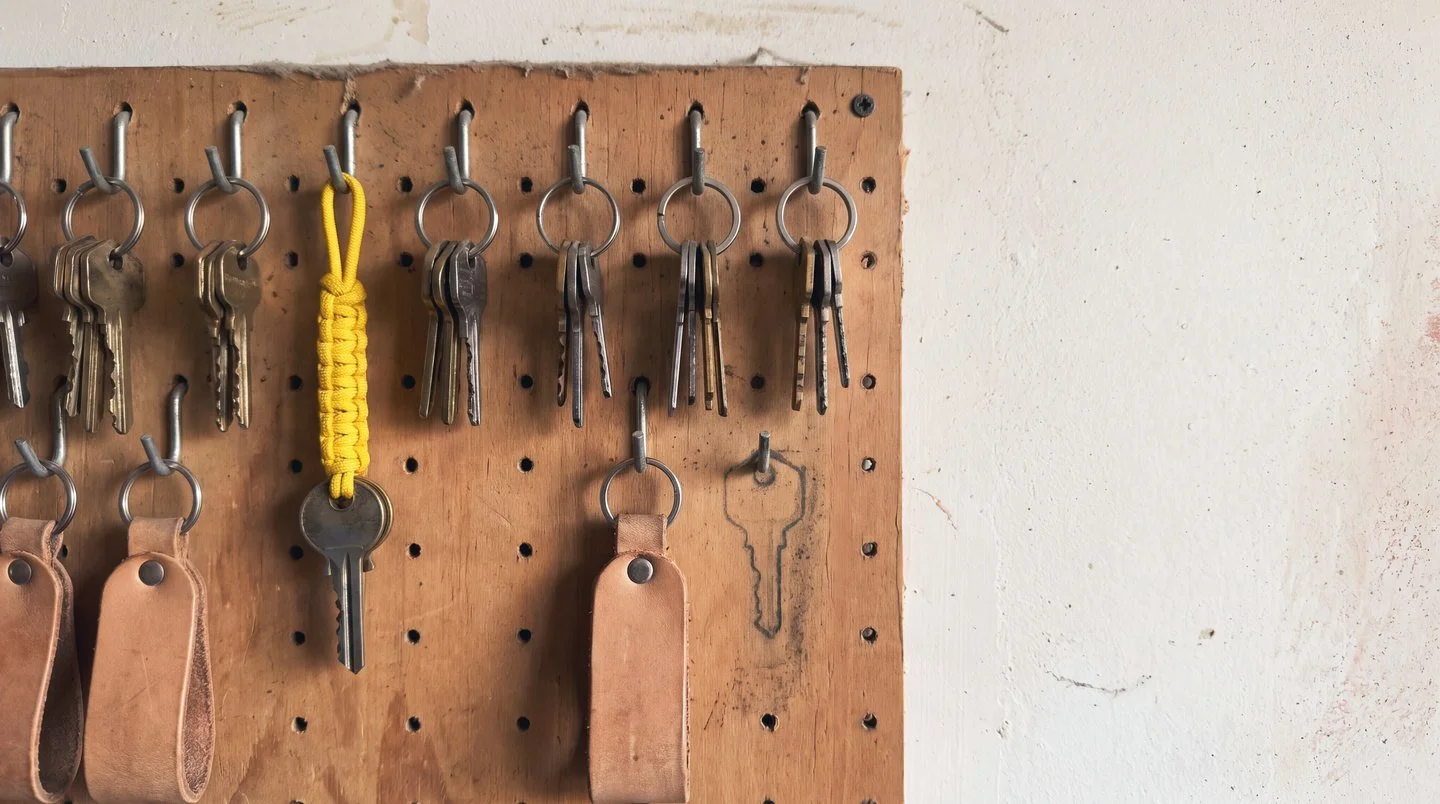
Read that against your own contractor list. Every person you ever gave Instagram access has been carrying a key to your Threads presence.
You didn't grant it. There was never a separate thing to grant. The permission rode along on the Instagram access and nobody wrote it down.
Full access on a Threads profile covers replying to comments, deleting posts, and removing content.
The freelancer you stopped working with in March can still answer a stranger in your brand's mentions this afternoon.
What Meta actually shipped
Two changes, announced separately, landing together.
Meta is ending the Instagram username match for Threads ads.
Their own language: "Starting in September 2026, matching usernames between Threads and Instagram profiles will no longer be required to run Threads ads. Businesses operating without an Instagram profile will also be able to launch ads on Threads directly using their native Threads profile."
Social Media Today reported it on September 21. MediaPost pinned the date at September 26 two days later.
Second piece is the permission layer.
Threads profiles get dedicated, task-based access managed inside a Meta business portfolio. You're not stuck tying them to an Instagram profile anymore.
Meta says both changes roll out gradually and are not available everywhere yet.
Threads sits at roughly 500 million users. Zuckerberg says it's likely passed X in overall usage. That's why Meta bothered.
It hit 100 million signups in five days when it launched in 2023. The move was simple: borrow Instagram's two billion users and walk them in through a side door. The tether was the growth strategy.
Three years on, that same tether is what's holding the product back. So it's coming off.
I counted my own channels before I wrote a word of this
I run an automated publishing pipeline for my own brand. It's code, and the config block names every channel it's allowed to touch.
The machine already does these Threads numbers five days a week.
Five live channels: Instagram, Threads, X, TikTok, and LinkedIn.
The pipeline holds a weekly floor on each one. Miss the number and it exits non-zero so cron flags the miss.
Instagram's floor is 8 posts a week. Threads sits at 16. I built it that way on purpose a long time before Meta decided Threads deserved its own front door.
The posting log backs it.
From May 30 to mid June I ran a 302-post stretch of the image-usage log. Threads took 60 slots. Instagram took 42.
Same brand, same window, same image pool. Threads out-posted Instagram by 43 percent.
Did the math on those 60 Threads posts. It stung.
Every one went out through an account whose access list I'd never once reviewed. Until this week there was no list to review.
My highest-volume surface ran on a permission I inherited, not one I issued.
I write about this category for a living and I still had to go look.
My persona brands run the other way. Two rosters on a posting schedule, six channels wired, and exactly one of them is Threads.
Four Instagram. One Threads.
I built the main brand around Threads and hung it on the side brands like a bolt-on. Everybody did. Meta sold it that way.
The fifteen-minute job
Open your Meta business portfolio and look at who has access to the Threads profile specifically. Not the Instagram account. The Threads profile. If you have never looked at this list, it will be longer than you remember and there will be a name on it that makes you stop.
Cut anyone who does not need write access right now. Not might need it in November. Right now. Adding somebody back takes thirty seconds. Un-deleting the post an angry ex-contractor pulled on the way out the door takes a lawyer and a screenshot, and you will still lose the comments.
Get the access map done before Friday. Plumbing changes put it on the screen in front of you, and that's the only reason anybody opens it. Two weeks later it's invisible again.
The half nobody will do
The access audit is the boring part. Most brands will actually do it. It's a checklist, and checklists feel like work.
Everyone skips the identity change. That part's worth more money.
You can run a different name, voice, and cadence on Threads now without dragging Instagram along.
Sounds minor. It's really whether you've got a second thing worth saying.
Most brands mirror Instagram onto Threads because the copy is free and a real second voice isn't. They weren't forced. They took the cheap path.
Obligation's gone. The mirror is just a decision you're still making.
Back in June I retired the Marfa Strategies LinkedIn company page from automated publishing. Not paused. Retired. I disabled the code path so a stray call aborts instead of posting.
That channel put out competent output that just duplicated what the personal account already said better. Killing it cost nothing. The week got quieter.
I've watched this exact problem from the other side. An organic social media strategy is mostly a list of decisions like that one, made out loud and written down where a person can find them.
Most brands never staffed Threads. They mirrored it, because that was all it asked for. Starting Friday it wants something else.
What I would tell a client this week
Three things, in order.
Audit the Threads access list. Cut it to the people who need it today. That's your fifteen minutes.
If you can't write one sentence you'd say out loud about what Threads is for at your brand that Instagram isn't, you don't have a Threads presence.
You have an Instagram export.
No shame in that. There's a cost.
Meta's highest-growth text surface is carrying content built for a different room.
An organic social media strategy that treats every surface as one surface will always lose to one that treats them as rooms with different people in them.
Mine has run at twice Instagram's weekly floor since before Meta ever said Threads could be its own thing. Sixty posts against Instagram's forty-two.
Give it its own cadence. Let the numbers run a full quarter.
If you've never tested it standalone, you don't know what it does. You know what a mirror does.
The brands I see win this next stretch aren't the ones with the cleverest post on Friday.
They spent fifteen minutes on the unglamorous list while the window was open. Then an hour deciding what the second voice sounds like.
That's most of the job. It always has been.
If your own list has a name on it you cannot explain, or you have been mirroring one feed onto another because nobody ever made the call, that is the kind of thing a food and beverage marketing agency should be fixing before it writes you a content calendar.
Related reading from the archive: how social platforms lose their way and what it means for your brand, how to actually increase post visibility on X without playing the algorithm's game, and the social media strategy for clean label food and beverage brands that actually works.

adage, emmy, telly & webby award-winning digital marketing consultant for purpose-driven food & beverage brands.