Facebook Put a Meter on Your Website Link. Make the Post Close the Sale.
A Facebook Page that doesn't pay Meta now gets two link posts a month. Social Media Today reported the cap on September 17, the same week Meta launched its Meta One subscriptions for business. Press Gazette followed on October 7 with the part that stings: go over the limit and your URL shows up as plain text nobody can click. The cheapest plan, Essential at $14.99 a month, doesn't buy you a single extra link. Unlimited runs $499.99.
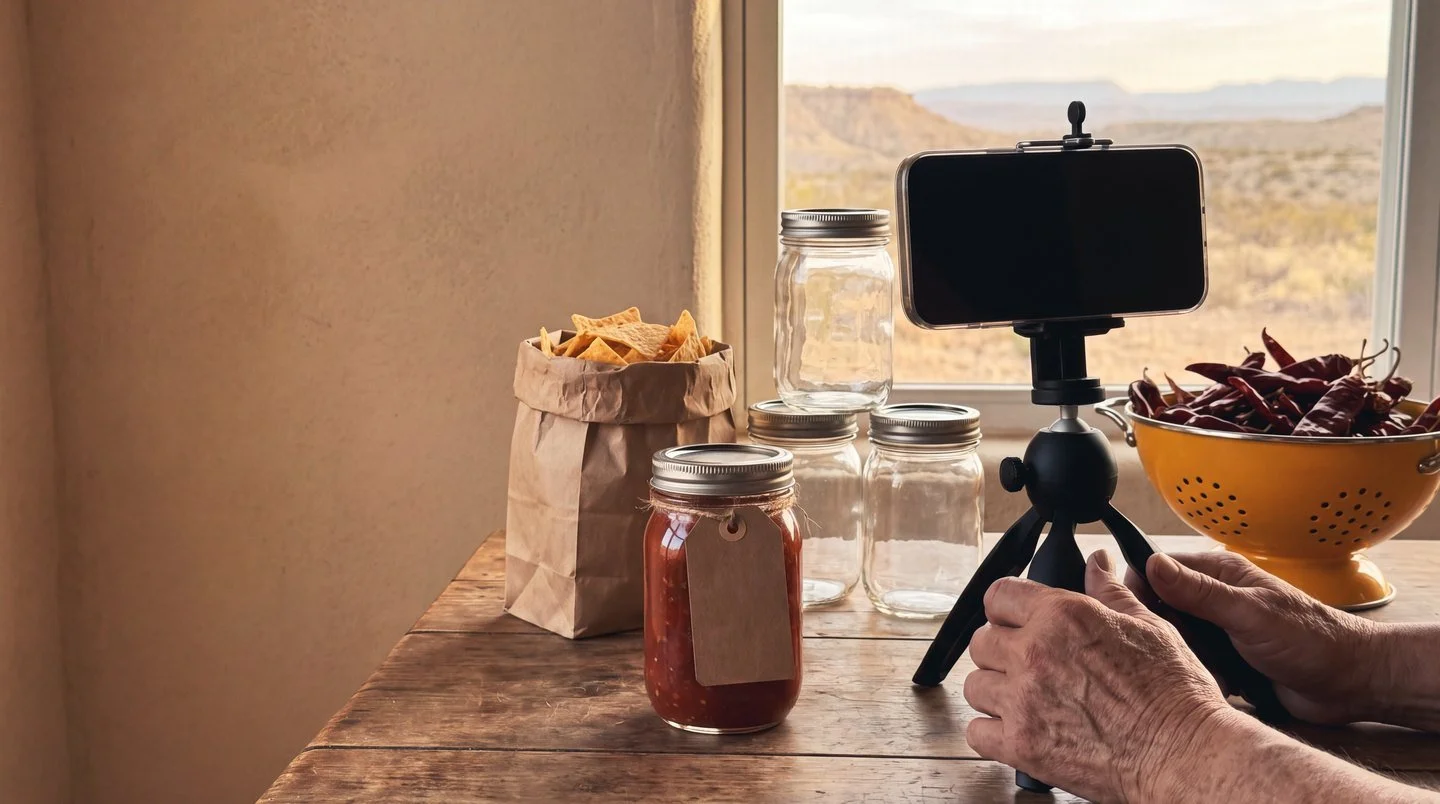
The hot sauce maker sending fans to her own store pays the toll. News publishers are exempt. WhatsApp and Threads links pass free.
If you run a food or beverage brand, my advice is to quit fighting over the link and build posts that sell without one.
What Meta actually changed
Meta has been testing the two-link cap on certain Pages since December 2025, according to Social Media Today. Meta One put a price on getting out of it. Press Gazette reports the paid tiers at $49.99 for eight links, $149.99 for 20, and $499.99 for unlimited, and says not every Page is hit yet. Some professional accounts run into the wall. Others post links all day.
Then AdExchanger's October 9 roundup added comments. The comment section was where publishers had been working around link limits, Press Gazette notes, and AdExchanger reports the rule now reaches it too. Press Gazette lists a few comment exceptions, so expect the details to keep moving. The direction isn't moving.
Meta would rather you stay put. Matt Navarra told Press Gazette they see outside links as value walking out of the ecosystem. There's a price tag on that now.
The link was already dying
The number that takes the sting out comes from Meta. Its own Widely Viewed Content report for the first quarter of 2026 found that 98.7 percent of U.S. post views had no link to an outside source, Social Media Today reported. Link posts fell from 9.8 percent of viewed content in 2022 to 1.3 percent.
So the meter went on a road almost nobody was driving. If your Facebook plan was "post the product page and wait for clicks," it stopped working years ago. Meta just sent the invoice.
Why I quit building posts around the click
I don't run a Facebook Page in my own publishing rotation. My posts go out to five channels, Instagram, Threads, X, TikTok and LinkedIn, and the house rules ban "link in bio" outright. When a post asks for anything, it asks for a DM or a LinkedIn message. That's a deliberate call. Every post has to finish its job right there in the feed, because the click is the step where most people wander off.
I've had my own domain since 1996, and I still treat the site as the place you land after you already trust me. A post that only works if somebody leaves the app is a post that doesn't work.
That's the move a food brand has to make now. It's a cheap one.
Put the answer in the post
Most food brand link posts are a photo of the bag and "Shop now." The link was carrying the whole sale. Take the link away and the post has nothing to say.
So say it. Put the price in the caption. Name the three stores in town that carry you and the aisle you're in. Show the back of the bag so the shopper reads the ingredient panel without tapping anything. Write "four bucks at the H-E-B on Main, next to the tortillas" instead of "available at fine retailers." Shoot the jar sweating on a tailgate with the lid off. If somebody has to click to learn what it costs, where to get it or what's in it, the post isn't done.
A good organic social media strategy for a food brand was always this. The two-link cap just forces the issue.
Spend your two links where money changes hands
You still get two. Don't waste them on a blog post about your company values.
Save them for moments that convert: a limited drop, a restock of the flavor that sold out, a ticketed tasting, the first week you land in a new retailer. Put a hard date on each one. A link is worth spending when a click turns into a sale or a signup inside the week.
Everything else goes to the list you own. Email and text don't have a meter, and Meta can't turn your subscriber's inbox into plain text. Pull the last 90 days of your Page posts this week. Count how many carried a link, then count how many of those clicks became an email signup or an order. For most independent brands, the toll will cost less than the headline suggests, and the audit will tell you exactly which two links a month are worth keeping.
I made the same argument when Instagram's engagement numbers turned out to be rented and again when Cloudflare built an AI tollbooth. The platforms keep moving the gate. The brands that do fine are the ones whose posts already answer the shopper's question without help.
Big Food can buy the $499.99 plan for every brand in its portfolio and never notice the line item. You can't, and you don't need to. Rewrite your next ten Facebook posts so each one names the price, the store and the reason to buy, with no link at all, and see which ones move product. If your food and beverage marketing agency is still planning the month around link posts, hand it this article.
If your Page still leans on links, DM me and I'll tell you which two are worth keeping.

adage, emmy, telly & webby award-winning digital marketing consultant for purpose-driven food & beverage brands.