Apple Just Blocked the Trackers Following Your Shoppers. Get Their Email the Old Way.
On Monday night, October 19, three WebKit engineers at Apple published a post called "Blocking Identity Resolution Infrastructure." It's dry reading. It's also the clearest warning a small food or beverage brand will get before the holidays that the shopper it's been following around the internet is about to disappear from view.
Starting with the 27 releases of iOS, iPadOS, macOS and visionOS, Safari and WebKit block network access to third parties that collect your email address when you log in somewhere or sign up for a newsletter, then turn it into a tracking ID that follows you from site to site. The block works at the domain level, so a vendor can't dodge it by rewording its request. The engineers put the problem bluntly: "Logging out or unsubscribing from that newsletter does not remove the tracking ID."
Apple's post names no company and publishes no list. The trade press filled that in fast. Digiday and AdExchanger name LiveRamp, ID5, Permutive and The Trade Desk among the companies caught up in it.
What this does to a food brand's holiday plan
Most independent food and beverage brands never signed a contract with any of those names. You don't have to. If you run retargeting ads at people who looked at your gift box on an iPhone, or your agency reports "matched audiences" and cross-site conversions, some of that plumbing runs through companies like these. On Safari, plan for those audiences to get thinner and those reports to get noisier this quarter.
Apple drew one line worth reading twice: "First party personalization is not tracking, and is not what our technologies seek to prevent." In plain English, the email a shopper hands you on purpose, on your own site, for your own reasons, is fine. The email a stranger's code lifts off your sign-up form and resells as an ID is the target.
Safari blocked all third-party cookies by default on March 24, 2020. It's been closing that door for years. Brands that already own the relationship lose the least when it shuts. The ones still renting it find out what the rent was really buying.
I bought names for about a dollar apiece in 2015
Summer 2015 I ran social for a Topo Chico sweepstakes. The number that mattered was 8,500 unique, verifiable registrations. People who typed their own name and email because they wanted the prize. Likes didn't count.
On July 6, 2015 I sent the client my update. We'd spent $10,889 and had 5,336 registrations, a cost per registration of $1.15. We were 38% of the way through the contest and 62.8% of the way to the goal.
Five weeks earlier the number sat at $1.11. End of May. It barely moved all summer. Each of those dollars bought a person who raised a hand and gave us a way to reach them again.
Three summers later I sent an email about a different giveaway to 17,054 people. 5,628 opened it and 1,450 clicked through to the entry form. No cookie, no identity vendor, no browser deciding whether we were allowed to see them. It was a list, and it still worked.
That's the part of organic social media marketing most brands skip. They post to be seen and never ask the people who see them for anything they can keep.
What to do before Black Friday
Find out how much of your holiday plan depends on following Safari shoppers after they leave your site. Ask your agency or your ads person directly. If the answer is "a lot" or "we're not sure," move some of that effort into collecting names this month.
Give people a reason to hand you their email that's worth more than a discount code. First dibs on the seasonal flavor before it hits the shelf. A restock alert for the thing that sold out last December. The recipe card your founder actually cooks from. A sample shipped to the house.
Put the ask in your organic posts every week, not once in October. One plain line under a good post does more than a pop-up nobody reads. If Facebook already put a meter on your website link, the post has to earn the sign-up on its own anyway.
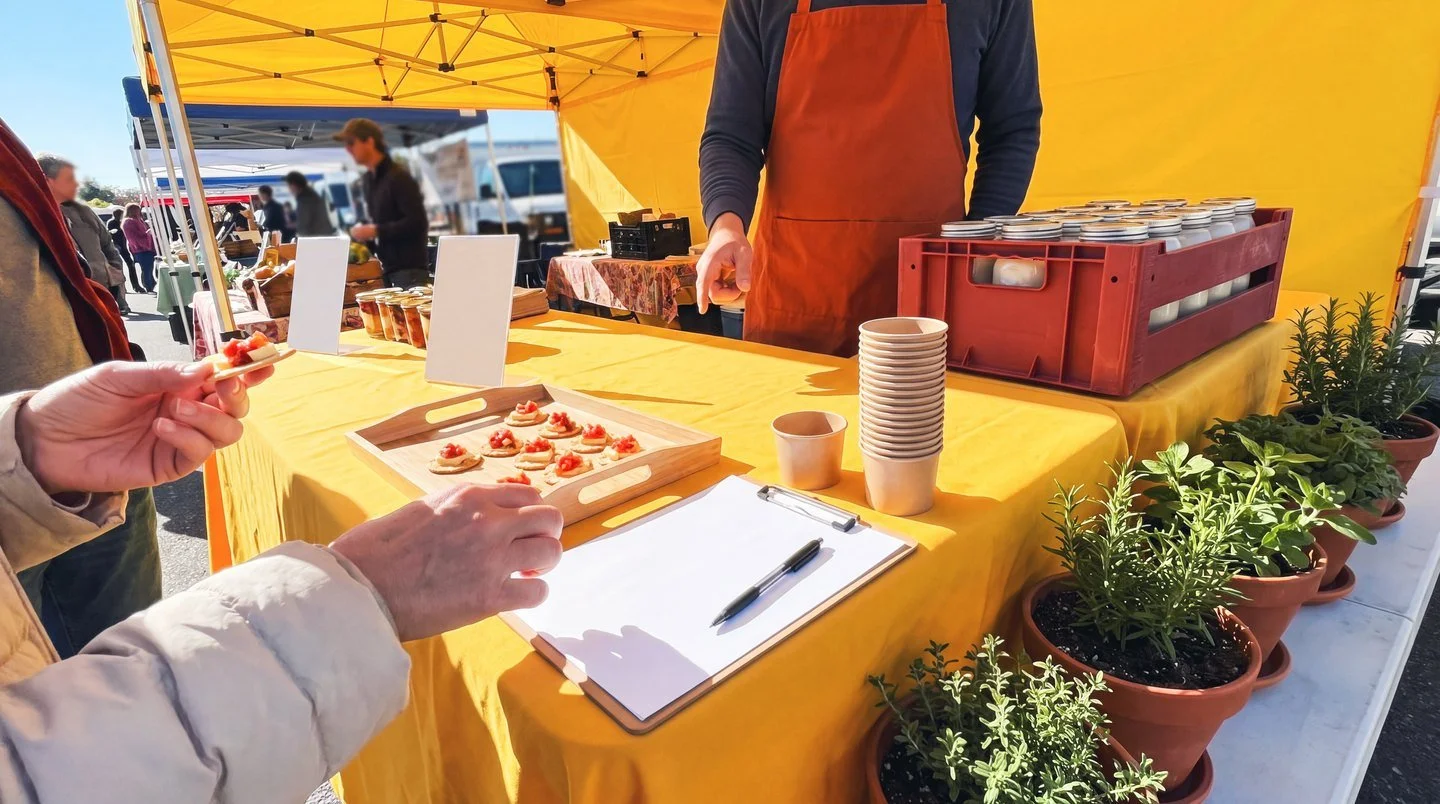
Bring a clipboard to every sampling table. A grocery store demo or fall festival booth with no way to stay in touch ends the second the tray empties. Ask for the email while the cracker's still in their hand.
Count names every week. Every written update I sent that client during the contest put registrations right next to spend. When you read an agency's case study, look for that line first.
If you're vetting a food and beverage marketing agency for 2027, ask how many names they added to a client's list last quarter. If they answer with impressions, keep looking.
Building a list your shoppers hand you on purpose is part of the organic social work I do for a few food and beverage brands. If yours is still renting its audience, message me on LinkedIn.

adage, emmy, telly & webby award-winning digital marketing consultant for purpose-driven food & beverage brands.